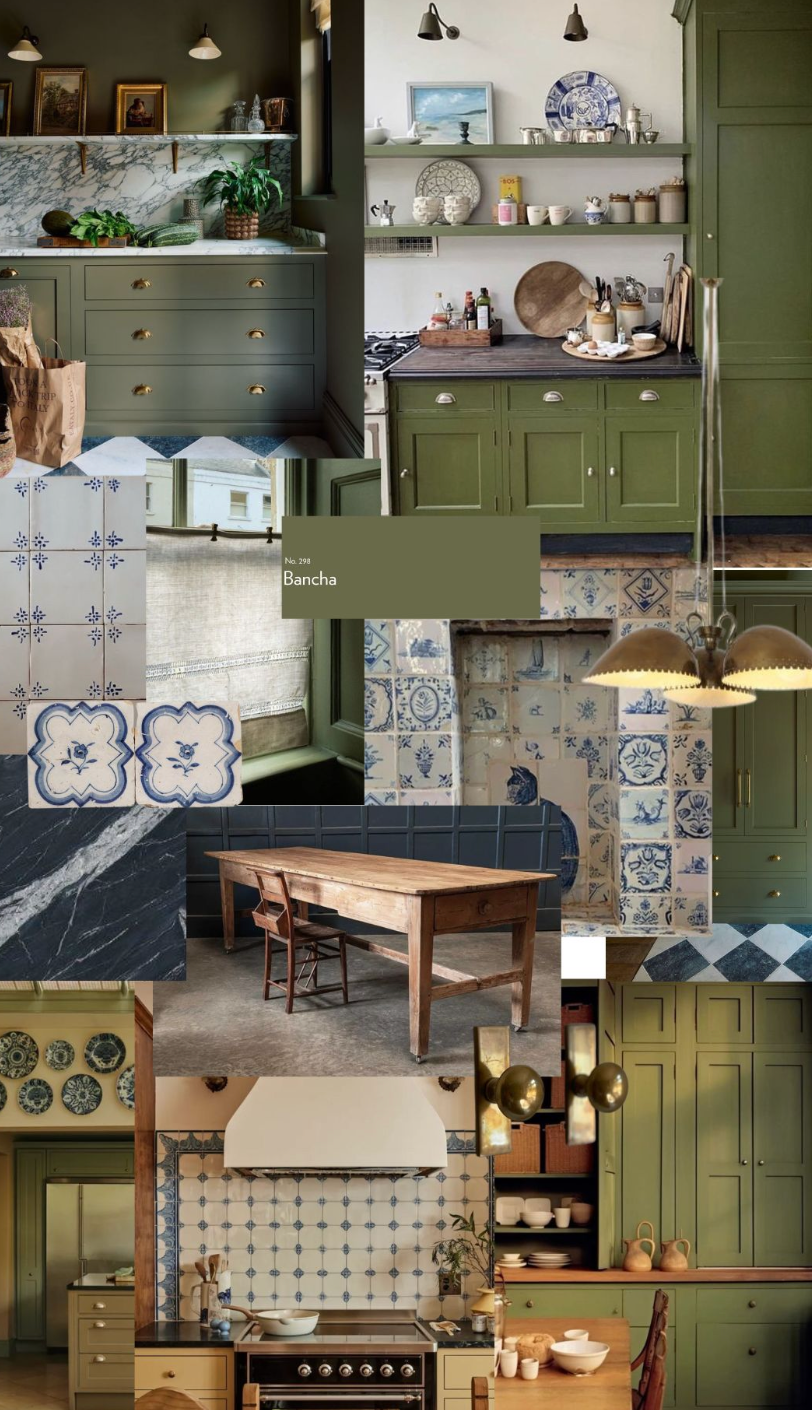
In the era of "Demo Day" highlights and 60-second home renovation reels, we’ve been conditioned to believe that transformation requires destruction. We see sledgehammers hitting drywall and think, That is the only way to get the kitchen I want. But as a DIY editor who has seen both the triumph of a well-executed gut and the tragedy of a "renovation-in-progress" that lingers for eighteen months, I’m here to tell you: the sledgehammer is often overrated.
In a world of overconsumption, sometimes the bones of a home just need a new point of view. A full kitchen gut is not necessary if the original structure is sound and the layout is functional. In fact, homeowners can save 30% to 50% on total costs by opting for a "layout-in-place" renovation. This approach focuses on high-impact cosmetic updates—like refinishing cabinets and replacing hardware—without the astronomical expense of moving plumbing or electrical lines.
The Quick Verdict: If your current "work triangle" (the distance between your sink, stove, and fridge) works for your cooking style, and your cabinet boxes are made of solid wood or high-quality plywood rather than crumbling particle board, you are a prime candidate for a design refresh over a full gut.
The 'Great Bones' Checklist: When to Keep What You Have
Before you sign a contract for a $50,000 remodel, run your kitchen through this diagnostic. You should consider a cosmetic refresh if:
- The footprint works: You aren't bumping into your partner while making coffee, and the dishwasher door doesn't block the oven.
- The cabinet boxes are sturdy: The doors might be dated, but the frames (the "boxes") are level, square, and free of water damage.
- The subfloor is stable: There are no soft spots or significant slopes that would require a total tear-down to level.
- Budget is a priority: You want the 2026 look without the 2026 price tag.
Case Study: How Estro Studio Saved the 'Limehouse' Kitchen
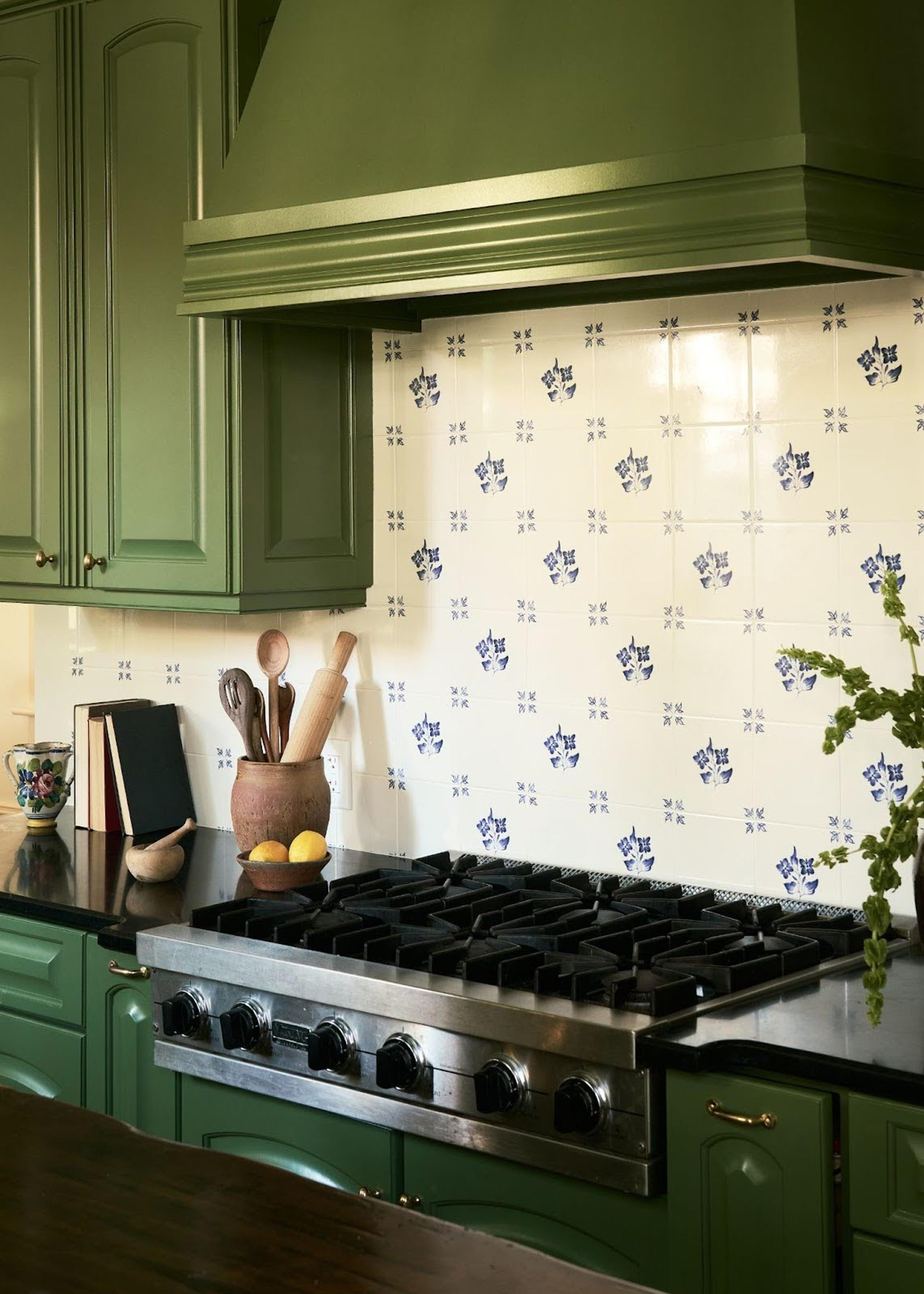
To see this philosophy in action, we look at a recent project by Estro Studio in Charleston. The "Limehouse" kitchen was a classic case of hidden potential. The original cabinetry was solid cherry—an expensive, durable material—but it was suffocating under a heavy, reddish-orange stain and "grape" themed crown molding that felt stuck in the late 90s.
Most contractors would have suggested a full gut. Instead, we worked with Estro Studio to implement a "green-drenched" design strategy. By keeping the layout exactly as it was, the budget could be reallocated from demolition and new cabinetry toward high-end finishes and custom artisanal touches.
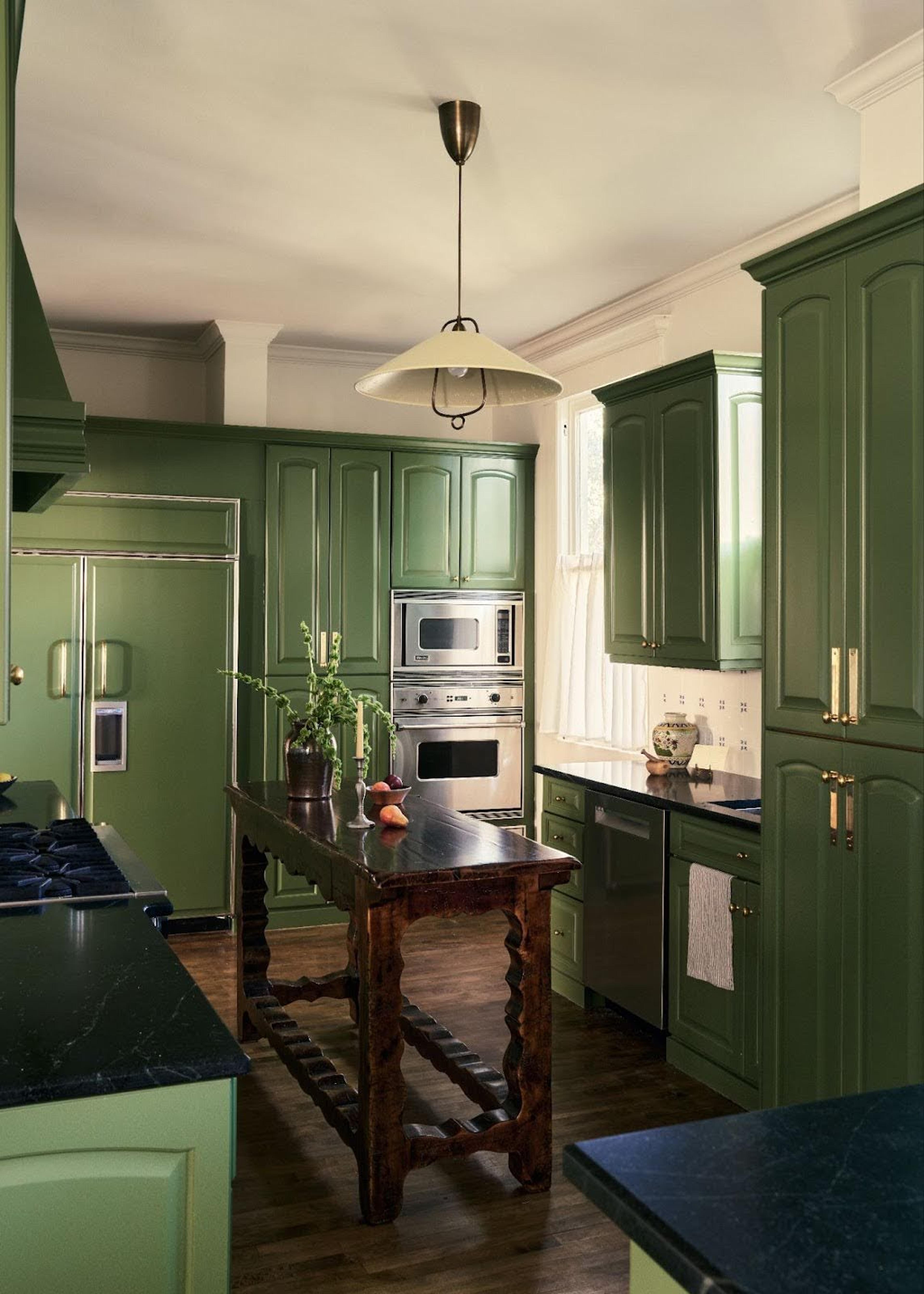
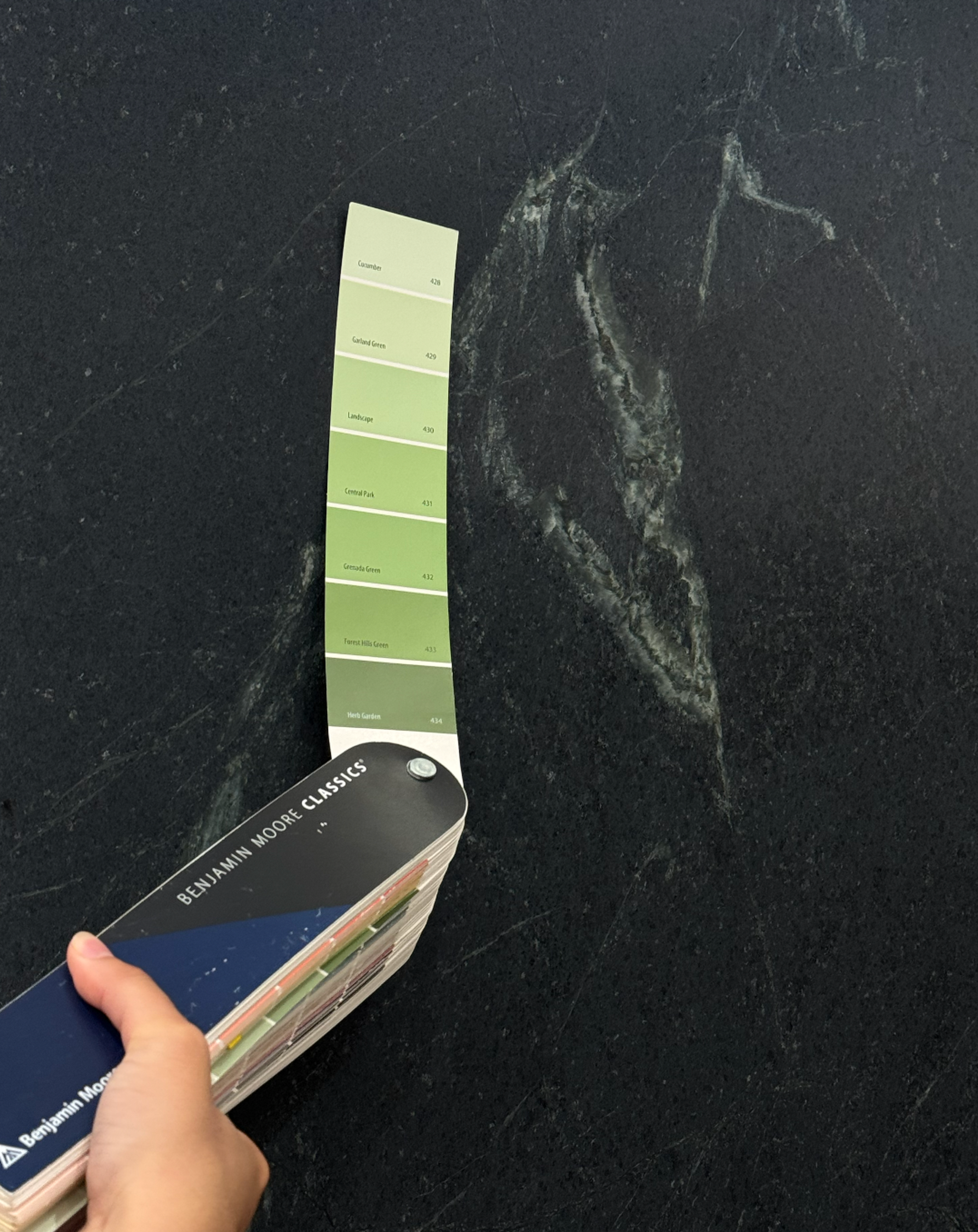
The transformation took just four weeks—a fraction of the typical three-to-six-month timeline for a full remodel. We removed the dated molding, sanded the cherry frames to a smooth finish, and applied a deep, saturated forest green. This "color drenching" technique bridged the gap between traditional architecture and modern moodiness.
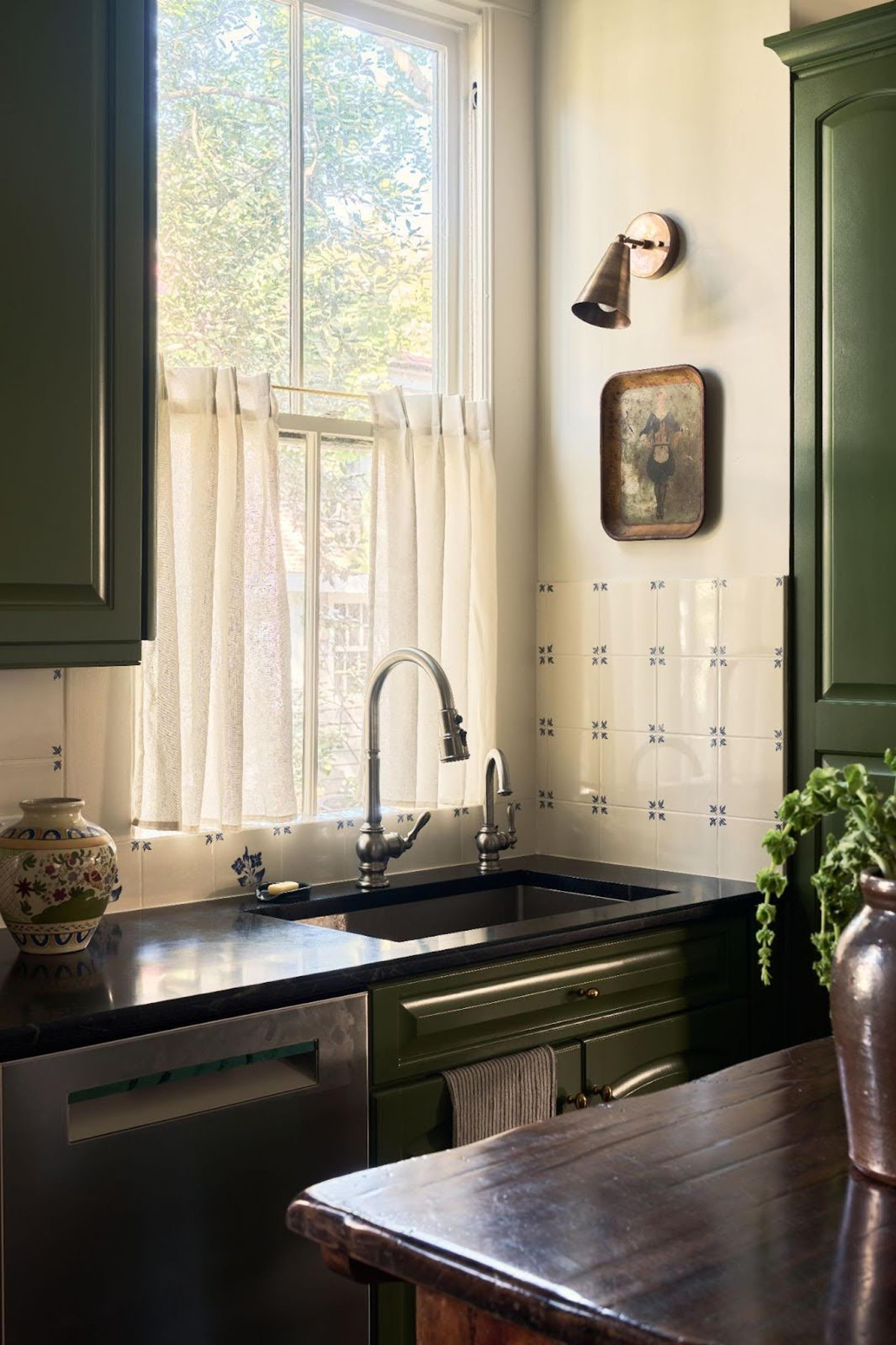
One of the biggest functional shifts? Addressing the "splash zone." Rather than replacing the entire sink base cabinet, Estro Studio designed custom tiled sink boxes. This not only protected the cabinetry from future water wear but added a bespoke, Mediterranean-inspired element that looked far more expensive than it actually was.
Renovation vs. Remodeling: The 2026 Decision Matrix
It’s important to distinguish between the two. A Cosmetic Refresh is an update of surfaces and finishes within the existing footprint. A Full Remodel (or gut) involves moving structural elements, plumbing, or electrical lines.
To help you decide which path to take, ask yourself these binary questions:
- Do I want to move the sink or stove? If yes, you are looking at a full gut.
- Are my ceilings high enough? If you need to raise them or remove a soffit, you’re in gut territory.
- Is the "Work Triangle" broken? If your fridge is in a different ZIP code than your prep area, a refresh won’t fix your frustration.
- Is there hidden damage? If you suspect mold or termite damage behind the walls, you must demo to remediate.
The Real Numbers: Cost Breakdown of a Partial Upgrade
The financial incentive for a refresh is staggering. According to recent industry data, layout-in-place renovations achieve 70-80% of the visual impact of a full remodel while costing 30-50% less. While 68% of homeowners still opt for full cabinet replacement, there is a growing trend—nearly 27%—of homeowners choosing partial upgrades to reduce waste and save capital for high-end appliances.
| Project Scope | Estimated Cost (Materials & Labor) | Typical ROI |
|---|---|---|
| Cosmetic Surface Refresh | $2,000 – $8,000 | 75% – 85% |
| Cabinet Refacing/Painting | $4,500 – $13,000 | 70% – 80% |
| Full Gut Demolition Only | $5,000 – $15,000+ | N/A |
| Luxury Full Remodel | $60,000 – $120,000+ | 55% – 65% |
The reason partial upgrades offer a higher ROI is simple: you aren't paying for what stays behind the walls. When you move a gas line three feet to the left, you might spend $2,500 on plumbing and permits that no one will ever see. When you spend that same $2,500 on a stunning zellige tile backsplash or a reclaimed wood island top, every cent is visible and adds immediate appraisal value.
Kitchen Trends for 2026: Why Natural is Better
We are moving away from the "all-white hospital" kitchen. The design world is pivoting toward warmth, texture, and longevity.
- The Return of Wood: Nearly 29% of homeowners are now choosing medium and light wood tones. If you have older oak or maple cabinets, don't rush to paint them white. Consider a professional stripping and a clear matte sealer to lean into the "organic modern" trend.
- Aging-in-Place: We’re seeing a surge in "functional longevity." This means adding pull-out pantry shelves and non-slip flooring during a refresh to ensure the kitchen stays usable as you age.
- The 'Beverage Station': You don't need a full remodel to add a coffee or wine bar. Many homeowners are removing a small section of lower cabinetry and replacing it with a beverage fridge and floating shelves—a high-impact lifestyle change without the structural headache.
How to Plan Like a Pro: From AI Visualization to Construction
The secret to a successful cosmetic refresh is in the sequence. Most DIYers fail because they work backwards. Here is the Clara Lin-approved workflow:
- Test Before You Touch: Use AI visualization tools to swap out cabinet colors and countertop materials. It’s much cheaper to realize you hate "Navy Blue" on a screen than on your actual cabinets.
- The Golden Rule of Ordering: Never, under any circumstances, start your project until every item has arrived. Cabinet doors and specialized hardware can have lead times of 6 to 16 weeks. Living with a doorless kitchen for four months is a recipe for a "renovation divorce."
- Avoid the 'Aesthetics Over Function' Trap: It’s easy to get distracted by pretty brass latches. Always ensure your prep, cook, and clean zones are optimized first. If your faucet is leaking, buy the high-quality internal valve first, then pick the pretty handle.
FAQ: Common Kitchen Renovation Hurdles
Q: Can I paint my own cabinets, or should I hire a pro? A: If you have the patience for a 10-step process (cleaning, de-glossing, sanding, priming, and multiple coats of Urethane Alkyd Enamel), you can DIY. However, for a "factory finish" that won't chip in six months, professional spraying is usually worth the $3,000–$5,000 investment.
Q: Will a cosmetic refresh actually increase my home's value? A: Absolutely. Most buyers can't distinguish between a brand-new $80,000 kitchen and a expertly refreshed $20,000 kitchen. They see "new counters, new floors, and modern colors." The ROI on minor kitchen remodels historically outpaces major ones.
Q: What if I hate my current countertop but can't afford quartz? A: Look into butcher block or "remnant" stone. Many stone yards have smaller slabs left over from large projects that they sell at a steep discount—perfect for a kitchen island or a small "layout-in-place" setup.
Start Your Refresh Today
You don't need to tear it all down to build something beautiful. By focusing on the structural integrity you already have and applying a thoughtful, designer's eye to the finishes, you can create a space that feels entirely new for half the price.
Whether it’s a "green-drenched" cabinet update inspired by Estro Studio or a simple hardware swap, the best time to improve your space is now. You don't need a sledgehammer; you just need a plan.