Quick Facts
- The Trend Shift: 2026 marks a decisive move away from the "warm gold" era toward a "Cool Metal Renaissance," featuring stainless steel, chrome, and pewter.
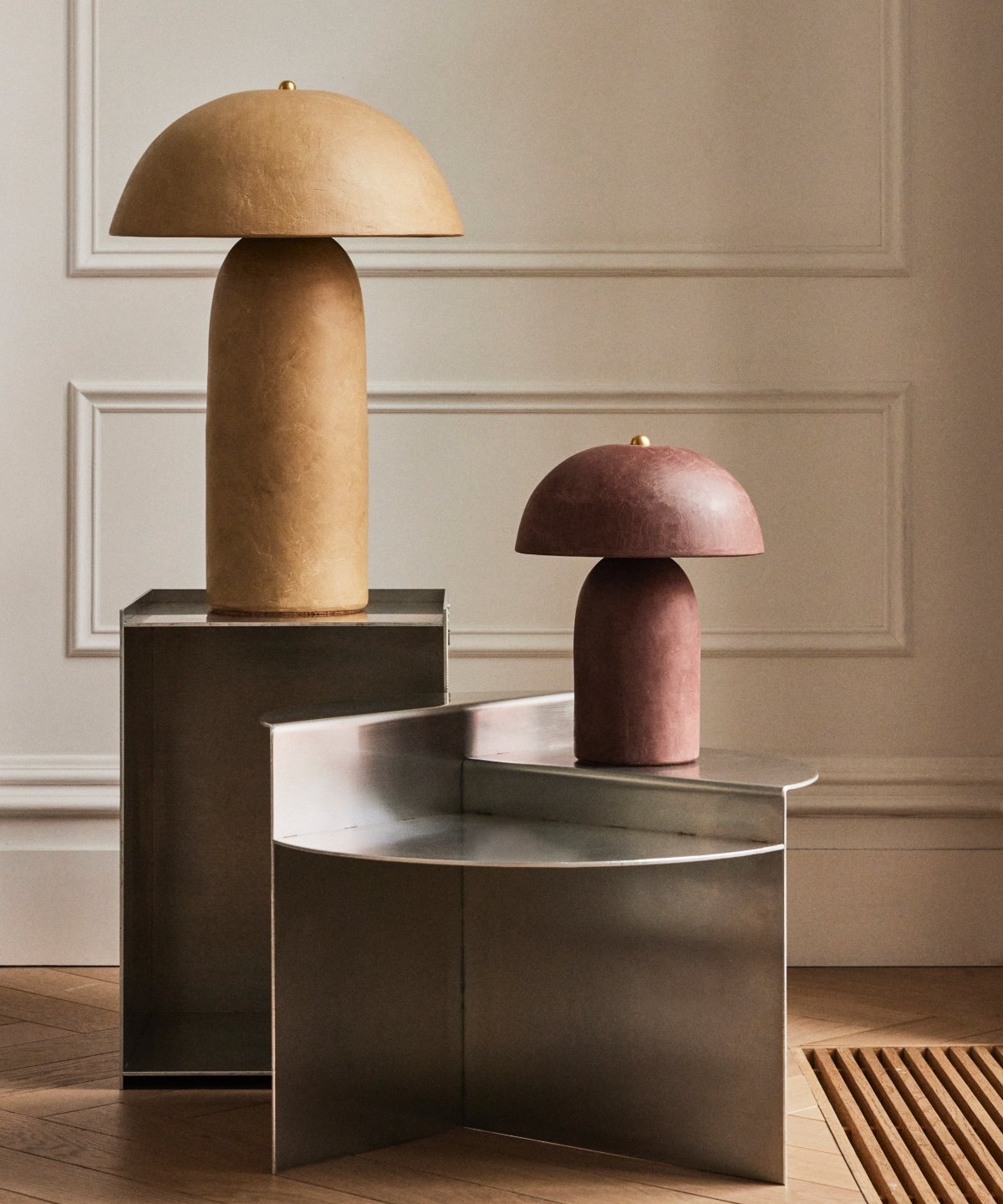
- The Core Aesthetic: Defined as "Warm Futurism," this style marries industrial, reflective surfaces with soft, organic curves and tactile fabrics.
- Data Insight: Design analysis from Milan Design Week 2025 revealed a 45% increase in the use of stainless steel and chrome in high-end furniture collections.
- The Styling Secret: Professional stylists now use the 70/30 rule—70% dominant cool metal and 30% contrasting accents—to prevent rooms from feeling clinical.
- Sustainability: Stainless steel is a cornerstone of the circular economy due to its infinite recyclability and life-long durability.
The Reflective Revolution: Is the Silver Age Returning?
If the last decade of interior design could be summarized by a single color, it would likely be the soft, burnished glow of brushed brass. From kitchen faucets to mid-century modern legs, "warm" was the mandate. But as we look toward the 2026 horizon, the pendulum is swinging back with a sharp, silver-toned precision. Stainless steel is no longer just a functional choice for professional kitchens; it is the new protagonist of the sophisticated home.
This isn't the cold, sterile minimalism of the early 2000s. We are entering the era of Warm Futurism. This aesthetic acknowledges the industrial strength of metal but softens the blow with sensual silhouettes and unexpected pairings. Think of a polished chrome chair that mimics the fluidity of a mercury drop, or a brushed stainless steel console table paired with a shaggy mohair rug.
The answer is a resounding yes: Stainless steel is back, but it has evolved. It is less about "laboratory chic" and more about a refined, reflective elegance that captures and bounces light in ways that gold simply cannot.
The Italian Spark: The Industrial Roots of Chrome
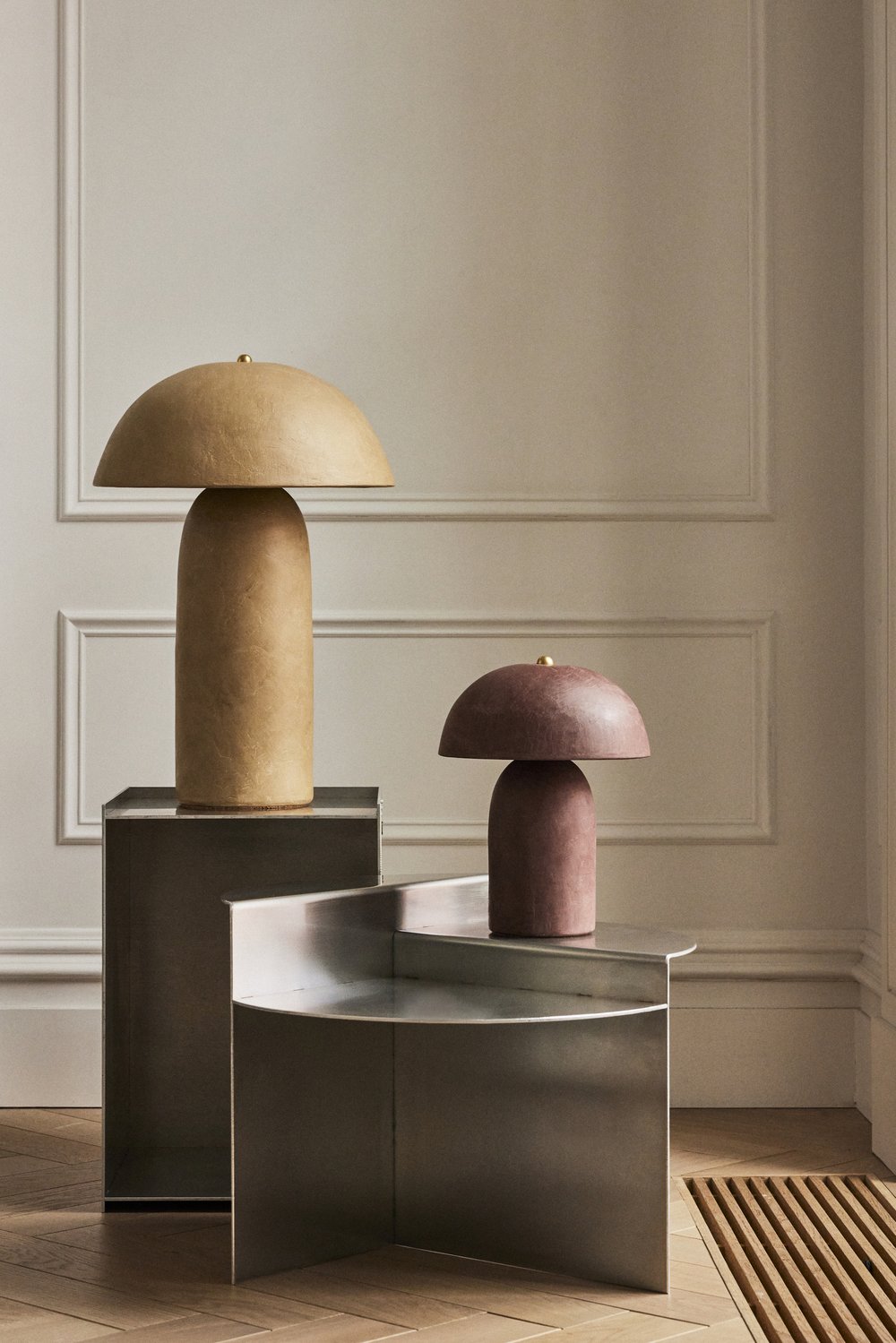
To understand why we are suddenly craving the "Inox" look (the European term for stainless steel), we must look back at the giants of post-war Italian design. The 1960s and 70s were the golden age of tubular steel and chrome, led by visionaries like Joe Colombo and Achille Castiglioni. They saw metal not as a cold material, but as a democratic, hygienic, and radically modern medium that could be bent into works of art.
Today’s revival is deeply rooted in this historical appreciation. Collectors are scouring vintage markets for 1970s chrome coffee tables, recognizing that these pieces offer a "vintage-future" vibe that feels incredibly fresh in a sea of boucle and blonde wood. The beauty of stainless steel lies in its honesty—it doesn't pretend to be something else. It is durable, easy to clean, and possesses an inherent architectural weight that anchors a room.

Milan Design Week 2025: The Catalyst for 2026
The definitive proof of this shift emerged during Milan Design Week 2025. At Nilufar Depot and across the Brera District, the presence of warm-toned metals had significantly retracted. In their place stood a sea of polished silver.
The data is striking: 45% more luxury furniture brands featured stainless steel or chrome as their primary metallic element compared to two years ago. This isn't just a niche preference; it’s a market-wide pivot. Designers are moving away from the "safe" luxury of gold and embracing the "edge" of silver. We saw massive Inox kitchen islands that felt like monolithic sculptures and chrome-framed seating that blurred the lines between furniture and jewelry.
"The chrome renaissance isn't just about a change in color palette; it’s a rejection of the 'safe' and the 'cozy.' It’s about a home that feels curated, intentional, and slightly rebellious." — Ivy Chen
The Alchemist’s Palette: Mastering the Art of Mixing Metals
One of the most common questions I receive as an editor is, "Can I mix silver and gold?" My answer is always: You must. A room with only one metal finish feels like a showroom rather than a home. The key to the 2026 look is a sophisticated layering of textures and temperatures.
The 70/30 Rule of Metal Mixing
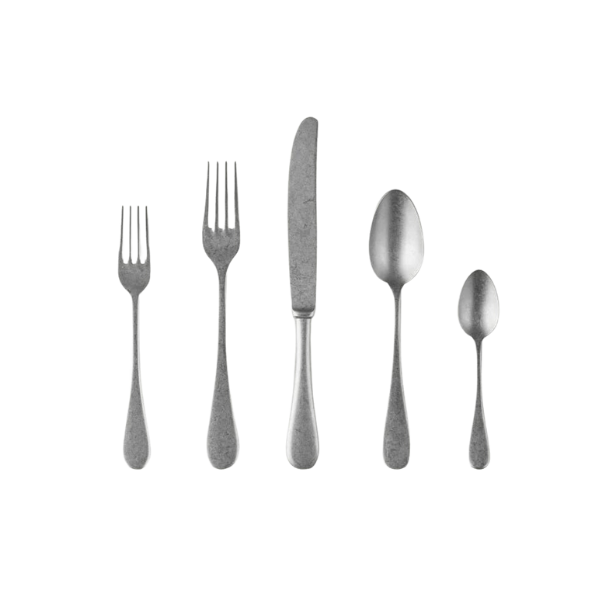
To create a cohesive, designer-level look, follow the 70/30 rule. Choose one dominant metal to cover roughly 70% of the hardware, lighting, and accents in a space. For the current trend, this dominant metal would be a cool tone like polished chrome or brushed stainless steel. The remaining 30% should be a deliberate contrast—perhaps a few pieces of aged brass or a blackened bronze.
This approach adds "visual friction," which is what makes a room feel layered and deep. Statistics show that 65% of professional interior stylists now favor this layered texture approach over single-finish environments.
The Material Pairing Guide
| Feature | Warm Brass/Gold Era (2015-2022) | Cool Metal/Steel Era (2025-2027) |
|---|---|---|
| Primary Mood | Cozy, Traditional, Glamorous | Edgy, Architectural, Ethereal |
| Dominant Metal | Unlacquered Brass, Copper | Stainless Steel, Chrome, Pewter |
| Best Paired With | Velvet, Dark Walnut, Navy | Raw Linen, Travertine, Unfinished Oak |
| Philosophy | "The Golden Hour" | "Warm Futurism" |
To keep stainless steel from feeling cold, I recommend pairing it with "earthy" opposites. A sleek steel dining table looks breathtaking when placed on a chunky jute rug or surrounded by chairs upholstered in a rough-hewn linen. The contrast between the machine-perfect metal and the imperfect, organic textile is where the magic happens.
Circularity and the Collector Culture
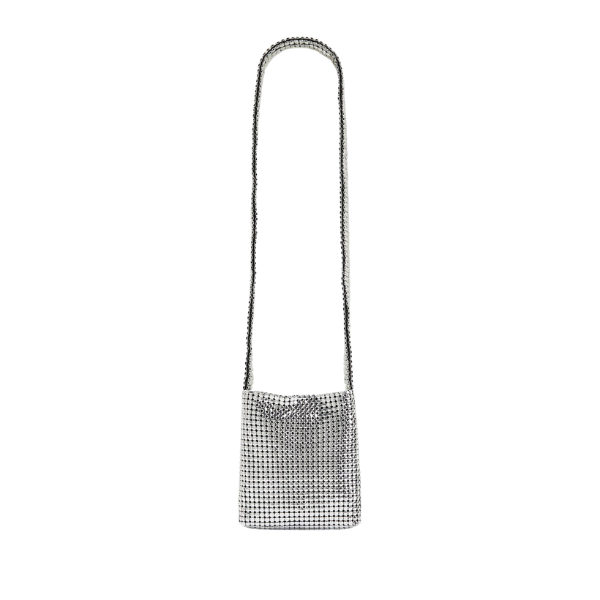
Beyond the visual appeal, there is a socio-economic driver behind the stainless steel surge: Sustainability. As we move toward a circular economy, consumers are increasingly wary of "disposable" furniture. Stainless steel is one of the most sustainable materials on the planet. It is highly durable, resistant to corrosion, and—most importantly—can be recycled indefinitely without losing its properties.
In 2026, the "conscious collector" is looking for pieces that will last 50 years, not five. A high-quality stainless steel sideboard or a heavy chrome lamp is an investment. These materials don't tarnish in the way lower-quality alloys do, and their "industrial" nature means they can withstand the rigors of a real, lived-in home.
Practical Ways to Ease into the Cool Metal Trend
You don’t need to renovate your entire home to embrace this shift. Here is how to transition your space at different commitment levels:
1. The Editorial Touch (Budget-Friendly)
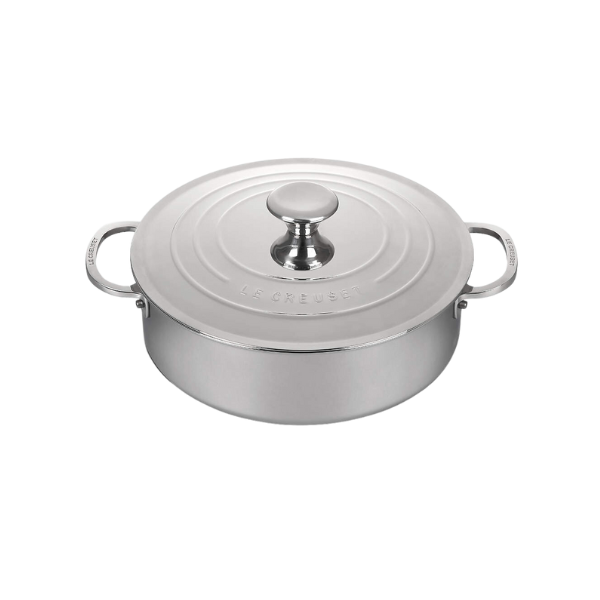
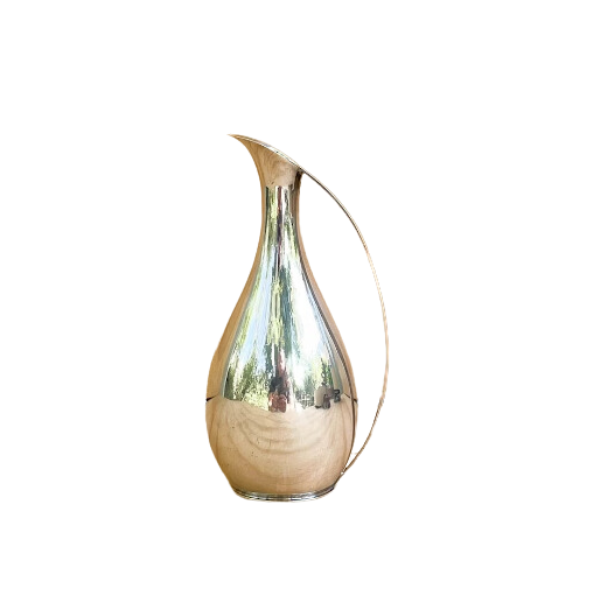
Start small with accessories. A brushed inox serving tray on a wooden coffee table or a set of sculptural chrome candle holders can instantly modernize your living room. Look for items with a "brushed" finish if you find high-polish chrome too intimidating—it’s more forgiving and diffuses light beautifully.
2. The Tubular Statement (Medium Commitment)
Integrate a piece of furniture that celebrates the "Chrome Renaissance." A classic Breuer-style chair or a simple side table with a chrome frame adds a hit of 1970s nostalgia that feels incredibly current.
3. The Aluminum Dream (The Big Move)
For those ready to fully commit, the "aluminum dream kitchen" is the ultimate 2026 statement. Swapping out traditional cabinetry for stainless steel fronts creates a sleek, monochromatic environment that is both professional-grade and visually stunning. To prevent it from feeling like a restaurant kitchen, use warm lighting (2700K bulbs) and incorporate open shelving with ceramics and plants.
FAQ
Q: Does stainless steel make a room look cold? A: Only if it is the only texture present. To avoid a "cold" look, balance the reflective metal surfaces with soft, matte materials like wool, wood, and stone. The goal is "Warm Futurism," not an operating room.
Q: Is chrome harder to maintain than brass? A: Actually, it’s often easier. High-quality chrome and stainless steel are resistant to tarnishing. While fingerprints can show on polished surfaces, a quick wipe with a microfiber cloth is usually all it takes to restore the shine. Brushed finishes are even more low-maintenance.
Q: If I have all-brass hardware now, do I have to change everything? A: Not at all. Use the 70/30 rule. Keep your brass hardware but introduce cool metals through lighting or freestanding furniture. The mix of tones will actually make your home look more "designed" and less like it was bought from a single catalog page.
Conclusion
The return of stainless steel and chrome isn't just a fleeting "micro-trend" spawned by social media; it is a fundamental shift in our design DNA. It represents a move toward durability, light-play, and a sophisticated industrialism that feels right for the mid-2020s.
By embracing "Warm Futurism" and mastering the art of mixing finishes, you can create a home that feels both nostalgic for the masters of Italian design and perfectly poised for the future. So, if you’ve been eyeing that vintage chrome lamp or considering a steel-clad kitchen island, take this as your sign: the silver age has officially arrived.