We’ve all been there—reaching into the dark, damp recesses under the kitchen sink, pushing aside a dusty bottle of glass cleaner to find a half-used jug of bleach from three summers ago. In our quest for a sustainable, cost-effective home, we often focus on the efficiency of our appliances or the insulation in our walls, but we rarely give a second thought to the chemical stability of the products we use to keep those spaces clean. We treat the cleaning cabinet like a time capsule, assuming that if a chemical was designed to kill germs in 2021, it’s still up for the task in 2025.
The reality, however, is far less convenient. A startling 2024 lab analysis revealed that 68% of stored household cleaners develop harmful chemical degradation byproducts within just six months of passing their expiration date. This isn't just about a liquid losing its "zest"; it's a matter of home safety and environmental health. When we use expired products, we aren't just cleaning less effectively—we might be introducing new risks into our living environments.
Do Cleaning Products Actually Expire?
The short answer is a definitive yes. While they don't spoil and smell like a carton of milk, cleaning products have a strictly defined functional lifespan. Most common household disinfectants and bleach solutions lose their primary efficacy within 6 to 12 months of manufacture. General multi-surface cleaners are slightly more resilient, typically remaining stable for up to 2 years before their preservatives and active surfactants begin to break down.
If you are looking for the most stable, long-term solution for home hygiene, dry formats are the clear winners. Modern eco-friendly detergent sheets and dry cleaning tablets maintain approximately 98% of their potency for over 36 months, significantly outlasting traditional liquid cleaners which are prone to evaporation and chemical separation.
The 2025 Shelf-Life Cheat Sheet: When to Toss Your Supplies
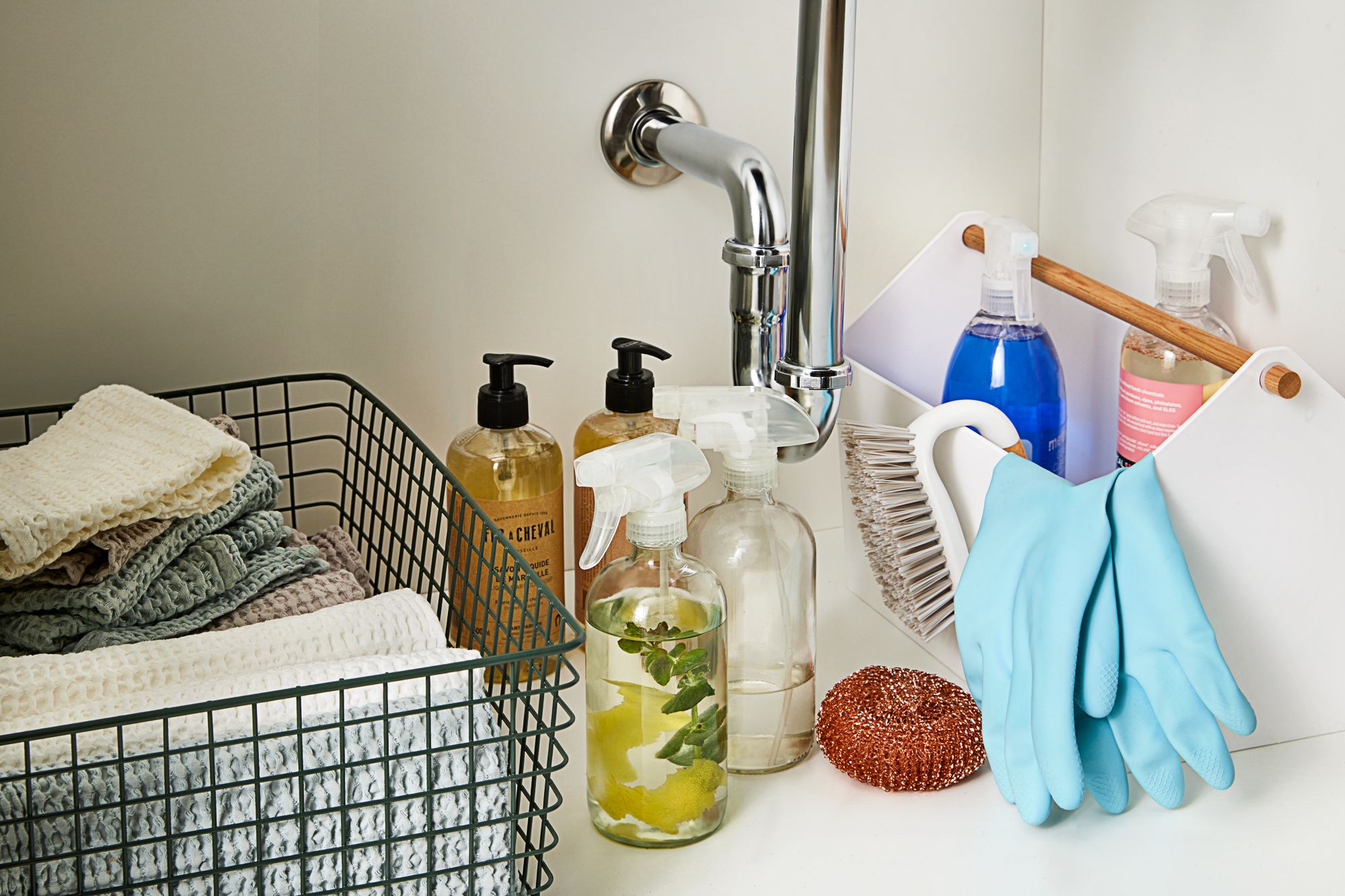
To manage a sustainable home, you need to know exactly how long your "arsenal" lasts. Use the following quick-reference table to audit your cleaning cabinet. Note that "Opened" refers to the moment the seal is broken, exposing the formula to oxygen and ambient bacteria.
| Product Category | Shelf Life (Unopened) | Shelf Life (Opened) | Primary Risk After Expiry |
|---|---|---|---|
| Chlorine Bleach | 12 Months | 6 Months | Loss of germ-killing power; gas release |
| Disinfectant Sprays | 2 Years | 12 Months | Failure to kill 99.9% of pathogens |
| Enzymatic Cleaners | 2 Years | 6–12 Months | 90% efficacy loss; foul odors |
| Multi-Surface Sprays | 2 Years | 2 Years | Streaking; preservative failure |
| Liquid Laundry Detergent | 18 Months | 6–12 Months | Poor stain removal; bacterial growth |
| Detergent Sheets | 3+ Years | 3+ Years | Minimal degradation; high stability |
| Dish Soap | 18 Months | 12 Months | Watery consistency; loss of suds |
The Sensitivity of Enzymatic Cleaners
As an editor focused on sustainable materials, I often recommend enzymatic cleaners for their biodegradable properties and ability to break down organic stains without harsh toxins. However, they are the "divas" of the cleaning world. Because they rely on live-acting enzymes, they are incredibly sensitive to age. Once they exceed their 18-24 month shelf life, they can lose up to 90% of their cleaning efficacy, essentially becoming expensive, scented water.
5 Warning Signs of Dangerous Degradation
You don’t always need a lab to tell you a product has gone south. Use your senses to identify when a bottle has transitioned from a helper to a hazard.
1. Drastic Scent Changes Fragrances are often the first components to break down. If your lemon-scented cleaner suddenly smells acrid, metallic, or sour, the chemical bonds holding the formula together have likely fractured.
2. Visual Separation or "Clouding" If you see distinct layers in a liquid (polymer separation) or if a once-clear solution has become cloudy or "chunky," the surfactants are no longer emulsified. Shaking the bottle won't fix this; the chemistry is fundamentally altered.
3. pH Shifts and Surface Damage As cleaners age, their pH levels can drift. A neutral floor cleaner can become slightly acidic or overly alkaline over years of storage. This shift can lead to the accidental stripping of finishes on hardwood or the etching of natural stone like marble.
4. Biological Contamination This is particularly common in disinfecting wipes. If the preservatives fail, the moisture inside the container can become a breeding ground for mold or bacteria. If you see black spots on a wipe or a "slimy" film on the liquid, dispose of it immediately.
5. Package Deformation (The "Bloated" Bottle) If a plastic bottle is bulging or looks pressurized, it is a major red flag. This indicates that the chemicals inside are off-gassing—often releasing oxygen or, in the case of degraded bleach, trace amounts of chlorine gas.
The Hidden Health Risks: Beyond Just "Not Working"
The most significant risk of using expired cleaning products isn't that your counters stay a little dirty—it's the false sense of security they provide. During flu season or when handling raw poultry in the kitchen, we rely on disinfectants to create a sterile environment.
When a disinfectant is past its prime, it may only kill 50% of bacteria instead of the promised 99.9%. This "partial kill" can actually contribute to the development of more resilient bacterial strains in your home. Furthermore, the 2024 data mentioned earlier highlights that degradation byproducts can cause respiratory irritation or skin sensitivity that wasn't present when the product was fresh.
Specifically, as sodium hypochlorite (the active ingredient in bleach) degrades, it breaks down into salt and water, but the process can release small amounts of chlorine gas if the stabilization additives have failed. While rarely lethal in small household quantities, it can certainly trigger asthma or exacerbate indoor air quality issues.
Why Detergent Sheets are the Long-Term Winner for Home Safety
From a sustainability and safety perspective, the move toward "dry" cleaning technology—specifically detergent sheets—is one of the most significant shifts in the last decade. Here is why they are superior for the modern, safety-conscious homeowner:
- Stability Without Preservatives: Liquid detergents are mostly water. To keep that water from growing mold, manufacturers must add heavy preservatives. Detergent sheets are dry, meaning they are naturally inhospitable to microbial growth and don't require the same volatile stabilizing chemicals.
- Unmatched Potency Longevity: Because the active ingredients are "locked" into a solid resin or cellulose base, they don't suffer from the same evaporation or oxidation as liquids. Tests show they maintain 98% potency for over three years, making them the ultimate "emergency prep" or bulk-buy item.
- No Package Degradation: You won't find a "bloated" box of detergent sheets. They don't off-gas, and they don't leak, preventing the common "chemical soup" that often forms at the bottom of cleaning cabinets.
Sustainable Disposal: How to Get Rid of "Toxic Time Bombs"
If your audit reveals a graveyard of expired chemicals, don't just dump them down the drain. This is an environmental disaster waiting to happen. It is estimated that one gallon of concentrated cleaning chemicals can contaminate up to 2000 liters of groundwater if processed improperly.
- Neutralize Bleach: If you have old liquid bleach, it can often be neutralized with sodium bisulfite before disposal, but this is best left to those comfortable with basic chemistry.
- The "Dilution" Fallacy: Never pour concentrated expired cleaners down the sink all at once. If your local municipality allows drain disposal, do it one product at a time with copious amounts of running water, and never mix products (e.g., ammonia-based cleaners and bleach) in the drain.
- Hazardous Waste Collection: The most sustainable choice is to wait for a local Household Hazardous Waste (HHW) collection day. These facilities can safely incinerate or neutralize chemicals without harming the local ecosystem.
Storage Best Practices for Maximum Longevity
To ensure your new products last as long as possible, follow the "CDD" Rule:
- Cool: Heat accelerates chemical reactions. Avoid storing cleaners in laundry rooms that get hot from the dryer or under sinks next to the dishwasher.
- Dry: Humidity can compromise cardboard packaging and cause dry tablets to crumble.
- Dark: UV light is the enemy of bleach and many organic cleaners. Keep products in opaque containers inside closed cabinets.
FAQ
Q: Can I use expired laundry detergent?
A: Yes, it is generally safe for your clothes, but it won't be nearly as effective at removing stains or odors. If it has clumped or smells sour, it’s best to use it for rags or floor mopping rather than your favorite linens.
Q: Is expired bleach toxic?
A: It is actually less toxic in terms of its "killing" power because it turns into salt water over time. However, the degradation process can release irritating gases, and the plastic bottle itself can become brittle and leak, creating a different kind of hazard.
Q: How do I find the expiration date if it’s not printed?
A: Many manufacturers use a "Julian Date" or a batch code (e.g., 23045). This usually means the 45th day of 2023. If you can't find a clear date, write the date of purchase on the bottle with a permanent marker.
Take Action Today
The safety of your home is built on the small details. This weekend, take 15 minutes to audit your cleaning supplies. Check for scent changes, separation, and those all-important dates. By clearing out the "toxic time bombs" and switching to stable, dry alternatives like detergent sheets, you aren't just saving space—you're ensuring that when you clean your home, you're actually making it safer.