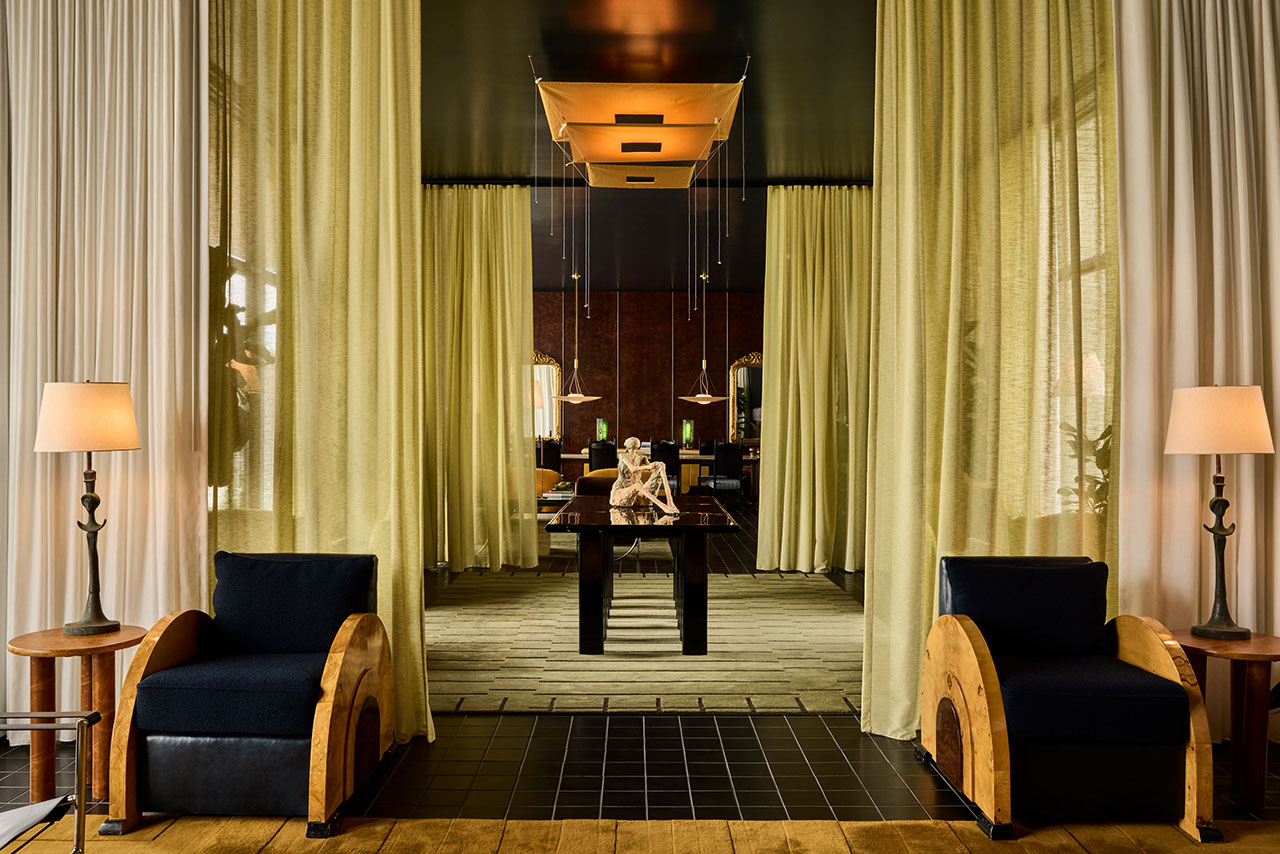
In the leafy, quiet streets of Houston’s Montrose neighborhood, a new architectural dialogue has begun. It is a conversation between the legacy of the Menil Collection—arguably one of the most significant cultural campuses in the United States—and a new hospitality landmark that feels less like a hotel and more like a refined extension of a private collector’s estate. Hotel Saint Augustine, the latest masterpiece from the renowned architectural firm Lake Flato, has officially redefined what an urban sanctuary can be in the heart of Texas. By shunning the traditional high-rise model in favor of a low-density, five-building "village" concept, the property offers a masterclass in residential-scale hospitality that respects its historic surroundings while pushing the boundaries of modern boutique design.
The Cultural Renaissance of Montrose
For decades, Montrose has served as Houston's bohemian heart, a place where oak-shaded streets hide world-class art and radical history. The arrival of Hotel Saint Augustine marks a pivotal moment in this neighborhood's evolution. Located just steps from the Menil Drawing Institute and the Rothko Chapel, the hotel acts as a bridge between the high-art serenity of the museum district and the vibrant, lived-in texture of the local community.
Hotel Saint Augustine in Houston was designed by Lake Flato as a cluster of five two-story buildings, creating a cloistered urban retreat with residential-scale architecture. This intentional choice ensures the hotel never imposes itself on the skyline but instead invites the visitor into a series of intimate, interconnected spaces that prioritize human scale over grandiosity.
Architecture: A Five-Building Village Concept by Lake Flato
When Lake Flato approached the site, the mission was clear: create a space that complements the nearby Menil campus without mimicking it. The result is a brilliant architectural master plan that integrates 5 separate two-story structures connected by open-air bridges and pathways to maintain a low-density, residential feel. This "village" approach allows light to permeate the grounds and encourages a natural flow of air—a rare luxury in Houston’s climate.
The materiality of the buildings is a subtle nod to the neighborhood’s aesthetic DNA. The use of "Menil Gray" brickwork provides a sophisticated, muted backdrop, while combed-wood siding and raked mortar joints add a tactile, hand-crafted quality to the facades. This isn't the slick, glass-and-steel architecture of downtown; it is grounded, earthy, and permanent.
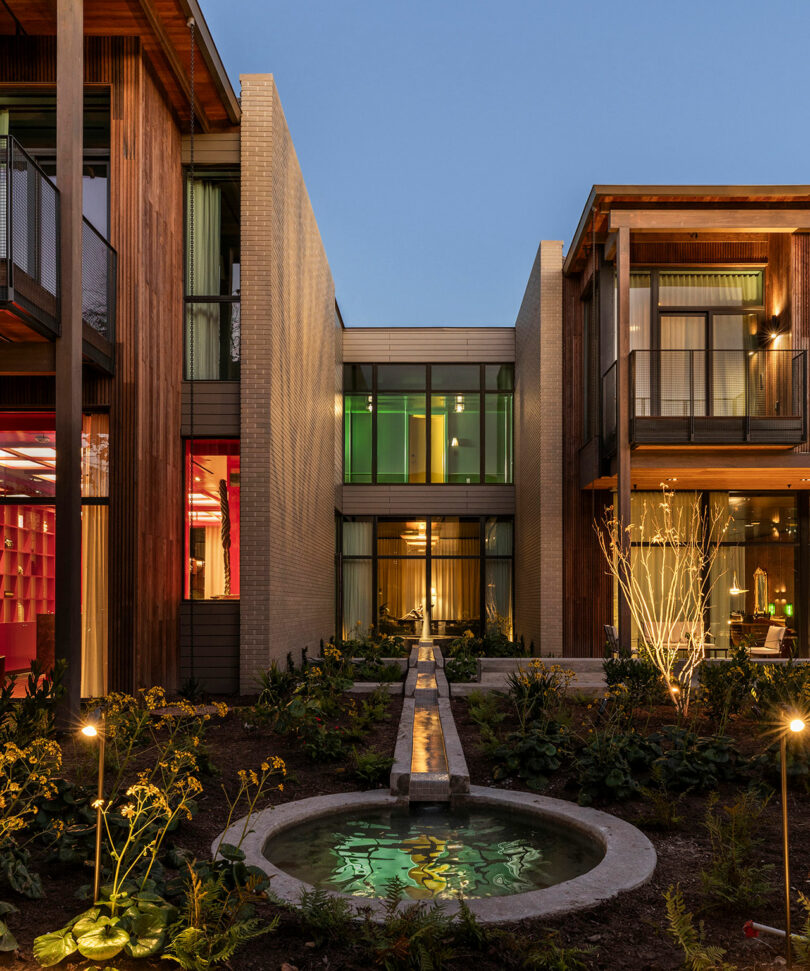
The landscape design, a collaboration with Ten Eyck Landscape Architects and John Fairey Garden, is just as integral as the structures themselves. Rain gardens and lush courtyards act as "outdoor rooms," filled with native plantings that will only grow more enchanting as they mature. Walking through the property feels like navigating a secret garden, where the boundaries between the indoors and the landscape are intentionally blurred.
Interior Design: The Collector’s Home Aesthetic
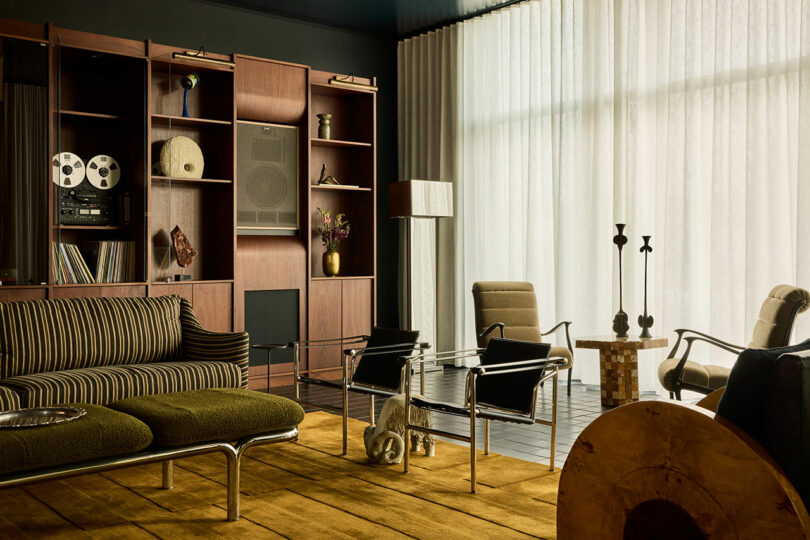
If Lake Flato provided the "bones" of the sanctuary, the New York-based firm Post Company, in collaboration with Bunkhouse Hotels, provided the soul. The interior design of Hotel Saint Augustine is a departure from standard hospitality tropes, favoring a "Collector’s Home" aesthetic that feels curated over time rather than decorated in a day.
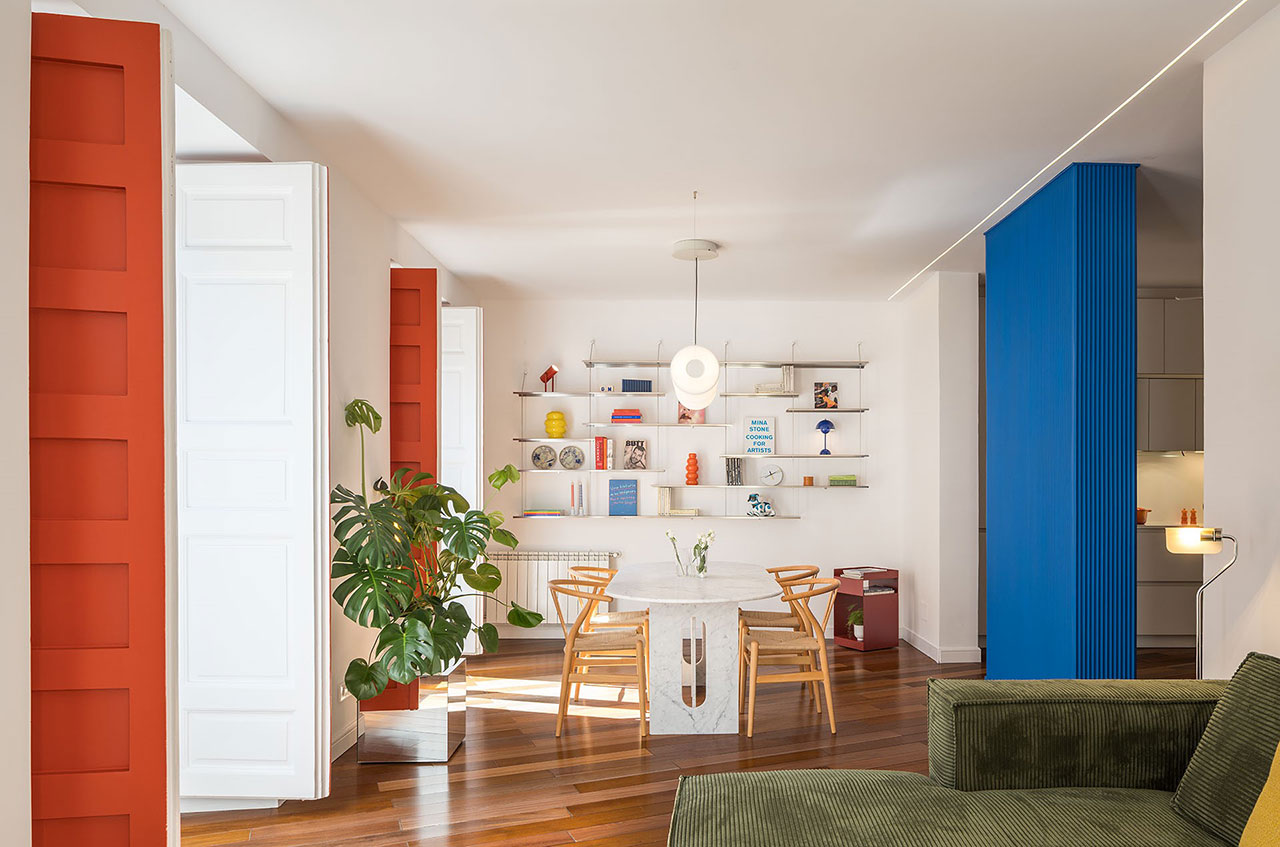
The design philosophy here is rooted in the "Intermixing of Old and New." You won’t find generic "hotel art" on the walls; instead, the hotel embraces a "no art on walls" philosophy where the furniture itself acts as the primary visual interest. It is a bold move that places the focus on the silhouette of a mid-century modern chair, the grain of a burl walnut table, or the drape of sheer floor-to-ceiling linen curtains.
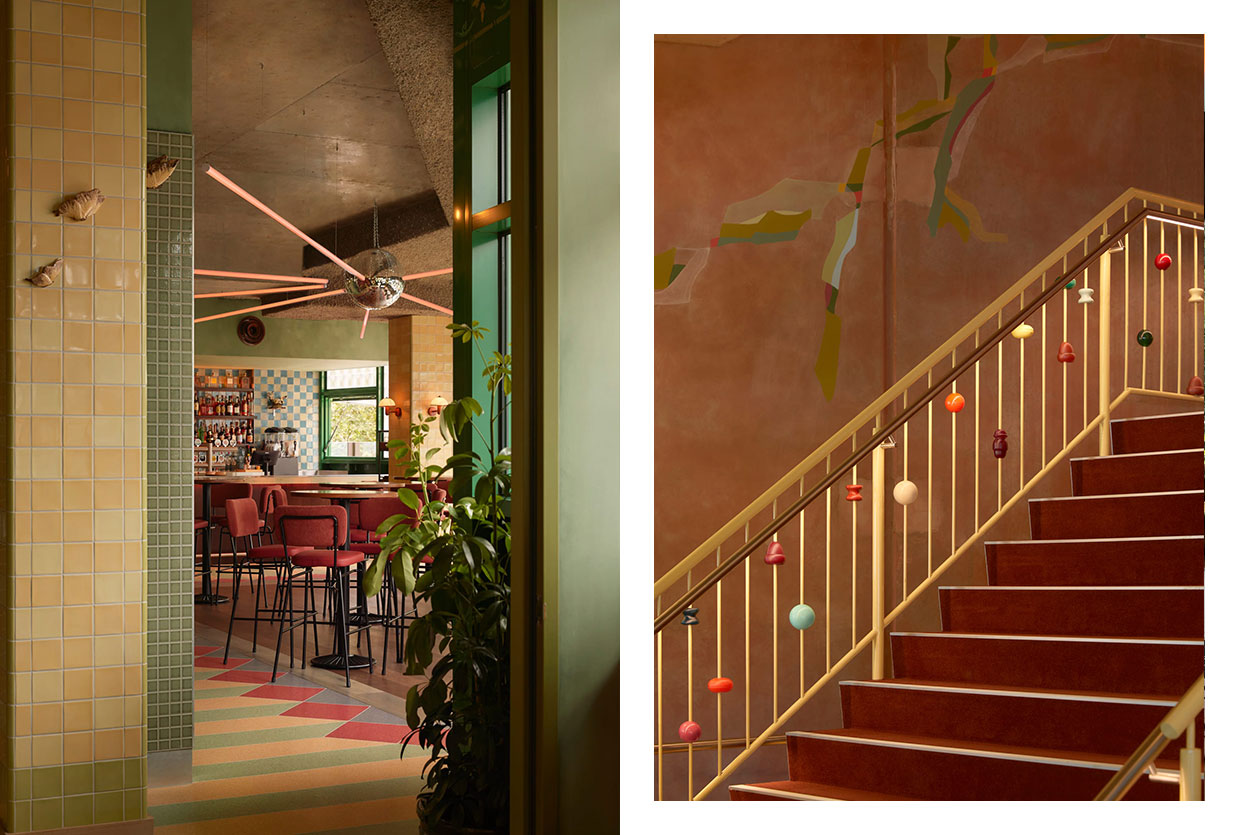
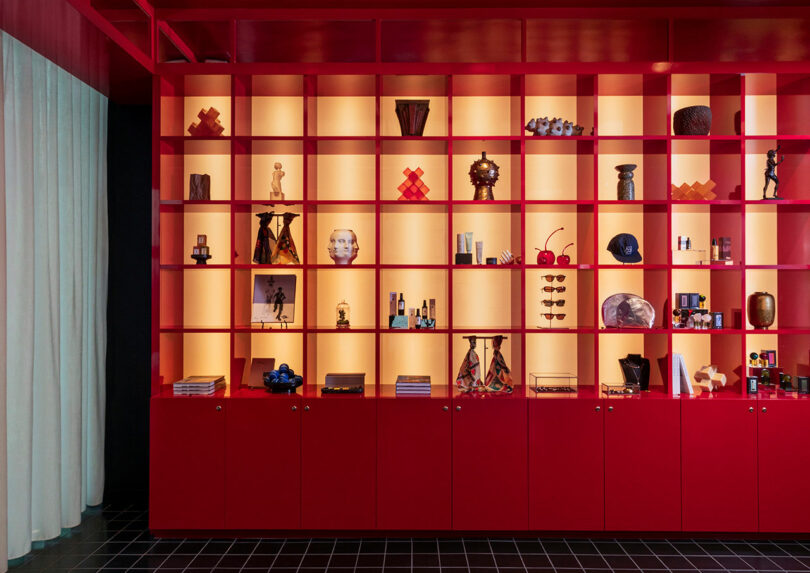
One of the most striking visual anchors is the reception area, where bold, red lacquered shelving creates a vibrant contrast against the more muted tones of the building. This pop of surrealism is balanced by ebonized wood oak flooring and moments of intense luxury, such as the use of Calacatta Viola marble in common spaces.
Editor’s Note: "The design team has managed to make a new-build hotel feel like a historic residence. The secret lies in the 'slow' textures—the way light hits the raked mortar or the weight of the custom-forged hardware. It's a tactile experience that rewards the observant guest." — Ivy Chen
Accommodations: From Petite Queens to Expansive Ateliers
The property consists of 71 distinct guest accommodations, ranging from 200-square-foot Petite Queen rooms to expansive Ateliers with private outdoor spaces. Each room is treated as a unique composition, utilizing four primary color palettes:
- Monochromatic Blues: Deep, soothing tones perfect for the Houston heat.
- Rich Sage: A soft, botanical green that connects to the courtyard views.
- Mustard & Earth: Warm, mid-century-inspired hues that feel grounded.
- Deep Reds: Dramatic and intimate, ideal for the smaller suites.
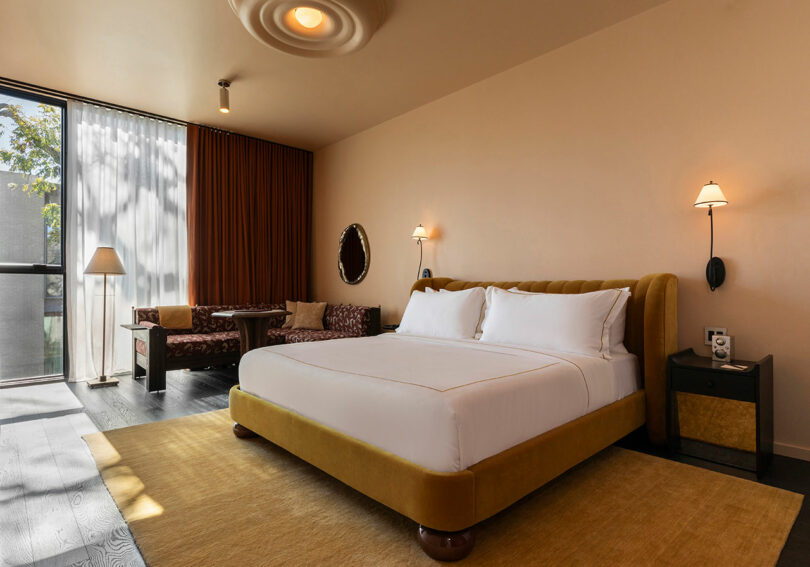
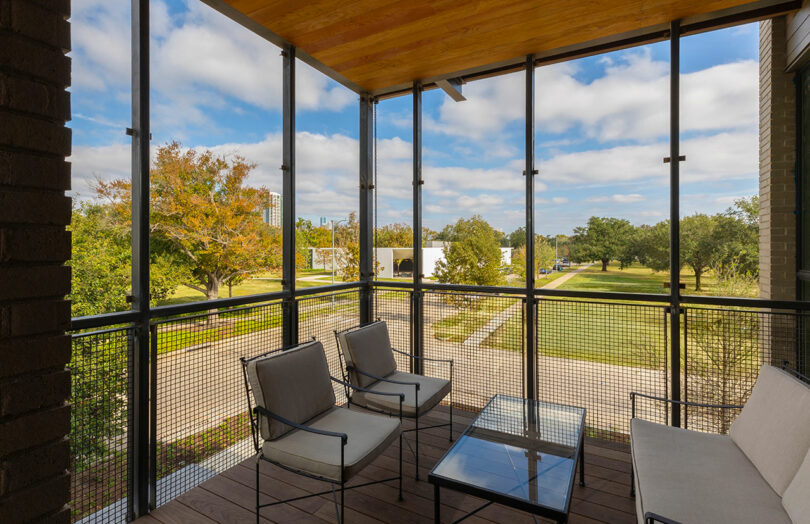
The attention to detail in the rooms is exceptional. Guests will find custom Bunkhouse kimo robes, Klur bath products, and marble-tiled bathrooms that feel like private spas. The "Atelier" suites, in particular, offer a level of privacy rarely found in urban hotels, featuring screened-in balconies that allow you to enjoy the evening air without sacrificing seclusion.
| Room Category | Avg. Square Footage | Key Features |
|---|---|---|
| Petite Queen | 200 sq. ft. | Efficiency with high-end finishes, ideal for solo travelers. |
| Studio Suite | 450 sq. ft. | Integrated sitting areas and custom mid-century furnishings. |
| Atelier | 650+ sq. ft. | Private outdoor space, primary suite layout, and curated libraries. |
Dining and Social Hubs: Perseid and Bar Bludorn
No Bunkhouse property is complete without a vibrant social heart, and Hotel Saint Augustine delivers through a high-profile culinary partnership. Located near the Menil Drawing Institute, the hotel offers 71 suites, the French-inspired bistro Perseid, and the Michelin Guide-recommended Bar Bludorn.
Perseid, the on-site bistro led by acclaimed Chef Aaron Bludorn, serves as the hotel’s culinary anchor. The menu is a sophisticated blend of French technique and Gulf Coast ingredients, served in a space that feels like a modern Parisian brasserie transported to a Texas garden.
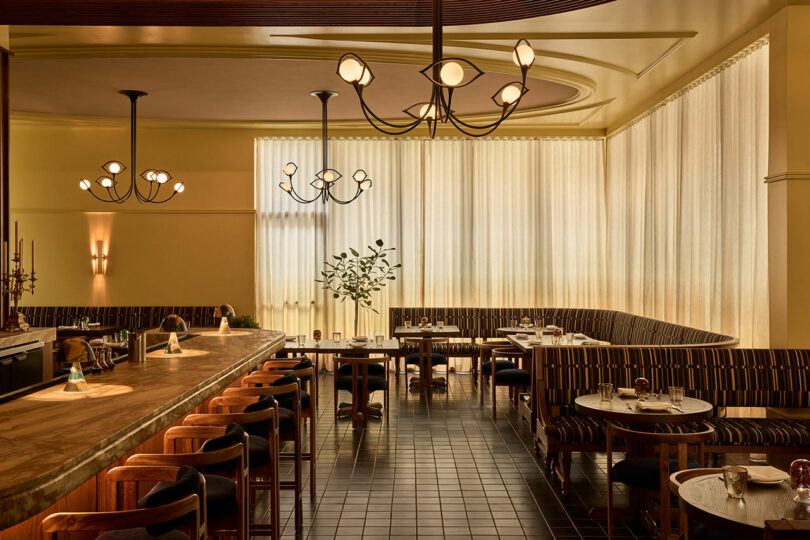
Adjacent to the bistro is the Augustine Lounge & Listening Room, which features a "Drop the Needle" vinyl series. This space is designed to feel like a living room, encouraging guests to linger over a cocktail while listening to a curated selection of records that reflect Houston's eclectic musical heritage.
The Neighborhood: A Walkable Retreat on Museum Row
Perhaps the greatest luxury of Hotel Saint Augustine is its location. In a city often defined by its car culture, this hotel offers a rare "no car needed" experience. You are within a five-minute walk of:
- The Menil Collection: A world-class museum housed in a Renzo Piano-designed building.
- Rothko Chapel: A non-denominational meditative space and a landmark of modern art.
- The Pit Room: For those craving authentic Texas BBQ.
- Candente: Elevated Tex-Mex that is a local favorite.
The hotel’s architecture reinforces this connection to the neighborhood. The screened balconies and lush landscape views reinforce the hotel's role as a secluded escape within the bustling Montrose district, providing a sense of place that is both specific and timeless.
FAQ
Q: Is Hotel Saint Augustine pet-friendly? A: Yes, in keeping with the Bunkhouse Hotels philosophy, the property is pet-friendly. They offer special amenities for four-legged guests, though it is always recommended to call ahead for specific room availability.
Q: Can non-guests visit Perseid and Bar Bludorn? A: Absolutely. Both dining venues are designed to be community hubs for Houston locals as well as hotel guests. Reservations are highly recommended, especially for Bar Bludorn.
Q: What makes Lake Flato’s design for this hotel unique? A: Unlike most urban hotels that build "up," Lake Flato built "out." By creating five separate structures, they maintained a residential scale that respects the historic architecture of Montrose and creates a series of private courtyards for a true "sanctuary" feel.
Final Thoughts from Ivy Chen
Hotel Saint Augustine isn't just a place to sleep; it’s a study in how hospitality can honor the heritage of a neighborhood while offering something entirely fresh. For the design-conscious traveler, it provides a rare opportunity to live inside a Lake Flato-designed village, surrounded by some of the world's most significant art. It is, quite simply, the new standard for the Houston urban sanctuary hotel.