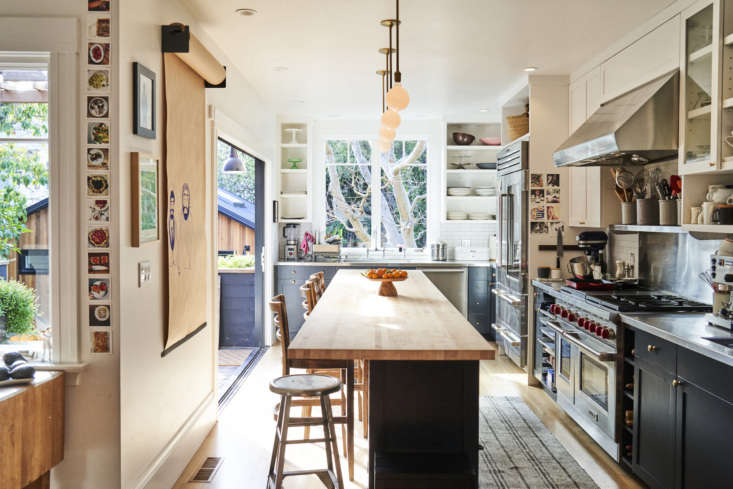
Imagine entering your kitchen not to a sense of impending chaos or the frantic search for a misplaced whisk, but to a space that feels like a choreographed performance. In the world of high-end home organization, we are moving away from the "tidy kitchen" and toward the "high-performance kitchen." This shift isn't just about aesthetics; it’s about engineering an environment that supports your culinary flow. Professional chefs have long understood that efficiency is the result of rigorous systems: grouping similar items by function, utilizing clear labeled containers for instant inventory, and maximizing vertical space with industrial speed racks.
To truly master your kitchen is to treat it as a professional workshop. This guide bridges the gap between the high-pressure environment of a Michelin-starred restaurant and the daily realities of a modern home. By implementing the ergonomic secrets of the pros and looking ahead to the modular trends of 2026, you can transform your kitchen into a space that reduces friction and elevates your daily routines.
1. Professional Ergonomics: The Chef’s Foundation
In a high-performance kitchen, the layout is dictated by the movement of the body. Most standard kitchens are built to a "one-size-fits-all" specification that often ignores the physical reality of long prep sessions. To optimize your space, we must look at the ergonomic blueprint.
The "+1 Inch" Rule Standard counter heights typically hover around 36 inches. However, many professional chefs and designers are now advocating for a slight adjustment. Adding just one inch to your counter height—taking it to 37 inches—can significantly reduce the micro-tensions in your lower back caused by leaning over a prep station. This subtle shift allows for a more upright posture, keeping you comfortable even through the most demanding holiday meal prep.
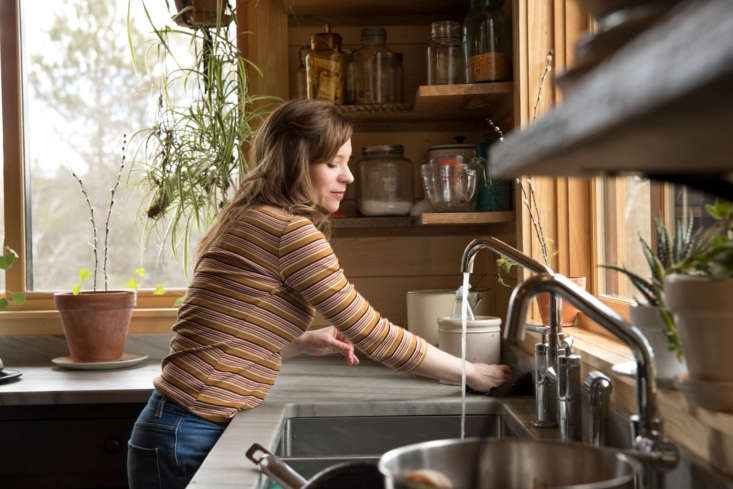
The Deep Sink Advantage Efficiency in the kitchen is often stymied by the cleanup process. Standard sinks are frequently too shallow for the heavy-duty cookware used in high-performance cooking. The professional solution is the "extra-deep" or triple-basin sink. These are designed to accommodate large stockpots, baking sheets, and cast-iron skillets that simply don't fit in a standard dishwasher or a shallow basin. By having the depth to soak large items while maintaining a separate basin for rinsing, you keep your prep zones clear and your workflow uninterrupted.
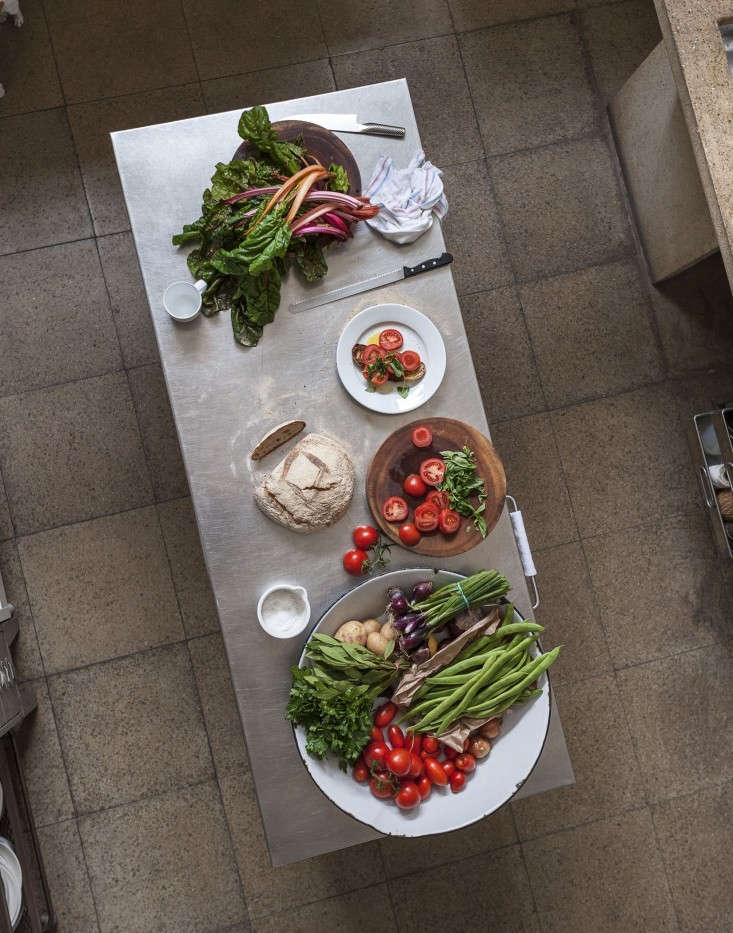
Stainless Steel Dominance Looking toward 2026, we are seeing a significant shift in material preference. Projections indicate that 75% of high-performance kitchen remodels will prioritize stainless steel worktops. Why the resurgence? Beyond the "chef's kitchen" aesthetic, stainless steel is unparalleled in its anti-microbial properties and durability. It is heat-resistant, non-porous, and can be scrubbed down with industrial efficiency, making it the gold standard for those who take food safety and maintenance seriously.
2. Professional Sorting: Grouping and Labeling like a Pro
If you watch a chef in a professional kitchen, they rarely "look" for anything. Their hands move instinctively toward the tool they need. This is the result of a "like-with-like" sorting philosophy that eliminates the cognitive load of searching.
The 'Like-with-Like' Principle The first step in any organization system is categorization. In the kitchen, this means grouping items not just by what they are, but by how they are used. All "hot" tools (tongs, spatulas, stirrers) should live near the range. All "prep" tools (peelers, graters, mandolines) should be centered near the cutting board. Many professionals take this a step further, organizing even by material. Keeping wooden spoons separate from metal ones allows the brain to identify the correct tool by texture and shape before the eyes even register it.

Visual Clarity and Labeling The "out of sight, out of mind" trap is the primary cause of kitchen clutter and food waste. When ingredients are hidden in opaque packaging, you end up buying doubles or letting items expire. The professional fix is a transition to clear, stackable containers. Whether it’s flour, grains, or snacks, seeing the volume of your inventory at a glance is a game-changer.
However, visual clarity isn't enough; you need a labeling system that is functional rather than just decorative. Move beyond "pretty" labels and embrace the "date and identify" method used in restaurants. Using clear bins and chalk markers allows you to update contents and expiration dates easily, ensuring that your pantry remains a living, breathing system rather than a static display.
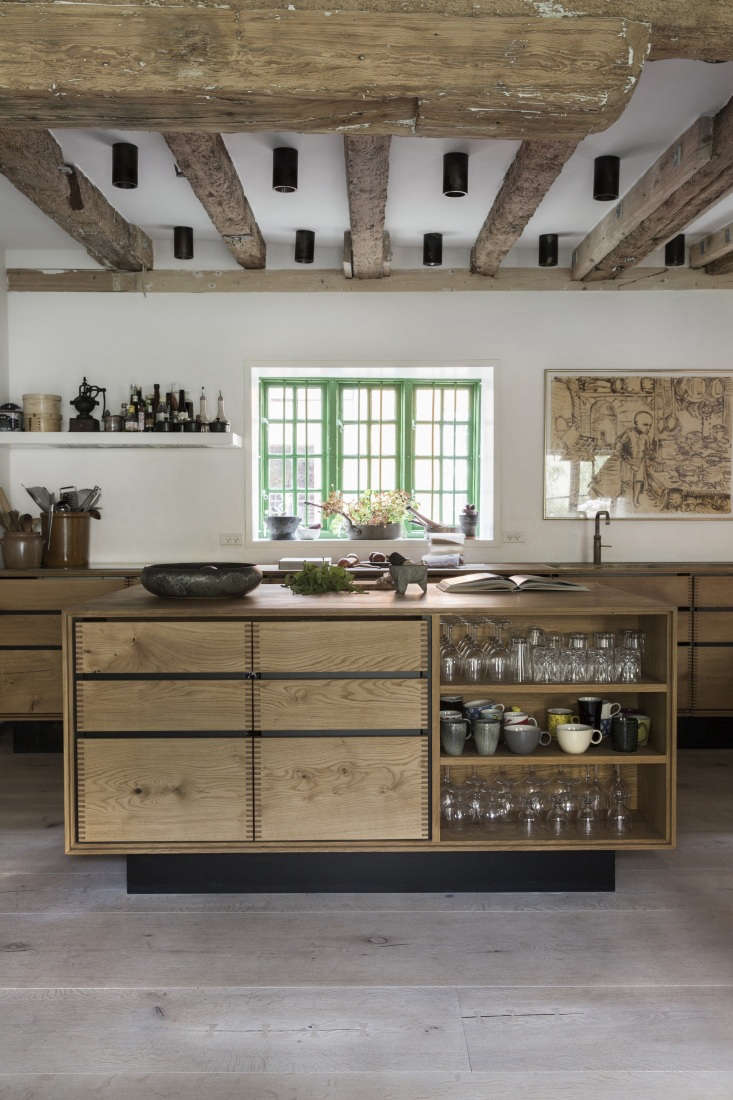
Pro-Tip: When decanting into clear containers, clip the cooking instructions or "best by" date from the original packaging and tape it to the back or bottom of the container. This maintains the clean aesthetic without losing vital information.
3. 2026 Trend Forecast: The Modular Pantry Revolution
As we look toward 2026, the kitchen is becoming more modular and adaptive. The "static cabinet" is being replaced by dynamic systems that bring the contents to the user. This evolution is driven by a need for speed and the desire to minimize the "back-of-cabinet" graveyard where ingredients go to die.
'Grab-and-Go' Modular Zones The modern family kitchen now functions as a multi-use hub. We are seeing a rise in "modular zones"—dedicated areas within the pantry for specific times of day. A "Breakfast Zone" might house the toaster, coffee beans, and oats, while a "Snack Zone" is positioned at eye-level for children. By creating these micro-environments, you reduce traffic in the main prep area and streamline your morning and evening routines.
Pull-Out Accessibility The single biggest trend for 2026 is the universal adoption of pull-out shelving. Fixed shelves are increasingly seen as an ergonomic failure. Pull-out drawers allow you to access the very back of a deep cabinet without kneeling or removing items in the front.
Statistic: Implementing modular pantry systems and pull-out shelving is estimated to reduce food prep time by up to 20% by minimizing the time spent searching for ingredients and rearranging cabinets.
| Feature | Standard Kitchen | High-Performance Kitchen (2026) |
|---|---|---|
| Counter Height | 36 Inches (Standard) | 37 Inches (Ergonomic) |
| Storage Style | Fixed Shelving | Pull-out Modular Drawers |
| Surface Material | Laminate or Stone | Stainless Steel (Anti-microbial) |
| Visibility | Opaque Packaging | Clear, Labeled Decanting |
| Efficiency | High "Search Time" | Low "Search Time" (20% faster) |
4. Micro-Organization: Drawers and Spices
Once the large-scale systems are in place, the high-performance kitchen wins or loses in the "micro-zones"—the drawers and spice racks that hold the smallest, most frequently used items.
The Drawer Zone Method Treat your drawers as specialized toolkits. Instead of one large "junk drawer" or a tangled mess of utensils, use customizable inserts to create dedicated slots for every item. In a high-performance setup, the drawer closest to the prep station should contain only the most essential tools used in 80% of your cooking.
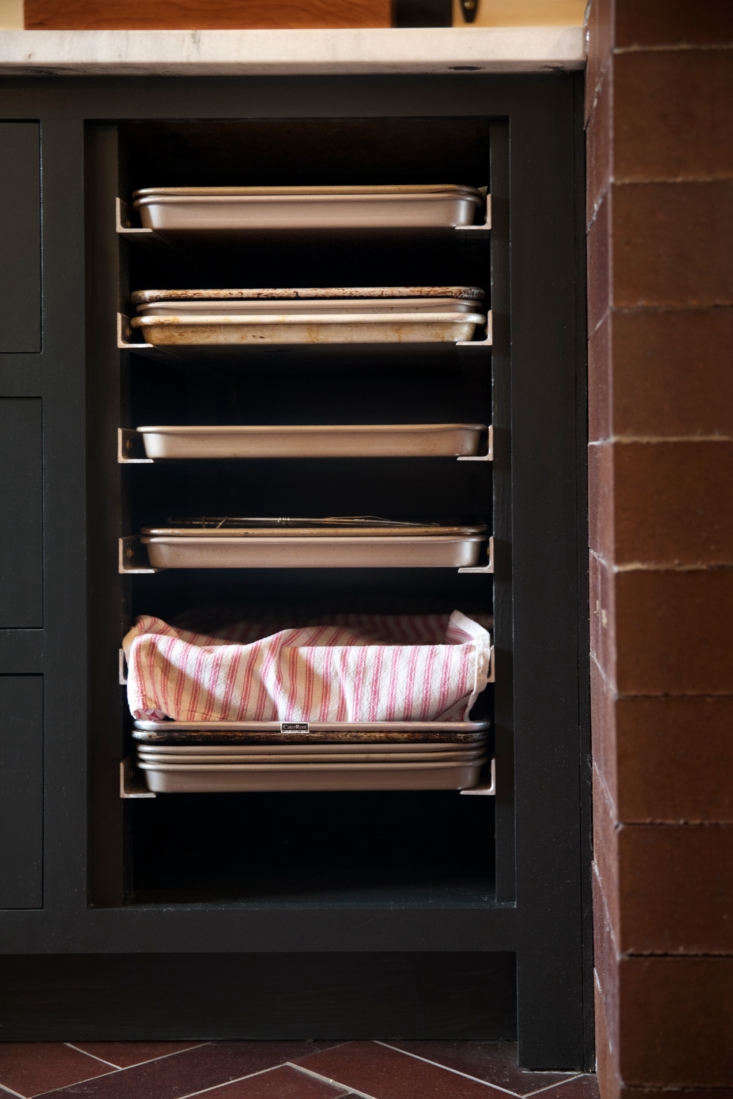
The Speed Rack Secret In a commercial kitchen, a "speed rack" is a vertical rolling rack that holds dozens of sheet pans. In a home kitchen, we can borrow this concept by installing vertical dividers in lower cabinets. Instead of stacking your baking sheets and cooling racks—which requires unstacking them every time—store them vertically. This allows you to slide one out without disturbing the others, maximizing vertical space and protecting your pans from scratches.
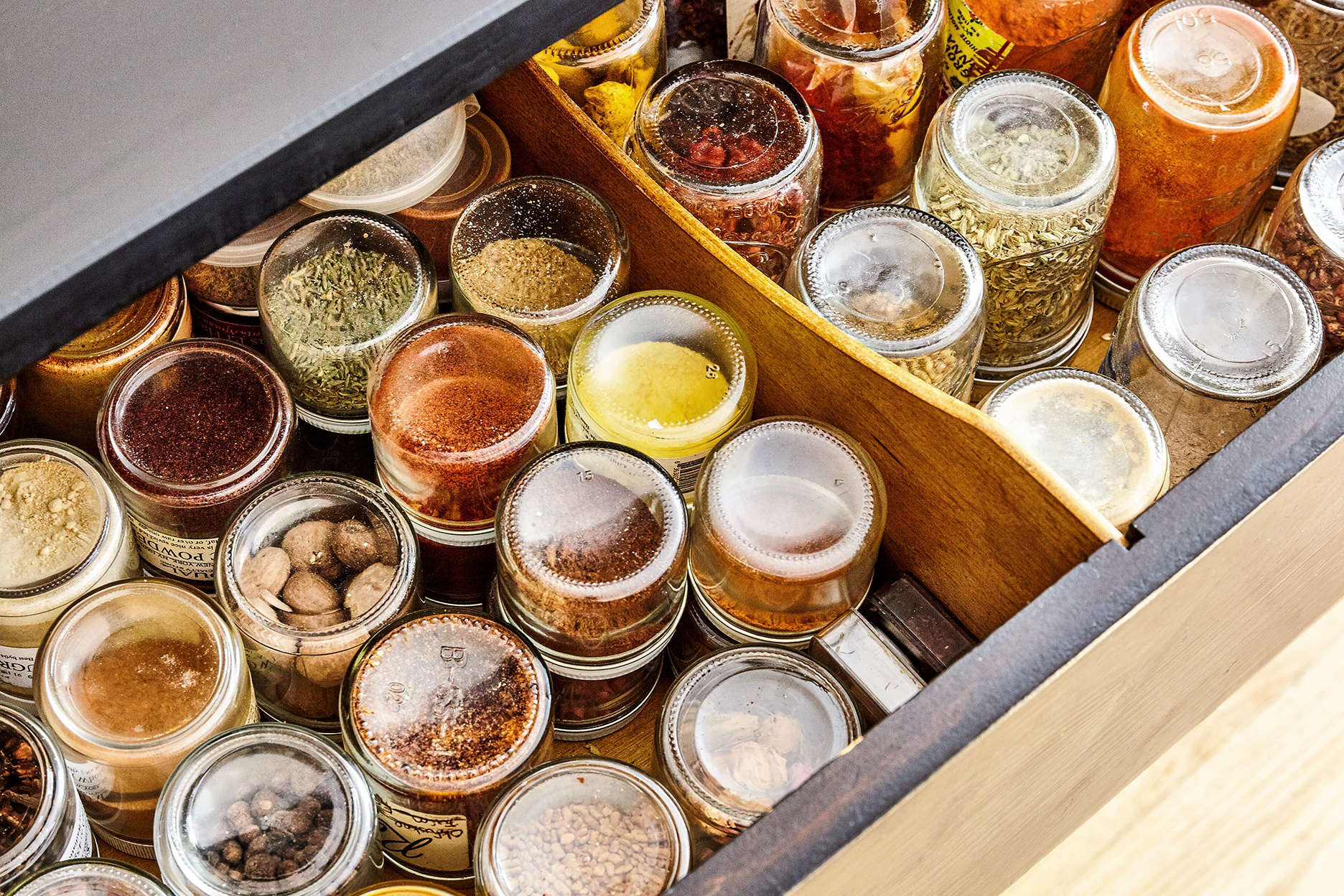
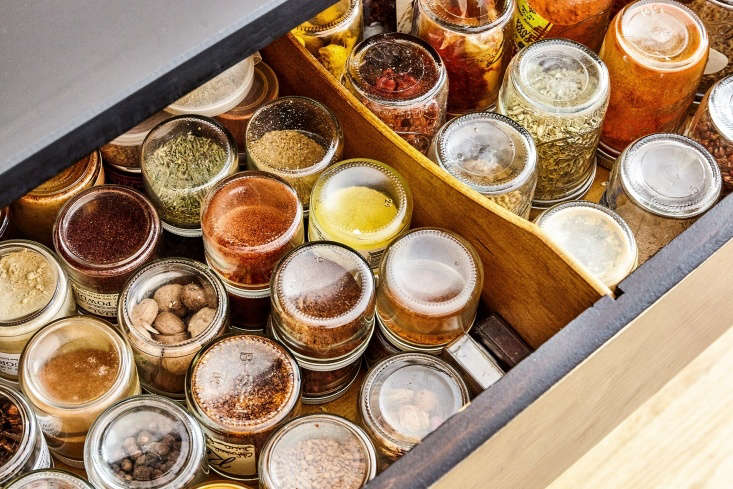
The Spice Strategy Spices are the most common source of kitchen friction. To optimize, you must prioritize visibility over density. While many prefer magnetic wall displays, a professional-grade alternative is the tiered rotating rack or storing spices in a drawer with the labels facing up. Some chefs even opt for a low-tech, high-visibility method: storing spices upside-down or on their sides with clear lids, allowing the color and texture of the spice to act as the label.
5. Maintenance: Sustaining the System
The most sophisticated organization system in the world will fail without a maintenance routine. Professional kitchens operate on a "reset" mentality—the kitchen is not "done" until it is returned to its baseline state.
- The 5-Minute Weekly Reset: Every Sunday, spend five minutes auditing your pantry and fridge. Toss expired items, wipe down surfaces, and pull items from the back to the front. This prevents the "clutter creep" that eventually overwhelms your systems.
- Invest in High-Touch Items First: If your budget is limited, don't try to organize the whole kitchen at once. Start with the "high-touch" items—the tools and ingredients you use every single day. Invest in high-quality clear bins for your daily grains or a premium drawer organizer for your primary utensils.
- The "One-In, One-Out" Rule: To maintain a high-performance space, you must be a ruthless editor. For every new gadget or specialty ingredient you bring in, something that hasn't been used in six months must go.
FAQ
How do I start organizing a kitchen that is already cluttered? Start by clearing your counters completely. A high-performance kitchen requires "landing zones"—empty spaces for prep and staging. Once the counters are clear, tackle one "zone" at a time (e.g., the spice drawer or the under-sink area) rather than trying to reorganize the entire room in one day.
Is stainless steel hard to keep clean in a home kitchen? While stainless steel does show fingerprints, it is actually easier to sanitize than stone or laminate. A simple microfiber cloth and a dedicated stainless steel cleaner are all you need. In a high-performance kitchen, the focus is on hygiene and durability rather than a "pristine" look.
What is the best way to organize a small pantry? Focus on verticality. Use shelf risers to double your storage space and install over-the-door racks for smaller items like spices or jars. The "Grab-and-Go" modular bins are especially effective in small spaces because they allow you to pull out a whole category (like "baking supplies") at once.
Conclusion
Mastering kitchen organization is an ongoing process of refinement. By adopting the ergonomic standards of professionals—like the +1 inch rule and deep-basin sinks—and anticipating the modular trends of 2026, you move beyond mere tidiness into the realm of true performance.
Your kitchen should be an asset, not a hurdle. When every tool has a home, every ingredient is visible, and the layout supports your body's natural movement, cooking ceases to be a chore and becomes a creative outlet. Start with one zone this weekend—perhaps the spice drawer or the prep station—and feel the immediate shift in your home’s energy.