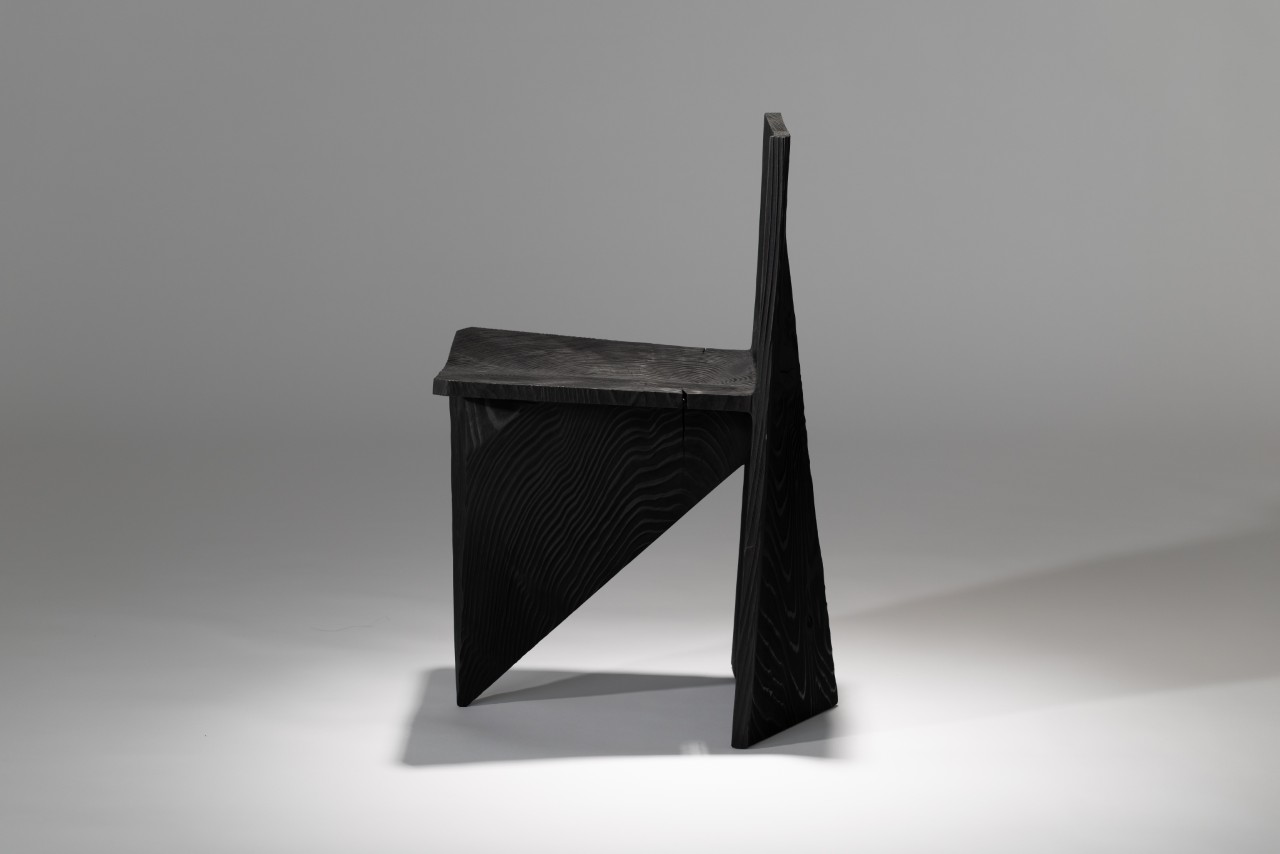
Long before it became a chair, this piece lived as a tree in the dense, mist-shrouded forests of Miyazaki, Japan. For over a century, it breathed, expanded, and weathered the shifting seasons, quietly sequestering carbon and recording the passage of time in the intricate rings of its heartwood. In an era where "luxury" has become a diluted marketing term often applied to plastic composites and paper-thin veneers, the Century Chair by Satoshi Itasaka stands as a radical act of defiance. It is not merely a seat; it is a 100-year narrative rendered in monolithic timber.
The Concept of Material Honesty in Modern Design
In the world of interior styling, we often encounter what I call "Imitation Luxury." It’s the glossy finish that masks a core of particle board, or the "walnut" surface that is actually a 0.6mm slice of wood glued over MDF. Statistically, nearly 90% of commercial furniture today relies on these synthetic glues and composite veneers. While these methods are efficient for mass production, they lack what architects call "material honesty."
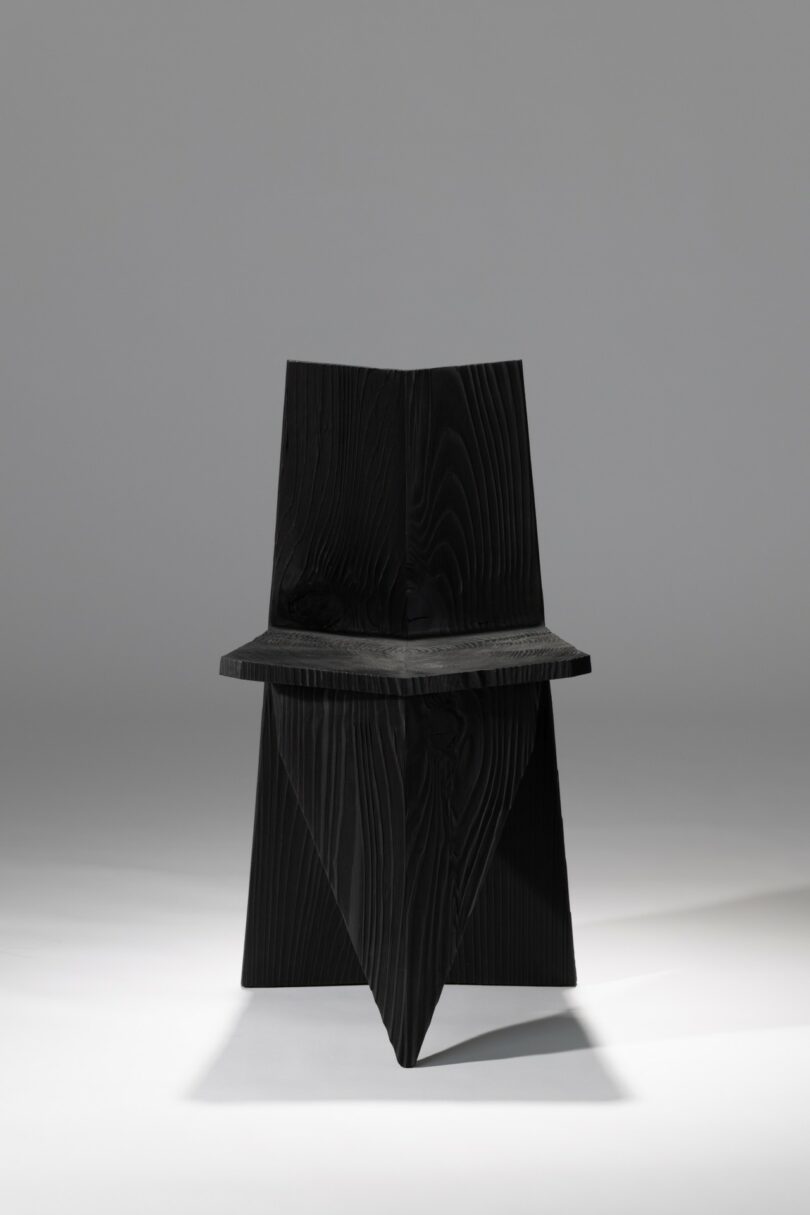
Material honesty is the practice of using authentic materials in their truest form—such as solid timber instead of veneer—to highlight the natural history, durability, and soul of the object. When we talk about the Century Chair, we are talking about a piece that refuses to hide. Designed by Satoshi Itasaka of The Design Labo, the Century Chair is a sculptural furniture piece carved from a single block of 100-year-old solid wood sourced from Miyazaki, Japan. It emphasizes that the beauty of an object should be inseparable from its substance.
Introducing the Century Chair: A sculptural witness to time.
Satoshi Itasaka and the 100-Year Narrative
Satoshi Itasaka, the visionary behind the studio h220430, has always approached design as a philosophical inquiry rather than a manufacturing challenge. With the Century Chair, his goal was to reintroduce a sense of gravity and "soul" into the modern home. The sourcing of the material is where the story begins. Miyazaki is renowned for its high-quality timber, but finding a single, monolithic block of wood stable enough and old enough to be carved into a chair is a rare feat.
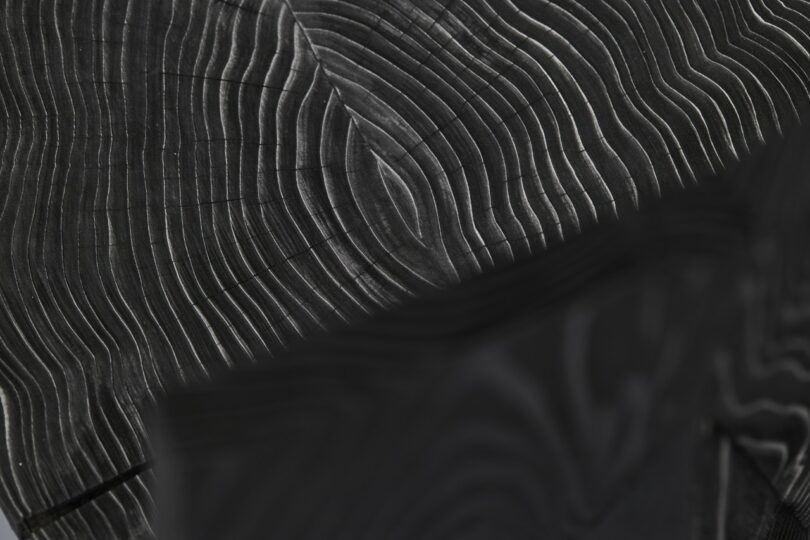
By harvesting a tree that has stood for a century, Itasaka is not just using a material; he is capturing history. Every knot and grain pattern in the chair is a record of a specific year in the ecosystem. This approach creates a "monolithic" structure—meaning the chair is composed of a single, continuous piece of timber rather than being assembled from smaller scraps. This structural integrity allows the chair to act as a bridge between the natural world and the curated interior.
Capturing 100 years of ecological growth in a single block.
Why Solid Timber Outlasts the Trend: The Technical Reality
Most people think high-end furniture is expensive because of the brand name. It is not. Or at least, it shouldn't be. In true high-end woodworking, price is a side-effect of a 5:1 longevity ratio. A solid timber chair is designed to last five times longer than its mass-produced, veneered counterpart.
The technical reality is that solid wood is "alive." It expands and contracts with the humidity of your home. It develops a patina. Most importantly, it is repairable. If you scratch a solid wood chair, you sand it and re-oil it. If you chip a veneer, the furniture is effectively ruined because the "truth" beneath the surface is an ugly composite that cannot be restored.
Technical Insight: The Carbon Lifecycle The Century Chair is constructed from 100% monolithic timber, utilizing zero synthetic glues or composite veneers. This provides a carbon-sequestering lifecycle that outlasts mass-produced alternatives. While a standard office chair might end up in a landfill within a decade, a solid wood piece like this continues to store carbon for centuries.
Zero Synthetic Glues: The move toward carbon-sequestering lifecycles and 100% monolithic timber.
The Anatomy of the Century Chair
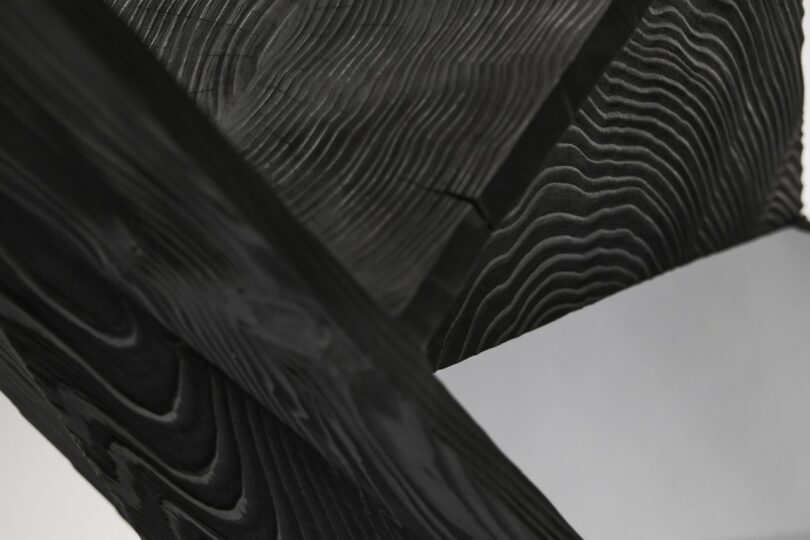
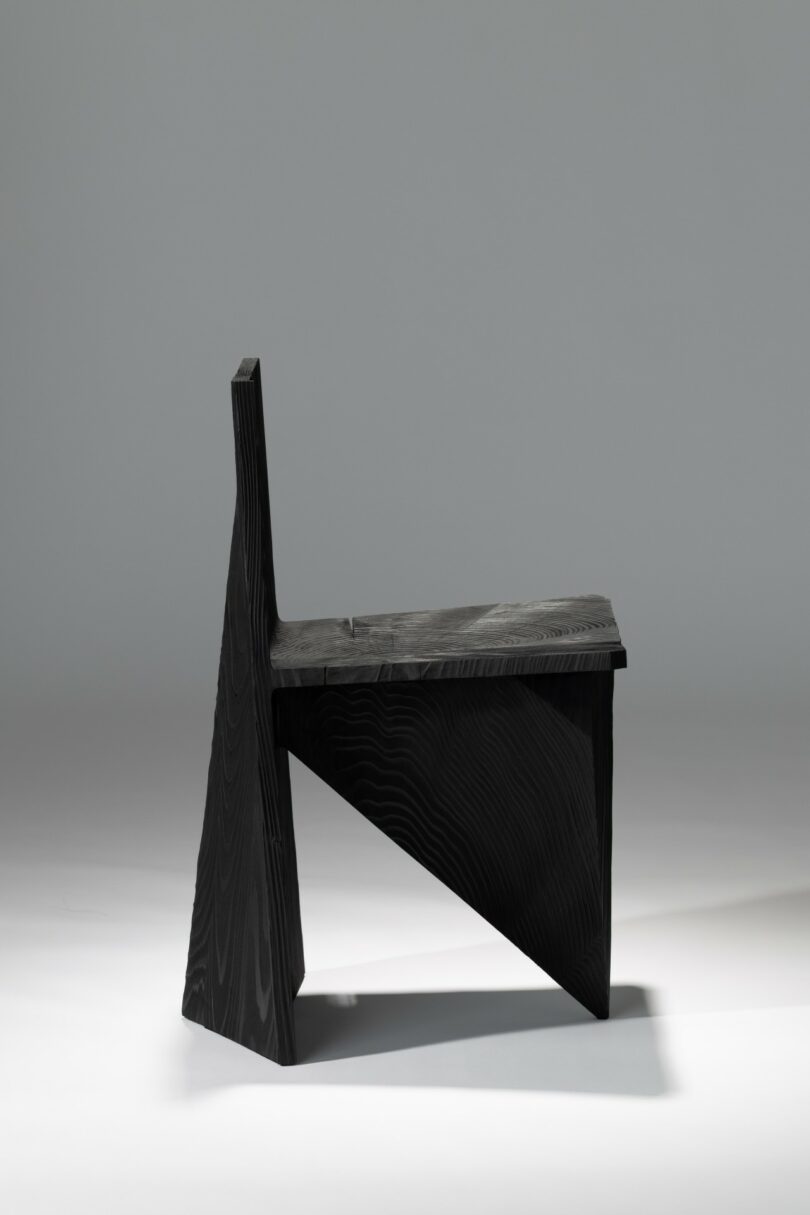
The visual impact of the Century Chair comes from its deliberate geometric tension. Itasaka explores the contrast between thin and thick planes, creating a silhouette that feels both ancient and futuristic. The base of the chair is heavy and grounded, reminiscent of the trunk from which it came, while the backrest and seat taper into sharp, precise lines.
The craftsmanship required to achieve this is immense. The process involves:
- Selection: Identifying a block of 100-year-old Miyazaki timber with no internal defects.
- Sawing and Drying: A slow drying process that can take years to ensure the wood doesn't warp or crack once carved.
- Hand-Finishing: Using traditional Japanese woodworking tools to refine the transition between the thick, monolithic base and the thin, elegant planes.
Analyzing the silhouette of thin and thick planes.
Identifying Genuine High-End Quality in 2026
As we look toward the interior trends of 2026, the movement toward "Sustainable Luxury" is accelerating. However, discerning readers must learn to see past "bamboo marketing" or "eco-friendly" labels that hide poor construction. The "Truth is in the Joinery." If you want to know if a piece of furniture is truly high-end, look at how the pieces meet.
| Feature | High-End Solid Timber (Century Chair) | Commercial Mass-Market |
|---|---|---|
| Material | 100% Monolithic Solid Wood | MDF/Particle Board with Veneer |
| Joinery | Mortise and Tenon / Carved Single Block | Cam-locks, Nails, and Glue |
| Longevity | 100+ Years (Repairable) | 5-10 Years (Disposable) |
| Aging | Improves with Patina | Delaminates and Chips |
| Sustainability | Carbon-Sequestering | High VOC Glues and Formaldehyde |
A Practical Checklist: Real timber vs. layered board; visible vs. hidden structure.
When investing in a piece like Satoshi Itasaka’s work, you aren't just buying furniture for your current living room. You are acquiring a sculptural heirloom. To identify this level of quality in the wild, check for:
- End Grain Continuity: Does the grain on the top of the piece continue naturally around the side? If it breaks or looks like a "sticker," it’s a veneer.
- Weight: Authentic monolithic timber has a specific gravity that synthetic boards can’t replicate.
- Tactile Warmth: Real wood stays closer to room temperature and feels "soft" even when the surface is hard.
FAQ: Understanding The Century Chair and Solid Wood Investments
What makes the Century Chair different from other wooden chairs? The Century Chair is carved from a single, monolithic block of 100-year-old wood. Most wooden chairs are made from multiple smaller pieces of wood glued together. By using one solid block, the chair maintains the natural tension and history of the original tree, making it as much a sculpture as it is furniture.
How do I care for a 100-year-old solid wood chair? Solid timber is resilient but "breathes." It should be kept away from direct heat sources (like radiators) which can cause the wood to dry out too quickly. Regular dusting and an occasional application of high-quality natural oils are usually all that’s needed to keep the wood healthy for another century.
Is it sustainable to use 100-year-old trees for furniture? Counter-intuitively, yes. When a tree reaches the end of its natural peak growth, its ability to sequester carbon slows down. By turning that timber into a "Century Chair" that will last for hundreds of years, the carbon is locked away permanently. This is a far more sustainable lifecycle than buying five "cheap" chairs made of glue and chemicals that end up in a landfill within a decade.
Where to Experience Japanese Masterpieces
To truly appreciate the Century Chair, one must see the play of light across its monolithic surfaces. Pieces from Satoshi Itasaka’s studio (h220430) are often featured in high-end galleries and design boutiques specializing in contemporary Japanese craft. If you are looking to pivot your home toward material honesty, start by replacing one "disposable" piece with one "monolithic" piece. The difference in the energy of your space will be immediate.