Quick Facts: Tableware in 2026
- Featured Artist: Hadiya Williams, founder of Washington, D.C.-based Black Pepper Paperie Co.
- Design Philosophy: "Terrestrial and generative" ceramics that bridge West African traditions with modern minimalism.
- 2026 Color Palette: Warm whites, sand, olive, and charcoal.
- Market Shift: A 45% increase in consumer preference for tableware that tells a cultural or historical story.
- Styling Secret: Mix stoneware and porcelain by matching the undertones (e.g., cool porcelain with blue-gray stoneware).
- Hospitality Trend: Over 70% of boutique hotels are now commissioning custom, community-centered ceramic collections.
The dining table has undergone a quiet revolution. If the last decade was defined by the clinical perfection of mass-produced minimalism, 2026 is the year of the "intentional table." We are no longer just setting a place for dinner; we are curating an experience that honors heritage, tactile beauty, and the slow art of making. As an editor, I’ve watched the shift from "utility" to "narrative" take hold of our living spaces, and nowhere is this more evident than in the rise of handmade, culturally resonant ceramics.
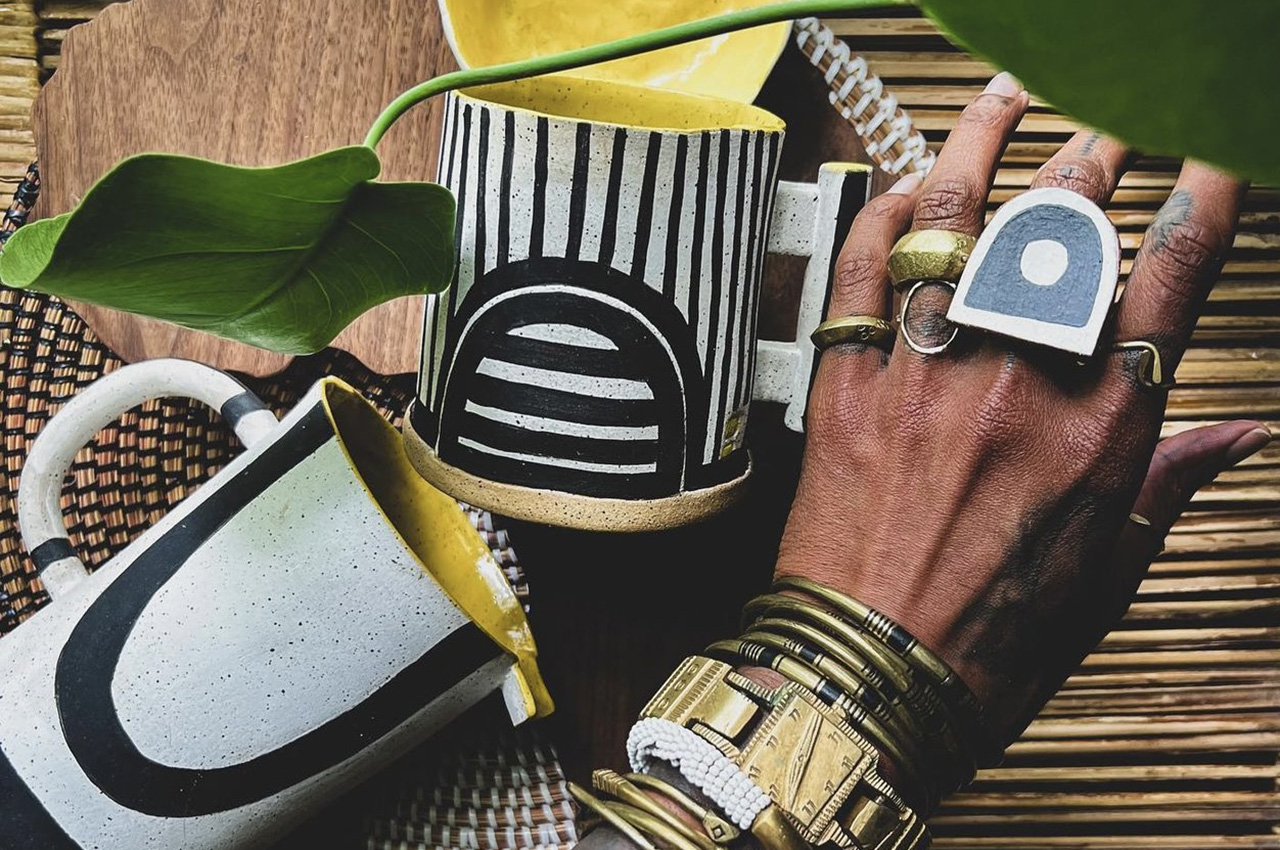
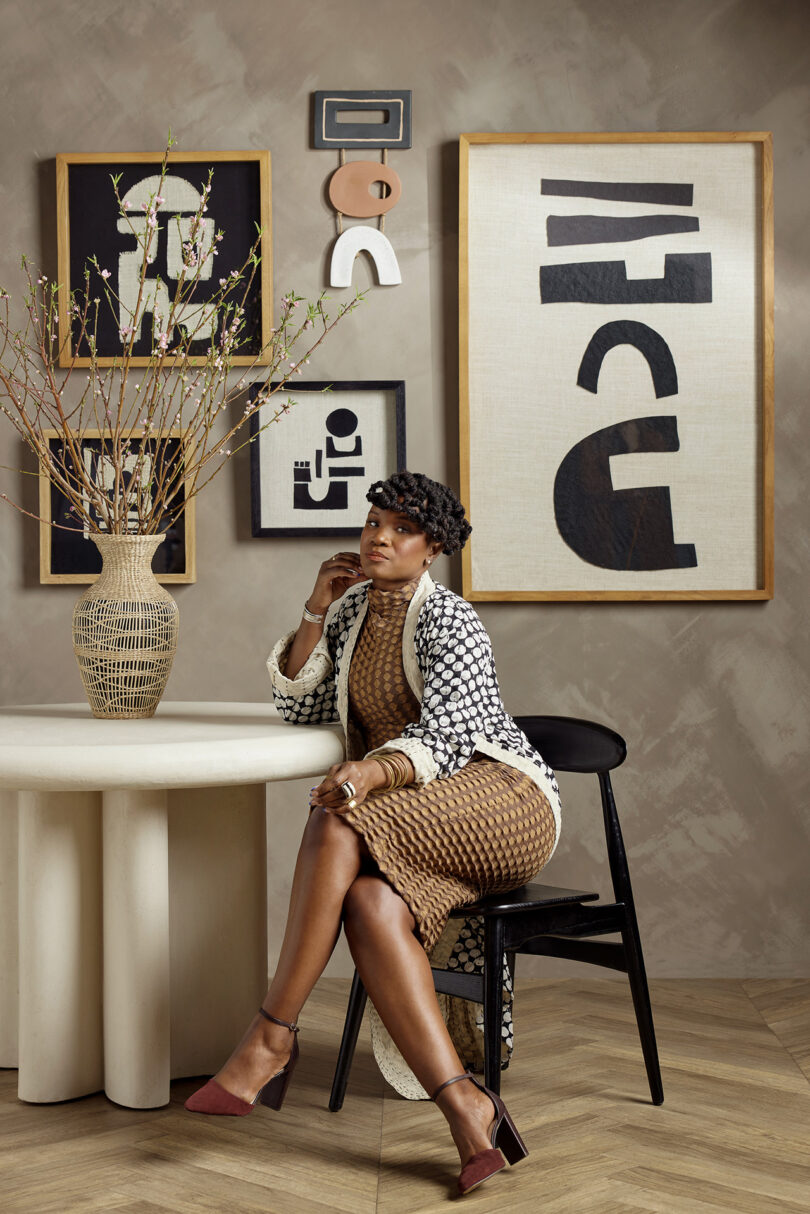
At the heart of this movement is Hadiya Williams, a designer whose work serves as a masterclass in how tableware can transcend its function to become a piece of living history. Based in Washington, D.C., Williams is the visionary behind Black Pepper Paperie Co., where she creates what she describes as "terrestrial and generative" ceramic art. Her pieces aren’t just vessels; they are a bridge between the West African diaspora’s artistic traditions and the clean lines of modern interior styling.
Hadiya Williams: The Art of 'Terrestrial and Generative' Design
Hadiya Williams didn’t start with clay. For twenty years, she navigated the world of graphic design, a background that is strikingly evident in the rhythmic, bold patterns of her pottery. It was this transition—from the digital screen to the tactile resistance of stoneware—that birthed the unique aesthetic of Black Pepper Paperie Co. Williams’ work feels ancient yet entirely of the moment, a feat she achieves by blending hand-built construction with a deep, ancestral visual language.

Her inspirations are a soulful mix of the Harlem Renaissance, the Black Arts Movement, and the rhythmic vibrations of 1970s soul music. When you hold one of her plates or trace the line of a decorative object, you aren't just feeling glazed earth; you are engaging with a legacy of storytelling. This "generative" approach means the designs feel as though they are growing and evolving, rather than being static or manufactured.
This authenticity is why we see her work in high-profile collaborations with brands like Schumacher and Target, and why boutique hospitality hubs like the Eaton DC hotel choose her pieces to ground their spaces. She proves that when we choose tableware, we are choosing the stories we want to invite into our homes.

Decoding Tableware Materials: Stoneware, Porcelain, and Bone China
To master the aesthetics of your table, we must first understand the medium. Not all "ceramic" is created equal, and for 2026, the market is shifting heavily toward materials that feel "grounded." Market forecasts indicate a 45% increase in consumer preference for terrestrial designs—pieces that look like they were pulled directly from the earth, imperfections and all.
Here is how the primary materials stack up for the modern collector:
| Material | Price Point (Approx.) | Characteristics | 2026 Trend Status |
|---|---|---|---|
| Earthenware | $8 - $12 / piece | Porous, heavy, rustic. Often hand-painted. | Rising (for decorative use) |
| Stoneware | $15 - $25 / piece | Durable, non-porous, tactile. Excellent for daily use. | The 2026 Leader |
| Porcelain | $18 - $35 / piece | Refined, white, can be translucent. Classic. | The Foundation |
| Bone China | $22 - $45 / piece | Extremely durable, thin, elegant. | Luxury Niche |
Stoneware, particularly "hand-built" and "hand-printed" varieties, is dominating the conversation. Unlike the uniform finish of bone china, stoneware offers a "reactive glaze"—a chemical reaction in the kiln that creates unique color variations on every single piece. This means no two plates are exactly alike, satisfying our collective craving for the "one-of-a-kind" in an era of mass production.
Pro Tip: When cleaning reactive glazes, avoid abrasive scrubbers. While stoneware is incredibly durable, the unique surface variations can sometimes be sensitive to harsh chemicals. Stick to mild detergents to preserve the "living" finish of the piece.
2026 Tableware Trends: What to Expect
As we look toward the 2026 dining landscape, the color palette is moving away from the stark, "Instagram white" of the 2010s. Instead, we are seeing a return to the colors of the landscape.
- Warm Whites & Sand: These act as the new neutrals. They offer more soul than a pure bleached white and provide a soft backdrop for vibrant food.
- Olive & Moss: Green continues to be the "color of the decade," representing our desire to bring the outdoors in.
- Deep Charcoal & Midnight Blue: For what I like to call "subtle drama." These darker tones provide a sophisticated contrast, especially when paired with lighter linens.
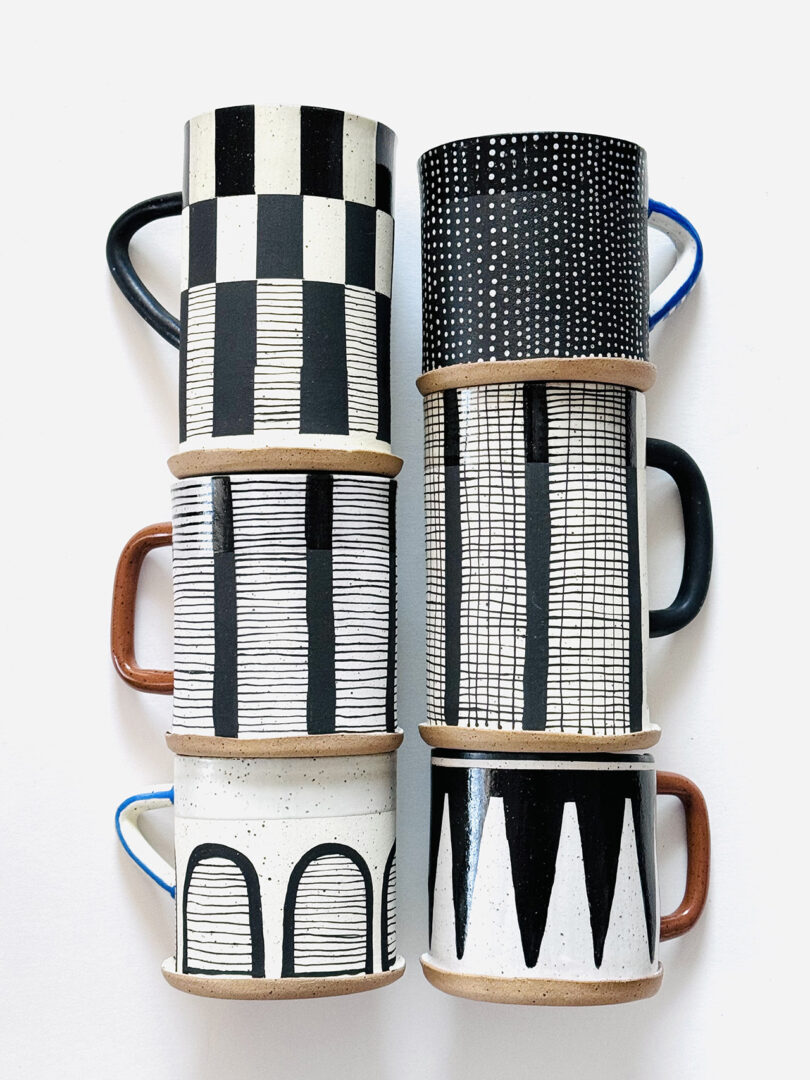
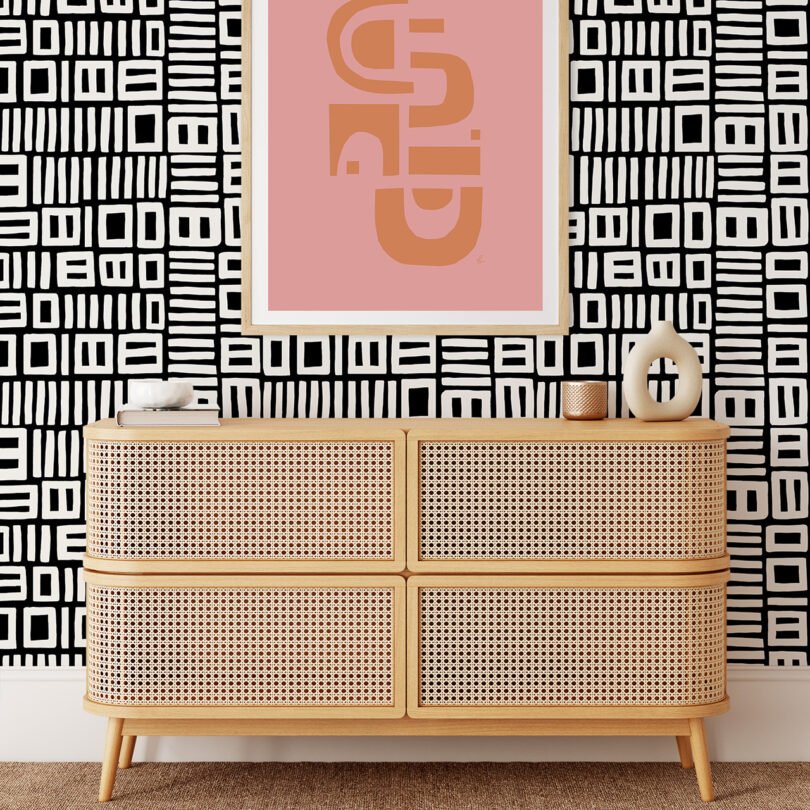
- Pattern Layering: Inspired by Hadiya Williams’ "Ode" and "Parable" collections, we are seeing high-contrast graphic patterns layered over organic, neutral bases.
Beyond color, the eco-friendly movement is no longer optional. In 2026, premium tableware is defined by lead-free clays, responsibly sourced minerals, and minimal, biodegradable packaging. Luxury is now measured by the ethics of the supply chain as much as the beauty of the glaze.
The Science of Authenticity: Safety and Certifications
When you are investing in "artisan" or "hand-built" ceramics, it is vital to distinguish between a "decorative object" and "food-safe tableware." This is where the technical side of interior design comes into play.
To ensure your table is as safe as it is beautiful, look for the following standards:
- FDA Compliance: In the U.S., any ceramic intended for food use must meet strict limits on lead and cadmium leaching.
- ISO 6486: This is the international standard for ceramic ware in contact with food.
- LFGB: Often found on European imports, this is one of the world's toughest safety certifications for food-contact materials.
Always check the backstamp of your plates. A quality maker, like Williams, will often sign their work or include an origin mark (such as "Limoges" for French porcelain). If a piece is marked "For Decorative Use Only," it likely contains glazes that are not vitrified—meaning they could leach chemicals into acidic foods like tomato sauce or lemon juice.
Styling Your 2026 Tablescape: The Mix-and-Match Strategy
The most frequent question I get from readers is: "Can I mix my sturdy stoneware with my delicate porcelain?" The answer is a resounding yes, provided you follow the rule of undertones.
To create a cohesive look, keep the temperature of your colors consistent. If you have cool, bright-white porcelain, pair it with stoneware in shades of gray, slate, or cool blue. If your porcelain is a warmer, creamier tone, it will look stunning alongside terracotta, sand, or ochre stoneware. This creates a "textured table" that feels curated over time rather than bought as a set from a box.
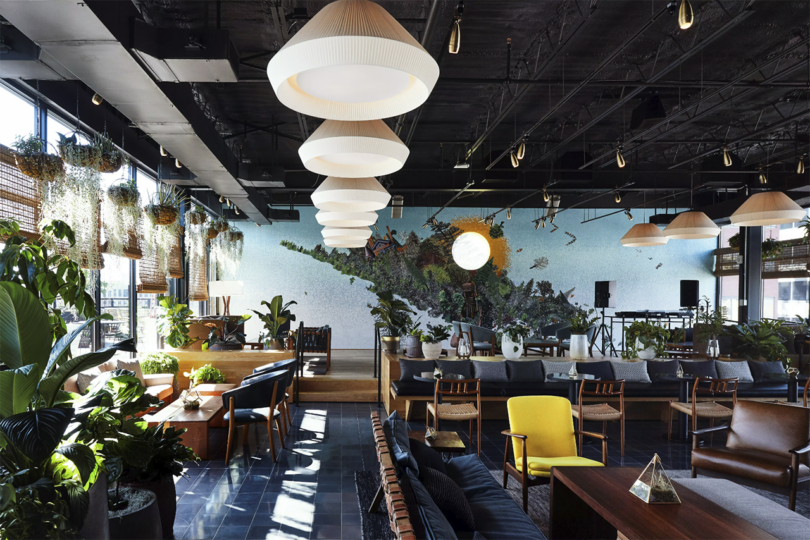
We are also seeing a massive influence from the boutique hotel sector. Industry data suggests that over 70% of boutique hotels now prioritize custom-designed tableware to enhance their brand identity. These hotels are moving away from corporate uniformity and toward "community-centered" hospitality. You can replicate this at home by sourcing pieces from local makers or artists like Hadiya Williams, creating a dining environment that feels like a destination.
Conclusion: Investing in Pieces that Tell a Story
As we move into 2026, the "Mastering Tableware" journey isn't about following a rigid set of rules. It’s about the shift from consumption to curation. By choosing pieces from artists like Hadiya Williams, we are doing more than just buying a plate—we are supporting a 20-year journey of graphic mastery and cultural preservation.
Whether you are layering a hand-printed stoneware platter over a linen cloth or mixing your grandmother’s porcelain with modern olive-toned bowls, remember that the most beautiful tables are the ones that provoke conversation. Ceramic dinnerware is where everyday ritual meets quiet luxury. It’s an investment in the "terrestrial"—the earth beneath our feet and the art in our hands.
FAQ
Q: Is handmade stoneware dishwasher and microwave safe? A: Most modern stoneware, including pieces from Black Pepper Paperie Co., is fired at high enough temperatures to be both dishwasher and microwave safe. However, always check the artist's specific care instructions, as reactive glazes or metallic luster details can sometimes require hand-washing.
Q: How do I know if a ceramic piece is authentic 'hand-built' or mass-produced? A: Look for subtle "finger-prints" of the process. Hand-built ceramics often have slight irregularities in shape, varying thickness, and unique marks on the bottom where they were removed from the wheel or slab. Mass-produced pieces will be perfectly identical in weight and dimension.
Q: Can I use 'art' ceramics for daily dining? A: Absolutely, provided they are marked as food-safe. In fact, the "intentional dining" trend of 2026 encourages using your best pieces every day to elevate the mundane rituals of breakfast and dinner.
Ready to elevate your table?
Start by selecting one "hero piece"—perhaps a hand-printed serving bowl—and build your collection around its tones and textures. Your future dinner guests will thank you.