There is a certain sensory alchemy that happens when you sit down to a meal served on wood-fired stoneware. Perhaps it’s the way the surface feels slightly like polished stone, or how the "fire clouds"—those blushing blossoms of orange and grey—tell a story of a literal baptism by flame. We often talk about "slow living" in interior design, but few things embody this philosophy more than the work of Meghan Burke.
Wood firing is one of the most primitive ceramic methods known to man, with roots stretching back to the fifth century. Unlike modern electric kilns that rely on clean, predictable coils, wood firing relies entirely on the volatile dance between flame and wood ash to create natural surface textures and glazes. In Meghan’s studio, the process is less about manufacturing and more about a collaborative performance with the elements. For the modern homeowner, these pieces aren't just tableware; they are functional artifacts that bridge the gap between ancient tradition and contemporary living.
The Artist’s Journey: From Coastal Roots to Pittsburgh Woods
Meghan Burke’s aesthetic is deeply tethered to the landscapes she has called home. From the rugged coastlines of Maine to the high altitudes of Colorado and the lush forests of upstate New York, her work reflects a nomadic appreciation for the natural world. It was at the Touchstone Center for Crafts where she truly found her calling within the wood-firing community.
In her studio practice, Meghan draws heavily from the ocean. You can see it in the repetitive patterns carved into her vessels—rhythms that mimic the ebb and flow of the tide or the stacked scales of a fish. For Meghan, the studio is a place of "refueling," where the manual labor of wedging clay and throwing forms provides a meditative counterpoint to the chaotic pace of modern life. Her move toward wood-firing was a natural evolution; she sought a process that was as raw and unpredictable as the environments that inspire her.
The 48-Hour Marathon: The Technical Ritual of the Kiln
To understand the value of a wood-fired plate, one must understand the grueling ritual of the "burn." While an electric kiln can be programmed with the push of a button, a wood kiln is a living beast that requires constant nourishment.
The process is a labor-intensive marathon. To achieve proper vitrification—the stage where clay becomes non-porous and glass-like—the kiln must maintain a temperature of over 2,000 degrees Fahrenheit. This isn't achieved through gas or electricity; it requires a team of potters working in shifts for a continuous 48-hour cycle, hand-feeding the firebox with wood every few minutes.
Pro Tip: Moisture Control One of the greatest risks during a long firing is "thermal shock." If the clay contains even a trace of moisture or if the temperature fluctuates too rapidly, pieces can crack or literally explode. Potters often use "temper"—adding coarse materials like grog to the clay body—to help the piece breathe and withstand the intense stress of the flame.
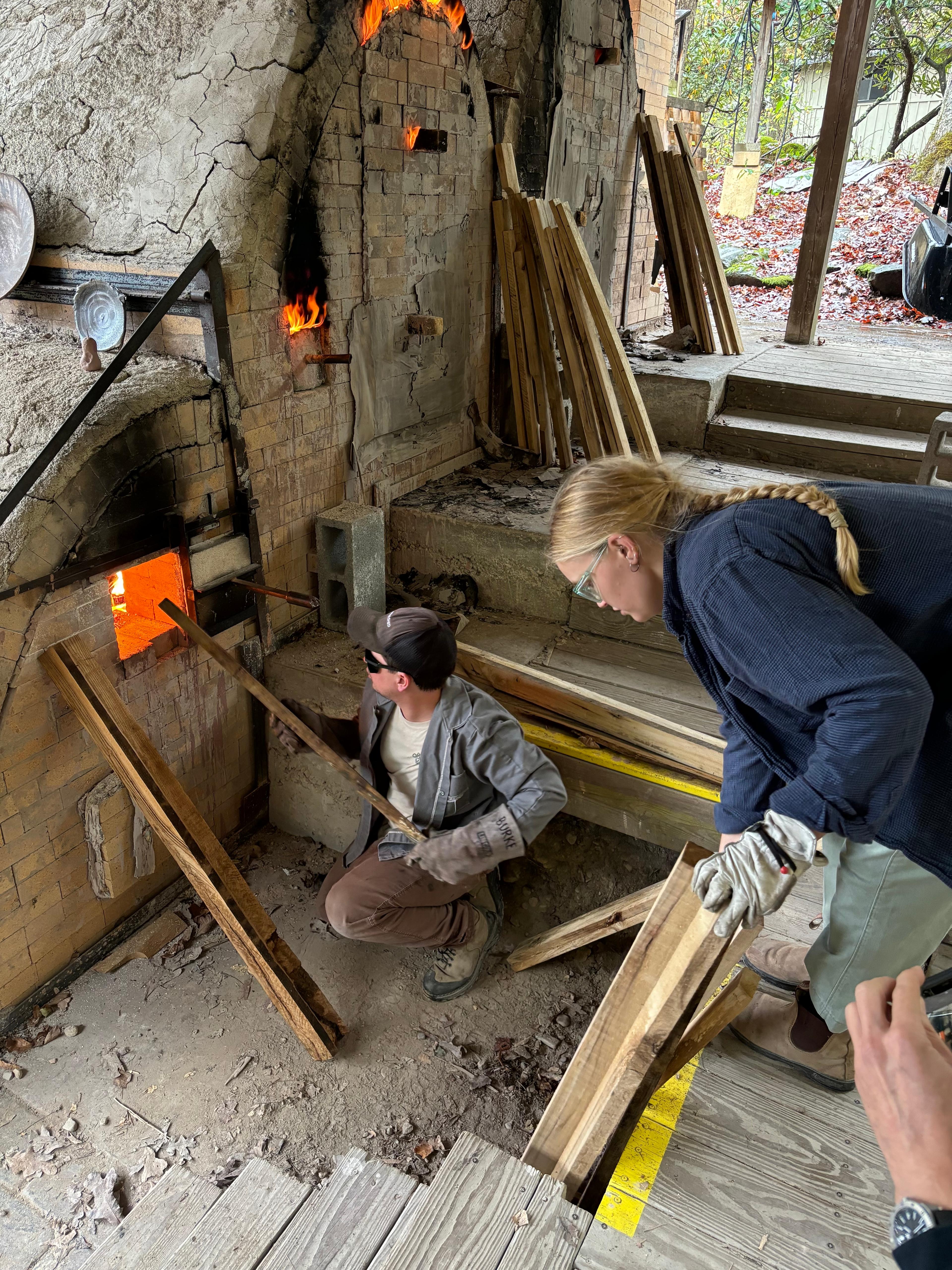
This is a community effort. It’s not just about the person throwing the pots; it involves "wadding" (placing small balls of clay under the pots so they don’t fuse to the kiln shelves), glazing, and the strategic loading of the kiln to "trap" the flame.
The Magic of the 'Fire Cloud': Why No Two Pieces are Alike
The most enchanting aspect of wood-fired ceramics is the "natural ash glaze." As the wood burns, ash is pulled through the kiln by the draft of the chimney. This ash lands on the shoulders of the pots, where it melts at high temperatures to create a glass-like finish. Because of this, a wood-fired piece is truly one-of-a-kind; the interaction between ash and flame creates textures and "fire clouds" that are impossible to replicate in a controlled electric environment.
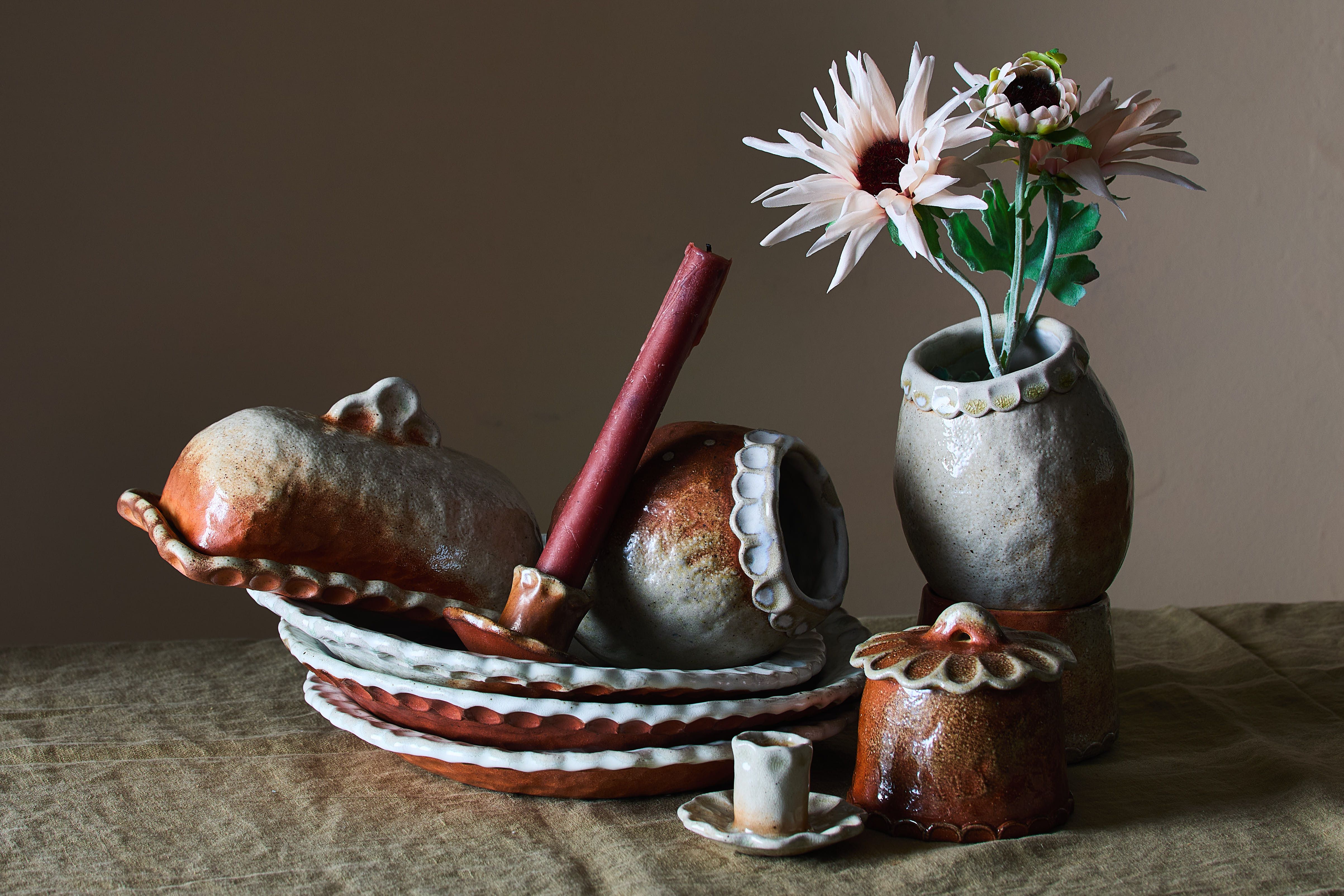
The result is a surface that feels organic. You might see "shadow outlines"—areas where another pot blocked the flame, leaving a pale silhouette against a toasted orange background. To help you understand the difference, here is a quick comparison:
| Feature | Electric Kiln Pottery | Wood-Fired Pottery |
|---|---|---|
| Glaze Source | Chemically formulated, hand-applied | Natural wood ash and flame interaction |
| Surface Finish | Uniform, predictable, glossy or matte | Varied, "toasted," earthy, and tactile |
| Texture | Smooth and consistent | Gritty to glass-like with "fire clouds" |
| Uniqueness | Identical sets are possible | Every single piece is a unique "capture" of the fire |
| Labor | Low to Moderate | Extremely High (48+ hour manual labor) |
The All Fired Up Collection: Elevating the Dinner Table
When I first encountered Meghan’s All Fired Up collection, I was struck by her ability to make "primitive" feel "premium." Her wood-fired butter dish is a standout example. It is often left completely unglazed on the exterior, allowing the path of the flame to decorate the stoneware naturally.
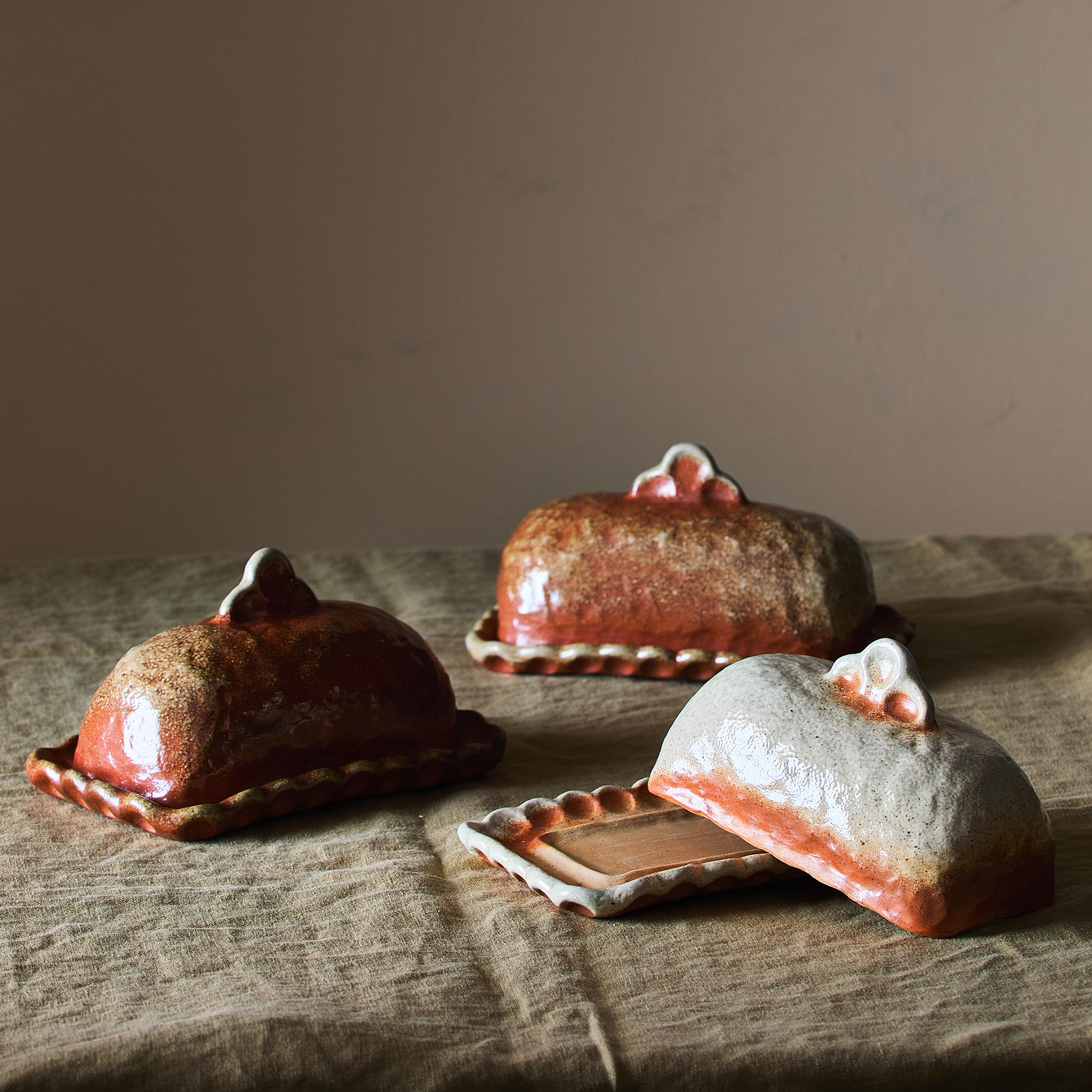
Beyond aesthetics, there is deep technical innovation in her work. Meghan utilizes specific stoneware bodies designed to withstand thermal shock. This is particularly important for her pie dishes and functional bakeware. While many artisanal pots are "for display only," Meghan’s work is engineered for the rigors of a modern kitchen.
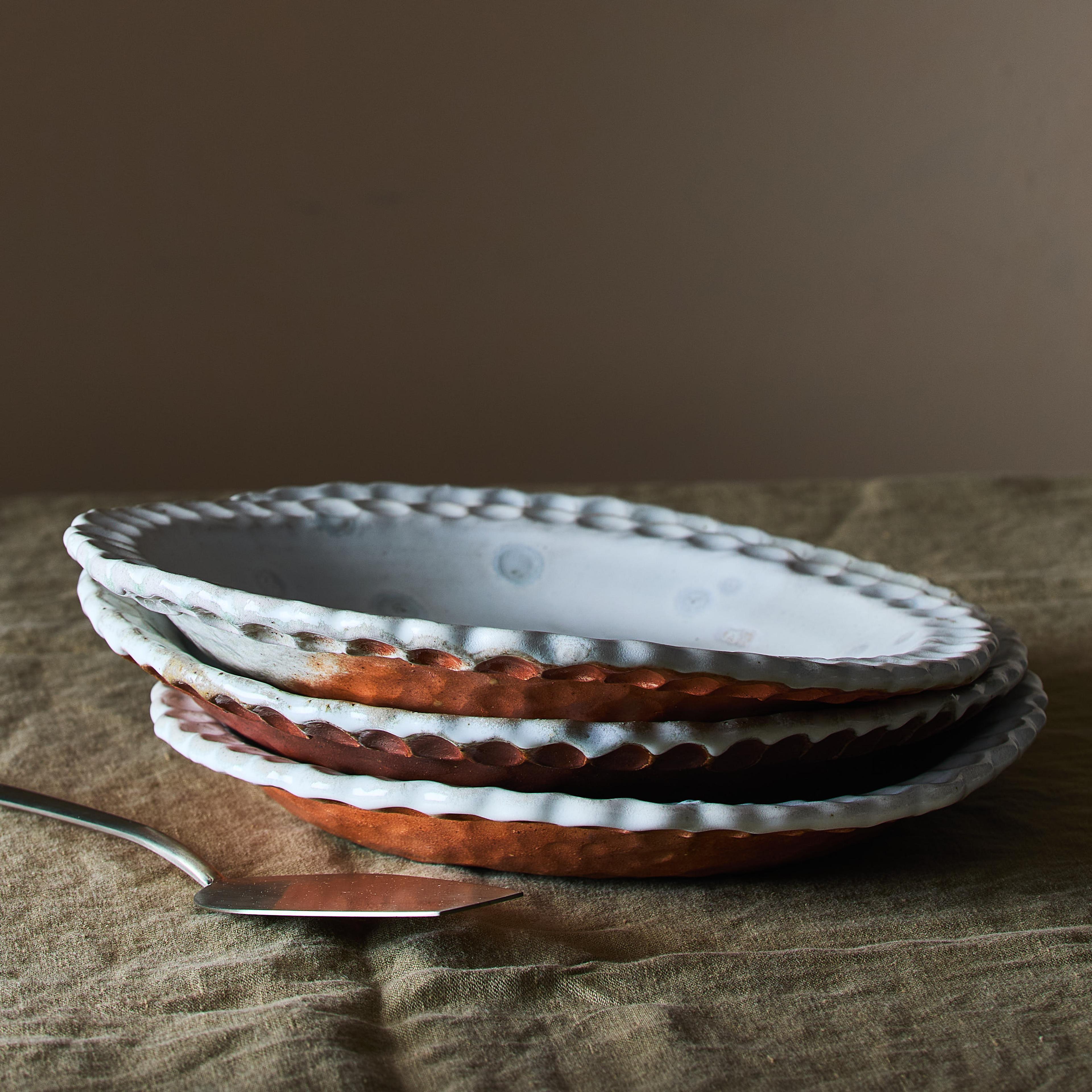
Her philosophy is simple: using handmade items in our daily routines—the simple act of spreading butter from a hand-thrown dish or lighting a candle in a wood-fired holder—elevates the experience of home life. It forces us to slow down and appreciate the weight and texture of the objects we hold.
Beyond the Studio: Primitive Techniques and Learning the Craft
While wood firing is Meghan’s primary focus, the world of primitive pottery is vast. Students of the craft often explore various firing techniques to achieve different finishes:
- Smudge Firing: A low-temperature technique where carbon is "smudged" into the clay, resulting in deep blacks and grays.
- Sawdust Firing: Pots are buried in a pit of sawdust; as it smolders, it leaves smoky, ethereal patterns on the surface.
- Polychrome Firing: Using multiple slips to create colorful, painted designs before the final burn.
For those looking to master these flames, the path is long and rigorous. Professional-level workshops, such as those held at the prestigious Anderson Ranch Arts Center, often require a minimum of 3 to 5 years of prior experience in ceramics for advanced certification. This isn't a hobby you pick up over a weekend; it’s a lifetime of learning how to read the fire. The costs reflect this mastery, with high-level tuition and course fees often ranging between $1,795 and $2,300+ for intensive residencies.
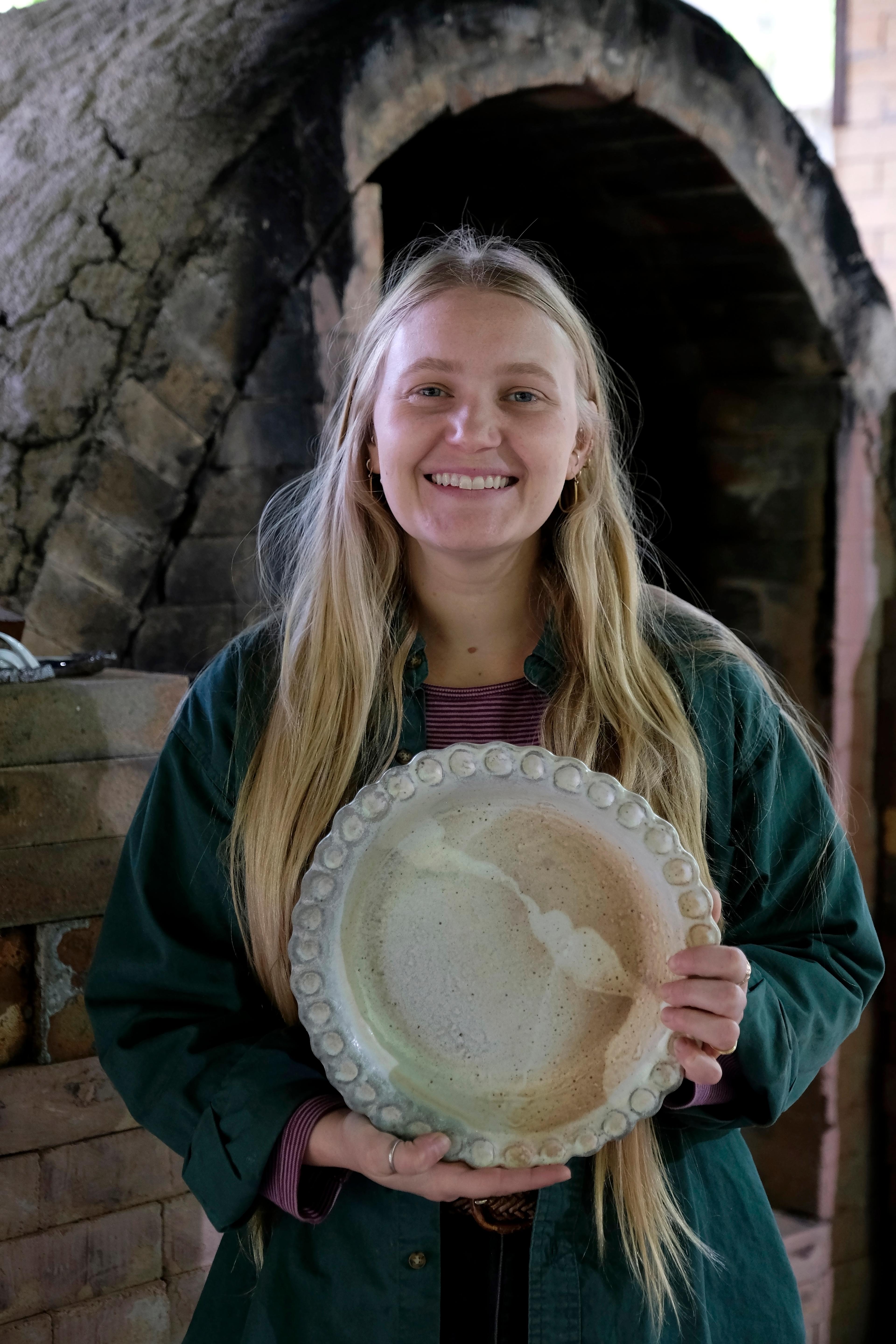
The next time you hold a piece of wood-fired pottery, look closer. Look for the path where the flame licked the rim; feel the grit of the ash that turned to glass. In a world of mass production, these pieces are a reminder that some of the most beautiful things still require time, a team, and a very hot fire.
FAQ
Is wood-fired pottery food safe? Yes, most wood-fired tableware is food safe. Because the kiln reaches temperatures over 2,000°F, the clay undergoes vitrification, making it non-porous and durable. However, always check if the artist has used any specific metallic lusters or toxic slips, though this is rare for functional tableware.
Can I put wood-fired ceramics in the dishwasher? While many wood-fired pieces are sturdy enough for the dishwasher, hand-washing is highly recommended. The abrasive detergents and high-pressure water in a dishwasher can eventually dull the natural ash glaze and increase the risk of chipping the unique edges of handmade work.
Why is wood-fired pottery more expensive than regular ceramics? The price reflects the immense labor and risk involved. A single wood-firing requires a team of people, cords of high-quality wood, and 48 hours of round-the-clock labor. Additionally, because the process is so volatile, a percentage of every kiln load is often lost to breakage or "bad" ash deposits, making the successful pieces even more valuable.