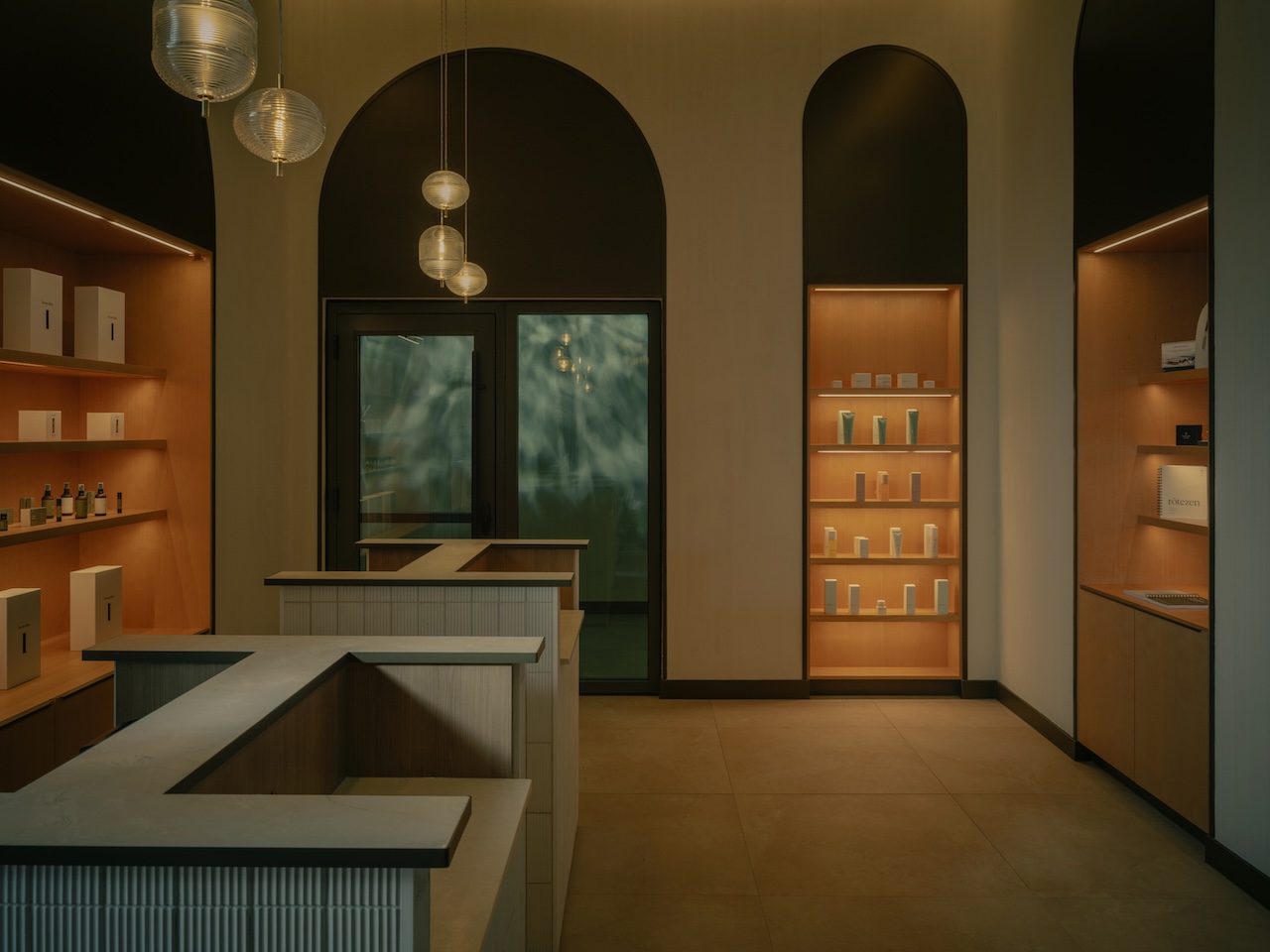
For years, we have been told that "less is more." We lived through the era of the "millennial grey" apartment—a landscape of white walls, flat-pack furniture, and a clinical void where personality should have been. But as we move toward 2026, the pendulum is swinging back with a vengeance. The "white box" flat is officially out of style, replaced by a yearning for spaces that tell a story, evoke a memory, and celebrate the eccentricities of the human spirit.
To revive a soulless flat, the answer isn’t simply to buy more things, but to introduce Curated Maximalism. This approach involves layering rich colors, deep textures, and vintage textiles over a disciplined minimalist backbone. It is about adding personality without creating clutter, ensuring that every object in your home earns its place through its narrative value or its aesthetic contribution to the whole.
The 2026 Shift: Why 'More is More' is Back
We are witnessing a profound psychological shift in how we inhabit our homes. Post-pandemic, the home is no longer just a place to sleep; it is a sanctuary, a gallery, and a reflection of our journeys. According to a 2026 designer survey, maximalism and eclecticism have officially become the most requested aesthetics in the industry, outperforming minimalist styles by a staggering margin of 65% in professional residential projects.
While the early 2020s were defined by "Quiet Luxury"—muted tones and stealthy wealth—2026 is the year of "Loud Luxury" and personal expression. This isn't about conspicuous consumption; it’s about "narrative-rich" environments. Readers are moving away from the "Pinterest-perfect" look and toward interiors that feel lived-in, loved, and slightly rebellious.
| Feature | 2020s Minimalism | 2026 Curated Maximalism |
|---|---|---|
| Color Palette | Grey, Beige, White | Chocolate Brown, Burgundy, Teal |
| Furniture | Mass-produced, clean lines | Mid-century vintage, sculptural forms |
| Textiles | Flat cotton, polyester blends | Kantha quilts, velvet, embroidered linens |
| Technology | Visible screens and gadgets | Integrated or hidden (e.g., behind curtains) |
| Vibe | Clinical, "Hotel-like" | Narrative, "Soul-filled" |
Case Study: The Sophie Rowell Approach to Hackney Flats
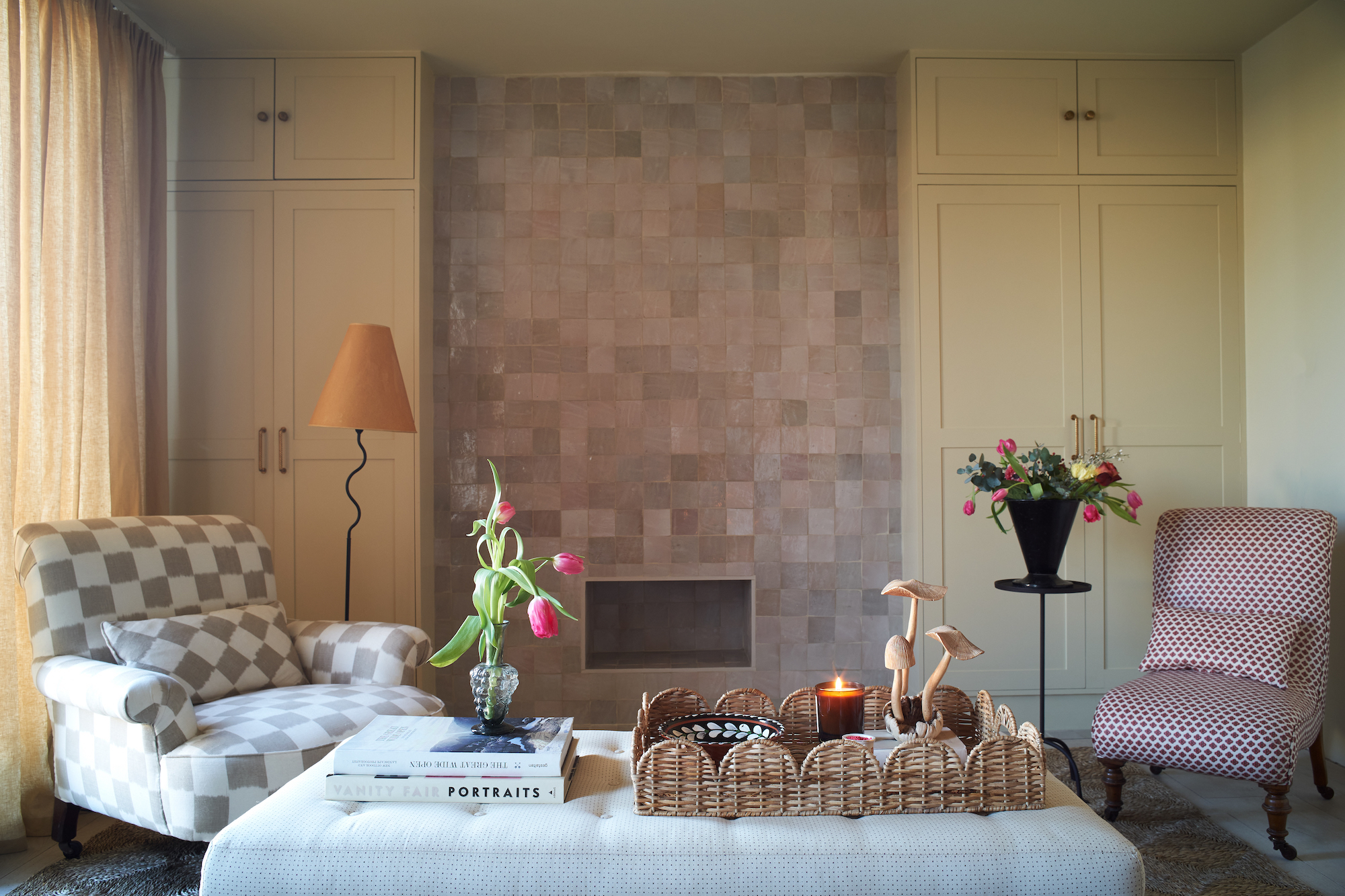
When we talk about the masters of this revival, Sophie Rowell of Cote de Folk stands at the forefront. Her work often involves taking standard, clinical maisonettes—the kind with glossy white cabinets and lifeless layouts—and making them "sing."
In a recent Hackney transformation, Rowell demonstrated that you don't need a sprawling Victorian mansion to achieve a maximalist dream. She replaced standard fireplaces with emerald-green Zellige tiles and swapped "safe" neutrals for a palette of dusty pinks and deep ochres. The result? A space that feels inherently feminine yet grounded.
One of Rowell’s most ingenious creative solutions addresses a common modern eyesore: the television. In a room designed for conversation and textile appreciation, a giant black screen can feel like a void. Her solution? Wall-to-wall, floor-to-ceiling curtains. By using heavy, decorative fabric to conceal the tech, she seamlessly integrates the media area into the room’s textile palette. When the TV is off, the room is a soft, acoustic haven of draped fabric; when it’s on, it’s a private cinema.
Editor’s Pro-Tip: Don’t be afraid of "clashing" patterns. The secret to making different prints work together is to vary the scale. Pair a large-scale floral with a small-scale stripe or a medium-scale geometric to create visual rhythm rather than chaos.
Beyond the aesthetics, there is a financial brilliance to this approach. Rowell often leans into vintage finds and "imperfect" textiles. Statistics show that incorporating vintage elements and items like Kantha quilts can reduce interior styling costs by approximately 40%. More importantly, these pieces increase the "narrative value" of a space—something a brand-new sofa simply cannot provide.
The Strategy of Curated Maximalism: How to Start
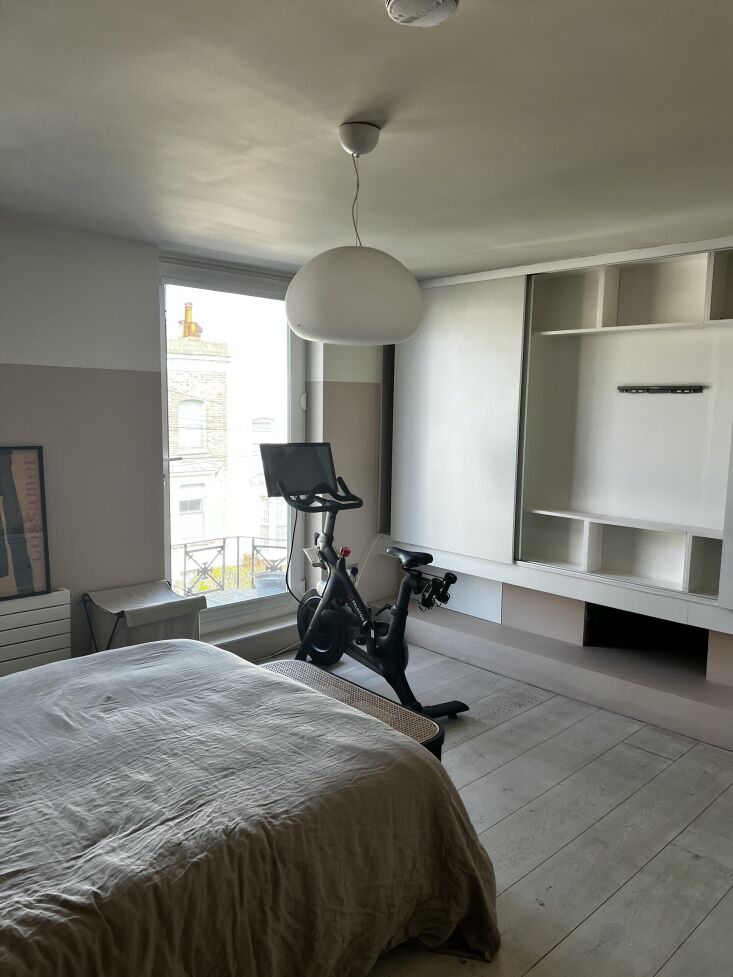
The primary difference between "clutter" and "curated maximalism" is intention. Traditional maximalism can sometimes feel like "more for more’s sake," whereas curated maximalism prioritizes high-quality investment pieces and personal stories. To avoid the feeling of a messy room, every layer must be resolved.
The 60-30-10 Investment Rule
When reviving a flat, your budget should follow a disciplined framework to ensure the space feels "expensive" even if you are sourcing second-hand.
- 60% Foundational Statement Pieces: Invest the bulk of your budget in the "bones" of the room. This includes high-quality sofas, solid-wood dining tables, and flooring. These pieces act as the minimalist backbone that supports the maximalist layers.
- 30% Supporting Furniture & Lighting: This is where you introduce character. Think vintage armchairs, sculptural side tables, and designer lighting that acts as art.
- 10% Experimental Accents: This is your "play" money—cushions, vintage textiles, gallery wall art, and ceramics. These are the items you can swap out as your tastes evolve.
Essential Elements of the 2026 Look
1. Color Drenching
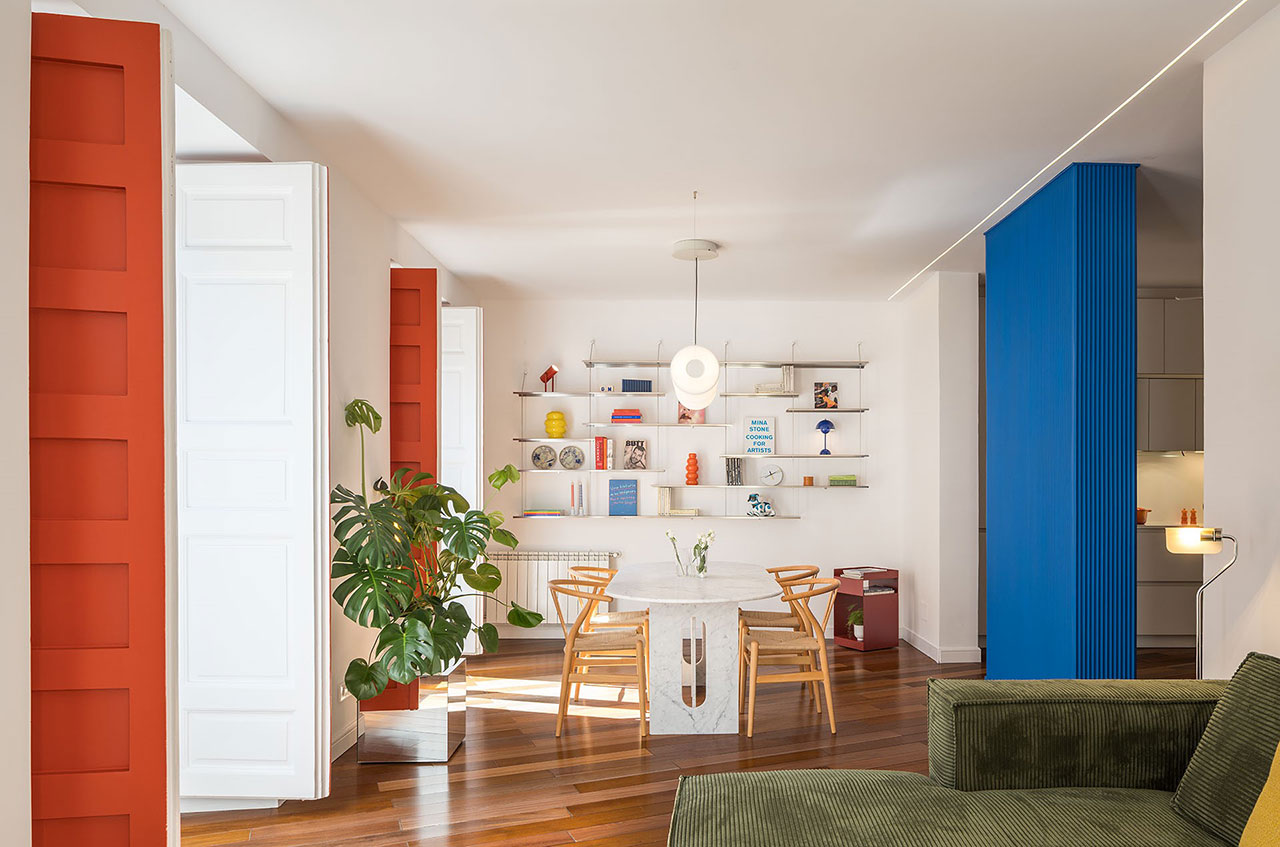
We are moving away from the "feature wall." In 2026, we drench. This means painting the walls, the ceiling, the skirting boards, and even the radiators in the same saturated hue. Look for "Transformative Teal," "Melted Chocolate," or "Oxblood Burgundy." This technique creates a cohesive "envelope" that makes a small flat feel infinitely more sophisticated.
2. Textile Wall Art
If you are renting a soulless flat, you might not be able to change the walls. The solution? Large-scale textiles. Hanging a vintage tapestry, an heirloom quilt, or even a beautiful length of linen can soften the harsh architecture of a modern build and provide instant acoustic insulation.
3. The Vintage Default
In 2026, sourcing 20th-century vintage is no longer a niche hobby; it is the new luxury standard. Not only is it more sustainable, but vintage pieces carry a patina of time that new furniture lacks. A 1970s Italian travertine coffee table or a set of Marcel Breuer Cesca chairs adds immediate "soul" to a new-build apartment.
4. Statement Lighting
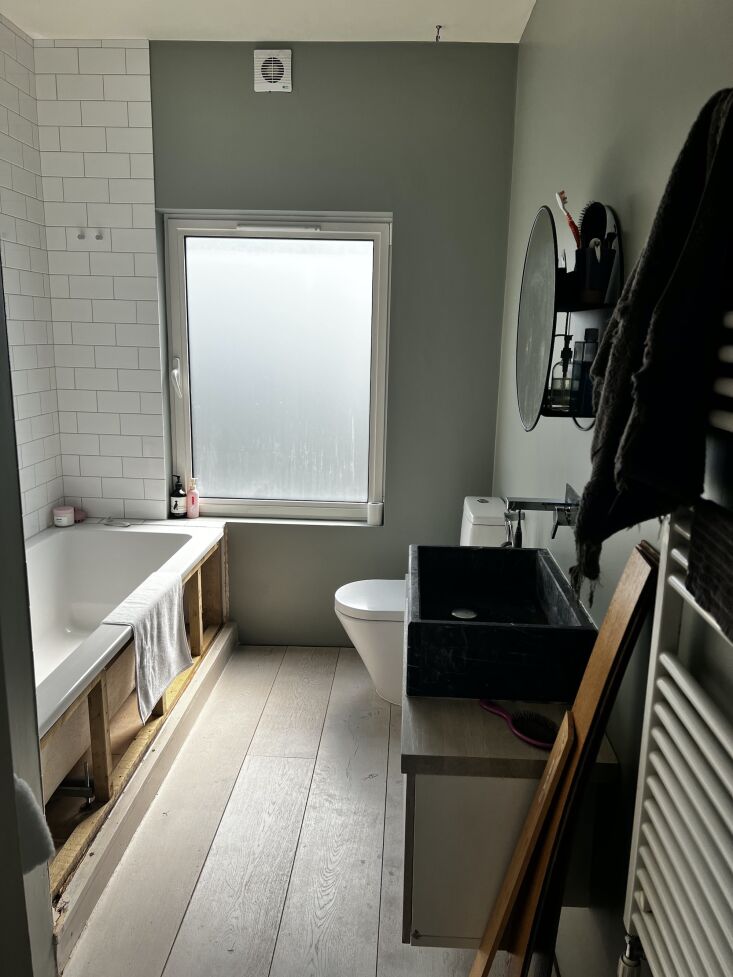
Forget recessed "downlighters" that make a home feel like an office. Curated maximalism thrives on sculptural pendants. Look for Murano glass, mushroom lamps, or oversized paper lanterns. Lighting should be an anchor for the room, drawing the eye upward and creating pockets of warmth rather than a clinical wash of white light.
Avoiding the 'Clutter Trap': Common Mistakes
The most common mistake people make when attempting the "more is more" look is rushing the process. An authentic, curated home takes time. I often advise my clients to look at an 18-to-24-month horizon for their decor to truly mature. If you buy everything from a single showroom in one weekend, your home will look like a catalog, not a collection.
Functional Integrity Never sacrifice function for form. A maximalist room still needs to be livable. Ensure that your "curated layers" don't impede movement. Choose durable fabrics—like performance velvets—that can handle the reality of daily life while still looking opulent.
The 'Tidy Maximalist' Habit To keep a maximalist space from feeling overwhelming, embrace the habit of seasonal editing. Every six months, clear your surfaces (coffee tables, shelves, mantels) and "re-curate." Sometimes, removing just two small items can make the remaining five items stand out with more clarity.
FAQ
Q: Can I do curated maximalism in a small studio flat? A: Absolutely. In fact, maximalism often works better in small spaces because it embraces the "cozy" factor. Use large-scale rugs to define zones and stick to a tighter color palette to keep the visual "noise" under control.
Q: How do I start if my current furniture is all very minimalist? A: Start with textiles and lighting. A minimalist grey sofa can be completely transformed with a vintage Kantha quilt draped over it and a pair of bold, patterned cushions. Replace a standard floor lamp with a sculptural vintage piece to shift the room's energy instantly.
Q: Is maximalism more expensive than minimalism? A: Not necessarily. While "Quiet Luxury" minimalism often requires incredibly expensive, perfect materials, curated maximalism thrives on the "perfectly imperfect." By sourcing vintage and using clever hacks like textile wall art, you can often achieve a high-end look for 40% less than a full suite of new designer furniture.
Conclusion: Build Your Own Narrative
Reviving a soulless flat is an act of reclaiming your environment. It is a refusal to live in a "white box" and a commitment to surrounding yourself with things that spark joy, curiosity, and comfort. By following the principles of curated maximalism—investing in a strong backbone, layering with intention, and embracing the "more is more" philosophy of 2026—you can transform any clinical space into a home that truly sings.
Ready to start your transformation? Begin by finding that one piece—a vintage rug, a bold lamp, or a swatch of velvet—that makes you feel something. Let that be the seed from which your curated sanctuary grows.