Quick Facts
- Aesthetic Trend: "Authenticity Over Artificiality" dominates the 2026 landscape, prioritizing materials with visible history.
- Core Materials: Reclaimed wood wedge (1.5" x 6.5"), 5-inch vegetable-tanned leather, and No. 6 brass hardware.
- Sustainability Impact: Repurposing timber reduces landfill waste and offsets the carbon footprint of mass-produced plastic alternatives.
- Key Projections: 82% of luxury homeowners now prefer reclaimed materials over synthetic mimics for home accessories.
- Pro-Tip: Never apply polycrylic over white-painted accents; the finish will cause the paint to yellow over time.
The pendulum of interior design is swinging back with profound momentum. After a decade dominated by the sterile perfection of "fast furniture" and mass-produced injection-molded plastics, we are witnessing a return to what I like to call "Narrative Interiors." In 2026, a home’s value isn't just measured by its square footage or the smart technology embedded in its walls, but by the stories told through its tactile elements. Even the humblest of objects—the doorstop—is being reimagined as a statement of sustainable luxury.
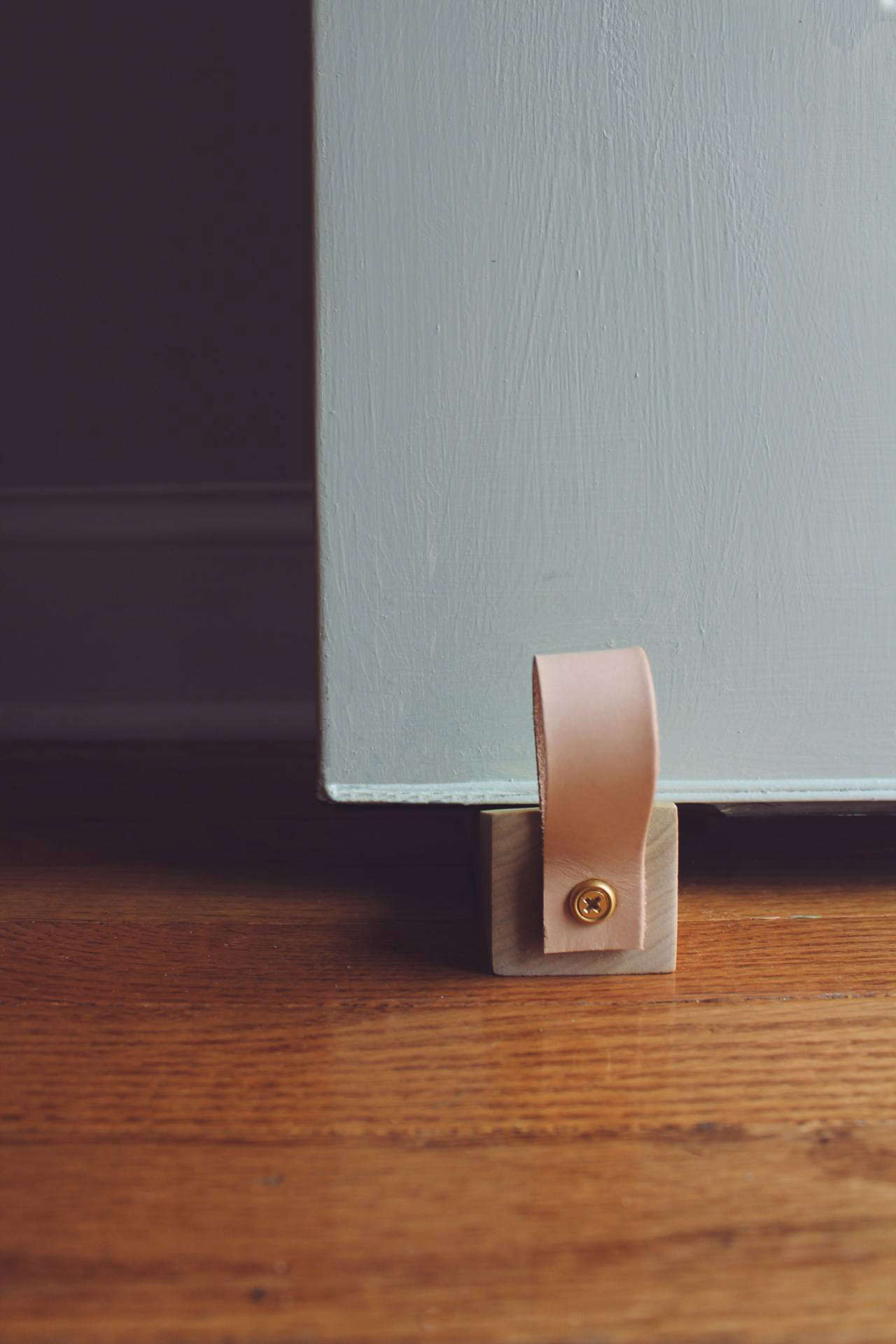
To craft a high-end custom doorstop that resonates with this movement, one must look beyond the utility of a rubber wedge. By pairing a reclaimed wood base (approximately 1.5" x 6.5") with a vegetable-tanned leather loop and polished brass hardware, you create an accessory that surpasses synthetic alternatives in both durability and soul. This isn't just a DIY project; it is a masterclass in blending environmental stewardship with high-end craftsmanship.
I. The 2026 Trend: Authenticity Over Artificiality
We are currently navigating a shift where "luxury" is synonymous with "provenance." Market projections for 2026 indicate a staggering 82% preference among luxury homeowners for home accessories crafted from reclaimed materials over synthetic mimics. This isn't a mere aesthetic whim; it is a rejection of the disposable culture that has plagued home renovation for decades.
In modern and industrial spaces, the "visible history" of wood—the ghost of a saw mark, the dark stain of an old nail hole, or the silvered patina of aged oak—is valued as a luxury standard. These are not flaws; they are credentials. Furthermore, the demand for full-service "mill-to-install" woodworking fabrication has increased by 45%. This reflects a broader consumer shift toward long-term quality. When you hold a piece of reclaimed timber, you are holding a carbon-sequestering artifact that has already survived one lifetime and is ready for its next.
II. Essential Materials for the Narrative Doorstop
Before we put saw to wood, we must curate our palette. The success of a high-end piece lies in the juxtaposition of raw, rugged textures and refined, polished accents. We aren't just building a tool; we are composing a material narrative.
| Material | Specification | Purpose |
|---|---|---|
| Reclaimed Wood | 1.5" x 1.5" x 6.5" (Poplar, Oak, or Pine) | The structural and historical foundation. |
| Leather Strap | 5-inch Vegetable-Tanned (1/2 inch wide) | Provides a tactile handle and organic contrast. |
| Hardware | No. 6 Brass Finishing Washers & Flat-head Screws | Adds a "jewelry" element to the industrial base. |
| Paint | High-Gloss White (Acrylic or Latex) | Creates a modern, "dipped" aesthetic. |
| Finish | Minwax Polycrylic (Satin or Matte) | Protects the natural grain without altering its color. |
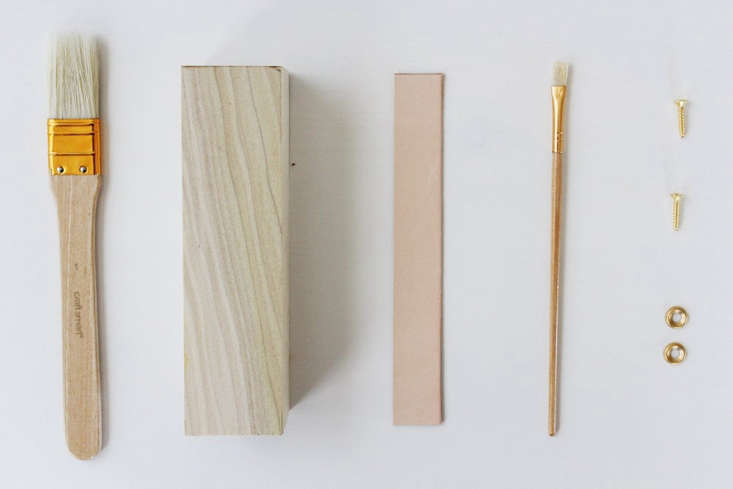
Selecting the right timber is paramount. Look for offcuts from local heritage builds or reclaimed flooring. A piece of 2x2 (actual size closer to 1.5" x 1.5") provides the perfect heft. The goal is a finished wedge that feels substantial in the hand—a piece of the Earth modified for the home.
III. Step-by-Step Fabrication Guide
Crafting this wedge requires a blend of precision and respect for the material's original state. We want to clean the wood, not erase its past.
Step 1: The Precision Cut
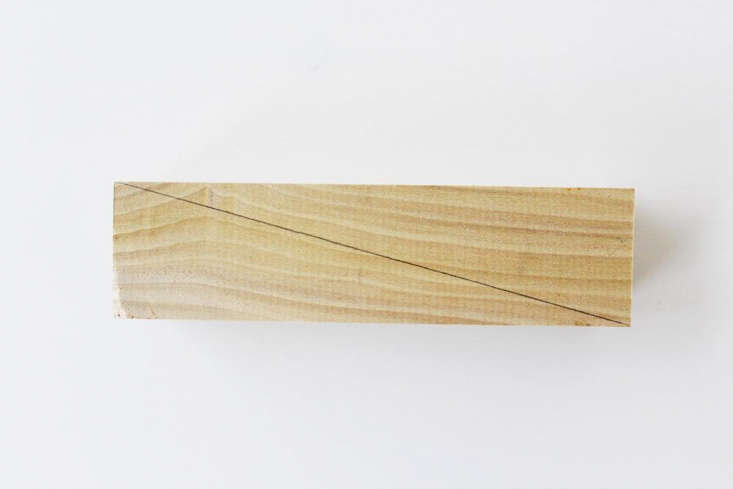
The geometry of a doorstop is deceptively simple. You want an angle that is steep enough to catch the door but shallow enough to slide under various clearance heights. Mark a diagonal line across your 6.5-inch timber length. Using a miter saw or a fine-toothed hand saw, execute the cut.
Step 2: Sanding and Surface Prep
Sanding is where the "story" of the wood is revealed. Start with a coarse 80-grit sandpaper to remove any splinters or modern grime, then transition to 120 and finally 220-grit for a buttery-smooth finish.
Editor's Note: While sanding, focus on the edges. Beveling the sharp corners slightly (a process known as "easing the edges") prevents the wood from chipping over time and gives it a more professional, "milled" appearance.
Step 3: The Tipped Aesthetic
To bridge the gap between "rustic" and "modern," we use the "dipped" technique. Tape off the last 1.5 to 2 inches of the thick end of the wedge. Apply two coats of high-gloss white paint. This provides a clean, gallery-like contrast to the textured wood grain.
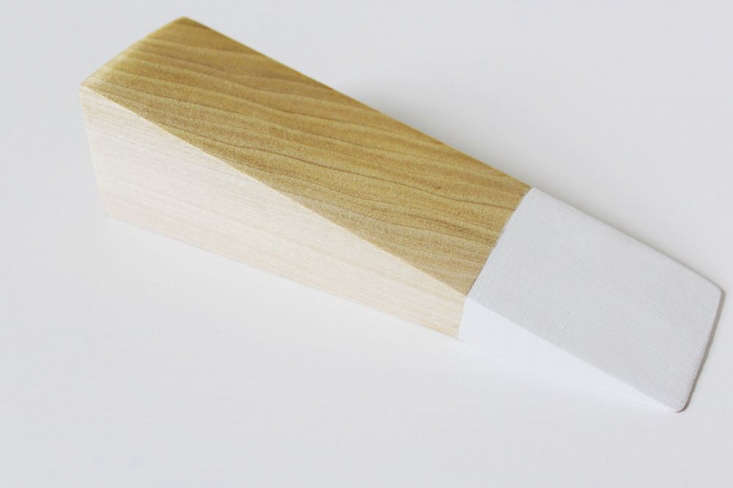
Critical Warning: Once the paint is dry, you will want to seal the natural wood sections with Polycrylic. However, avoid coating the white-painted tips. While Polycrylic is water-based, the chemical interaction with certain white pigments can cause a yellowing effect over several months, ruining the crisp "sustainable luxury" aesthetic.
Step 4: Leather Loop Installation
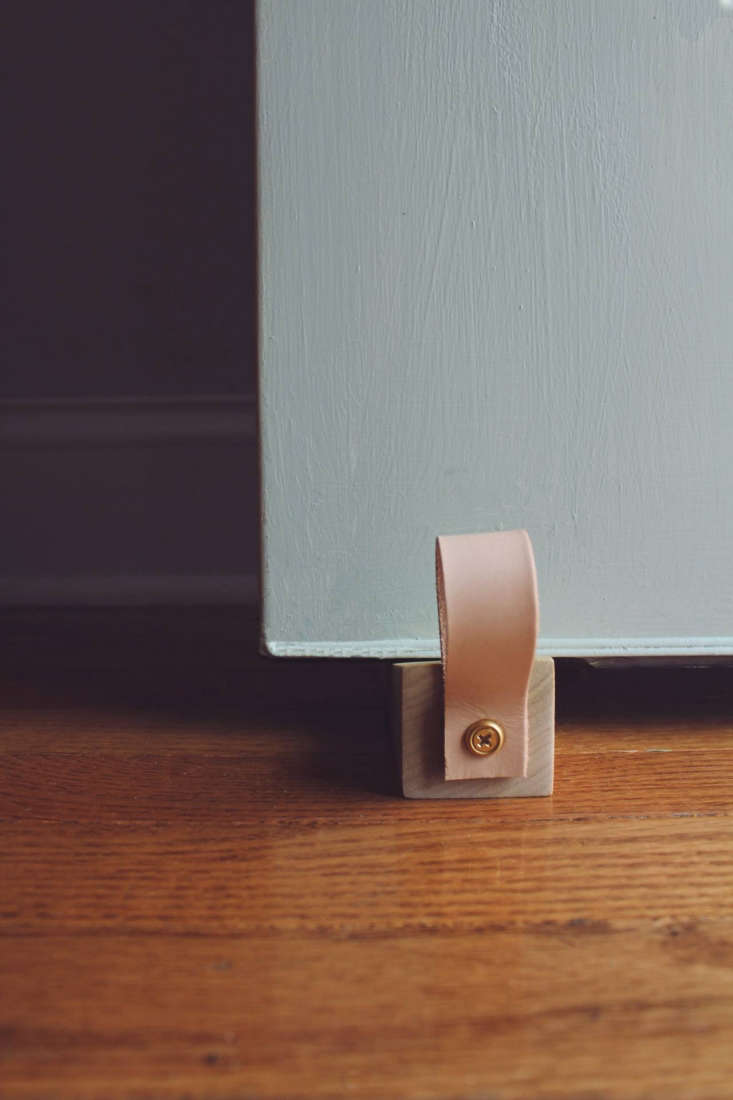
The leather loop is the crowning detail. Measure a 5-inch strip of vegetable-tanned leather. Fold it into a loop and pre-drill a small pilot hole through both ends of the leather and into the top of the wooden wedge.
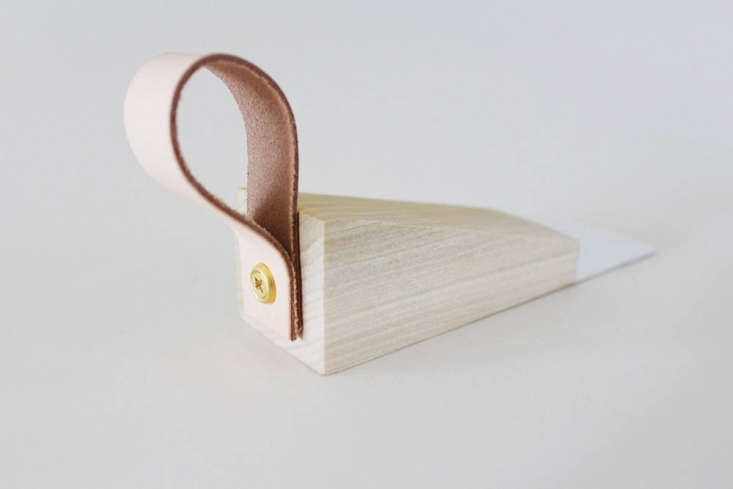
Secure the loop using a No. 6 brass finishing washer and a matching brass screw. The washer is vital—it prevents the screw from tearing through the leather while adding a sophisticated, metallic gleam that complements the organic wood.
IV. Advanced Craftsmanship: Leather Carving & Detailing
For those looking to push the 2026 "Custom" trend further, consider personalizing the leather strap. Using a swivel knife, you can carve subtle patterns or "2026" branding into the leather while it is slightly damp (a process called "casing").
Beveling the edges of the leather with a dedicated edge-shave tool and burnishing them with a wooden slicker will make the strap "pop." This level of detail is what separates a DIY project from a piece of "Sustainable Luxury" furniture. It signals to any guest that every element of your home has been curated with intention and care.
V. Styling Your Custom Wedge in Modern Interiors
Once completed, the reclaimed wood doorstop serves as a functional anchor. In a minimalist setting, it introduces a necessary warmth that prevents the space from feeling cold or clinical. In industrial lofts, it echoes the raw materials of the architecture—exposed brick and steel—while the brass hardware ties into modern lighting fixtures.
The beauty of the 1.5" x 6.5" dimensions is its versatility. It is large enough to be a visual focal point but sleek enough to remain unobtrusive. It sits at the intersection of transitional and industrial design, proving that eco-friendly habits do not require a sacrifice in style.
FAQ
Q: Why use reclaimed wood instead of new lumber from a hardware store? A: Beyond the environmental benefits of upcycling, reclaimed wood has a tighter grain and lower moisture content, making it more stable. It also possesses a unique patina—saw marks, weathering, and nail holes—that cannot be authentically replicated in new wood.
Q: Is vegetable-tanned leather truly sustainable? A: Yes. Unlike chrome-tanned leather, which uses heavy chemicals, vegetable tanning uses natural tannins found in bark and leaves. It is a slower, more artisanal process that results in a leather that ages beautifully, developing a rich patina over time.
Q: How do I maintain the brass hardware? A: Real brass will naturally oxidize over time, taking on a deeper, muted tone. If you prefer the high-shine look, a quick polish with a microfiber cloth and a drop of brass cleaner once a year will keep it sparkling.
Elevate Your Space
As we move toward a future where our homes are reflections of our values, the choices we make in our smallest accessories matter. Crafting a reclaimed wood doorstop is more than a weekend project; it's an exercise in mindful living. It’s about choosing the "mill-to-install" quality over the "buy-and-discard" cycle.
I encourage you to source a piece of timber with a history, find a scrap of leather that feels good in your hand, and build something that will last as long as the door it holds open.