Have you ever noticed how we treat our pantries like a curated library—neatly categorized by grain, spice, and snack—yet we treat our refrigerators like a digital junk drawer? We shove things into the dark recesses of the back shelf, only to rediscover them weeks later as a science experiment. This psychological disconnect is what I call the "Cold Storage Gap," and bridging it is the secret to a high-functioning kitchen.
By applying Pantry Logic—the system of zoning, labeling, and utilizing vertical space typically reserved for dry goods—to your refrigerator, you can transform it from a source of stress into a tool for efficiency. This isn't just about aesthetics. When you implement vertical stacking and professional zoning techniques, you can actually increase your usable storage capacity by up to 40% compared to standard, haphazard shelf-loading. More importantly, using transparent storage systems and visibility-first layouts can reduce your household food waste by an estimated 25%, as items no longer vanish into the "back-of-the-shelf" abyss.
1. The Power of Zoning: Categorize to Conquer
In a well-organized pantry, you wouldn't put a bag of flour next to the potato chips. Why, then, do we place the heavy cream next to the leftover lasagna? Refrigerator zoning is the practice of assigning permanent "real estate" to specific categories of food. This mental map allows every member of the household to know exactly where to find—and more importantly, where to return—every item.
The most effective way to zone is by usage rather than just food type. Consider creating a dedicated "Snack Zone" at eye level for healthy, grab-and-go options, and a "Meal Prep Zone" for pre-chopped vegetables or marinating proteins. This prevents the frantic "game of hide-and-seek" that often leads to ordering takeout because you "couldn't find anything to eat."
Pro-Tip: Adopt the FIFO (First In, First Out) rule borrowed from professional kitchens and high-end pantries. When you unload groceries, move the older items to the front of their respective zones and place the new items behind them. This simple habit ensures that nothing expires simply because it was buried by a fresh gallon of milk.
By categorizing items into specific areas, you ensure that perishables stay within your primary line of sight. This visibility is the primary driver in reducing food waste. When you see that container of hummus every time you open the door, you are significantly more likely to eat it before it spoils.
2. Essential Tools: The 'Dry Storage' Kit for Cold Spaces
The cornerstone of pantry logic is the use of containers to create "drawers within shelves." Standard refrigerator shelves are often too deep and too far apart, leading to wasted vertical space. To solve this, you need a toolkit that mirrors the transparency and stackability of a high-end pantry.
When choosing your tools, transparency is non-negotiable. If you can’t see it, you won’t eat it. I recommend a mix of materials based on your lifestyle and budget. For those looking for a budget-friendly entry point, the IKEA KLIPPKAKTUS range is a game-changer; starting at just $3, these bins are designed to hang from shelves or stack, reclaiming that "dead air" at the top of each level. For those seeking a "Quiet Luxury" aesthetic, The Home Edit’s line of clear acrylic bins offers a uniform, polished look that makes your fridge feel like a boutique.
| Tool Type | Best For | Why It Works |
|---|---|---|
| Clear Stackable Bins | Berries, Yogurts, Deli Meats | Utilizes vertical height and keeps small items contained. |
| Lazy Susans | Condiments, Jars, Sauces | Provides 360-degree access to items that usually get lost in corners. |
| Glass Containers | Leftovers, Prepared Grains | Provides superior visibility and is microwave-safe for easy reheating. |
| Silicone Food Huggers | Half-cut Lemons or Onions | Reduces the need for single-use plastics and keeps produce visible. |
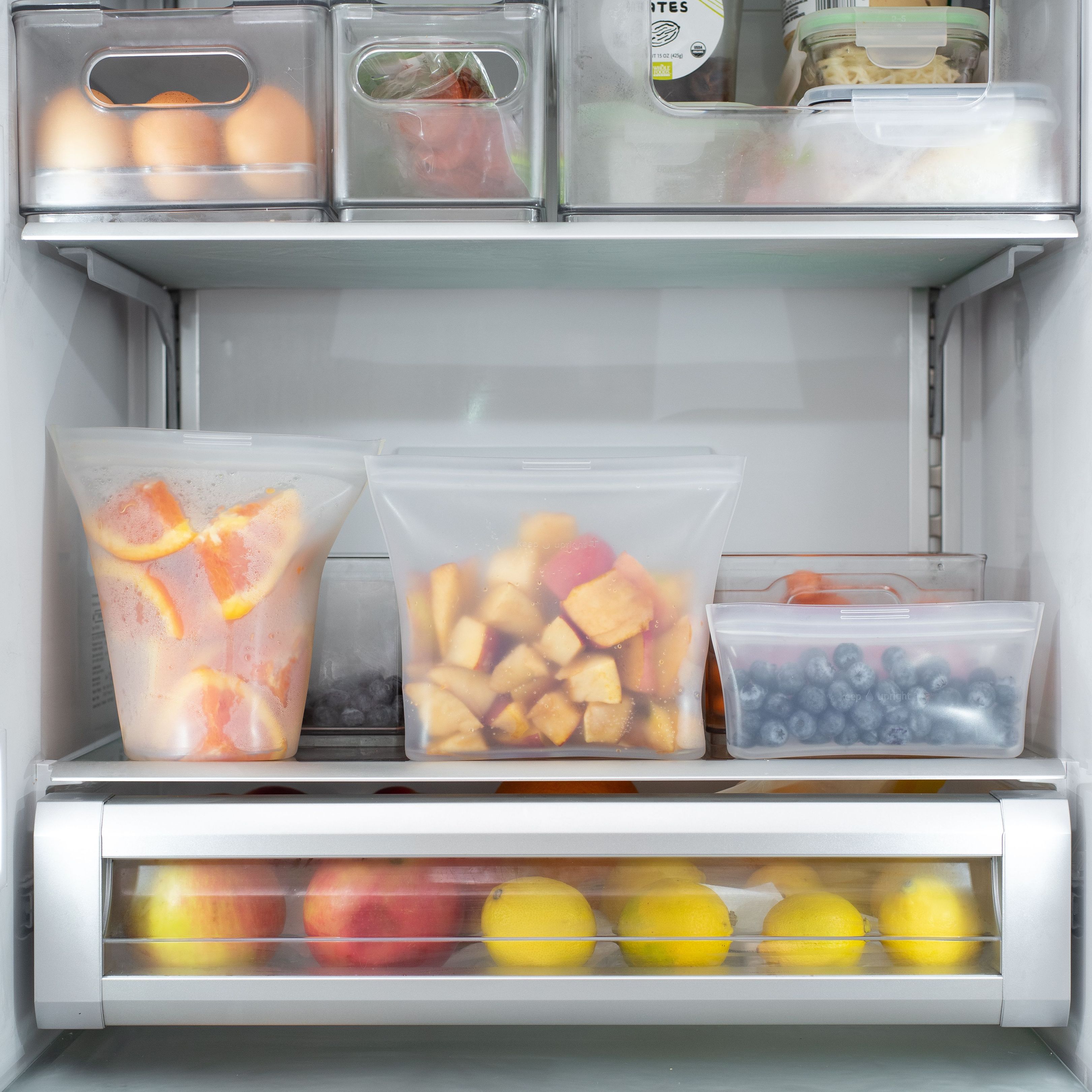
Choosing the right bins is about more than just "tidying up." It's about creating a modular system that can grow and change with your grocery habits.
3. Advanced Verticality: Stacking and Elevating
Most people underutilize the height of their refrigerator. If you look at your shelves right now, you likely see 4 to 6 inches of empty air above your items. In a pantry, we use risers or stackable cans to fix this. In the fridge, we apply the same logic.
Stackable, transparent bins allow you to double your storage capacity on a single shelf. This is particularly useful for items that come in multiples, like yogurt cups or soda cans. By stacking them, you free up floor space on the shelf for larger, bulkier items like a head of cabbage or a roast.
However, the real "secret weapon" of the professional organizer is the Lazy Susan. Condiments are the primary culprits of fridge clutter; they are numerous, vary in size, and almost always migrate to the back corners. By placing your condiments on a turntable, you turn a deep, dark corner into a high-access zone. One quick spin brings that jar of Dijon mustard from the back to the front instantly.
For those with very small fridges, consider suction-cup drawers or under-shelf baskets. These "floating" storage solutions are perfect for small, flat items like cheese slices or ginger roots that often get crushed under heavier items.
4. Freshness Hacks: Treating Produce Like a Pantry Inventory
In a pantry, we store onions and potatoes in breathable baskets to ensure longevity. In the fridge, we often make the mistake of leaving produce in the suffocating plastic bags from the grocery store. To master your fridge, you must treat your produce with the same respect as your dry inventory.
One of my favorite "Pantry Logic" adaptations is the Bouquet Technique for soft herbs like cilantro, parsley, and mint. Instead of shoving them in the crisper drawer, treat them like a vase of flowers. Trim the stems and place them in a small glass jar with an inch of water. This can extend the life of your herbs by up to a week, preventing that sad, slimy green mess at the bottom of the drawer.
Proper airflow is also vital. Many modern refrigerators have humidity-controlled drawers, but they only work if they aren't overpacked. Aim for "loose" storage. Remove produce from plastic bags and place them in breathable bins or directly in the drawer.
Pro-Tip: Temperature zoning is the "science" side of pantry logic. The door is the warmest part of the fridge, so it should be reserved for shelf-stable items like soda and condiments. Eggs and dairy belong on the middle or top shelves where the temperature is most consistent.
5. Maintenance: The 5-Minute Sunday Reset
Even the most sophisticated system will fail without a maintenance routine. The "Sunday Reset" is a five-minute ritual that ensures your fridge stays a functional space rather than reverting to a storage locker.
- The Quick Purge: Before you go grocery shopping, do a quick sweep. Toss anything that has expired and move items that need to be eaten soon to a designated "Eat Me First" bin.
- The Wipe Down: Use a damp cloth to wipe any drips or sticky rings left by condiment jars. This prevents odors from building up.
- The Prep & Label: If you’ve bought new items, take three minutes to prep them. Wash your berries (but dry them thoroughly!) and put them in their clear bins.
- Labeling 101: Use a piece of painter's tape and a sharpie to date your leftovers. It sounds extra, but it removes the "Is this still good?" guesswork on a Tuesday night.
By treating your refrigerator with the same systematic care you give your pantry, you create a kitchen that works for you, rather than against you. It's about more than just a clean fridge—it’s about the calm that comes from knowing exactly what you have and where to find it.
FAQ
Q: Do I really need to buy expensive bins to be organized? A: Absolutely not. While high-end acrylic bins look beautiful, the logic is what matters. You can use clear plastic containers you already own, or even repurposed sturdy cardboard boxes (though these are harder to clean). The goal is transparency and containment.
Q: Where is the best place to store milk? A: Contrary to the design of many fridges, the door is the worst place for milk because it is the warmest area. Store your milk on the middle or bottom shelf, toward the back, where the temperature stays most consistent.
Q: How do I handle a fridge that is shared with roommates? A: Zoning is even more important in shared spaces! Use the "Pantry Logic" of labeling to assign specific shelves or bins to each person. Clear bins with names on them prevent the accidental "I thought that was my yogurt" mishaps.