Forget everything you’ve been taught about the "perfect" wedding registry or the rigid symmetry of a traditional five-piece place setting. For years, the gold standard of hosting was a uniform set of porcelain—predictable, identical, and, frankly, a bit soulless. But the modern table has evolved. Today, the most compelling dining spaces aren't those that look like a showroom floor; they are the ones that tell a story through "intentional variety."
To mix dinnerware patterns effectively, the goal isn't chaos—it’s visual depth. By layering a patterned charger under a solid plate or pairing the ruggedness of matte glazes with the refined sheen of glossy finishes, you create a landscape that feels curated rather than just "matched." This guide is about breaking the rules with purpose, helping you build a collection that feels as good in the hand as it looks under the candlelight.
The Foundation: Choosing Your Anchor Pieces
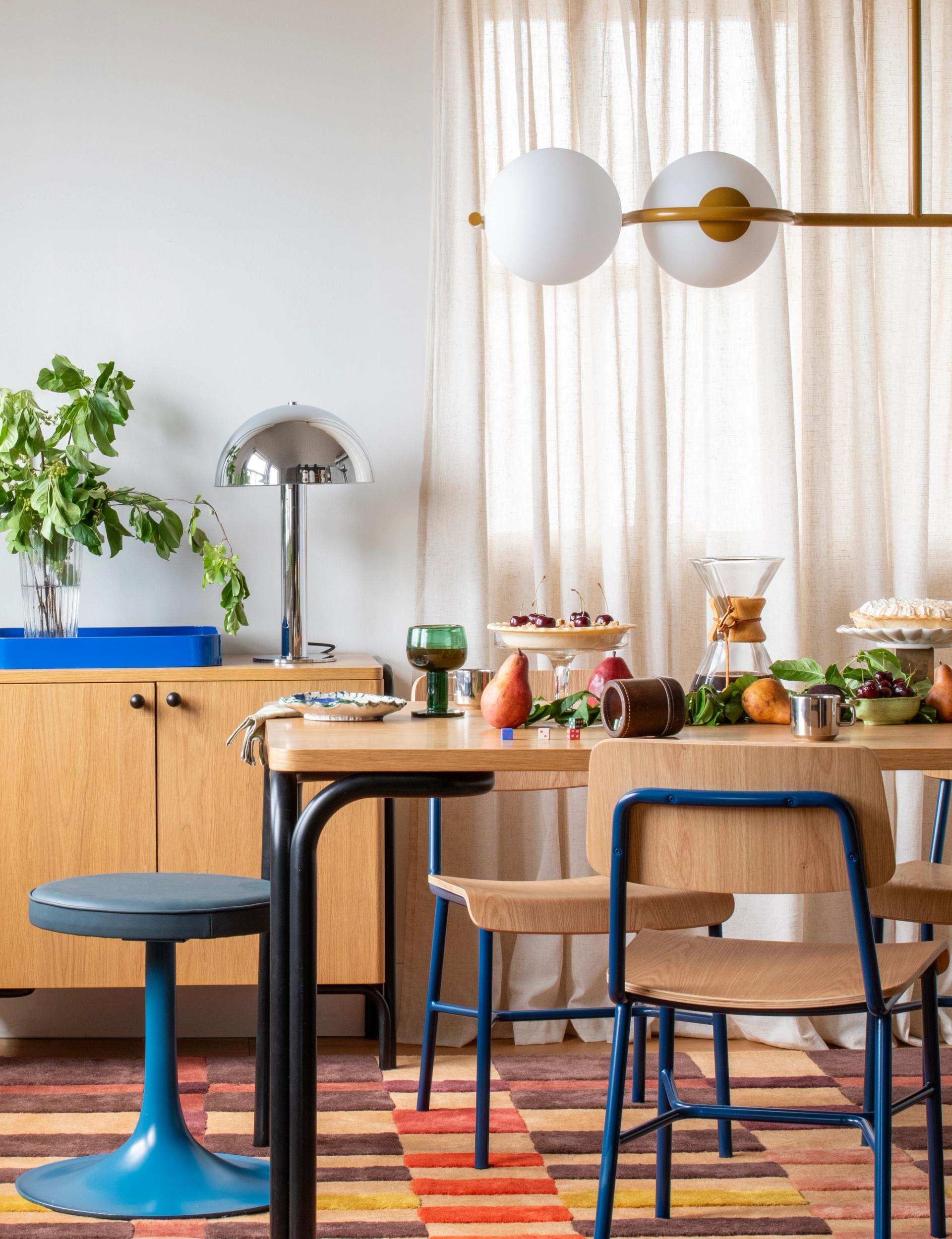
Every great room has an anchor—a velvet sofa, a hand-knotted rug, or a piece of statement art. Your table is no different. Before you experiment with wild patterns or daring textures, you need a core neutral palette to ground the composition.
Think of your anchor pieces as the "little black dress" of your dining room. I always recommend starting with warm whites, sandy beiges, or deep charcoals. Why? Because these tones act as a canvas for everything else. Interestingly, looking backward is often the best way to move forward in design. Design heritage data shows that iconic tableware designs from the 1940s and 1960s—periods obsessed with clean lines and organic forms—remain 100% compatible with today’s modern minimalist aesthetics. This timelessness is the secret weapon of successful eclectic styling; a plate designed 80 years ago can sit perfectly atop a contemporary linen runner.
Tips of the Trade: Selecting Your Base
- Stick to a Color Family: If you choose a "cool" palette, mix greys, blues, and whites. If you prefer "warm," lean into creams, terracotta, and ochre.
- The Rule of Three: Limit your primary "anchor" colors to three shades to maintain a sense of cohesion across the table.
- Invest in Longevity: Look for silhouettes that don't scream a specific decade. The rimless "coupe" shape is a favorite for its versatility.
Ivy’s Pro Tip: When starting from scratch, buy your "utility" pieces—like dinner plates—in your anchor neutral. Save the bold patterns for salad plates or pasta bowls that get layered on top.
Mastering Materials: Handcrafted Stoneware vs. Fine Porcelain
The most significant shift in modern tabletop design is the move away from the fragility of bone china toward the tactile, soulful weight of handcrafted stoneware. While porcelain offers a delicate, formal elegance, stoneware brings an earthy, human element to the meal.
For a modern table that feels both sophisticated and lived-in, I almost always point my clients toward the Heath Ceramics Rim Line. There is a reason this design has become a staple in legendary restaurants like Chez Panisse. Its signature unglazed rim exposes the raw clay, creating a beautiful contrast against the glazed surface. Over time, these unglazed edges develop a unique patina—a "velvet-soft" finish that reflects the history of your home.
Beyond the aesthetics, there is the matter of performance. High-quality handcrafted stoneware isn't just "art"; it’s an investment in durability. Long-term testing in professional kitchen environments—the most brutal testing ground imaginable—shows that premium stoneware can maintain a 0% chip rate even after five years of daily, heavy use. You aren't just buying a plate; you're buying a future heirloom.
Layering Techniques for Visual Depth
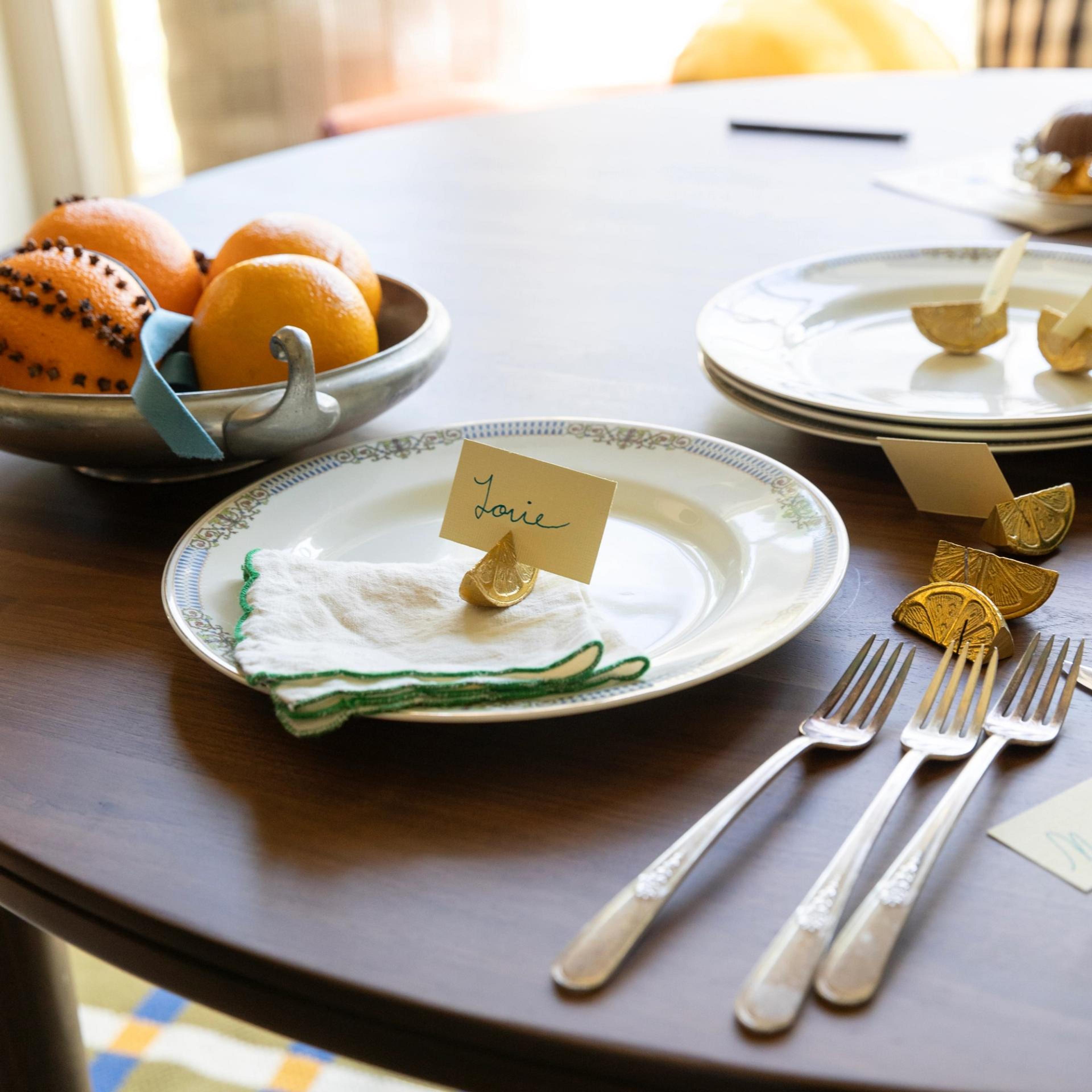
Layering is where the "Art of the Mix" truly happens. This is where you move from a functional meal to a designed experience. To master this, we use the Anchor and Accent rule.
- The Base (The Anchor): Place your largest, most neutral dinner plate down first. This provides the visual "weight."
- The Middle (The Pattern): Add your interest here. Use a patterned salad plate or a piece with a reactive glaze. A reactive glaze is a finish that fluctuates during firing, creating one-of-a-kind spots and swirls. It mimics a pattern without being a literal print.
- The Top (The Texture): Finish with a small bread plate or a soup bowl in a contrasting texture—perhaps a matte finish if the layers below are glossy.
When mixing patterns, look for a common thread. Perhaps two different patterns both feature a hint of cobalt blue, or they both share a geometric motif. This commonality prevents the table from feeling like a jumble and makes the variety feel purposeful.
Adding Dimension: Height and Asymmetry
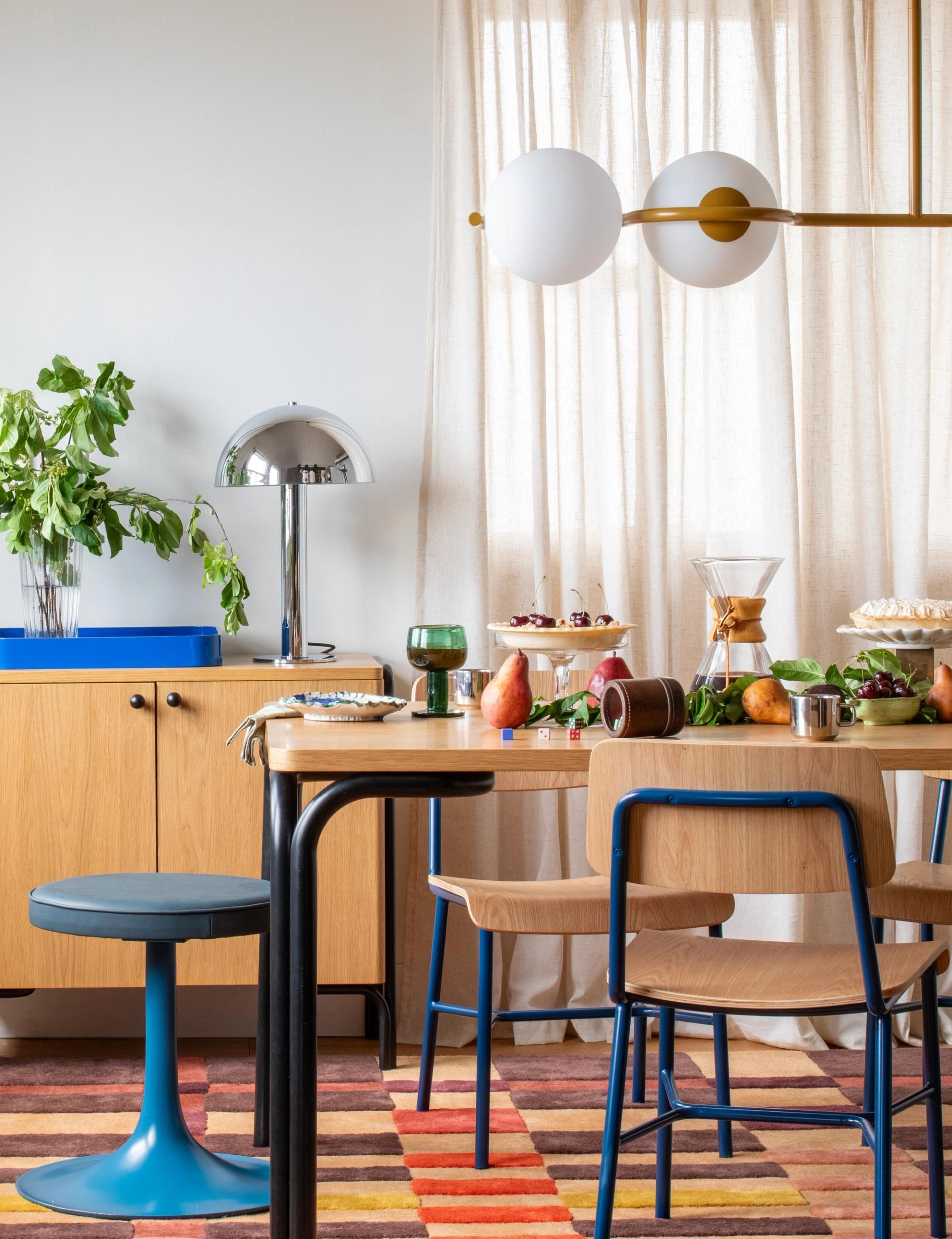
A flat table is a boring table. In interior design, we talk about "leading the eye," and the same principle applies to your dining setup. The best way to add height and break the horizontal plane is through a combination of tall taper candles, stacked bowls, and varied centerpieces.
The Power of Purposeful Imperfection The modern aesthetic embraces asymmetry. Instead of one large centerpiece in the exact middle of the table, try a "staggered" approach.
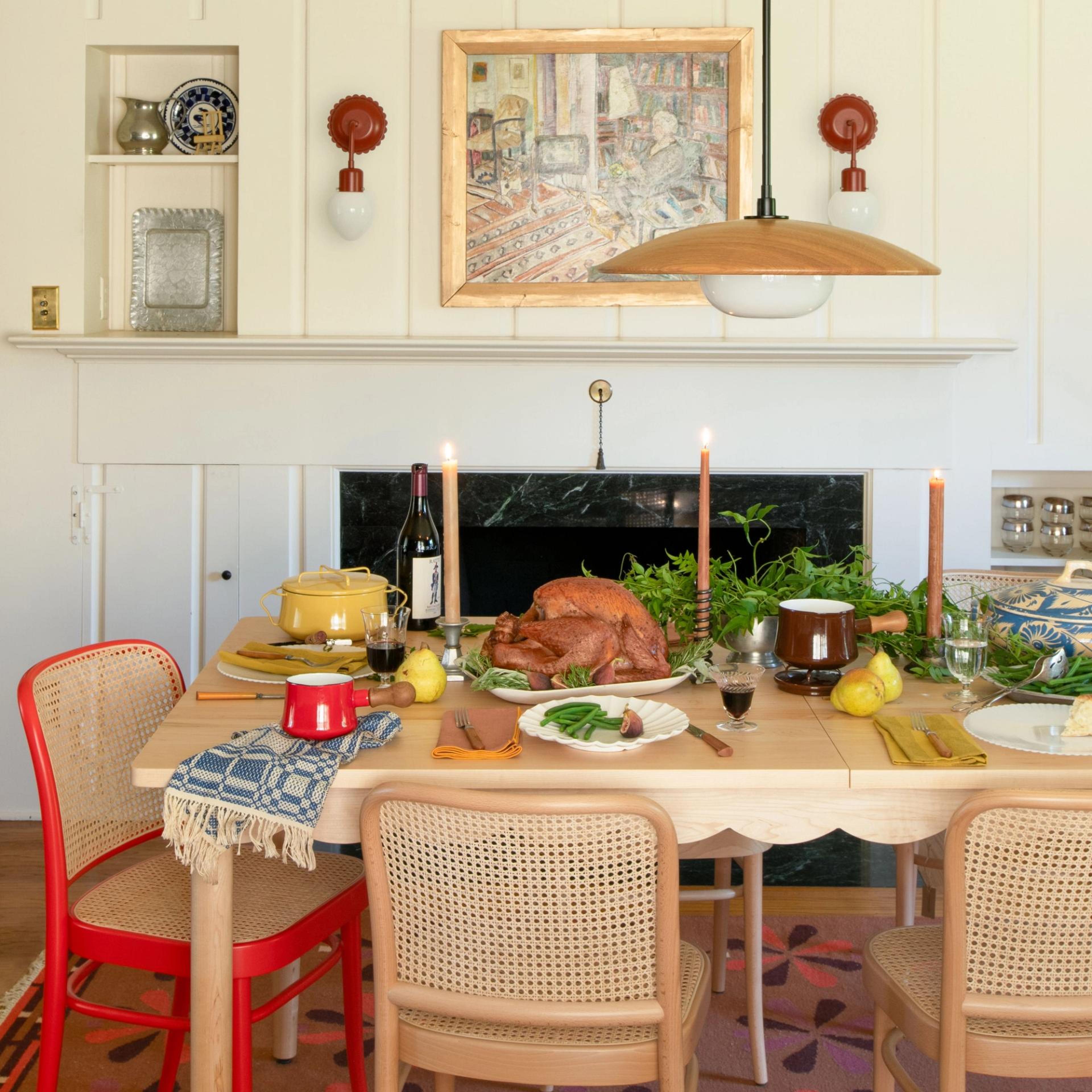
- Verticality: Use tall, slim taper candles in varying heights. This creates a rhythmic "up and down" motion for the eyes.
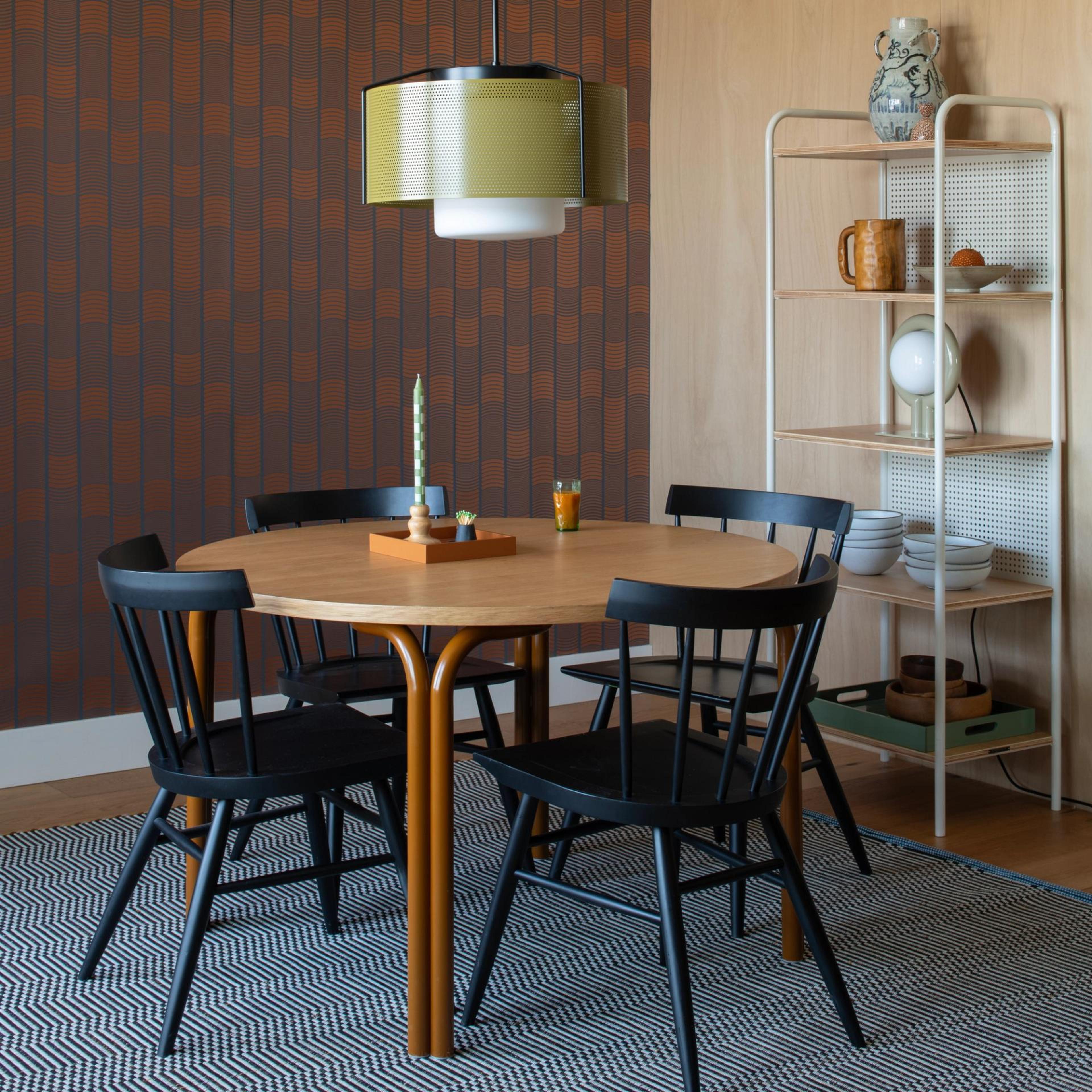
- Volume: Stack your bowls. Even if you aren't serving soup, a small bowl perched atop a plate adds an architectural element to the setting.
- Organic Elements: Don't rely solely on manufactured items. Intersperse your stoneware with natural textures—smooth river stones, a branch of seasonal berries, or even a bowl of highly textured artichokes. These elements soften the hard lines of the ceramics.
Building a Collection for Your Life
Ultimately, your tableware should reflect how you actually live and eat. I often ask my readers: "Are you bowl people or plate people?"
If your "modern living" consists of grain bowls, pastas, and salads eaten on the sofa, your collection should be bowl-heavy, focusing on deep, wide "rimmed bowls" that prevent spills and feel substantial in the hand. If you host formal Sunday roasts, you’ll want to lean into the classic Rim or Coupe lines that offer more surface area for plating.
Why [X] Matters Now: The Curated Cupboard We are moving away from the "all or nothing" mentality of buying 12-person sets. Modern collectors are buying in twos and fours, mixing and matching lines (like pairing a classic Rim dinner plate with a minimalist Coupe salad plate) to build a cupboard that feels like a gallery of their personal taste. This approach is more sustainable and allows you to support different artisans or brands as your budget allows.
FAQ
Q: Can I mix different brands of tableware together? A: Absolutely. In fact, I encourage it. The key is to ensure the "visual weight" is similar. You don't want a paper-thin porcelain plate sitting next to a heavy, thick-walled stoneware bowl. As long as the scale and the color temperature (warm vs. cool) are aligned, mixing brands is the best way to achieve an eclectic, designer look.
Q: How do I prevent my mixed table from looking messy? A: Stick to a "Common Thread." This could be a color, a material (like all stoneware), or a finish (like all matte). If you have three different patterns but they are all in shades of charcoal and white, the table will look sophisticated and intentional rather than cluttered.
Q: Is handcrafted stoneware really microwave and dishwasher safe? A: Most high-quality stoneware, like Heath Ceramics, is designed for modern life and is safe for both. However, always check the manufacturer’s notes. The "0% chip rate" data mentioned earlier specifically applies to high-fire stoneware, which is much denser and more durable than the cheaper earthenware found in big-box stores.
Ready to transform your dining experience? Start by picking one "anchor" piece you love and build out from there. Remember, the most beautiful tables aren't perfect—they’re personal.