Summary Box: The 2026 Kitchen Cleaning Standard
Modern kitchen maintenance in 2026 has shifted toward non-toxic, pantry-based systems. The "Big Four" of natural cleaning—white vinegar, baking soda, salt, and vodka—provide a complete toolkit for sanitizing and degreasing. To restore stainless steel, use white vinegar followed by a light mineral oil polish for a streak-free shine. For burnt pans, a baking soda paste left overnight neutralizes odors and lifts debris effortlessly. To cut cleaning time in half, use salt on wet oven spills to absorb grease before it hardens.
We have all been there—standing in the center of the kitchen after a long week, looking at the fingerprints on the fridge, the mysterious residue on the range hood, and the dull haze over the sink. It is easy to feel overwhelmed, but as we move through 2026, the way we care for our homes is changing. We are no longer reaching for a dozen different plastic bottles filled with neon-colored chemicals. Instead, we are looking back to move forward, reclaiming the high-efficiency simplicity of the pantry staples our grandmothers used, backed by modern science.
1. The 2026 Shift to Non-Toxic Kitchen Care
The "Fresh Start" deep clean is no longer just a chore; it has become a ritual of home wellness. There is a profound psychological shift that happens when you clear the grime from the place where you nourish your family. In 2026, this shift is fueled by a desire for transparency and sustainability. Recent consumer data indicates that 68% of U.S. households now prefer using pantry staples like white vinegar and baking soda over traditional chemical cleaners for kitchen maintenance. We are prioritizing the air quality of our homes and the longevity of our surfaces.
The core of a functional, systems-driven kitchen lies in the "Big Four": white vinegar for cutting through alkaline scales and grease, baking soda for its gentle abrasive power and odor neutralization, salt for its absorbent and scrubbing properties, and high-proof vodka for its rapid-evaporating disinfection. These aren't just "hacks"; they are the foundation of a modern, eco-friendly kitchen degreasing strategy.
2. The Appliance Reset: Making Steel and Enamel Shine
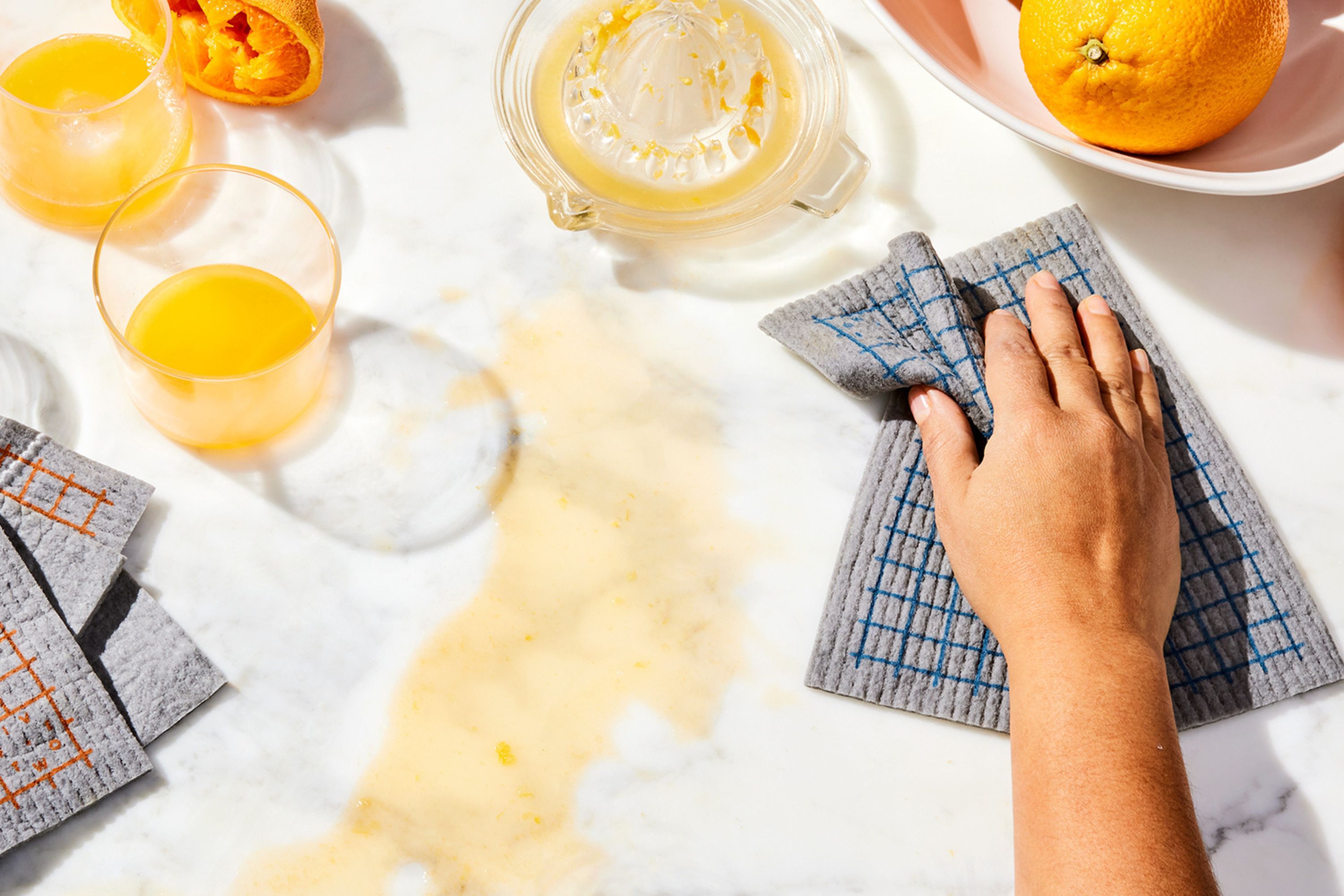
Your appliances are the workhorses of the kitchen, and they deserve a reset that doesn’t leave behind a chemical film. Stainless steel, in particular, is notorious for showing every single touch, but the solution is likely already in your kitchen cabinet.
Trick 1: The Vinegar & Mineral Oil Polish To naturally clean stainless steel appliances and achieve that showroom glow, start by spraying white vinegar directly onto the surface. Wipe in the direction of the metal’s grain to remove fingerprints and grease. Once dry, apply a few drops of mineral oil to a microfiber cloth and buff it in. This creates a light, protective barrier that resists future smudges and provides a streak-free, protective shine.
Trick 2: Vodka for Surface Disinfection When you need to disinfect high-touch areas like fridge handles or control knobs, reach for the vodka. Its high alcohol content kills bacteria effectively. Simply spray, let it sit for a minute, and wipe. Because it evaporates so quickly, it’s safer for electronic displays than water-based cleaners.
Trick 3: The Tang Dishwasher Hack If your dishwasher is looking dull or has hard water buildup, use the citric acid found in Tang Orange Drink or plain citric acid powder. Pour it into the detergent dispenser and run an empty hot cycle. The acid breaks down mineral deposits and leaves the interior sparkling.
Trick 4: Hydrogen Peroxide & Baking Soda For those baking sheets that have seen better days, create a paste of hydrogen peroxide and baking soda. Spread it over the brown, baked-on stains and let it sit for two hours. You will be amazed as the carbonized grease lifts away with minimal scrubbing, restoring them to like-new condition.
Trick 5: The Overnight Oven Spray Skip the "Self-Clean" cycle which can damage your oven’s heating elements. Instead, spray the interior with a mixture of white vinegar, water, and a few drops of dish soap, then sprinkle baking soda over the wet surfaces. Let it bubble and sit overnight. In the morning, the grease will have turned into a soft paste that wipes away easily.
3. Banishing Burnt-On Grime and Grease
Nothing disrupts the calm of a kitchen like the smell of something burning on the stovetop. The key to handling these messes is speed and the right abrasive.
Trick 6: The Salt Application for Wet Spills This is a game-changer for oven maintenance. Laboratory tests on natural cleaning methods show that a simple salt application on wet oven spills can reduce post-cooktop cleaning time by up to 50%. If a pie bubbles over or a casserole splashes, immediately cover the spill with a generous layer of salt. The salt absorbs the liquid and prevents it from hardening into a "glassy" carbon layer. Once the oven cools, the salt-clumped mess can be scraped out in seconds.
Trick 7: Baking Soda Paste for Burnt Pans For removing burnt-on food from your favorite stainless steel or enamel pans, don't reach for the steel wool. Apply a thick paste of baking soda and water. Let it sit overnight; the alkaline nature of the soda works to neutralize the acidic components of the burnt food and loosen debris. By morning, you can wipe it clean without heavy scrubbing, preserving the finish of your cookware.
Trick 8: Vegetable Oil for Range Hoods It sounds counterintuitive, but "oil attracts oil." To remove the sticky, dust-laden grease from the top of your range hood, put a few drops of vegetable oil on a paper towel and wipe the surface. The fresh oil breaks the molecular bond of the old, hardened grease. Follow up with a quick wipe of white vinegar to remove the residue.
Trick 9: Boiling Water & Baking Soda Soak Your range hood filters are often the most neglected part of the kitchen. Fill your sink with boiling water, add half a cup of baking soda, and a squirt of dish soap. Submerge the filters and watch the grease dissolve. It’s an incredibly satisfying part of a deep-clean ritual.
Trick 10: Cream of Tartar for Porcelain If your white porcelain sink or coffee mugs have grey scuff marks from silverware, cream of tartar is your secret weapon. It is a mild acid that acts as a gentle bleaching agent. Make a paste with water, rub it into the scratches, and watch them disappear.
| Cleaning Task | Traditional Chemical Cost (Est.) | Pantry Staple Cost (Est.) | 2026 Value Advantage |
|---|---|---|---|
| Oven Degreasing | $8.50 (Aerosol Spray) | $0.45 (Baking Soda/Vinegar) | 94% Savings |
| Stainless Steel Polish | $12.00 (Specialty Spray) | $0.20 (Vinegar/Oil) | 98% Savings |
| Drain Deodorizing | $7.00 (Chemical Foamer) | $0.60 (Lemon/Salt/Ice) | 91% Savings |
| Total Deep Clean | $45.00 - $60.00 | $5.00 - $8.00 | High Efficiency/Eco-Friendly |
4. Sinks, Drains, and Hidden Odor Zones
The sink is the "heart" of the kitchen's functional flow. When it is clean and fresh, the whole room feels lighter.
Trick 11: Lemon Ice Cubes & Rock Salt Clean your garbage disposal blades and deodorize the unit simultaneously by tossing in a handful of ice cubes, a tablespoon of rock salt, and a few lemon wedges. The ice and salt act as a mechanical abrasive to "scrub" the blades, while the lemon provides a natural scent and acidity to kill bacteria.
Trick 12: The Toothbrush Guard Scrub The underside of the black rubber disposal flap is a hidden colony for mold and food particles. Dip an old toothbrush in white vinegar and scrub the underside of that flap. It’s a 30-second task that eliminates 90% of "mystery" kitchen smells.
Trick 13: Uncooked White Rice for Vases Narrow-necked decanters or vases are impossible to scrub. Pour in a handful of uncooked white rice, a little warm water, and a drop of soap. Swirl vigorously. The rice grains act as tiny scrubbers that reach every curve of the glass without scratching it.
Trick 14: Vodka for Dish Towel Odors If your kitchen rags have a musty "sour" smell even after washing, add half a cup of vodka to the rinse cycle. The alcohol kills the odor-causing bacteria that standard detergents often miss, leaving your textiles truly fresh.
Trick 15: Ketchup for Copper Cookware Copper pots look beautiful but tarnish quickly. The acetic acid in ketchup reacts with the copper oxide (tarnish) to dissolve it. Spread a thin layer over the copper, let it sit for 10 minutes, and rinse. It will look brand new without any harsh polishing pastes.
5. Textiles and Specialized Surfaces
Deep cleaning isn't just about hard surfaces; it’s about the fabrics and the tricky "in-between" spaces that accumulate the debris of daily life.
- Trick 16: Boiling Water for Apron Stains: For fruit or berry stains on aprons or table linens, use the "Heat and Velocity" method. Stretch the fabric over a bowl and pour boiling water through the stain from about a foot above. The pressure and heat flush the pigment out of the fibers.
- Trick 17: Hot Milk for Red Wine Stains: If a glass of red wine tips over during a dinner party, soak the spot in hot milk. The proteins in the milk bind to the tannins in the wine, lifting the color out of the fabric before it sets.
- Trick 18: Cornstarch or Salt for Oil Spills: If you drop salad dressing on a rug or upholstered chair, immediately cover it with cornstarch or salt. Let it sit for 20 minutes to draw the oil out of the fibers, then vacuum it up.
- Trick 19: Eucalyptus Oil for Sticker Residue: New kitchen gadgets often come with stubborn adhesive labels. A drop of eucalyptus oil or even peanut butter (due to the oils) will break down the sticky residue naturally, allowing you to wipe it away with a cloth.
- Trick 20: Cotton Fabric Fridge Covers: This is a classic "Grandma trick" for the 2026 home. Place a piece of washable cotton fabric or parchment paper on top of your upper cabinets or refrigerator. These areas are magnets for "greasy dust." Instead of scrubbing, you simply swap the fabric once every few months and toss the old one in the wash.
6. Creating a Sustainable 2026 Cleaning Rhythm
A deep clean is only as good as the system that maintains it. I always recommend the 4-Box Method for kitchen decluttering before you even start cleaning:
- Relocate: Items that belong in other rooms.
- Donate: Multiples of tools you don't use (do you really need four vegetable peelers?).
- Repair: Items waiting for a fix.
- Recycle/Trash: Expired pantry items or broken plastics.
Once decluttered, follow a top-to-bottom sequence. Start with the tops of the cabinets and the light fixtures, moving down to the counters, and finally ending with the floors. This ensures that any dust or debris you kick up during the process doesn't land on a surface you've already cleaned. By integrating these DIY non-toxic cleaning guides into your monthly routine, you create a home that isn't just clean—it’s a sanctuary.
7. FAQ
Q: Is white vinegar safe for all kitchen surfaces? A: No. While it's a miracle worker for most things, avoid using vinegar on natural stone like marble or granite. The acid can etch the stone over time, causing it to lose its shine. For stone, stick to mild dish soap and warm water.
Q: Can I mix baking soda and vinegar in a bottle for later use? A: No. The "fizzing" reaction is the two neutralizing each other. Once the fizzing stops, you're essentially left with salty water. It’s best to use them sequentially—baking soda to scrub, then vinegar to rinse—or use the reaction immediately to break up a clog.
Q: How often should I perform these deep-cleaning tricks? A: I recommend a "High-Touch" clean weekly (handles, sinks) and a "Deep Reset" (appliances, filters, cabinets) once a quarter. This prevents grime from ever becoming "permanent."
8. Final Thoughts
Your kitchen is the engine room of your home. By choosing these natural kitchen cleaners, you are making a choice that benefits your health, your wallet, and the environment. There is a specific kind of "cleaning dopamine" that comes from seeing a burnt pan return to a mirror finish using nothing but a staple from your baking shelf.
Start small—maybe just with the salt trick the next time something spills in the oven—and watch how these small systems transform your relationship with your home.