Quick Facts
- Site History: Original 1855 barbershop located on Degraw Street in Cobble Hill.
- Architect: Elizabeth Roberts Architects.
- Style: Residential-commercial hybrid prioritizing quiet luxury.
- 2026 Color Palette: Restorative Darks featuring Rojo Marrón and Plum Brown.
- Productivity Lift: 17% increase via ergonomic curation and neurodiverse-friendly zones.
- Core Strategy: Adaptive reuse removing dated acoustic tiles and vinyl for high-end textures.
From an 1855 barbershop to a high-performance 2026 headquarters, this Brooklyn transformation redefines small office interior design. By embracing adaptive reuse and a residential-commercial hybrid aesthetic, Elizabeth Roberts Architects created a boutique office environment that proves creative small office interior design isn't about size—it's about intentionality. Successful small office interior design in historic buildings prioritizes adaptive reuse by preserving original storefront features while updating interiors for contemporary functionality. Removing dated elements like acoustic tile ceilings and vinyl floors allows for high-contrast palettes and residential-hybrid aesthetics that create an inviting boutique environment rather than a traditional cubicle-filled office.
The 1855 Transformation: A Masterclass in Adaptive Reuse
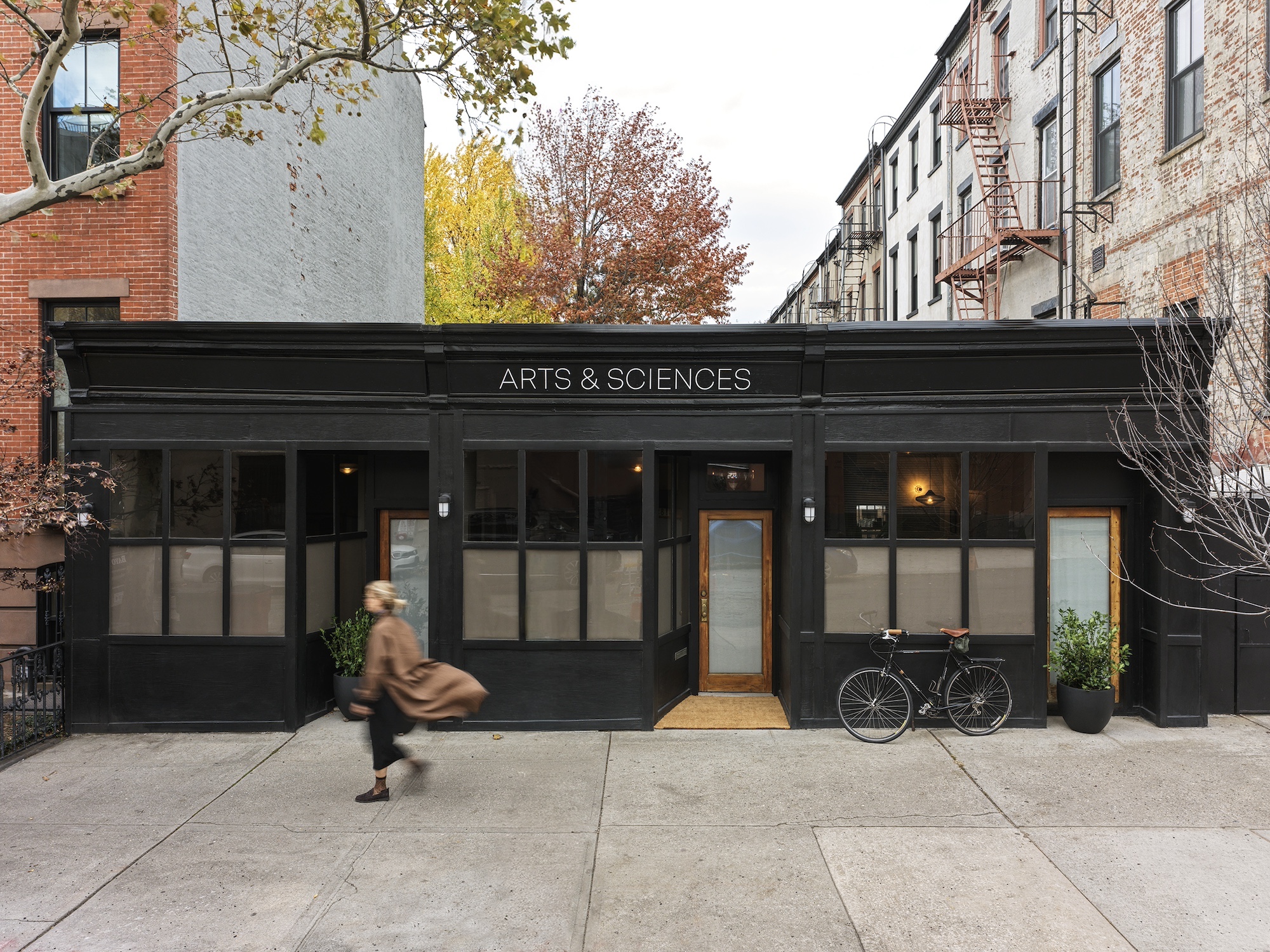
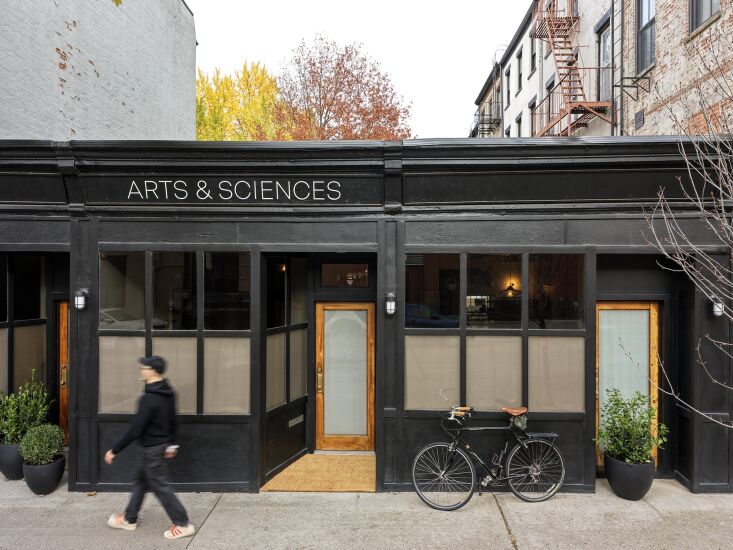
Stepping into the headquarters of production company Arts & Sciences on Degraw Street feels less like entering a workplace and more like walking into a curated private gallery. The building itself carries a weight of history that few modern commercial spaces can claim. According to historic maps traced back to 1855, this single-story commercial lot has been a fixture of the Cobble Hill neighborhood for over a century and a half.
By the mid-20th century, historical tax records from 1940 show that the building operated as a barbershop, complete with the classic storefront windows that still define its street presence today. For Elizabeth Roberts Architects, the challenge was to respect this heritage while stripping away the "office tropes" of the 1980s and 90s. The team began by removing layers of acoustic tile ceilings and worn vinyl floors, which often suffocate the character of historic building office conversion ideas.
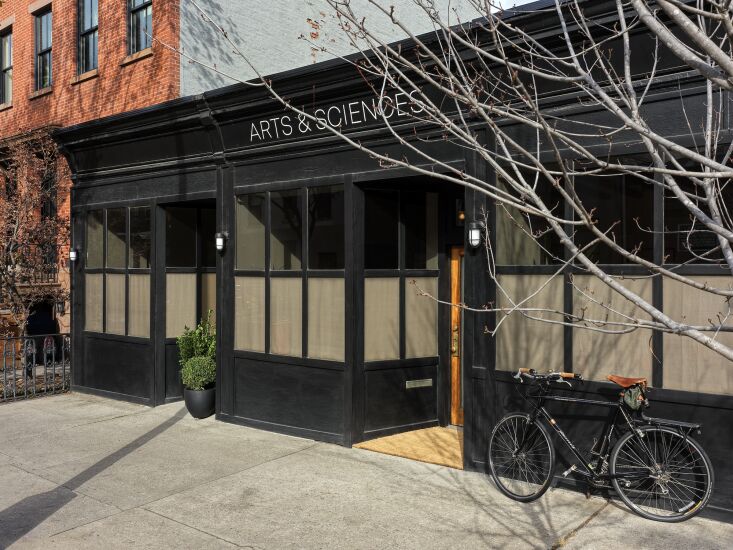
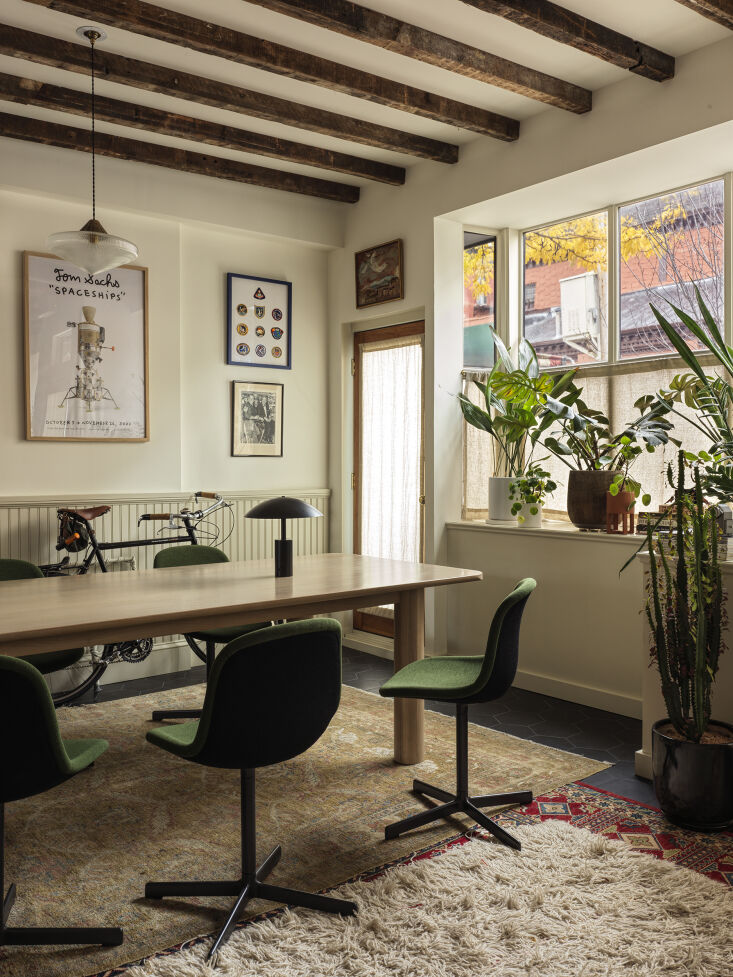
In their place, the renovation of the Arts & Sciences headquarters involved restoring its original black front facade and integrating contemporary features like exposed wooden ceiling beams and picture rails. This approach to adaptive reuse creates a dialogue between the old Brooklyn and the new, using an all-black facade to unify the block while creating a striking, high-contrast entry point. When looking through small office interior design pictures of this project, one immediately notices how the storefront maintains a connection to the sidewalk, inviting the neighborhood in rather than walling it off.
Modern Office Design Ideas for Small Spaces: The 2026 Playbook
As we look toward 2026, the concept of the "Workplace as a Destination" has moved from a luxury perk to a functional necessity. In a world where remote work is always an option, a physical office must offer something your home living room cannot: a mood-elevating environment that fosters focus. For this Brooklyn HQ, Elizabeth Roberts utilized creative small office interior design to move away from the makeshift and toward an intentional hub.
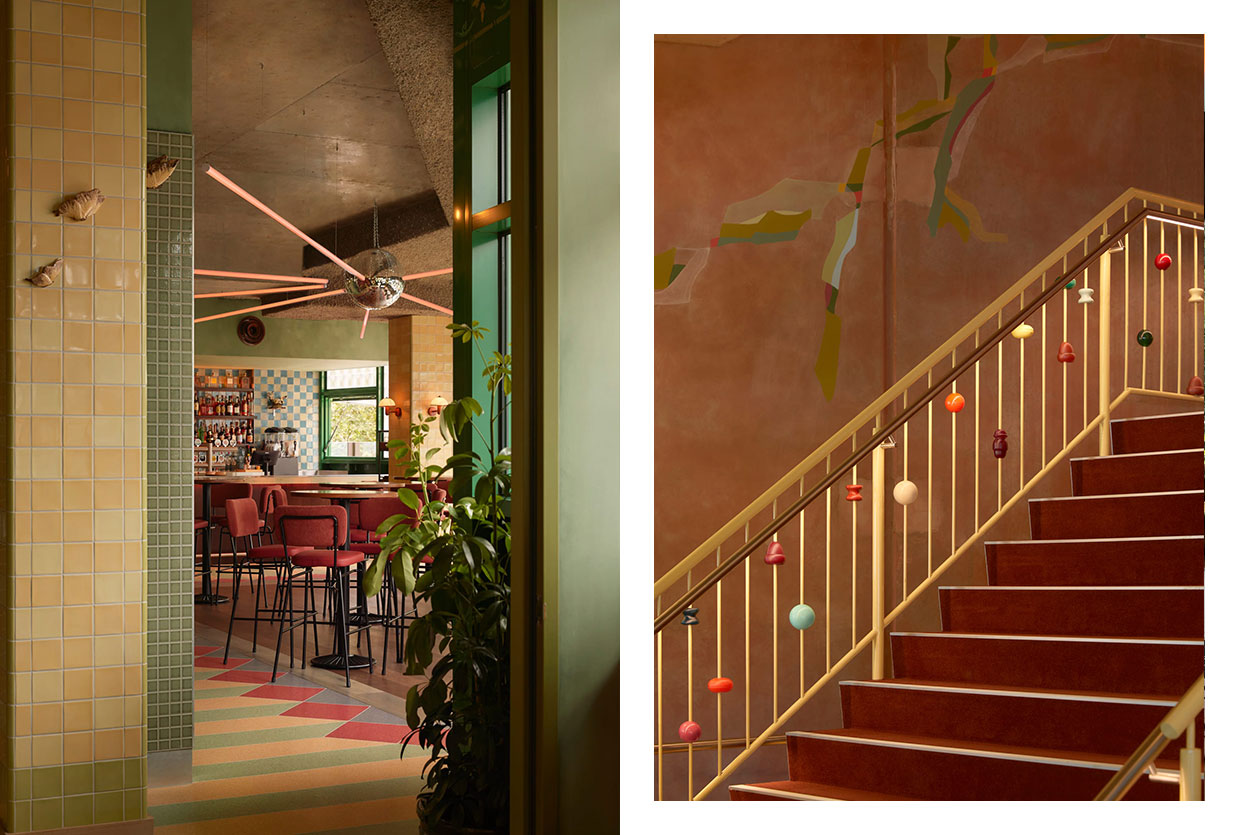
One of the most significant shifts we are seeing in modern office design ideas for small spaces is the departure from clinical grays and sterile whites. The 2026 color palette is anchored by what I call Restorative Darks. Think deep, soulful tones like Rojo Marrón and Plum Brown. These colors act as spatial anchors, making a small footprint feel expansive and grounded rather than cramped. In the Arts & Sciences project, dark hues are used to define different zones, creating a high-contrast color palette that highlights the architectural bones of the building.
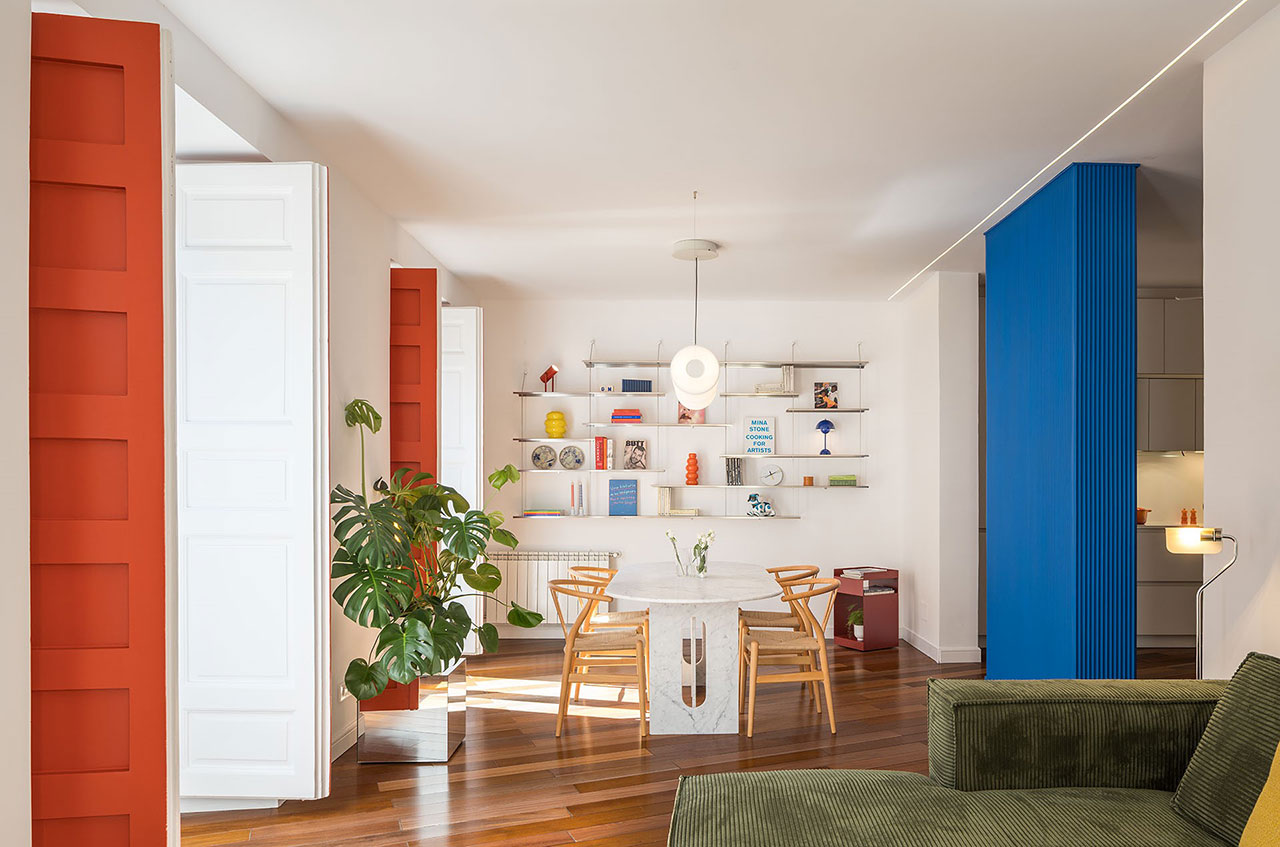
The residential-commercial hybrid aesthetic is perfectly executed here. By using architecture-based backgrounds—such as original brickwork or bespoke millwork—the office provides a professional stage for high-end video calls. In a boutique office environment, every corner is a potentially curated art collection or a backdrop for a global meeting. The transition from the "office as a box" to "office as a studio" is the hallmark of sophisticated small office interior design.
Planning Your Reno: Layouts and Functional Zoning
When people ask me how to plan a small office renovation, I always start with zoning. Maximizing limited square footage requires a multizonal workspace design for small offices that replaces rigid desk banks with flexible options. You don't need fifty desks; you need three or four distinct environments that support different cognitive tasks.
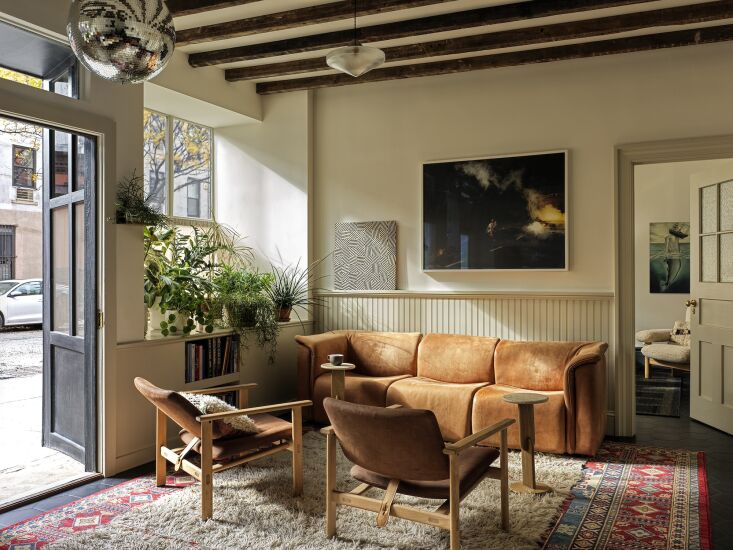
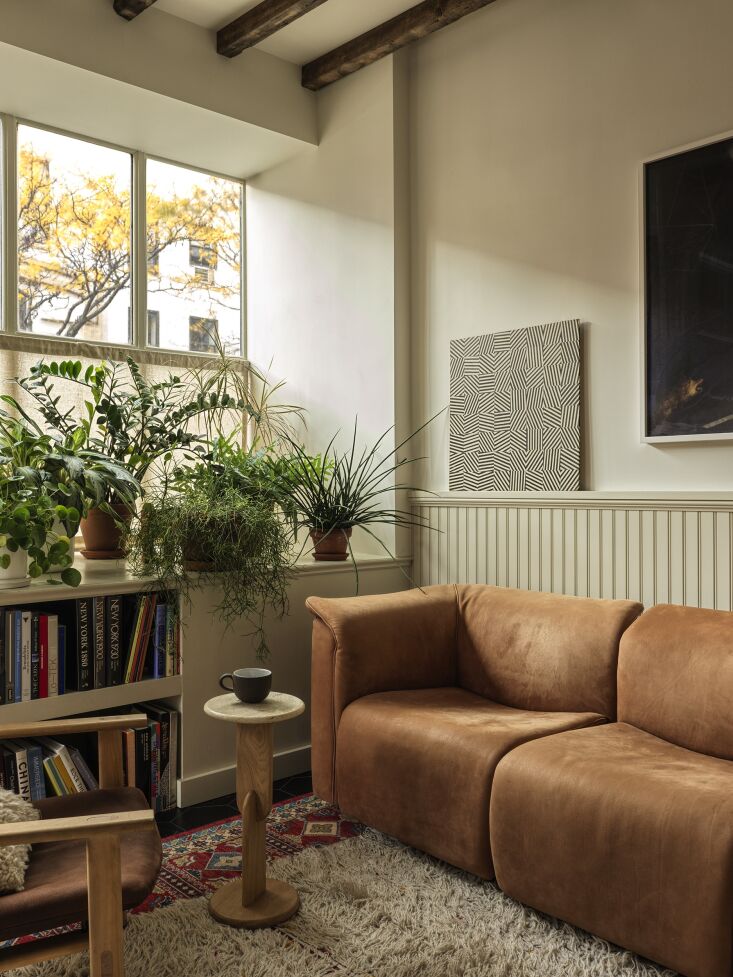
The Arts & Sciences layout prioritizes this variety. Instead of a sea of workstations, the space is divided into an open-plan lounge area for casual collaboration, a bespoke professional studio for focused production work, and low-stimulation zones designed with neurodiversity in mind. For many professionals, a traditional office is too loud or too bright; by incorporating soft textures and modular seating, this Brooklyn HQ provides a sanctuary for concentrated effort.
Furniture selection is where the residential-commercial hybrid truly shines. We are moving away from the "all-ergonomic-plastic" look and toward vintage designer furniture that holds its value and its style. In this project, the mix is masterful:
- Lounge Seating: A Wittmann modular leather sofa provides a soft, inviting center for the common area.
- Statement Chairs: Iconic Arne Jacobsen chairs bring mid-century modern aesthetic sensibilities to the meeting zones.
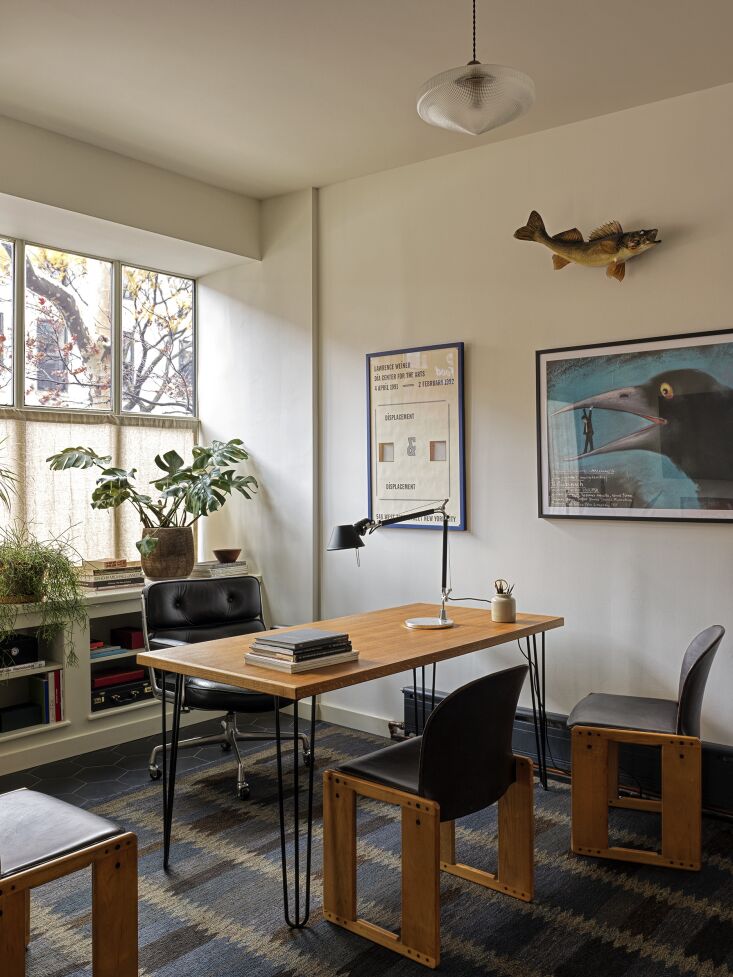
- Task Lighting: Strategic lighting helps define the different zones without the need for physical walls.
Even a small office cabin interior design ideas can benefit from this approach—using one or two high-quality pieces rather than a room full of budget furniture creates a sense of luxury and permanence.
Source List: The 2026 Creative HQ Palette & Sourcing
| Element | Brand/Source | Tone/Model |
|---|---|---|
| Primary Wall Color | Farrow & Ball | Rojo Marrón |
| Accent Trim | Benjamin Moore | Plum Brown |
| Modular Sofa | Wittmann | Hoffman Series |
| Meeting Chairs | Arne Jacobsen | Series 7 (Leather) |
| Executive Desk | Bespoke | Walnut with Grain-Matched Ports |
| Lighting | Artemide | Tolomeo Integrated |
The Invisible Tech Layer: Holistic Lighting and Integration
A modern creative headquarters benefits from a holistic design approach that integrates technology seamlessly into the environment. One of the biggest mistakes in small office interior design is allowing cords and hardware to clutter the visual field. In a historic building like this 1855 barbershop, hiding wires in old brick requires a specialized touch.
Elizabeth Roberts Architects utilized grain-matched ports and recessed outlets built directly into custom millwork. This ensures that tech-integrated furniture maintains its mid-century modern aesthetic while remaining highly productive. The goal is an invisible tech layer—where the tools you need are right there, but they don't scream "IT department."
Lighting is the final, essential component. For a production company headquarters, lighting isn't just about seeing your keyboard; it’s about staging. We recommend a holistic lighting design that utilizes specific Kelvin values for professional video staging. Aim for 3000K to 3500K for a warm yet crisp environment that looks excellent on camera. Strategic lighting ensures the office remains a highly productive space while maintaining the cozy, boutique feel that Cobble Hill is known for.
FAQ
What is the ideal layout for a small office?
The ideal layout is multizonal rather than linear. Instead of pushing desks against walls, create a central lounge for collaboration and dedicated corners or small office cabin interior design ideas for deep focus. Using furniture to define boundaries—like a sofa back or a shelving unit—keeps the space open while maintaining functional separation.
How do I design my small office?
Start by identifying your "non-negotiables." If you spend 80% of your time on video calls, prioritize a background with architectural interest and soft, directional lighting. From there, apply a residential-commercial hybrid lens: choose one high-quality piece of vintage designer furniture as a focal point and build your storage around it to minimize visual clutter.
What color is replacing gray in 2026?
Gray is being replaced by Restorative Darks. Deep, earthy tones like Rojo Marrón, Plum Brown, and charcoal with olive undertones are the new neutrals. These colors offer more warmth and sophistication than gray, providing a richer backdrop for a curated art collection and mid-century modern aesthetic furniture.
What are common small office design mistakes?
The most common mistake is using standard commercial furniture and "corporate" materials like acoustic ceiling tiles and cool-toned fluorescent lighting. These elements make a space feel transient and sterile. Another error is poor cord management, which creates visual noise and makes even the most beautiful small office interior design look chaotic.
What is the 3-5-7 rule in decorating?
The 3-5-7 rule suggests that grouping objects in odd numbers—specifically three, five, or seven—creates more visual interest and balance than even pairings. In a boutique office environment, you might apply this by grouping three pieces of art at different heights or arranging five curated objects on a sideboard to create a sense of effortless style.
The transformation of this 1855 barbershop into the Arts & Sciences headquarters is a reminder that our workspaces can—and should—be an extension of our creative identity. By looking back at the history of a building and forward to the lifestyle needs of 2026, we can create small office interior design that feels both timeless and cutting-edge. Whether you are working within a historic Brooklyn storefront or a modern condo, the principles of adaptive reuse, intentional zoning, and quiet luxury remain the gold standard for the modern creative.