We have all been there: the sudden text from an old friend who is "just in the neighborhood," or the spontaneous decision to invite neighbors over after a long week. In theory, these moments are the essence of a well-lived life. In practice, they often trigger a frantic dash to find matching napkins, a desperate scrub of a forgotten tray, and the realization that you’re out of unscented candles.
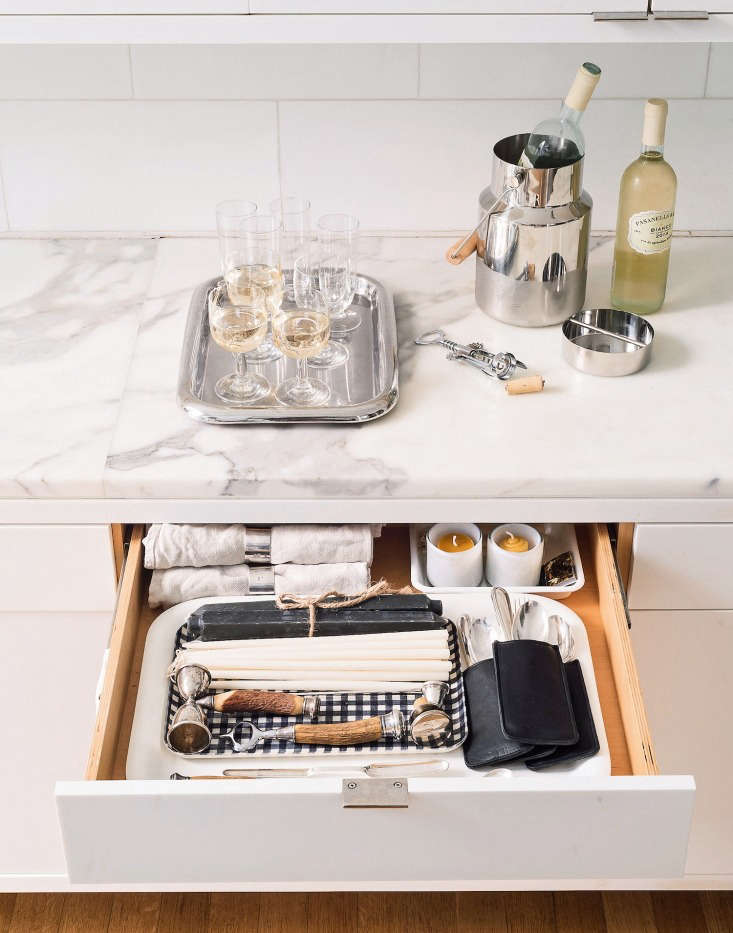
The barrier to hosting isn't usually a lack of desire; it’s the friction of preparation. As a lifestyle editor focused on systems, I’ve found that the most hospitable homes aren't those with the largest kitchens, but those with the most streamlined systems. This is where the Impromptu Party Kit Method comes in. An impromptu party kit is a curated, pre-organized collection of entertaining essentials—versatile glassware, trays, and candles—stored in a single, accessible location. It is a physical manifestation of readiness that allows you to transition from "private mode" to "hosting mode" in minutes.
Research suggests that this isn't just about aesthetics. Implementing a pre-organized kit can reduce event setup time by an average of 65% compared to the traditional "scavenger hunt" method of item-by-item searching. By removing the logistical hurdles, you reclaim the joy of the gathering itself.
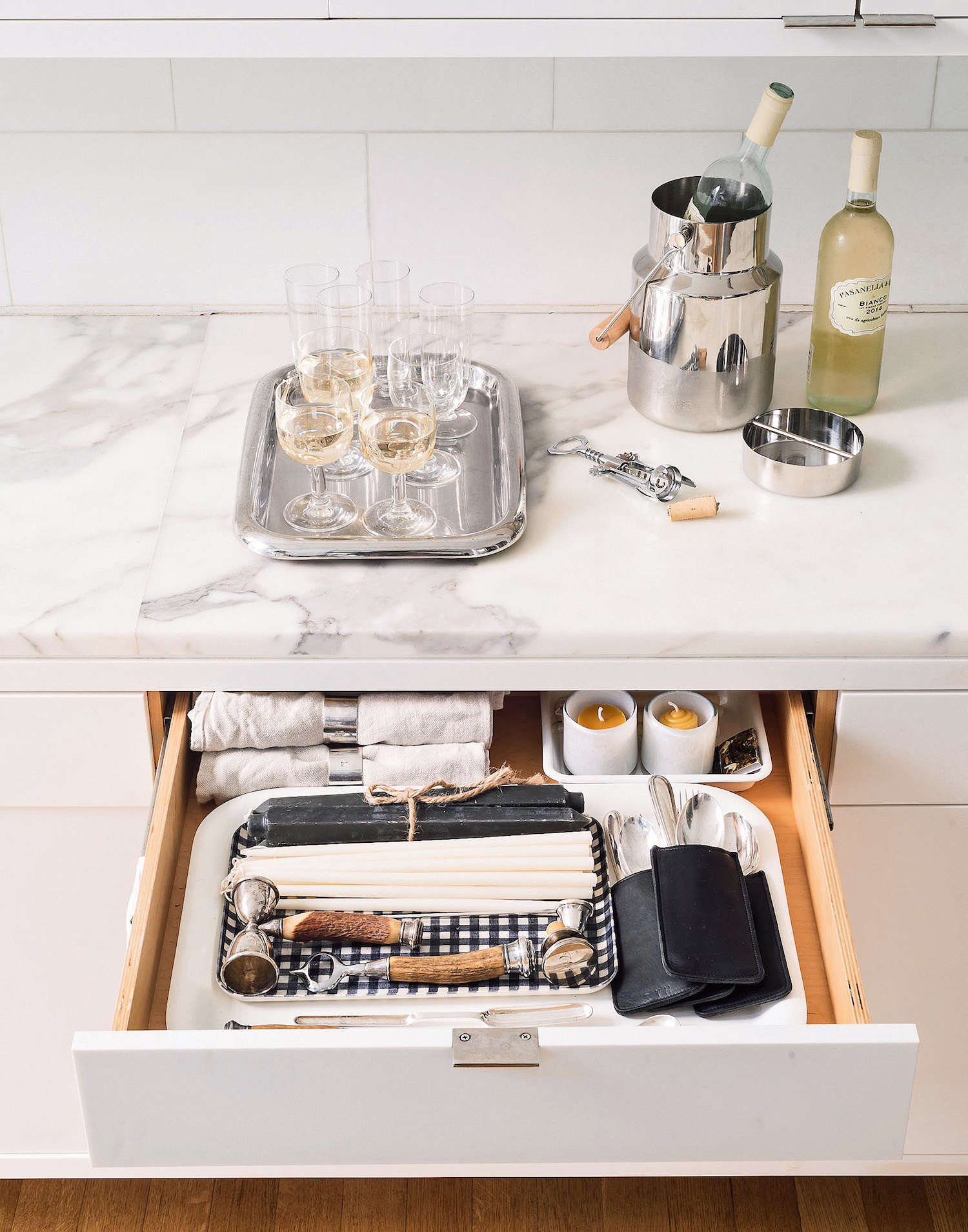
Anatomy of the Essential Party Kit
To build a kit that actually works, we must move away from the "everything but the kitchen sink" approach. A true kit is lean, functional, and aesthetically cohesive. It should live in a dedicated cabinet, a deep drawer, or a stylish trunk—somewhere separate from your daily-use items to ensure that when you reach for it, everything is pristine and ready to go.
Drinkware & Barware: The Foundation
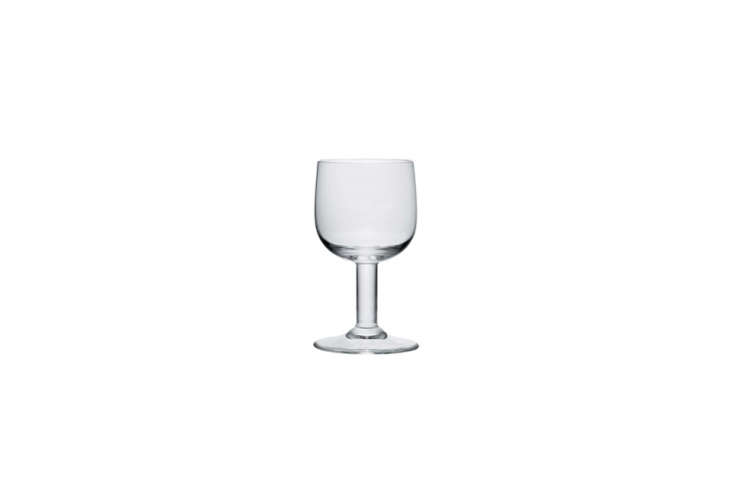
The first step in any gathering is offering a drink. Your kit should prioritize multi-purpose items that work across different beverage profiles. Rather than storing twelve different types of specialized glasses, focus on a high-quality "universal" glass. I often recommend Jasper Morrison-style goblets; they are sturdy enough for water or juice but elegant enough for a complex red wine or a gin and tonic.
Beyond the glass, the temperature is key. A stainless steel ice bucket is a non-negotiable component of the kit. It prevents constant trips to the freezer and serves as a central hub for the "bar" area. Pair this with a streamlined corkscrew and a weighted jigger to ensure your cocktail ratios are as precise as your storage system.
The Serving Layer: Depth and Texture
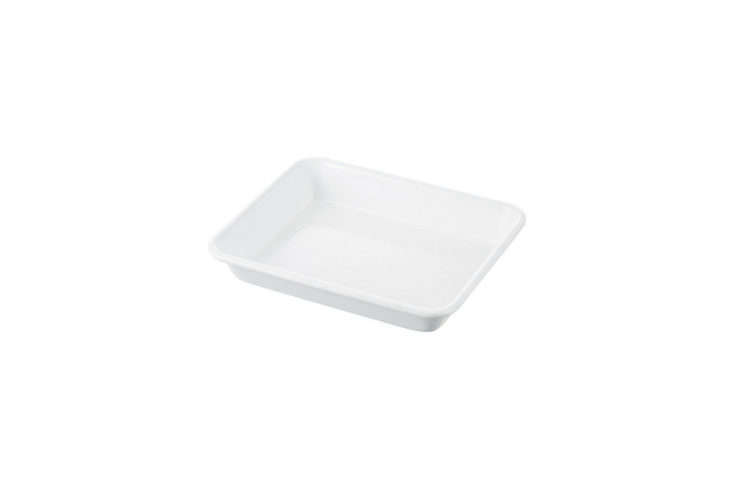
When it comes to serving, versatility is your best friend. A well-curated kit includes a mix of textures—think white enamel, polished stainless steel, or linen-check patterns. White enamel trays are a personal favorite; they provide a clean, professional backdrop that makes even store-bought crackers and cheese look like a curated charcuterie board.
Include at least three varying sizes of trays: a large one for main snacks, a medium one for drinks, and a small one for discarded citrus peels or napkins. For utensils, consider leather silverware holders or small ceramic crocks that allow guests to help themselves easily.
Ambiance Essentials: The Intangibles
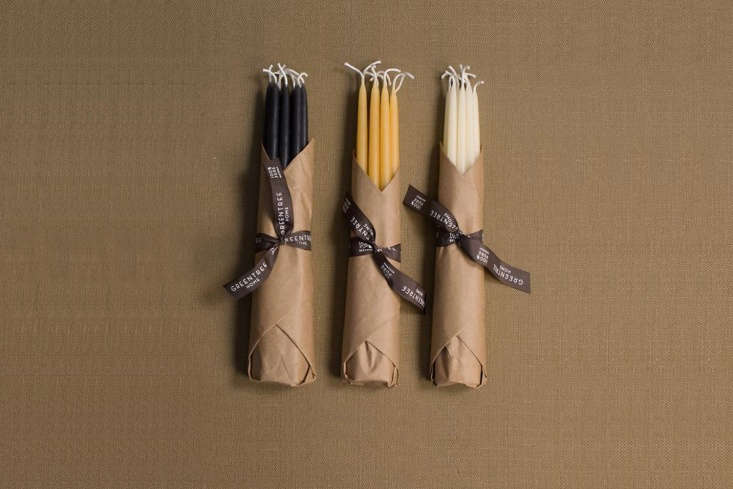
The difference between a "room with people in it" and a "party" is often the lighting. Your kit must contain a dedicated supply of unscented votive candles and 16-inch square tapers. Why unscented? You want the aroma of your food and wine to take center stage, not a synthetic "ocean breeze" scent.
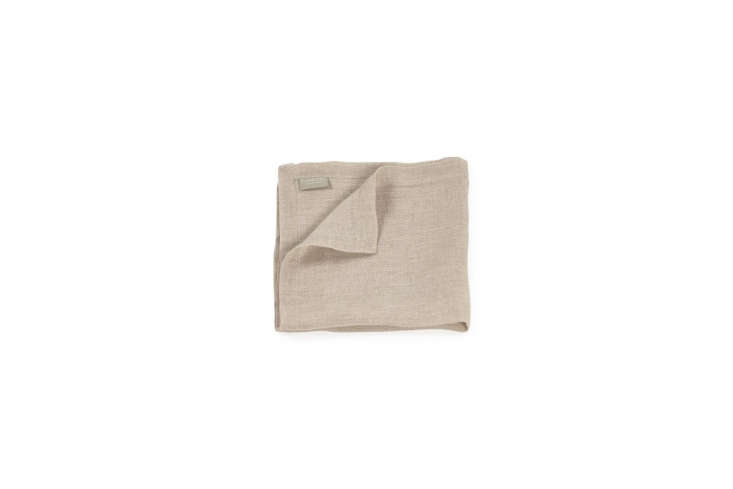
Add a stack of high-quality linen napkins in a neutral tone like oatmeal or slate gray. Linen feels intentional and elevated in a way that paper never can. These small touches—the flicker of a flame, the weight of real fabric—signal to your guests that this moment is special, even if it was planned only twenty minutes ago.
Expert Storage Strategies for Event Supplies
Creating the kit is only half the battle; maintaining it is where the system either thrives or fails. To optimize your event supply storage, you must treat your hosting items with the same organizational rigor you would apply to a professional pantry or a home office.
Categorization with Precision Stop storing all your "extra" plates in one big stack. Instead, group items by theme or function. You might have a "Cocktail Hour" bin and a "Sit-Down Dinner" bin. This preventing mix-ups and ensures that you aren't digging through Christmas-themed platters in the middle of July.
The Visibility Rule One of the core tenets of my organization philosophy is: if you can’t see it, you don’t own it. Utilize clear, labeled containers for all small accessories like cocktail picks, tea lights, and wine charms. When you can see your inventory at a glance, you avoid the "panic buy" at the grocery store for things you already have buried in the back of a cupboard.
Utilizing Vertical and Dead Space If your kitchen cabinets are full, look elsewhere. The impromptu party kit doesn't have to live in the kitchen. Under-furniture storage bins or high shelving units in a hallway closet are excellent "dead spaces" that can be reclaimed. Use vertical dividers for trays and platters to prevent the dreaded "stacking effect," which makes the bottom items nearly impossible to retrieve without a landslide.
Pro Tip: Maintain a digital inventory to track stock levels effectively. To truly master the kit method, categorize items by function, use labeled transparent bins, and keep a simple list of "must-replenish" items on your phone.
Implementing a Digital Inventory System
In the digital age, organization goes beyond physical bins. To ensure you never run out of the basics, I recommend using a simple inventory app like Sortly or even a shared Note with your partner.
Digital tracking allows you to:
- Set Low-Stock Alerts: Get a notification when you’re down to your last four taper candles.
- Track Historical Data: Note how much wine or sparkling water you typically go through during a two-hour gathering. This helps in forecasting for future events.
- Photo Documentation: Take a photo of your perfectly set "Kit" so anyone in the house knows exactly where things go back after the party is over.
Data indicates that 82% of homeowners are more likely to host spontaneous social gatherings when their entertainment supplies are stored in categorized, transparent containers and supported by a clear replenishment system. When the mental load of "Do we have enough napkins?" is removed, the answer to "Should we have people over?" becomes a resounding yes.
The 48-Hour Execution Timeline
Even "impromptu" parties benefit from a tiny bit of structure. If you have the luxury of a day or two of lead time, use this timeline to ensure total calm.
| Timeline | Action Item | The "Sophie" Method |
|---|---|---|
| 48 Hours Before | Confirm Guest Count | Decide on the venue (home vs. local garden/park). |
| 24 Hours Before | The 70-20-10 Food Rule | 70% store-bought, 20% homemade, 10% specialty. |
| Day of Party | The "Final 30" | Light candles 30 mins before arrival; set the playlist. |
The 70-20-10 rule is my secret for stress-free food. Buy 70% of the offerings (high-quality olives, cheeses, crackers), make 20% yourself (perhaps a signature dip or a fresh salad), and spend 10% on one "hero" specialty item from a local bakery or deli. This balance ensures the food feels personal without keeping you tied to the oven all evening.
Sustainability in Entertaining
A functional home should also be a conscious one. As you build your kit, consider the lifecycle of the items you choose. While disposables are tempting for "easy cleanup," they often feel cheap and create unnecessary waste.
Investing in high-quality linen napkins and durable glassware isn't just an aesthetic choice; it’s a sustainable one. If you must use disposables, opt for compostable bamboo plates or recycled paper products.
Furthermore, adopt the "One-In, One-Out" rule. If you buy a new set of festive platters, donate an older set that no longer fits your style. This prevents your party kit from bloating into "party clutter," keeping the system lean and the storage manageable.
Frequently Asked Questions
Q: I have a very small apartment. Where can I store a "kit"? A: Think vertically! A rolling bar cart can serve as a "living kit." Use the bottom shelf for heavy items like glassware and ice buckets, and the top for your active serving area. If that’s too much, a single "hosting bin" kept on a high closet shelf works perfectly.
Q: What is the most forgotten item in an impromptu party kit? A: Unscented tea lights and a working lighter. People often remember the big trays but forget the small elements that create ambiance. Always keep a dedicated lighter inside your kit.
Q: How do I handle cleanup without losing the "calm" I’ve created? A: The beauty of the Kit Method is that everything has a specific home. After the guests leave, your only task is to wash the glassware and linens and return them to their designated spots. Because you haven't pulled items from every corner of the house, the reset takes a fraction of the time.
Ready to Host?
The Impromptu Party Kit Method is more than just a storage hack; it’s a lifestyle shift. It’s about deciding that your home is ready for connection at any moment. By spending a single afternoon curating your essentials and organizing them with intention, you are opening your doors to a future filled with more laughter, more conversation, and significantly less stress.
Start small: find a bin, gather your favorite glasses, and buy that stack of linen napkins. Your future guests (and your future self) will thank you.