For years, the design world was enamored with the "clinical cool"—think high-gloss lacquers, sharp-edged marble, and the hushed, sterile perfection of ultra-minimalism. But as we look toward 2026, the pendulum is swinging back with visceral force. We are entering the era of the Narrative Interior, a movement where every surface must speak, every corner must have a pulse, and the human hand must be visible in the architecture of the home. At the heart of this shift is the resurgence of carved wood.
Wood is no longer just a structural necessity or a flooring choice; it has become the "spice rack" of interior design. Whether it’s the rhythmic cadence of a fluted kitchen island or the deliberate imperfection of a hand-hewn dough bowl, wood is providing the tactile rhythm that modern, flat-surfaced homes have been craving. This guide explores how to master the art of carved wood finishes and why this ancient craft is the definitive luxury of the coming years.
Defining the 2026 Aesthetic: Organic Luxe & Modern Heritage
The dominant aesthetic for the mid-2020s is undeniably Organic Luxe. This is a 2026 interior design style that balances natural, tactile materials like richly grained wood and stone with sculptural silhouettes and sophisticated accents to create grounded, elegant spaces. It’s about finding the sweet spot between the raw beauty of the outdoors and the refined precision of high-end tailoring.
Closely related is the concept of Modern Heritage. We are seeing a move away from the "matching set" mentality. Instead, designers are blending classic, heavy moldings with contemporary lighting and sleek, industrial hardware. The goal is a space that looks like it has been curated over generations, rather than ordered from a single catalog.
Designer’s Note: In 2026, don't be afraid to mix your wood species. The 'one-tone' rule is officially retired. We are now layering the honeyed warmth of White Oak with the dramatic, chocolatey depths of Walnut to create visual tension and soul.
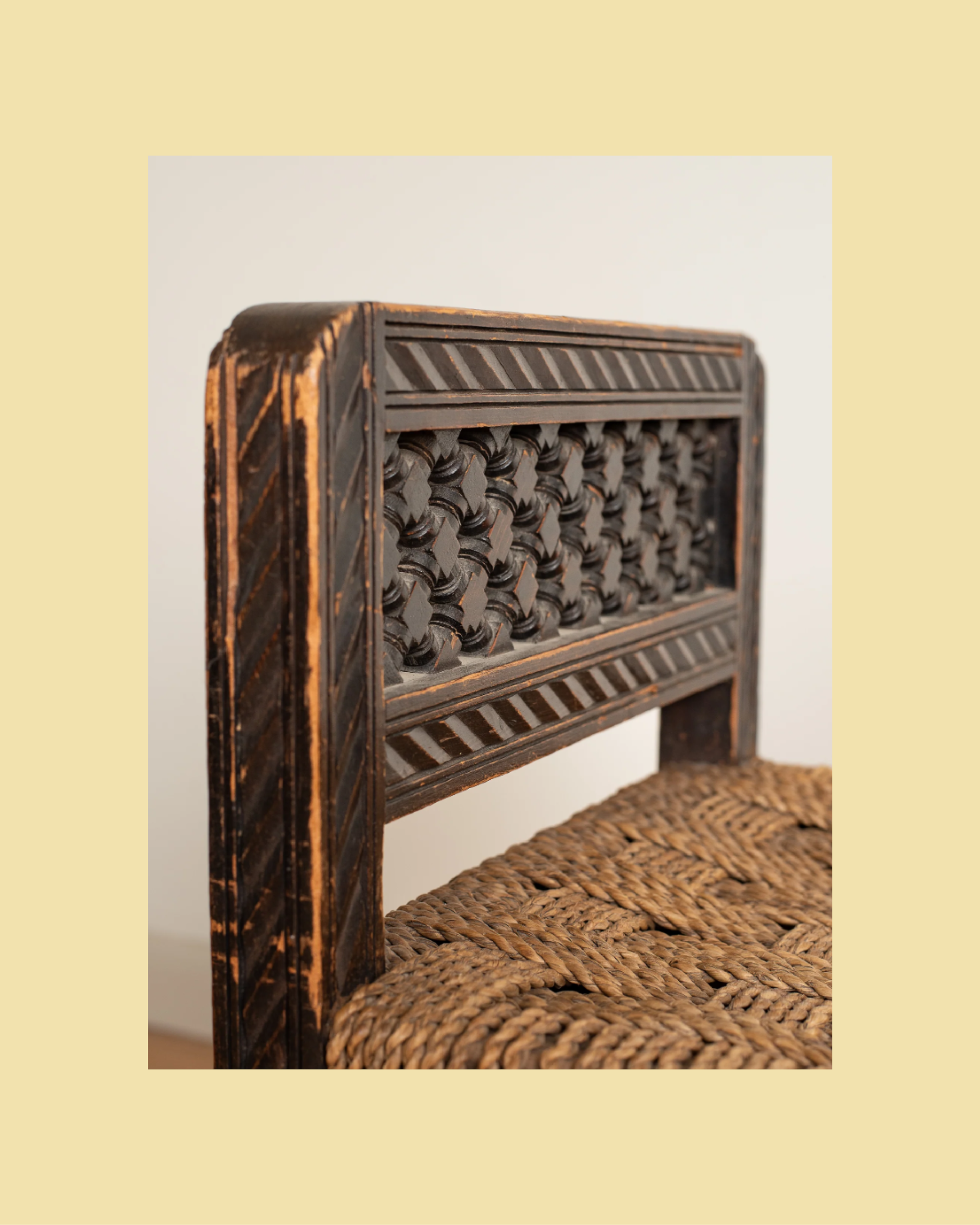
When we speak of "luxe" today, we aren't talking about gold leaf or flashiness. We are talking about the sculptural silhouette. Furniture is shedding its boxy, utilitarian roots. We are seeing chairs with arms that curve like river stones and tables supported by monolithic, carved bases that feel more like gallery pieces than dining surfaces.
Architectural Depth: Fluted Millwork and the 'Fifth Wall'
If there is one technique dominating the design conversation right now, it is fluting. Fluted and reeded millwork is surging in popularity because it replaces flat surfaces with linear grooves and architectural depth, adding a sense of bespoke craftsmanship to kitchen islands, vanities, and feature walls.
Industry forecasts for 2026 indicate a 40% increase in homeowner demand for textured architectural surfaces, specifically fluted and reeded wood millwork, over traditional flat-panel designs. This texture catches light and shadow in a way that paint never can, creating a dynamic surface that changes throughout the day.
Pro Tip: When implementing fluted designs on large surfaces like kitchen islands, use a "staggered" rhythm. Varying the width of the grooves creates a more custom, architectural feel that avoids the repetitive look of mass-produced panels.
Beyond the walls, the "Fifth Wall"—the ceiling—is reclaiming its status. We are seeing a resurgence of solid and box beams. In cathedral layouts, these beams provide a grounding weight, while in standard height rooms, a shallow grid of carved wood can turn a forgotten ceiling into a stunning focal point. For those seeking a more rustic edge, the trend is moving toward rugged, mixed-width barnwood paneling, replacing the overly polished shiplap of previous years with something far more storied.
The Designer's Guide to Custom Finishes
To achieve a high-end look, the finish is just as important as the wood itself. A poor finish can make expensive mahogany look like plastic, while a masterful finish can make common pine look like an antique treasure.
Essential Surface Prep: The Foundation
Before any stain touches the wood, the preparation must be flawless.
- Progressive Sanding: Start with 120-grit to level the surface, moving to 150, 180, and finally 220-grit. Never skip a grit; each stage removes the scratches from the previous one.
- Grain Raising: This is the professional’s secret. After the final sanding, wipe the wood with a damp cloth. This "raises" the wood fibers. Once dry, sand lightly again with 220-grit. This ensures your final finish is glass-smooth rather than fuzzy.
Choosing Your Medium
Selecting the right finish depends on the desired depth and the specific wood species.
| Finish Type | Best For | Pros | Cons |
|---|---|---|---|
| Oil-Based Stain | Oak, Walnut, Ash | Deep penetration, long working time for large surfaces. | Strong odor, long drying time (24+ hours). |
| Water-Based Stain | Maple, Birch | Low VOCs, vibrant colors, fast drying (2-4 hours). | Dries quickly, can be hard to blend on large areas. |
| Gel Stain | Pine, Cherry | Excellent for "blotchy" woods; sits on top of the grain. | Can obscure the natural woodgrain if applied too heavily. |
Advanced Finishing Techniques
For a truly "Organic Luxe" result, consider these artisanal methods:
- Glazing: Applying a semi-transparent coat over a base stain to add depth to carvings and fluting.
- French Polishing: An old-world technique using shellac and oil to create a deep, high-gloss "piano" finish that is unmatched in clarity.
- Highlighting: Hand-sanding the edges of carved details after staining to allow the natural wood color to peek through, accentuating the three-dimensional form.
Sculptural Details: The 'Visual Jewelry' of the Home
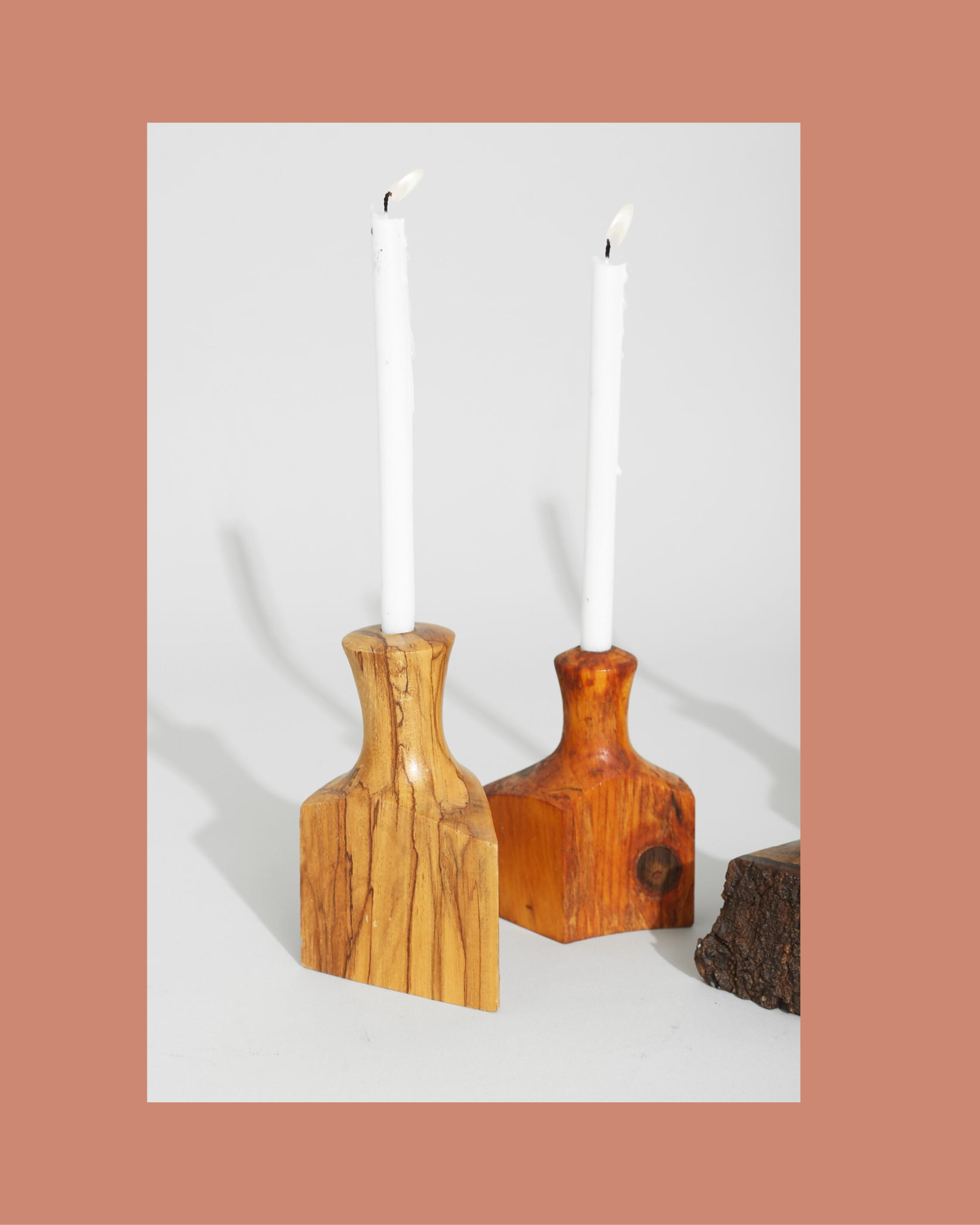
If architecture is the "dress" of a room, then hand-carved details are the jewelry. These elements provide the personality and "maker's mark" that distinguish a home from a hotel. Hand-carved wood details like ornamental frames, hardware, and sculptural candleholders add 'visual jewelry' and personality to a space, making modern interiors feel more layered, storied, and intentional.
Carved Hardware
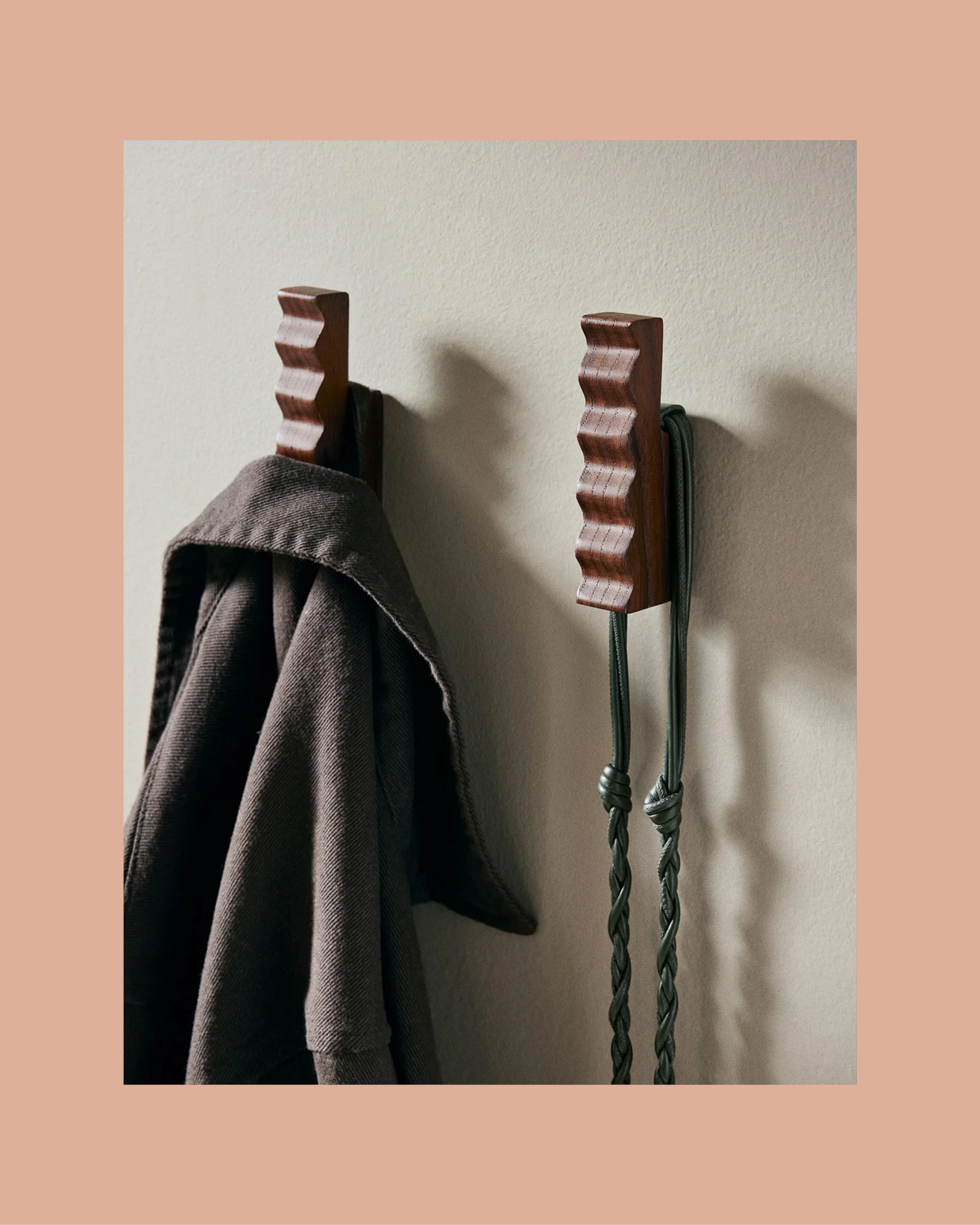
Small changes yield massive impacts. Replacing standard, factory-made metal pulls with sculptural, wavy, or rippled wooden hardware can transform a standard cabinet into a bespoke piece of furniture. It invites touch—a key component of the 2026 tactile movement.
Ornamental Frames
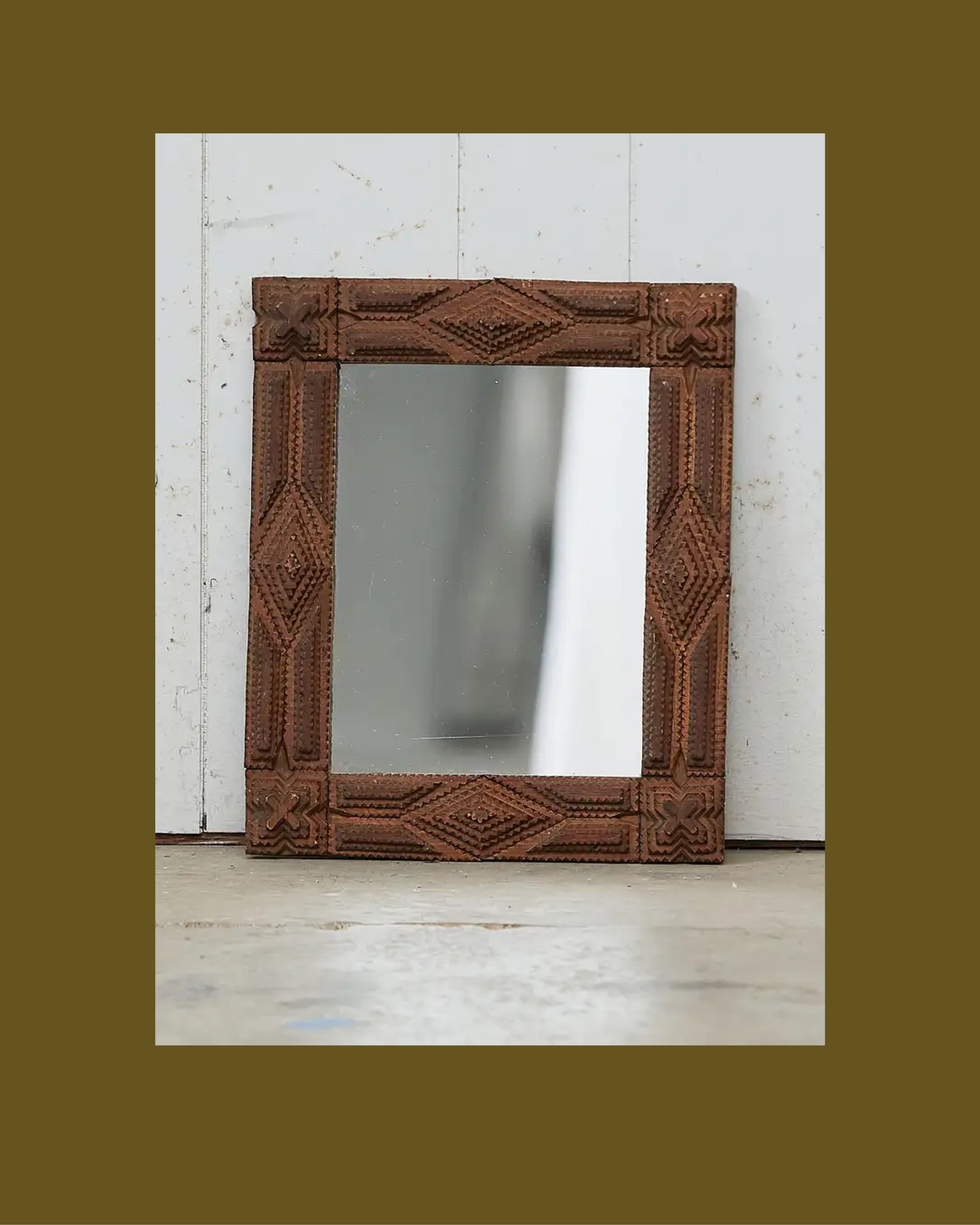
A mirror is a mirror, until it is encased in an intricately carved wooden frame. These pieces act as architectural statements, bridging the gap between art and utility. A traditional carving in a contemporary, monochromatic room creates a stunning "Modern Heritage" moment.
The Beauty of Imperfection
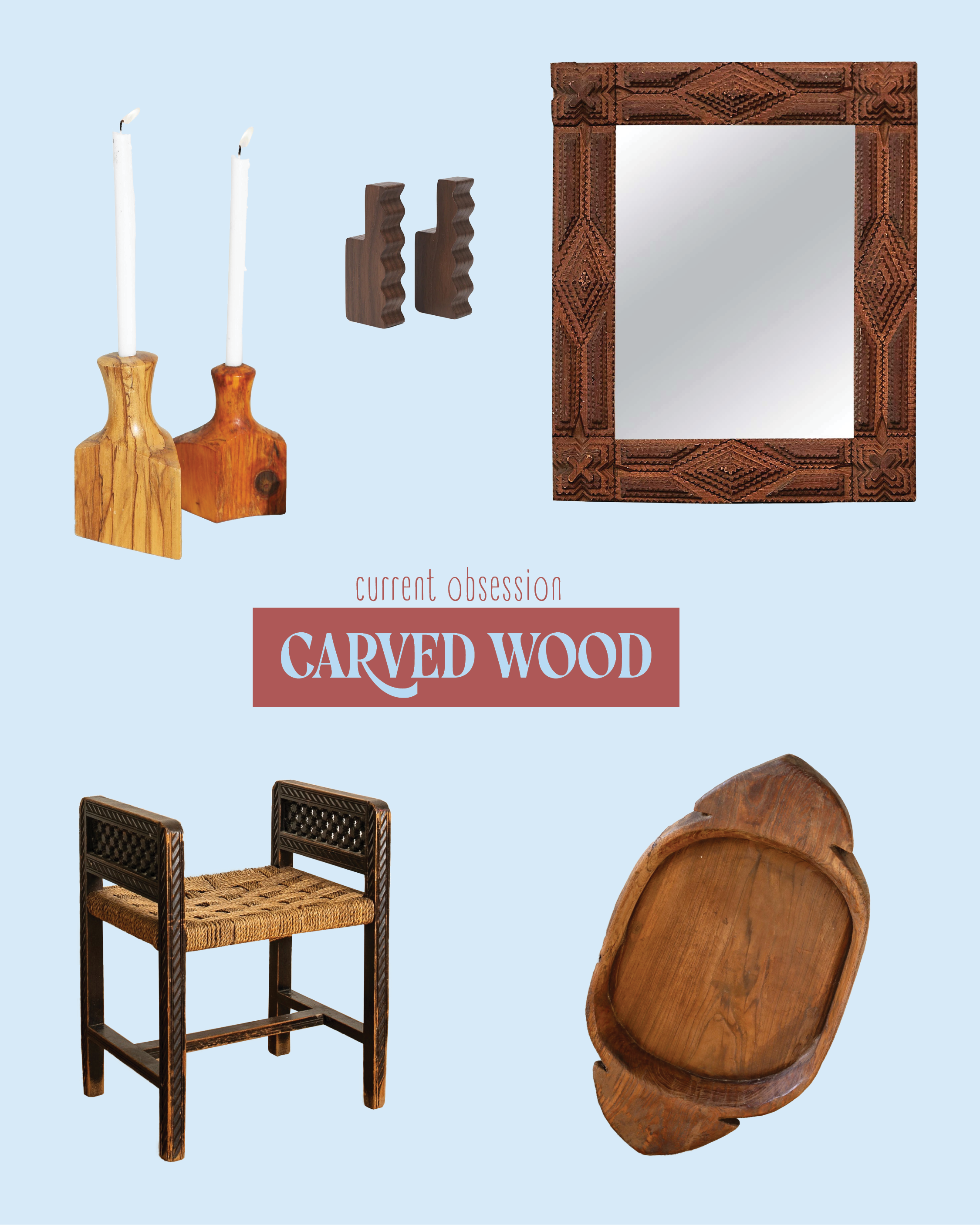
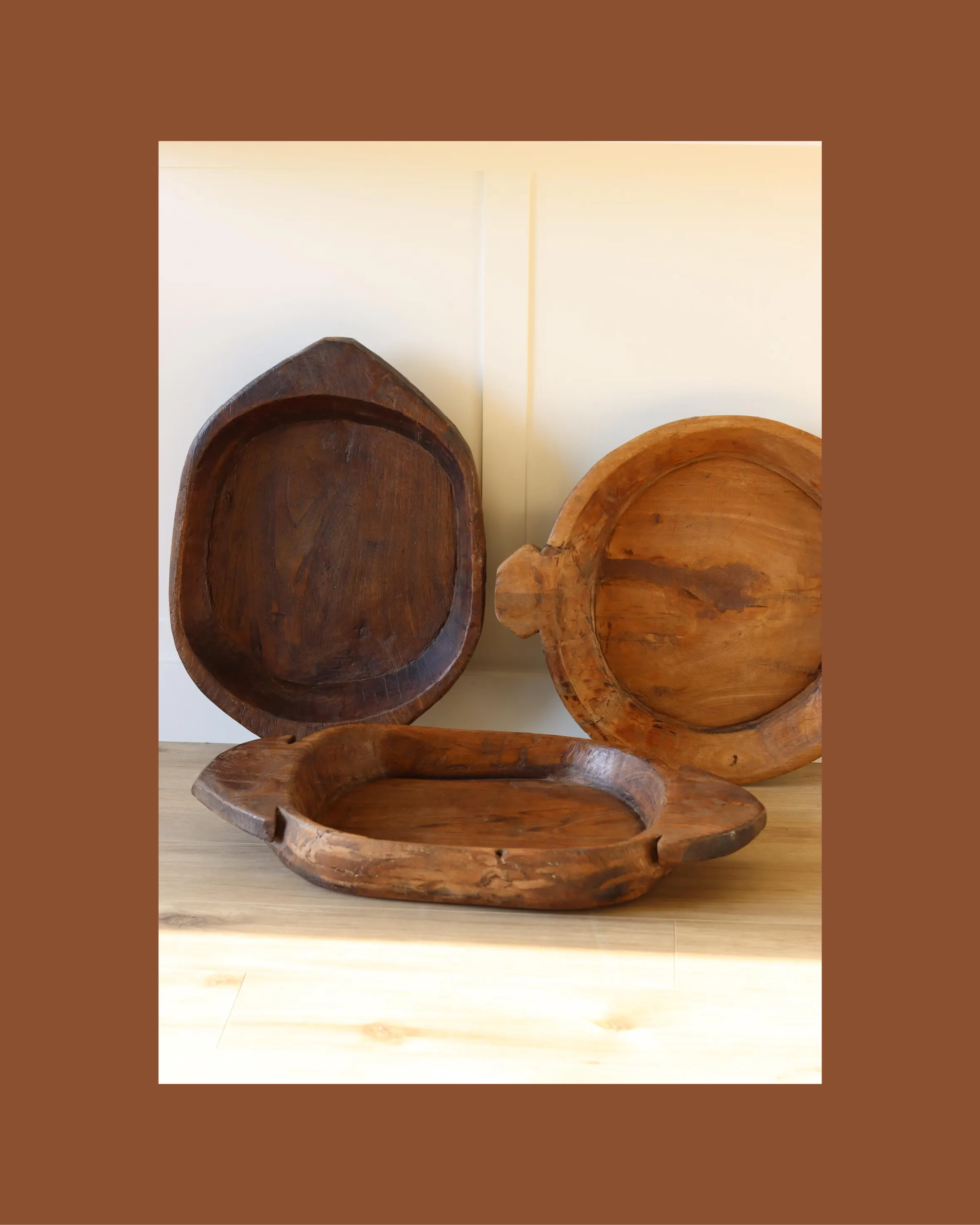
The most sought-after pieces for 2026 are those that feel "perfectly imperfect." This includes "wonky" candleholders and hand-hewn dough bowls. These objects celebrate the human hand—the slight wobble in a line or the variation in a chisel mark that tells you a person, not a machine, created it.
Hand-carved dough bowls, in particular, have become the quintessential centerpiece for the Organic Luxe home. They are heirloom-quality pieces that celebrate the raw, sustainable beauty of natural timber, often showcasing the "live edge" or the knots that mass production tries to hide.
Sustainable Luxury: The 'Forever Home' Mentality
The shift toward carved wood isn't just an aesthetic choice; it’s an ethical one. Market data shows that 82% of luxury renovation clients now prioritize 'Sustainable Luxury' by choosing locally milled, long-lasting custom timber pieces over disposable, mass-produced furniture.
This "Forever Home" mentality favors quality over quantity. Instead of buying three cheap coffee tables over a decade, homeowners are investing in one reclaimed wood piece with a rich patina that will only get better with age. Reclaimed wood, with its history of nail holes and weathering, fits perfectly into the industrial-modern and organic-luxe niches, offering a level of provenance that new materials simply cannot replicate.
Choosing custom woodworking is an investment in longevity. It is a rejection of the "fast furniture" culture that fills landfills. When you choose a hand-carved finish, you are choosing a piece that is designed to be repaired, refinished, and passed down—a true legacy in timber.
FAQ
Q: Is fluted wood hard to clean? A: Not necessarily. While the grooves do collect dust more than a flat surface, a quick pass with a vacuum brush attachment or a microfiber duster keeps them pristine. For kitchens, we recommend a high-quality topcoat (like a matte polyurethane) to prevent grease from penetrating the grooves.
Q: Can I mix different wood grains in the same room? A: Absolutely! In fact, it's encouraged for 2026. The key is to find a common undertone (warm vs. cool). For example, you can mix White Oak and Walnut because they both have a natural, grounded feel, even though their colors differ significantly.
Q: How do I know if a piece is truly hand-carved? A: Look for slight irregularities. Machine-carved wood is mathematically perfect and often has "burn marks" in tight corners from the high-speed bits. Hand-carved pieces will show subtle variations in depth and the occasional trace of a chisel stroke—these are the hallmarks of quality.