The 2024 travel architecture landscape is no longer defined by mere aesthetics; it has evolved into a sophisticated "Race to Zero" where biophilic design, sustainable timber construction, and even aerospace-inspired fashion converge. From the lush vertical forests of Singapore’s transit hubs to the solar-powered freedom of the modern nomad, this year’s most innovative projects prioritize wellness, environmental stewardship, and a seamless integration between the built environment and the natural world.
Biophilic Sanctuaries: Merging Nature with Urbanity
In the high-octane world of international travel, the "layover" has traditionally been an exercise in endurance. However, 2024 marks a definitive shift toward architecture that actively heals. Biophilic design—the practice of connecting building occupants more closely to nature—is no longer a luxury "extra"; it is the core philosophy of modern transit hubs and urban escapes.
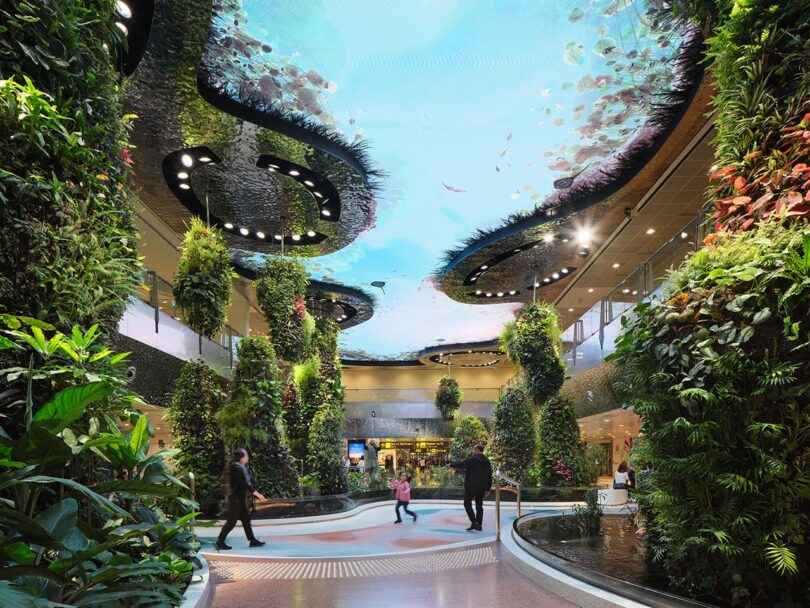
Singapore’s Changi Airport continues to lead this charge with the debut of 'The Wonderfall'. This 14-meter digital installation is set within a sprawling 120,000 sqm of vertical gardens. It’s not just a visual spectacle; it’s a calculated effort to lower cortisol levels in weary travelers through the rhythms of nature. By using high-definition LED technology to mimic a thundering cascade, Changi blends the digital and the biological, creating a serene urban sanctuary that defies the typical airport stress.
This trend extends to the luxury hospitality sector with the Six Senses Kyoto. Designed by BLINK Design Group, the property is a masterclass in "mindful greenery." Rather than imposing a modern structure on the ancient capital, the architecture pulls from traditional Japanese aesthetics—the Heian period’s emphasis on gardens—to create a retreat where the boundary between the lobby and the landscape is intentionally blurred. Here, biophilic travel architecture focuses on integrating natural elements to enhance wellness, proving that the future of travel lies in our ability to slow down and breathe.
Trend Box: What is Biophilic Design? Biophilic design is more than just adding plants to a room. It involves the use of natural light, ventilation, and materials (like wood and stone) to create a psychological connection with nature. In 2024, this is proven to improve cognitive function and mood for travelers.
The Timber Revolution & Sustainable Escapes
The architectural world is currently undergoing a "Timber Revolution." Cross-laminated timber (CLT) and mass timber are replacing carbon-heavy concrete and steel, leading the charge in sustainable luxury architecture. This year, the focus is on low-impact, nature-first construction that respects the site’s heritage.
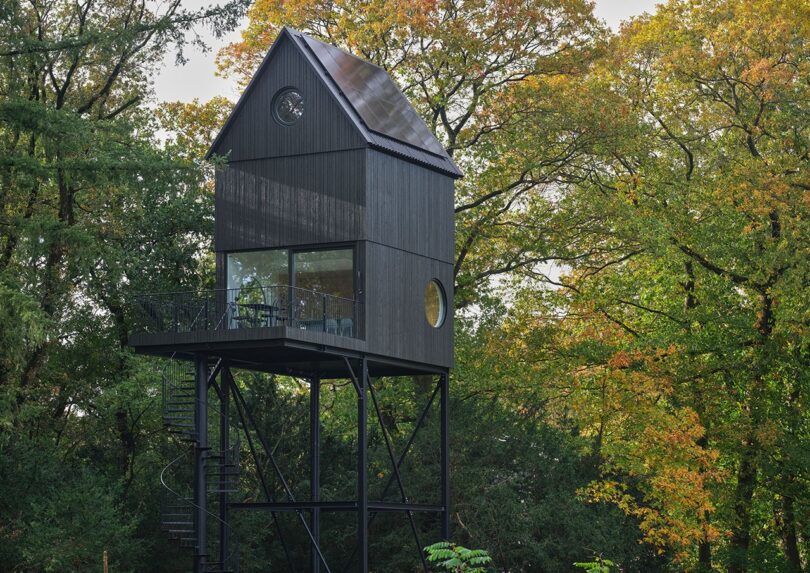
A standout project is the Buitenverblijf Nest, a birdhouse-inspired cabin located at Buitenplaats Koningsweg. This whimsical yet highly functional structure is elevated above the forest floor, minimizing its footprint while offering guests a literal bird’s-eye view of the canopy. Its timber construction serves a dual purpose: it acts as a carbon sink and provides a warm, tactile interior that resonates with the "cabin core" trend currently dominating interior design.
Further north, Chalet Bertha in Quebec showcases how Nordic-inspired alpine retreats can blend seamlessly into the rugged Charlevoix landscape. By using locally sourced, thermally treated wood, the architects have created a structure that can withstand harsh winters while maintaining a sophisticated, minimalist aesthetic. It’s a testament to the fact that sustainability doesn't mean sacrificing style; it means choosing materials that age gracefully alongside their environment.
High-Performance Nomadic Living
The future of travel isn't just about where we go; it’s about how we get there. In 2024, mobile architecture has taken a giant leap forward, moving away from utilitarian "vans" toward high-performance, apartment-inspired living spaces.
The Noovo Plus Camper Van is the crown jewel of this movement. Imagine a Parisian studio apartment, then put it on wheels. It features an Electric Power Lift Bed that maximizes daytime living space and a ceiling height that allows for a truly residential feel. What makes it truly innovative, however, is its energy independence. Advancements in mobile travel technology now allow for 400W solar integration in compact designs, supporting a growing demand for energy-independent nomadic living.
| Feature | Noovo Plus Specifications |
|---|---|
| Solar Capacity | 400W High-Efficiency Panels |
| Sleeping System | Electric Power Lift Queen Bed |
| Interior Style | Modern Minimalist / Parisian Studio |
| Connectivity | Starlink-ready Integrated Hub |
| Climate Control | Marine-grade insulation & 12V Air Conditioning |
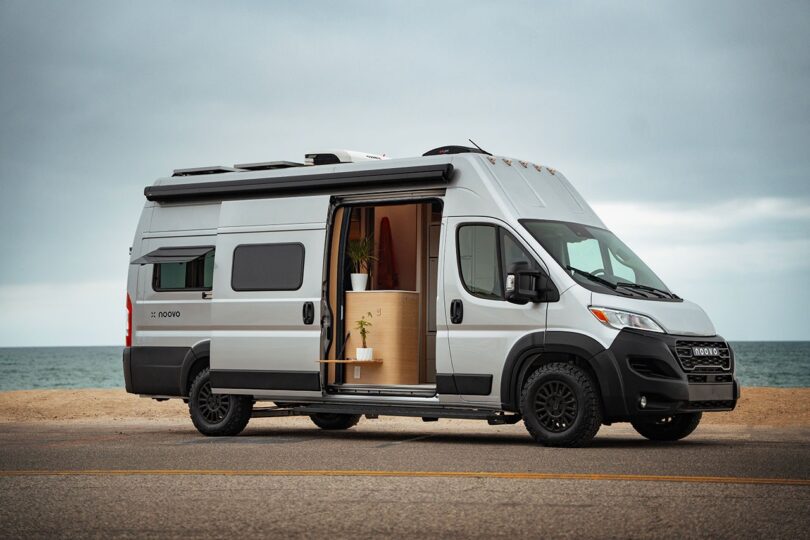
For the modern traveler, this represents a shift from "vacationing" to "living on the road." The Noovo Plus allows for a lifestyle where you can work remotely from a trailhead in Utah without ever worrying about a "low battery" warning or a cramped workspace.
Reimagining Transit: From Lounges to Lunar Suits
We are seeing a total reimagining of transit spaces. The goal? To turn "non-places" (like terminals and lounges) into architectural destinations in their own right. Portland International Airport (PDX) has set a new standard with its massive timber roof, sourced from local, sustainably managed forests. It’s a "love letter to local," ensuring that the moment you land, you feel the spirit of the Pacific Northwest.
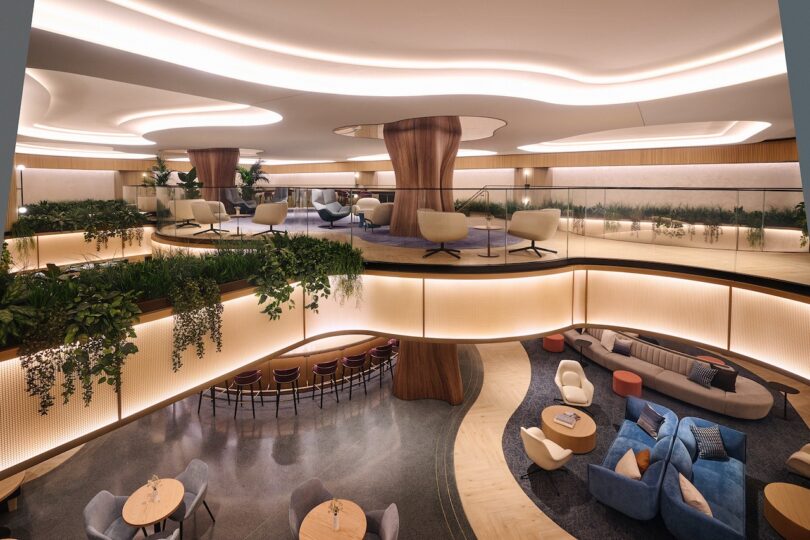
In the world of exclusive air travel, the Chase Sapphire Lounge at LaGuardia is redefining the pre-flight experience. Spanning 21,800 sq ft, this lounge focuses on wellness-oriented design, featuring meditation pods and high-end local art. It moves away from the sterile, corporate aesthetic of old, opting instead for a "residence-first" approach that makes you forget you're in one of the world's busiest airports.
Beyond the Earth's atmosphere, the boundary between architecture and apparel is blurring. The Prada x Axiom Space Lunar Suit, designed for the Artemis III mission, represents the pinnacle of travel "architecture" on a micro-scale. By blending Prada’s high-fashion sensibility with Axiom’s aerospace engineering, this suit is essentially a mobile, life-sustaining environment—the ultimate expression of future travel design 2024.
Experimental Heritage & Wellness Architecture
As we look toward the latter half of 2024, the trend of "Adaptive Reuse" is taking a dramatic, avant-garde turn. Designers are no longer just "fixing up" old buildings; they are treating them as canvases for bold, experimental interventions.
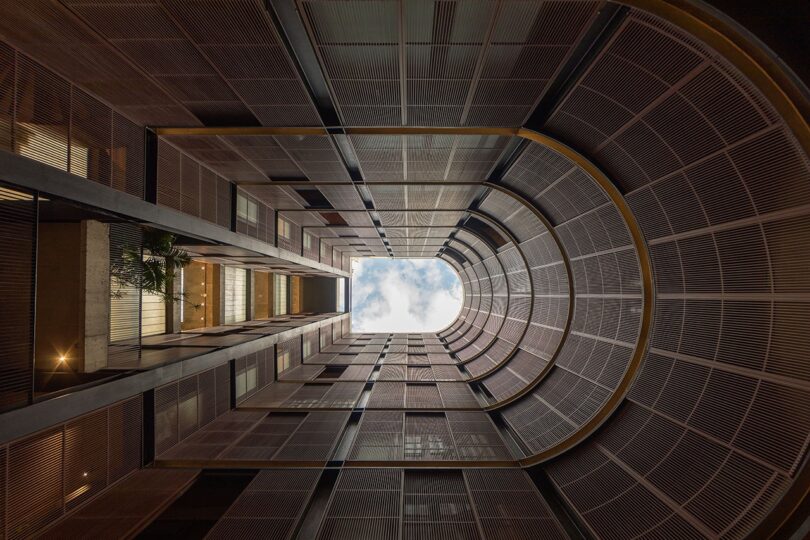
In Mexico City, Hotel Volga by JSa is a stunning example of brutalist-meets-minimalist design. Its U-shaped atrium acts as a monolithic void, drawing the eye upward and creating a stark, serene connection between the urban structure and the sky. It is a sensory experience of light and shadow that feels ancient and futuristic all at once.
In Los Angeles, the kodō Hotel takes a different approach to heritage. A repurposed fire station, it embraces the Japanese philosophy of 'wabi-sabi'—finding beauty in imperfection. By utilizing intentional negative space and a restrained material palette of wood and concrete, it offers a "quiet luxury" that serves as a necessary antidote to the city's frantic pace.
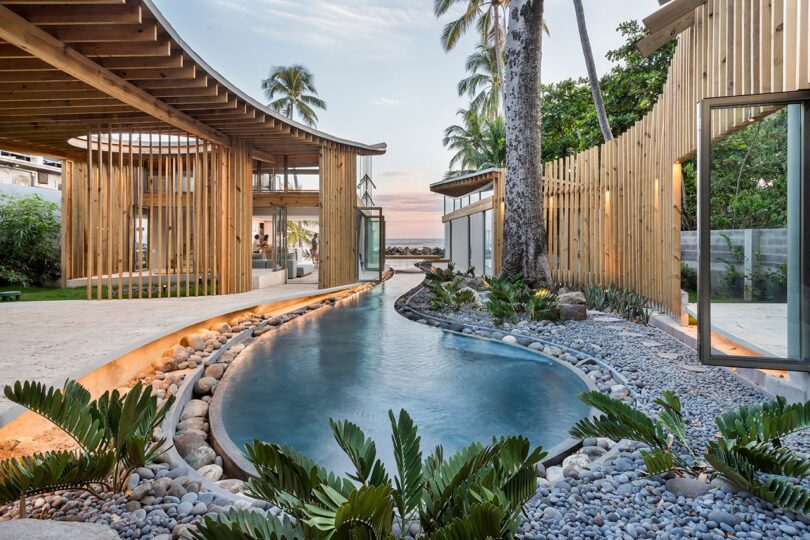
On the coast of El Salvador, the Al Suave House pushes the boundaries of beachfront architecture. The structure is bisected by a "river-like" pool that flows from the entrance through to the ocean view. This design isn't just for show; it facilitates natural cross-ventilation, cooling the home without the need for intensive air conditioning—a perfect marriage of form and function.
The 2024 Trend Report: Expert Predictions
The 2024 International Architecture Awards recently recognized over 140 cutting-edge projects globally, highlighting a 20-year trend toward design excellence in urbanism and landscape architecture. As we look forward, several key shifts are emerging that will dictate how we travel for the next decade:
- AI-Integrated Concierge: Beyond smart thermostats, AI is being built into the very bones of hotels to provide personalized, 24/7 concierge experiences that anticipate traveler needs before they even ask.
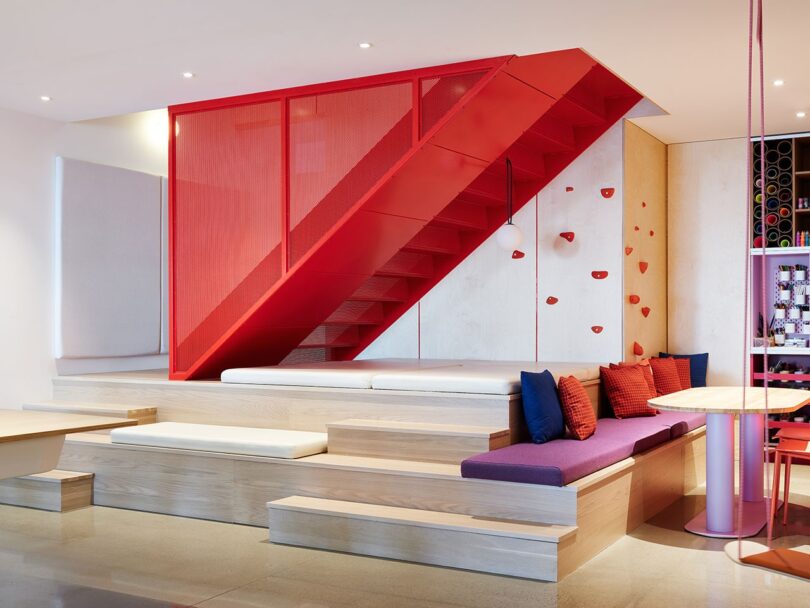
- Multi-use Lobbies: The "white box" hotel room is being replaced by active, design-driven event spaces. Lobbies are becoming community hubs, featuring fitness zones, co-working lounges, and pop-up galleries.
- Hyper-Localism: Whether it’s the timber at PDX or the traditional crafts at Six Senses, architecture is being used to anchor travelers in a specific geographic and cultural context.
The future of travel design isn't just about reaching a destination; it’s about the quality of the journey and the legacy we leave behind. Whether you're staying in a birdhouse in the Netherlands or navigating the lunar surface in Prada, the architecture of 2024 demands that we live more intentionally, more sustainably, and more beautifully.
FAQ
1. What is the most significant trend in travel architecture for 2024? The most significant trend is the "Race to Zero," which emphasizes sustainable luxury through the use of carbon-sequestering materials like mass timber and the integration of high-output renewable energy, such as 400W solar systems in mobile architecture.
2. How does biophilic design benefit travelers? Biophilic design uses natural elements—light, plants, and water features—to reduce the stress of travel. Projects like Changi's 'Wonderfall' are specifically designed to improve wellness and cognitive function for transit passengers.
3. Is "mobile architecture" really considered part of the architectural future? Absolutely. With the rise of the digital nomad, vehicles like the Noovo Plus are being designed with the same rigor as permanent residences, featuring high-end interior finishes, residential-grade appliances, and energy-independent power systems.