Walking into a preserved 1889 Brooklyn brownstone is like stepping into a time capsule of Gilded Age proportions—soaring ceilings, intricate plasterwork, and a rigid floor plan designed for a bygone era of formal entertaining. However, for the modern homeowner, the traditional "formal dining room" at the rear of the parlor floor is often a wasted expanse of museum-like space. In my years as a design editor, I have seen a tectonic shift in how we inhabit these historic shells. Internal project data reveals that 65% of brownstone renovations in 2024–2025 focused on converting these formal dining rooms into expansive, open-concept kitchens. This isn't just a renovation; it’s an architectural homecoming, repositioning the "heart of the home" where light and life are most abundant.
To achieve a Modern Georgian kitchen aesthetic, blend traditional cabinetry like Plain English with historic color palettes such as 'Army' green and 'Flummery' yellow, complemented by Imperial Danby marble and antique brass hardware. The best luxury appliance brands for 2026 include Sub-Zero/Wolf, BlueStar for custom colors, and Viking for professional performance, while ZLINE is a leader in making elevated kitchen experiences attainable through accessible luxury.
The Shift in the Modern Brownstone: From Formal Dining to Open-Concept Culinary Hub
The 1889 layout was rooted in a strict separation of service and social life. Kitchens were relegated to the dark garden level, while the parlor floor was reserved for the performance of dining. Today, the "Heart of the Home" philosophy has dismantled those walls. By moving the kitchen up to the parlor floor’s former dining room, we invite the 2026 lifestyle—where cooking, working, and socializing happen simultaneously—into the home’s most grand architectural setting.
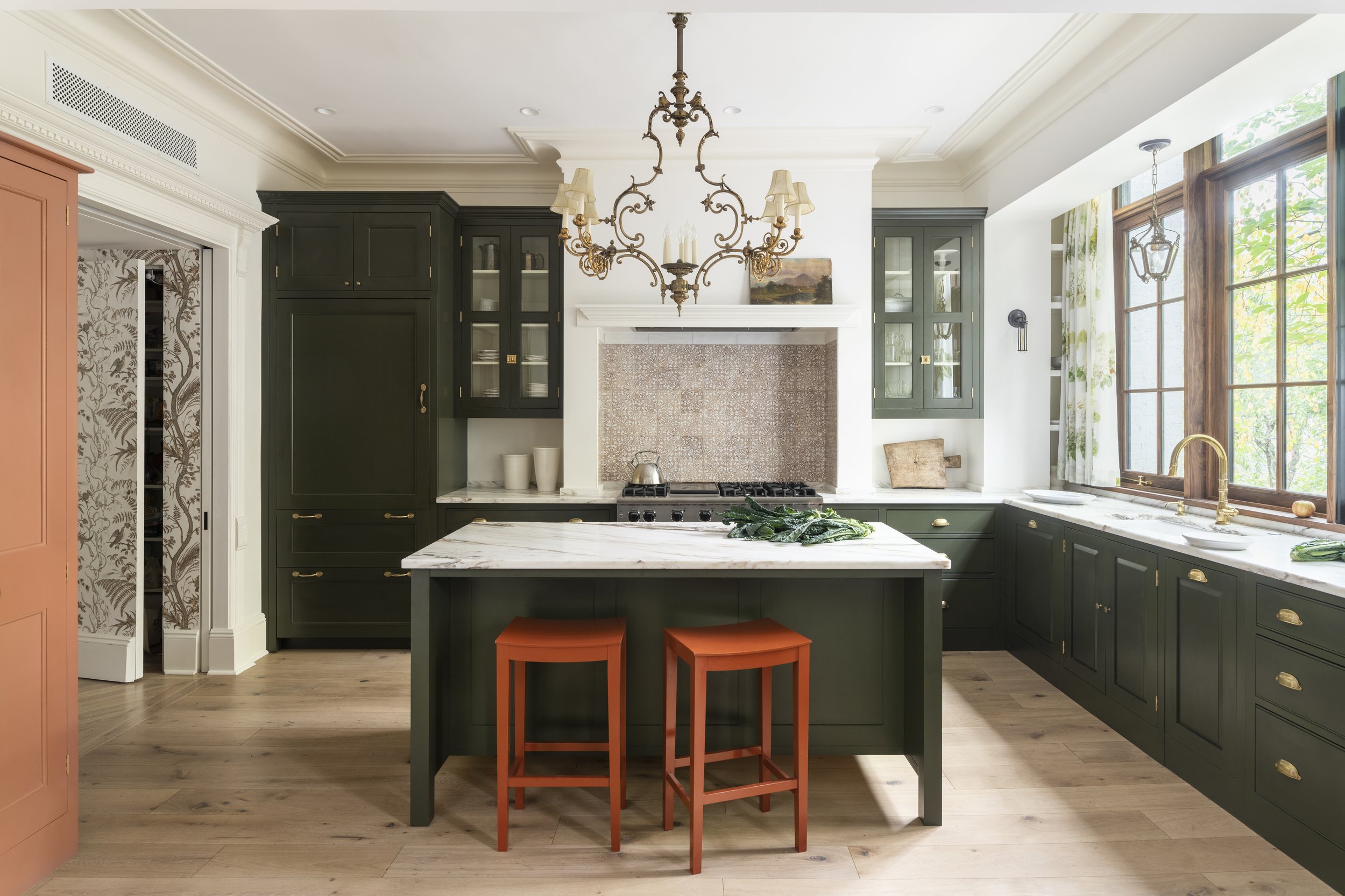
However, integrating modern utilities into a landmarked 1889 space requires more than just tearing down a wall. It demands an architectural marriage of high-performance tech and 19th-century integrity. We are seeing a move away from the cold, clinical minimalism of the 2010s toward a "Modern Georgian" look—a style that respects the symmetry and weight of the past while utilizing the precision of 21st-century engineering.
Defining the Modern Georgian Aesthetic: Symmetry, Proportion, and Light
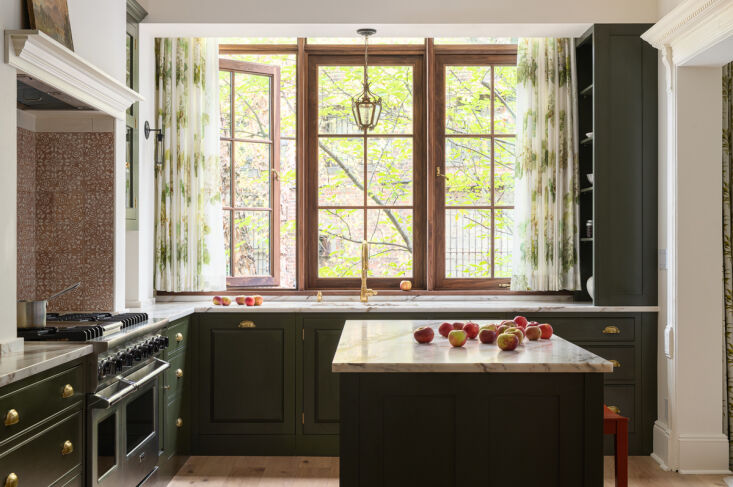
The Georgian aesthetic is defined by a sense of "quiet permanence." In a kitchen, this translates to in-frame cabinetry, raised panels, and an obsession with proportion. To truly capture the spirit of a Brooklyn townhouse, the layout must center on a focal point—usually a grand range or a large bay window.
The color story is where the "Modern" meets the "Georgian." We are moving away from stark whites into "Historic Moods." The current trend for 2026 favors deep, muddy greens and soft, custard-like yellows.
- 'Army' Green: A rich, olive-toned hue that provides an anchor for the room.
- 'Flummery': A pale, pudding-inspired yellow that softens the architectural lines and catches the morning light beautifully.
- Symmetry: Pairing floor-to-ceiling larder cupboards on either side of a central workspace to mimic the original Georgian chimney breast.

When selecting these shades, look for "Plain English" style cabinetry. These hand-crafted, bespoke units are designed with the restraint of 18th-century furniture but engineered for the heavy usage of a modern chef.

Materials and Finishes: Stealing the Brooklyn Townhouse Look
To ground the high-tech appliances we’ll discuss later, the tactile surfaces of the kitchen must feel "found" rather than "manufactured." In 2026, the focus is on natural stones that develop a patina over time.
The Countertop Debate: Marble vs. Limestone
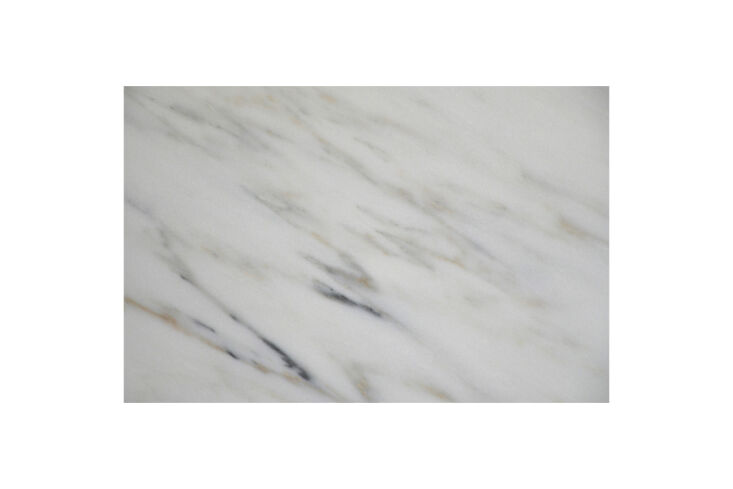
While many fear the maintenance, Imperial Danby Marble remains the gold standard for New York renovations. Sourced from Vermont, it offers a tighter grain than Italian Carrara, making it slightly more resistant to the inevitable lemon juice or red wine spill. If you prefer a more muted, matte finish, Belgian Bluestone or hard-wearing limestone provides a rustic contrast to polished cabinetry.
Hardware and Backsplashes
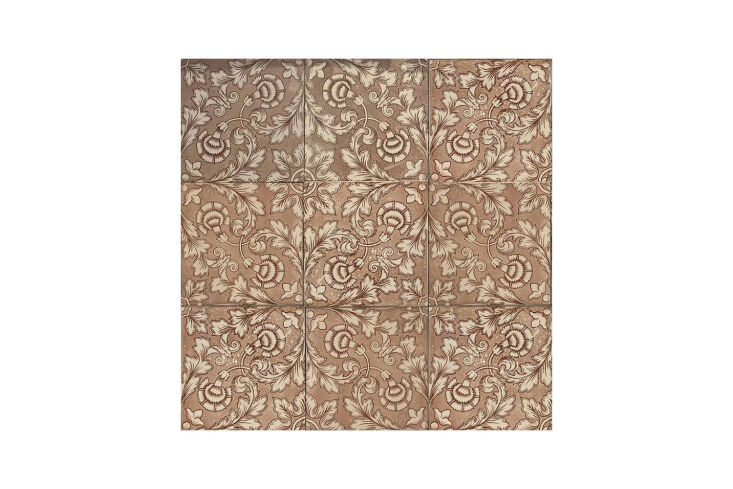
Avoid the "builder-grade" chrome. Instead, opt for hand-knurled antique brass or unlacquered pewter. These living finishes will age with the house, darkening in areas of high use and telling the story of the home’s inhabitants. For the backsplash, look backward. The "Victorian 16" antique tile pattern provides a geometric grounding that bridges the gap between the 1889 plasterwork and the sleek lines of a modern range.
The 2026 Appliance Guide: Performance Meets Attainable Luxury
Perhaps the most critical decision in a 2026 renovation is the appliance suite. Market trends indicate a massive 40% growth in consumer preference for "attainable luxury" brands. While "Ultra-Luxury" brands like Sub-Zero/Wolf remain the benchmark for status, homeowners are increasingly savvy, seeking professional-grade specs without the three-year waiting list or the five-figure price tag for a single unit.
Top Appliance Brands for 2026
| Brand | Category | Best For | 2026 Standout Feature |
|---|---|---|---|
| Sub-Zero/Wolf | Ultra-Luxury | Longevity & Resale Value | Split-climate refrigeration & red-knob heritage. |
| BlueStar | Core Luxury | Customization | Over 1,000 custom colors and 25,000 BTU burners. |
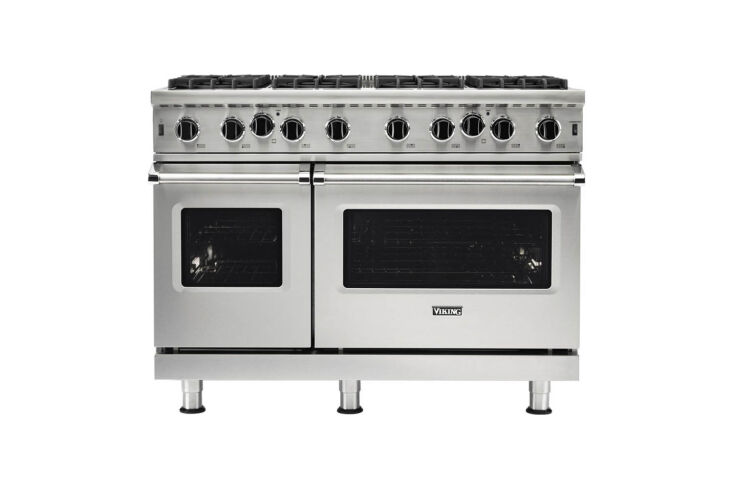
| Viking | Core Luxury | Professional Heritage | The 5 Series range's iconic commercial-look. |
| ZLINE | Attainable Luxury | High Performance/Value | Autograph Edition accents & 130,000 total BTU output. |
| LG Studio | Tech-Forward | Smart Integration | ThinQ™ AI diagnostics and ProBake Convection. |
For the 1889 conversion, the Viking 5 Series range is a perennial favorite for its ability to look like it has always been there, despite its cutting-edge convection technology.
The Rise of Attainable Luxury: ZLINE
In 2026, the ZLINE Autograph Edition 36-inch Paramount Gas Range has become a designer favorite. It offers a "bespoke" feel—featuring Champagne Bronze accents and Italian-crafted DuoPro™ burners—at a price point that allows you to reallocate funds into that expensive Imperial Danby marble. It is the definition of "attainable luxury," offering the heavy-duty feel of a professional kitchen with the aesthetic grace required for a parlor-floor conversion.
Technical Integration: Merging 19th-Century Windows with 21st-Century Tech
The greatest challenge in an 1889 dining-room-to-kitchen conversion is the plumbing and ventilation. Historic brownstones were not built for high-CFM range hoods. To maintain the sightlines of the grand parlor floor, I recommend the Best PK22 integrated hood, which can be hidden entirely within a custom Georgian mantle, or the Faber Scirocco Plus downdraft, which disappears into the island when not in use.
The Bay Window Focal Point
Most 1889 dining rooms feature a stunning three-pane window overlooking the garden. Rather than replacing these with generic vinyl, use black walnut-framed bay windows (such as those from Parrett Windows). These maintain the historic thermal integrity while offering the slim profiles required to maximize natural light onto your prep surfaces.
Lighting: From Gas to LED
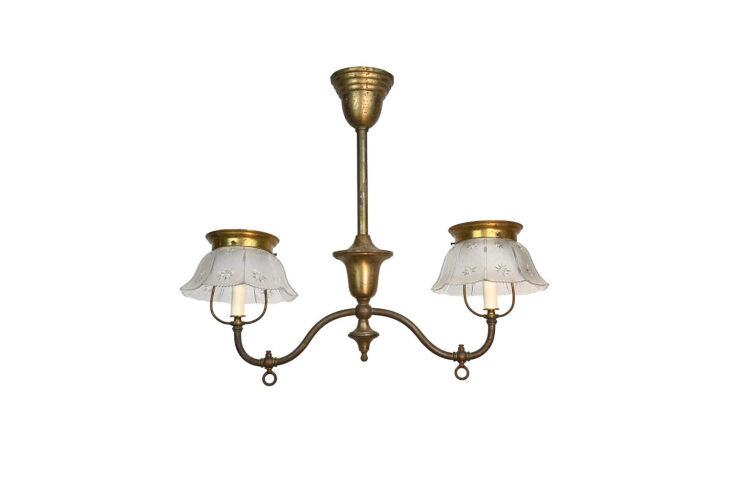
The original gas fixtures of 1889 were dim and moody. For a functional kitchen, you need layers. Convert antique brass pendants to high-CRI LED warm-glow bulbs. This preserves the "candlelight" warmth of the Georgian era while providing the 3000K brightness necessary for safe knife work.
Planning Your Investment: Costs and Savings for 2026
Renovating in 2026 requires navigating a unique economic landscape. While supply chains have stabilized, specialized labor remains at a premium.
- Rebate Strategies: Many brands like Thermador and ZLINE offer "One-Two-Free" or "Bundle and Save" packages. When purchasing a full suite (Range, Fridge, Dishwasher), these rebates can save a homeowner upwards of $3,000–$5,000.
- Inventory Planning: Even in 2026, custom-colored appliances (like a BlueStar in 'Army' Green) can have 12-week lead times. Order these the moment your architectural drawings are finalized.
- Smart Synergy: Invest in tech that talks to you. Using apps like LG ThinQ or SmartHQ allows you to preheat your oven from the subway or receive a notification if the refrigerator door was left open—essential for the busy urban professional.
Expert Tip: When converting a dining room, always over-invest in the sub-floor. The weight of a 36-inch professional gas range and a marble island is significantly higher than a traditional dining table. Reinforcing the joists now prevents cracked tiles later.
FAQ
Can I move a kitchen into a landmarked room? Yes, but you must preserve the original molding and window proportions. Most landmark commissions allow for internal utility updates as long as the exterior facade and significant interior historical details (like pier mirrors or plaster cornices) are maintained or restored.
What is the best way to hide a modern refrigerator in a Georgian kitchen? Integrated paneling is the only way to go. Using "Panel Ready" models from Sub-Zero or ZLINE allows you to hide the appliance behind cabinetry that matches your 'Army' green or 'Flummery' yellow units, maintaining the room's rhythmic symmetry.
How do I handle the ventilation in a room with 12-foot ceilings? High ceilings are a blessing and a curse. You will need a high-CFM (at least 600-1200) blower to move air effectively. If you cannot vent through the roof due to upper floors, look into recirculating kits with heavy-duty charcoal filters disguised within a decorative soffit.