There is a specific kind of magic found at the high-tide mark just after a storm. For some, the tangled mounds of seaweed and debris are merely an eyesore; for those of us committed to a circular, sustainable lifestyle, they are a treasure trove of raw material. Among the driftwood and shells lies a discarded bounty of marine twine—polypropylene and nylon lines lost from fishing vessels, weathered by the relentless rhythm of the Atlantic.
We often talk about "sustainable living" in terms of what we buy, but true environmental stewardship frequently begins with what we rescue. By foraging for this ocean-tossed rope, we can create unique nautical knits that elevate a modern kitchen with a rugged, salt-kissed aesthetic. But what exactly can you make with recycled marine twine? These durable, textured fibers are ideal for knitting heavy-duty kitchen essentials such as potholders, trivets, table mats, and robust scrub cloths. Unlike store-bought cotton, these pieces carry a natural coastal patina that only time and tide can provide.
The Allure of Foraged Fibers: Why Marine Twine?
As an editor focused on energy-efficient and eco-friendly home solutions, I am constantly looking for materials that don't just "do no harm," but actively heal. Hand-knitting a single nautical potholder repurposes approximately 15 to 30 feet of discarded fishing line, effectively removing micro-plastic sources from our coastlines before they can break down and enter the food chain. This is craft with a conscience.
Beyond the ecological benefit, there is a practical advantage to using "seasoned" rope. You might assume that industrial-grade twine would be too stiff for the knitting needles. However, naturally weathered marine twine is approximately 40% more pliable than new industrial rope. Years of exposure to salt water and UV rays break down the stiff synthetic binders in the fibers, resulting in a "squishy" texture that is surprisingly comfortable to work with and exceptionally grippy for handling hot cast-iron pans.
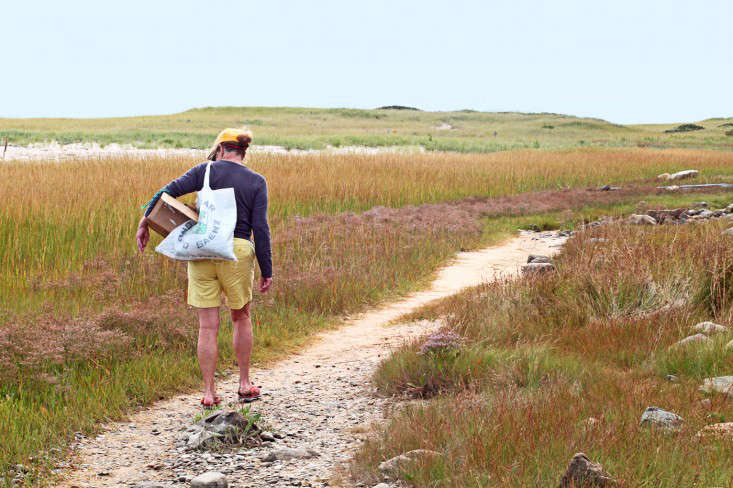
The aesthetic appeal is equally compelling. The "salty patina"—that slightly faded, matte finish—is impossible to replicate in a factory. Each skein of foraged yarn tells a story of the deep sea, bringing a sense of history and adventure into the heart of the home.
The Hunter-Gatherer’s Guide: Finding Your Materials
To begin your upcycled nautical decor journey, you must first become a "consummate hunter-gatherer." This isn't about buying rolls of rope from a hardware store; it’s about the hunt.
- The High-Tide Mark: This is your primary "aisle." After a spring tide or a heavy swell, the ocean deposits its heaviest debris here. Look for clumps of seaweed, as they often act as nets that catch smaller, more pliable twines.
- Lobster Trap Detritus: In coastal regions, you’ll often find short lengths of "pot warp" or ghost gear. These are often the most colorful finds, ranging from mariner’s green to rare, sun-bleached chartreuse.
- Safety and Ethics: Always wear gloves while beachcombing to protect against sharp shells or hidden hooks. Furthermore, ensure you are only taking "abandoned" material. Avoid cutting lines that are clearly part of active maritime equipment or shore-stabilization efforts.
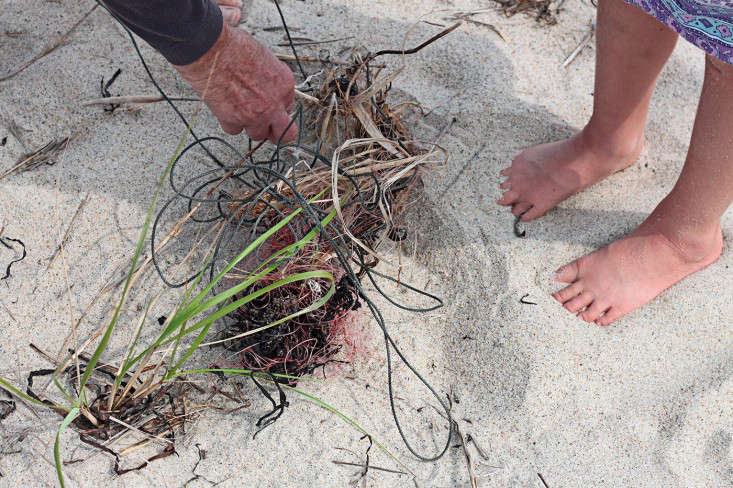
The variety of colors you can find is staggering. While sea foam green and navy are common, keep an eye out for the occasional pop of safety orange or weathered yellow. These vibrant accents can be used to create striped patterns that make your kitchen decor truly pop against neutral cabinetry.
From Shore to Skein: Preparing the Twine
Once you’ve returned from the shore with your haul, the transformation from "beach trash" to "kitchen treasure" begins. This preparation phase is crucial for ensuring your finished pieces are both hygienic and easy to knit.
Start by untangling your finds. This can be a meditative process—a puzzle set by the sea. Sort the twine by color and, more importantly, by thickness. You want to group lines of similar weights together to ensure a consistent tension in your knitting.
The question I am most frequently asked is: How do you prepare beach-combed twine for knitting? To maintain the authentic salty texture and the weathered look, I recommend a minimalist approach. Only wash the white or heavily soiled lines in a mild, eco-friendly soap and water solution. For most colored lines, a vigorous shake to remove sand and a quick rinse in fresh water to remove excess salt is sufficient. Avoid harsh detergents, as you want to preserve the fiber's integrity.
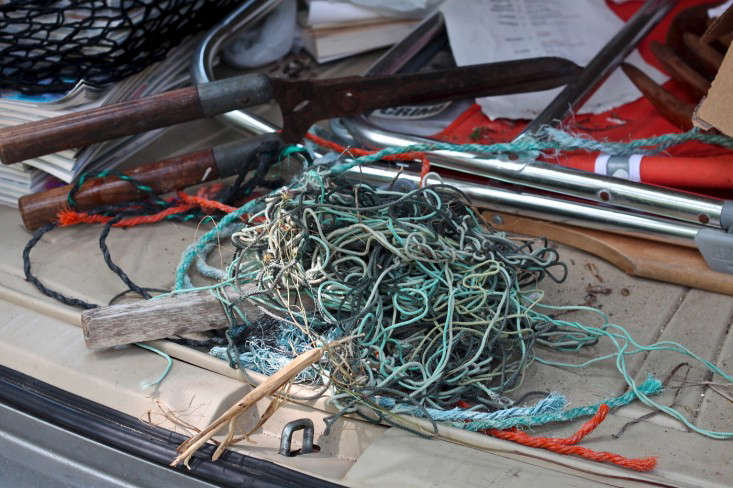
After rinsing, hang the twine in long loops in a shaded, breezy spot to dry. Once dry, wind them into tight coils or "cakes." This makes the material much easier to manage at the knitting bench and prevents tangling as you work.
Tools and Techniques for Rugged Knits
Knitting with recycled marine twine is a tactile, visceral experience. It requires a departure from the delicate techniques used for cashmere or wool. You are working with a material built to survive the North Atlantic, so your tools must be equally robust.
Because foraged twine varies significantly in thickness, choosing the right gauge requires a bit of experimentation. As a general rule, it is best to use knitting needles ranging from size 7 to size 11 (4.5mm to 8.0mm).
| Twine Type | Recommended Needle Size (US) | Best Kitchen Use |
|---|---|---|
| Fine Netting Twine | Size 7 - 8 | Scrub cloths, delicate coasters |
| Medium Pot Warp | Size 9 - 10 | Potholders, daily-use trivets |
| Heavy-Duty Mooring Line | Size 11+ | Large table mats, door mats |
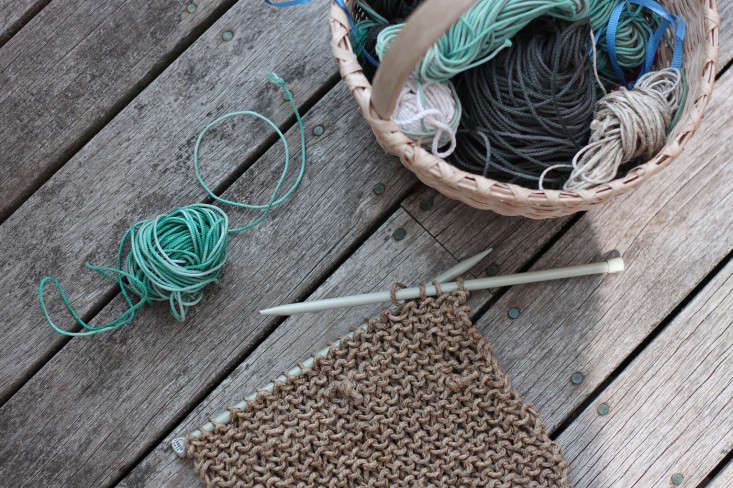
When working with these fibers, I recommend using bamboo or wooden needles. The natural "grip" of wood helps manage the slightly slippery nature of synthetic marine fibers, giving you better control over your stitches.
Connecting different lengths of twine is another area where we lean into the nautical theme. Rather than standard knitting joins, we use the "lobster pot knot" (a variation of the fisherman's knot) to join fibers. This adds a rugged, irregular charm to the piece, celebrating the fact that it is made from multiple salvaged fragments.
Kitchen Project Showcase: Durable Coastal Essentials
The beauty of marine twine lies in its utility. These aren't just decorative pieces; they are built for the high-heat, high-moisture environment of a busy kitchen.
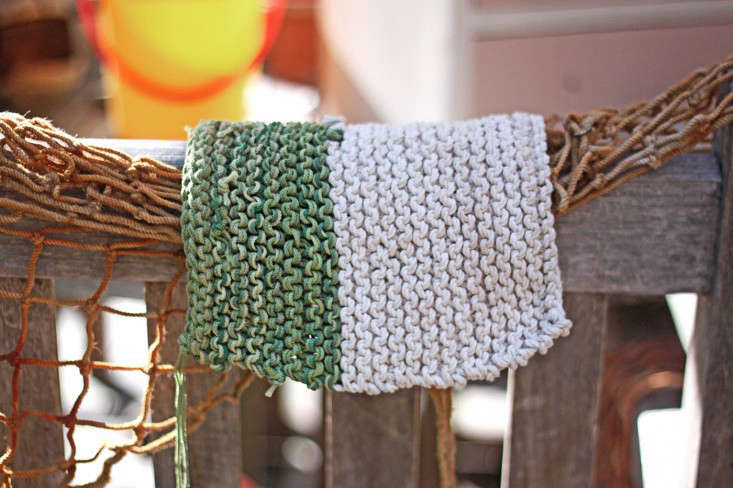
1. The "Indestructible" Potholder Using a simple garter stitch (knitting every row), you can create a dense, cushioned fabric that is perfect for protecting your hands. The synthetic nature of the twine means it won't scorch as easily as thin cotton, and its textured surface provides an incredible non-slip grip.
2. Heavy-Duty Scrub Cloths For those of us moving toward a zero-waste lifestyle, foraged twine scrubbers are a revelation. The natural abrasiveness of weathered nylon makes quick work of dried-on food on cast iron or stainless steel, yet it’s gentle enough not to scratch. When they get dirty, simply toss them in the dishwasher.
3. Rustic Heat-Resistant Trivets By knitting with double strands of medium-weight twine, you can create thick, architectural mats for hot pots and pans. These look stunning on a reclaimed wood dining table, bridging the gap between industrial utility and coastal warmth.
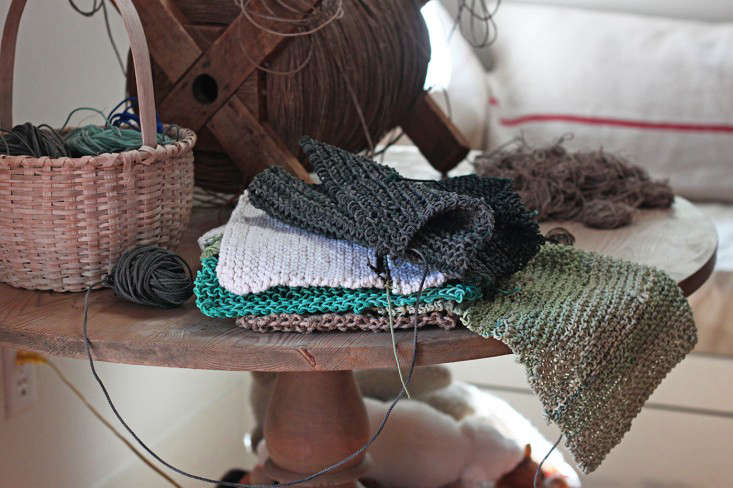
Styling Your Salty Knits
Integrating these "salty knits" into a modern kitchen is all about contrast. The rugged, irregular texture of the upcycled twine provides a perfect counterpoint to the clean lines of marble countertops or stainless steel appliances.
We love seeing these pieces used in clusters. A stack of varied-color potholders on an open shelf adds a layer of visual interest that a standard set of linens simply can't provide. Because each piece is inherently "one-of-a-kind," they also make exceptional gifts for eco-conscious friends. Imagine gifting a set of hand-knitted trivets, accompanied by a small note detailing the stretch of coastline where the material was rescued. It’s a gift that carries the scent of the sea and the spirit of conservation.
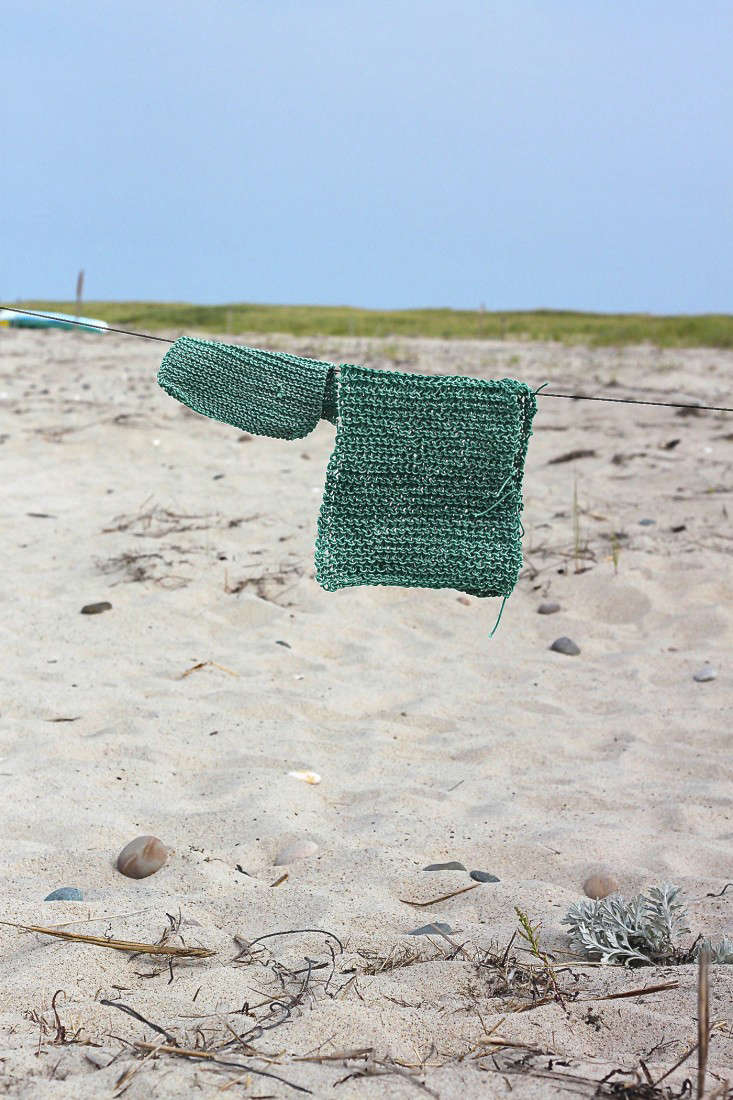
In an era of mass-produced, disposable goods, there is a profound satisfaction in creating something beautiful from the ocean's refuse. It reminds us that with a little creativity and a pair of knitting needles, we can turn the tide on plastic pollution—one stitch at a time.
FAQ
Is it safe to use synthetic marine twine near heat? Yes, but with a caveat. Most marine twine is made of polypropylene or nylon, which have high melting points. They are excellent for potholders and trivets used with standard cookware. However, do not leave them in direct contact with an open flame or inside a hot oven, as they can melt under extreme direct heat.
Will the twine smell like the ocean or fish? Initially, beach-combed twine may have a slight "briny" scent. However, after a quick rinse in fresh water and a few days in a well-ventilated home, any lingering odors dissipate. The result is a clean-smelling, rugged material.
Can I machine wash these knitted items? Absolutely. One of the best features of marine twine is its durability. You can place your potholders and scrubbers in the top rack of the dishwasher or in a mesh bag in the washing machine (cold cycle). Hang them to air dry to maintain their shape.
Call to Action
Ready to start your own sustainable crafting journey? The next time you find yourself wandering the shoreline, look down. Your next favorite kitchen accessory might be tangled in the seaweed at your feet. For more guides on sustainable home solutions and upcycling projects, subscribe to our weekly newsletter. Together, we can build a home that respects the planet.