The kitchen has ceased to be a mere laboratory for meal preparation. As we navigate the midpoint of the decade, the 2025 kitchen has evolved into a cultural stage—a sanctuary where the cold, antiseptic minimalism of the 2010s has been replaced by a "soulful" craftsmanship that prioritizes the human touch. Market data from 2025 confirms this shift, showing a 45% year-over-year increase in consumer spending on artisanal and handcrafted kitchenware compared to mass-produced alternatives. We are no longer just "buying" tools; we are "curating" objects that carry a narrative.
The 2025 kitchen is defined by a return to organic materials, distressed metal finishes, and the pervasive philosophy of 'quiet luxury'—an aesthetic focusing on high-quality natural stone, fine woods, and durable, bespoke craftsmanship over ostentatious displays. This year has taught us that the most valuable objects in our homes aren't necessarily the most expensive, but those that foster a sense of permanence and ritual.
1. Materiality First: The Rise of Organic Surfaces
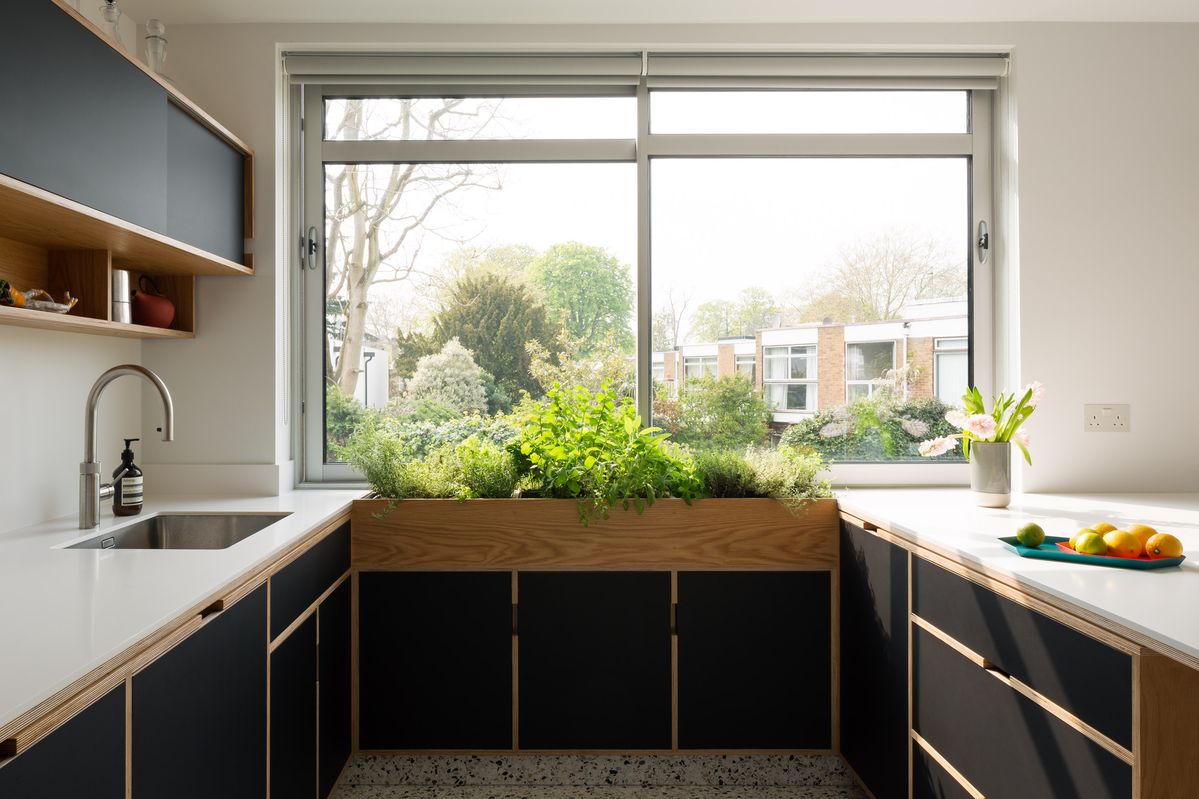
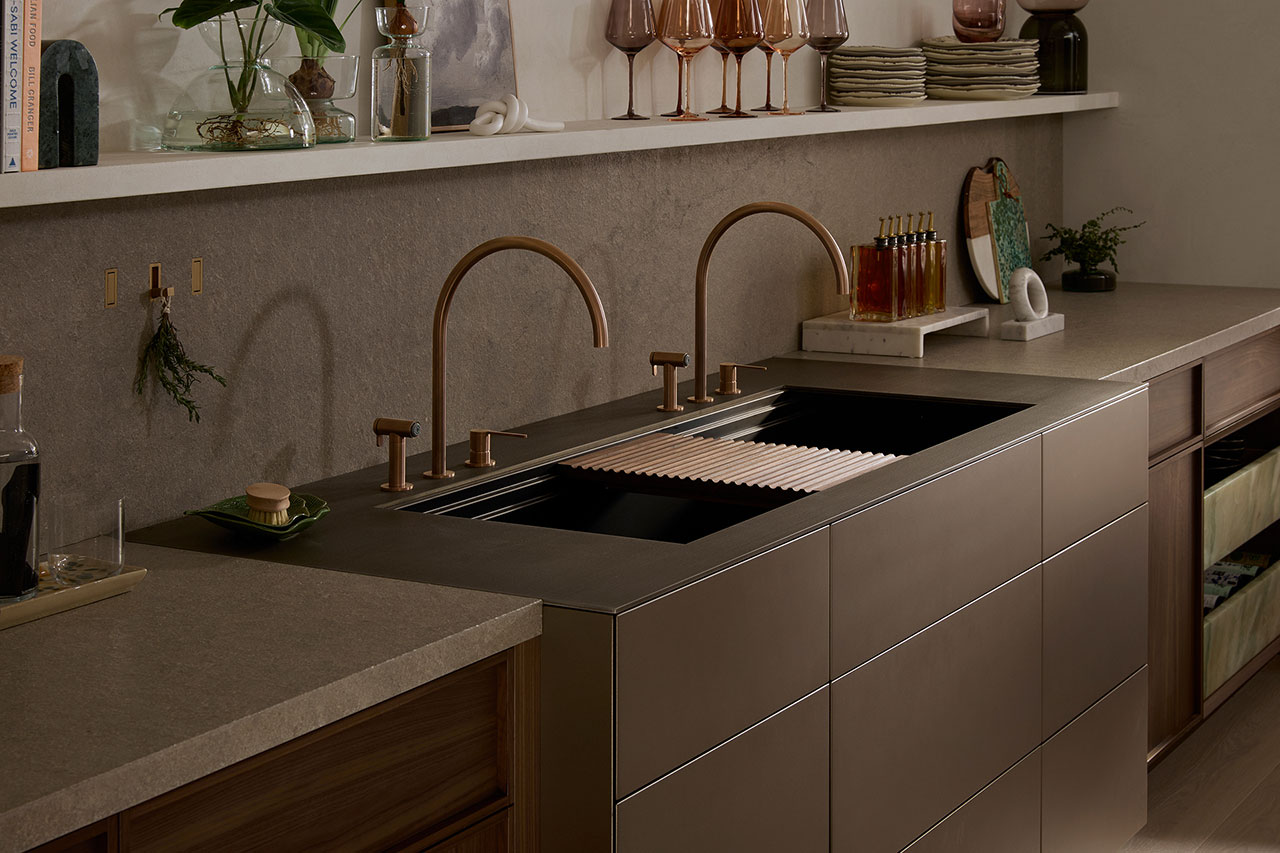
In 2025, the tactile experience of a kitchen is just as important as its visual appeal. We are seeing a dominant trend toward natural stone—specifically quartzite and heavily veined marble—and rich, dark timbers like walnut and smoked oak. This shift is part of the larger 'quiet luxury' movement, which 68% of high-end kitchen renovations in 2025 integrated, prioritizing timber and stone over synthetic composites.
The trend isn't just about the material itself, but how it is manipulated. "Choppy Water" textures, reeding, and fluted cabinetry are replacing flat-panel surfaces. These textures catch the light and invite touch, breaking up the monotony of large kitchen islands. Furthermore, the move away from polished chrome toward distressed metals—think unlacquered brass and blackened steel—allows the kitchen to age gracefully, developing a unique patina that records the history of the home.
Designer Insight: When selecting stone for 2025, look for "honed" or "leathered" finishes rather than high-gloss. These finishes feel softer to the touch and are far more forgiving with fingerprints and daily wear, embodying the true spirit of quiet luxury.
2. Regenerative Design: Sustainability Beyond Recycling
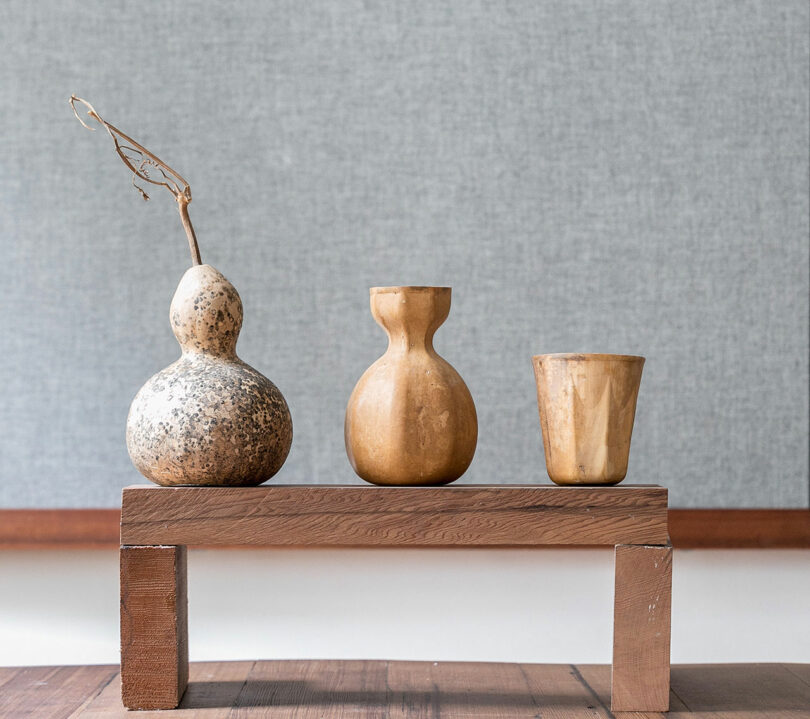
Sustainability in 2025 has moved past the era of simply using recycled plastic. The new frontier is regenerative design, where objects are "grown" rather than manufactured. A standout example is the Gourd Project, where vessels and lampshades are cultivated from living gourds, shaped by 3D-printed molds while still on the vine. This "Grown not Made" movement represents a radical shift toward a carbon-negative kitchen.
Integration of sustainability in 2025 kitchen objects focuses on:
- Durability and Repairability: A rejection of "disposable culture" in favor of heirloom-quality tools.
- Bio-Materials: The use of mycelium (mushroom) packaging and seaweed-based coatings.
- Bespoke Longevity: Investing in custom-built furniture designed to last 50 years rather than five.
3. Ritual-Led Objects: Elevating the Everyday
Why is artisanal kitchenware trending so heavily in 2025? The answer lies in our collective desire for authenticity. In an increasingly digital world, we crave the physical weight of a hand-thrown ceramic mug or the specific balance of a forged steel knife. These objects transform mundane chores into meaningful rituals.
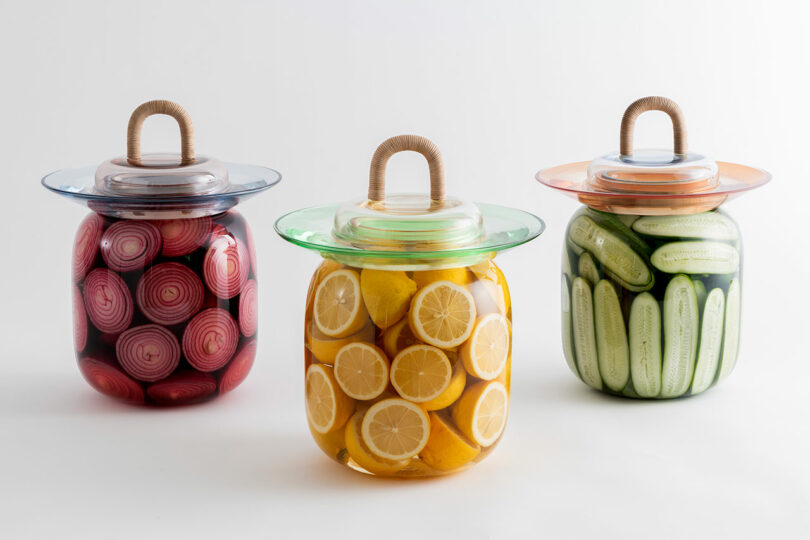
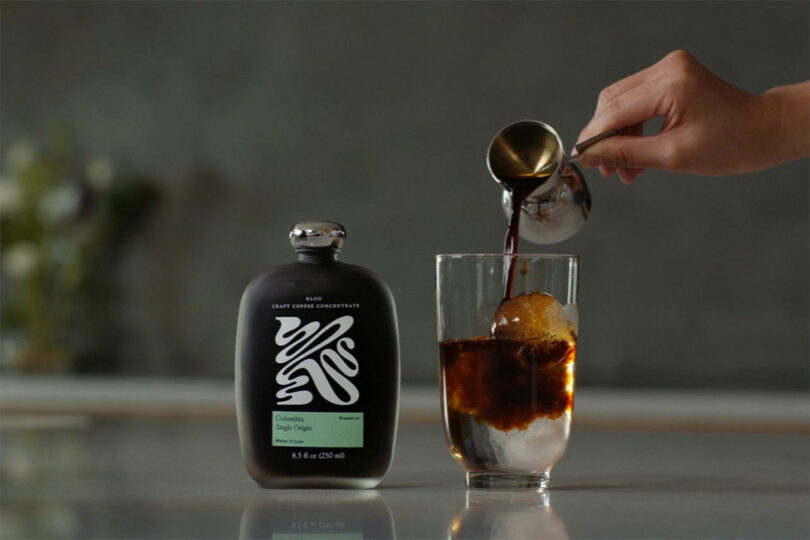
The 'Cafécore' trend is the ultimate expression of this. Rather than a hidden coffee machine, the 2025 kitchen features a dedicated "shrine" to caffeine, complete with professional-grade coffee concentrates, sculptural carafes, and hand-poured ceramic drippers. Similarly, the 'Slow Food' aesthetic has brought sculptural fermentation vessels back to the countertop. These aren't just jars; they are functional art pieces that showcase the beauty of preserved ingredients.
| Object Type | 2020 Trend (Mass Produced) | 2025 Trend (Artisanal/Quiet Luxury) |
|---|---|---|
| Coffee Gear | Plastic Pod Machines | Glass & Steel Manual Pour-overs |
| Storage | Uniform Plastic Containers | Hand-blown Glass & Ceramic Crocks |
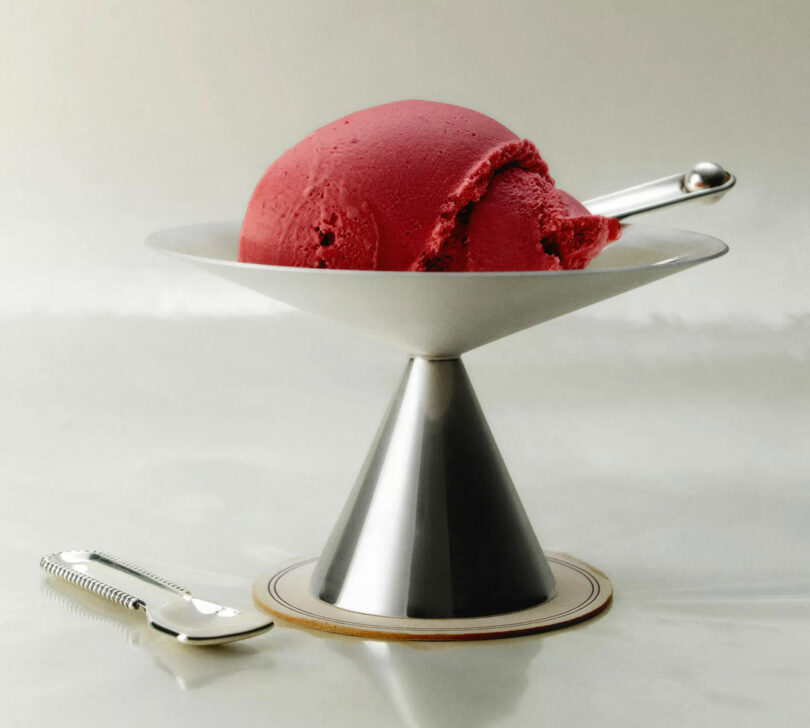
| Serveware | Plain White Porcelain | Sculptural Stoneware & Sterling Silver |
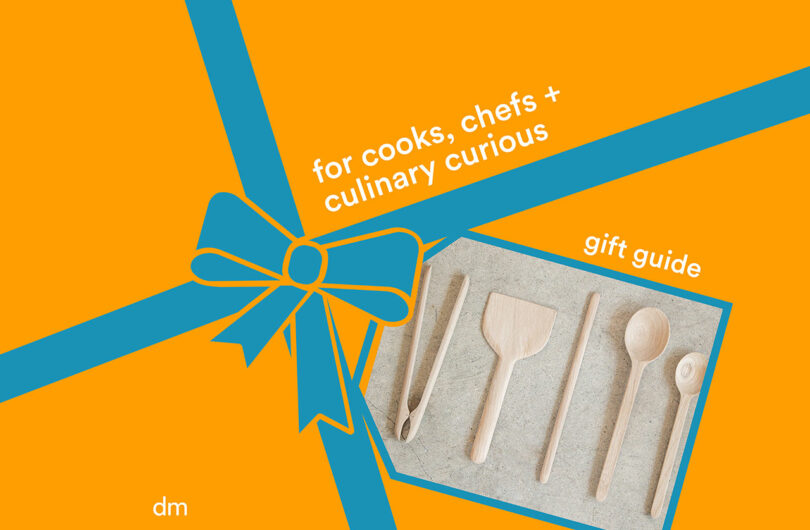
| Utensils | Silicon/Nylon Sets | Hand-carved Walnut & Forged Metal |
4. The Vintage Revival: Soulful Antiques in a Smart World
As a reaction to the "smart home" fatigue, we are seeing a massive resurgence of 'Kitsch-ens'—spaces that blend high-tech appliances with soulful, thrifted antiques. There is a newfound appreciation for the "workhorse" objects of the past. Collectors are scouring markets for:
- Original Pyroceram (CorningWare): Coveted for its durability and retro patterns.
- Cast Iron Pans: Valued for their lifetime performance and heat retention.
- Butter Crocks: A return to French-style "beurriers" for countertop storage.
- Ceramic Cookie Jars: Specifically those with hand-painted, whimsical designs.
- Frilly Café Curtains: Adding a soft, nostalgic touch to modern windows.
- Sterling Silver Vessels: Reclaimed and used for daily water or juice carafes.
- Enamelware: Durable, colorful, and perfect for the "indoor-outdoor" lifestyle.
- Wooden Dough Bowls: Used as sculptural centerpieces.
- Copper Jam Pots: Celebrated for their conductive properties and warm glow.
- Linen Bread Bags: Replacing plastic for artisanal sourdough storage.
- Hand-cranked Spice Mills: Prioritizing the sensory experience of grinding fresh herbs.
This vintage revival isn't about being "old-fashioned"; it's about character. A vintage item brings an immediate sense of history and "lived-in" comfort to a brand-new kitchen.
5. Architectural Shifts: Curves and Social Hubs
The geometry of the kitchen is softening. The rigid, linear layouts of the past are giving way to the 'Curved Kitchen' aesthetic. Rounded islands and arched doorways help to flow the kitchen into the rest of the living space, making it a true social hub rather than a utility room.
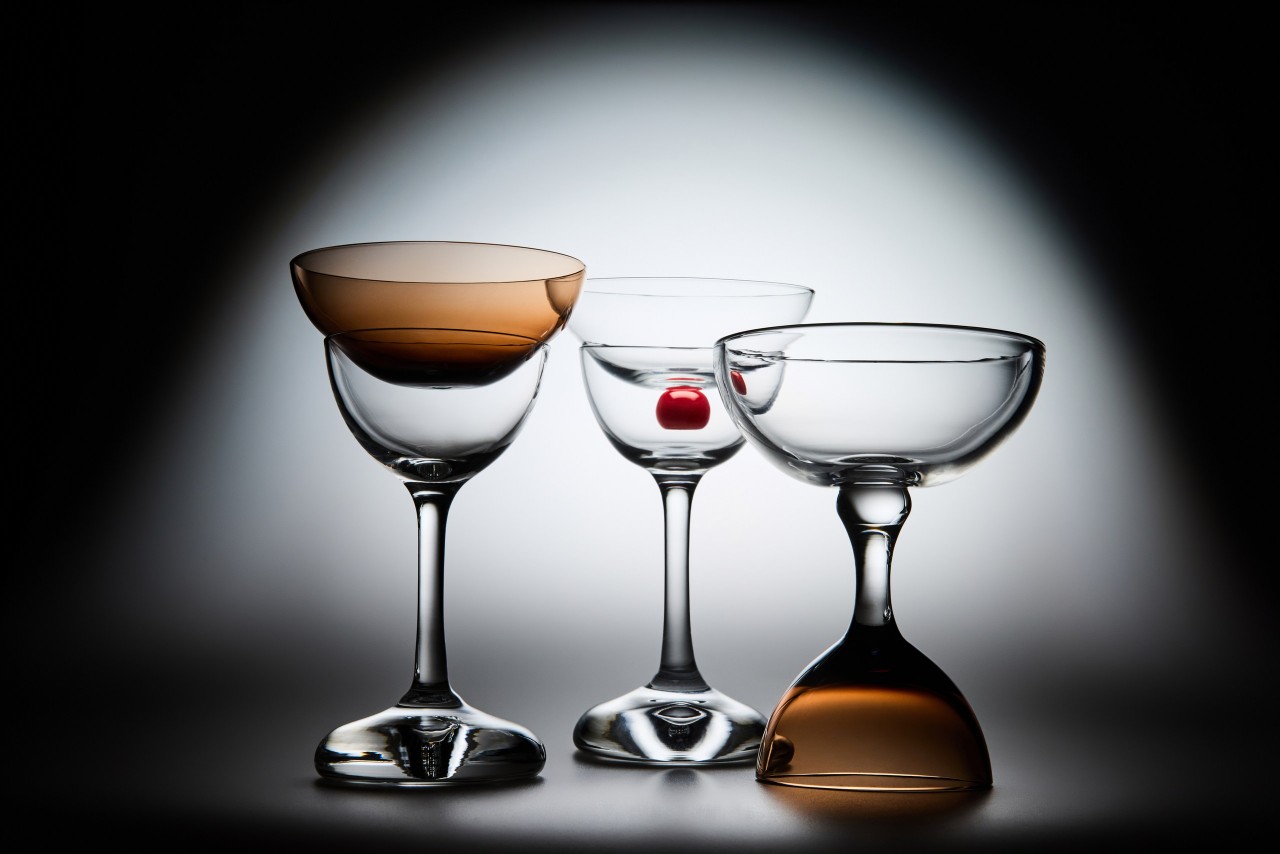
This architectural shift also includes the integration of designated bar areas and high-tech appliances that are "hidden in plain sight." In 2025, we don't want to see the microwave; we want to see the handcrafted cabinetry it’s tucked behind. Even our dessert-ware and small plates are reflecting this architectural intent, moving toward brushed metal finishes and textured surfaces that echo the broader design of the home.
Pro-Tip: If you aren't ready for a full renovation, introduce curves through your objects. A round wooden pedestal for your fruit or an arched marble backsplash segment can immediately soften a kitchen's profile.
FAQ
Q: Is "Quiet Luxury" just another name for minimalism? A: Not quite. While minimalism focuses on "less is more," Quiet Luxury focuses on "better is more." It allows for more texture, warmer colors, and more personal items, provided they are of exceptional quality and craftsmanship.
Q: How do I maintain unlacquered brass or patinated metals? A: The beauty of these metals is that they are meant to change. You can occasionally clean them with a mild soap and water, but the goal is to let them develop their own unique finish over time. If you prefer a consistent look, you may want to stick to traditional PVD finishes.
Q: Are artisanal objects worth the 45% price increase? A: From a design and sustainability standpoint, yes. These objects are generally more durable, have a lower carbon footprint, and support independent makers. Most importantly, they offer a tactile and emotional satisfaction that mass-produced items cannot replicate.
Conclusion
The 2025 kitchen is a testament to our desire for connection—connection to our food, to the materials we touch, and to the artisans who create them. By embracing quiet luxury, regenerative design, and ritual-led objects, we are creating spaces that are not only functional but deeply restorative. Whether you are adding a single hand-carved spoon or embarking on a full-scale renovation with natural stone, remember that the true luxury of 2025 lies in the details of the maker.