By 2026, the boundary between the professional back-bar and the home kitchen has effectively vanished. We’ve moved past the era of the dusty "all-in-one" bar kit—those flimsy, chrome-plated sets that look better in a gift box than they do in a cocktail. Today’s home mixologist prioritizes performance, thermal dynamics, and precision. If you are serious about the quality of your Negroni or the texture of your Whiskey Sour, you need to look at what the pros are actually gripping behind the stick.
The core essential bar tools for any home setup in 2026 include a high-quality shaker (specifically a Boston or Parisian style), a precision jigger, a Hawthorne strainer, a weighted bar spoon, and a handheld citrus press. Beyond these basics, the difference between a "good" drink and a "world-class" drink often comes down to the specialized equipment used for extraction and dilution.
The 'Holy Trinity' of Shaking and Stirring
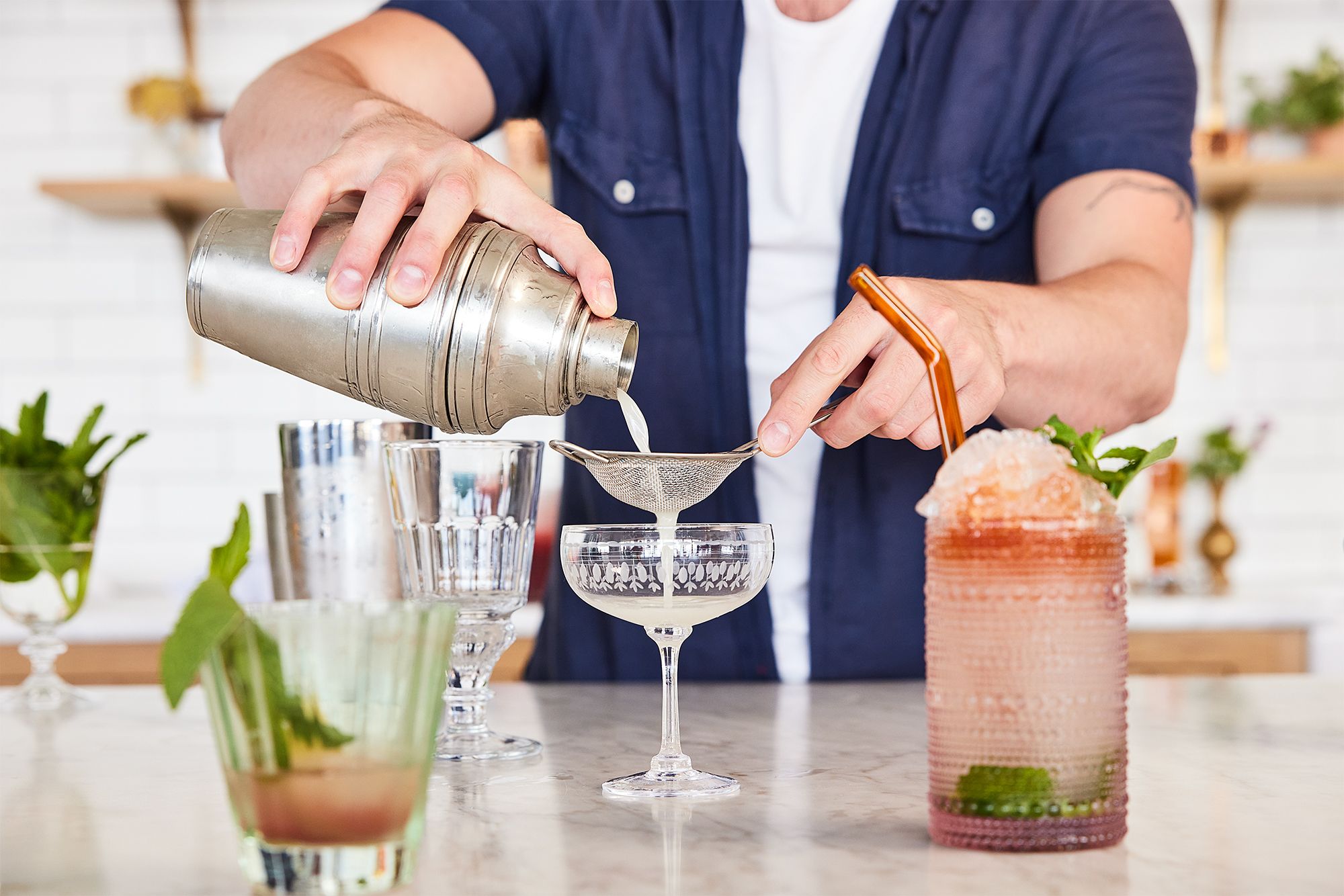
When we evaluate shakers at the test kitchen, we look for two things: seal reliability and thermal transfer. The professional standard remains the Boston Shaker (Tin-on-Tin). Unlike the three-piece Cobbler shaker, which often freezes shut or leaks, the tin-on-tin setup allows for a larger volume of air to be integrated into the drink, creating that sought-after aeration in citrus-heavy cocktails.
1. The Boston Shaker
Pros prefer high-grade 18/8 stainless steel. The "weighted" bottom on the smaller tin provides the balance needed for a rhythmic, consistent shake. A 15-second shake isn't just about cooling; it’s about "bruising" the ice to create micro-dilution that softens the bite of the spirit.
2. The Parisian (French) Shaker
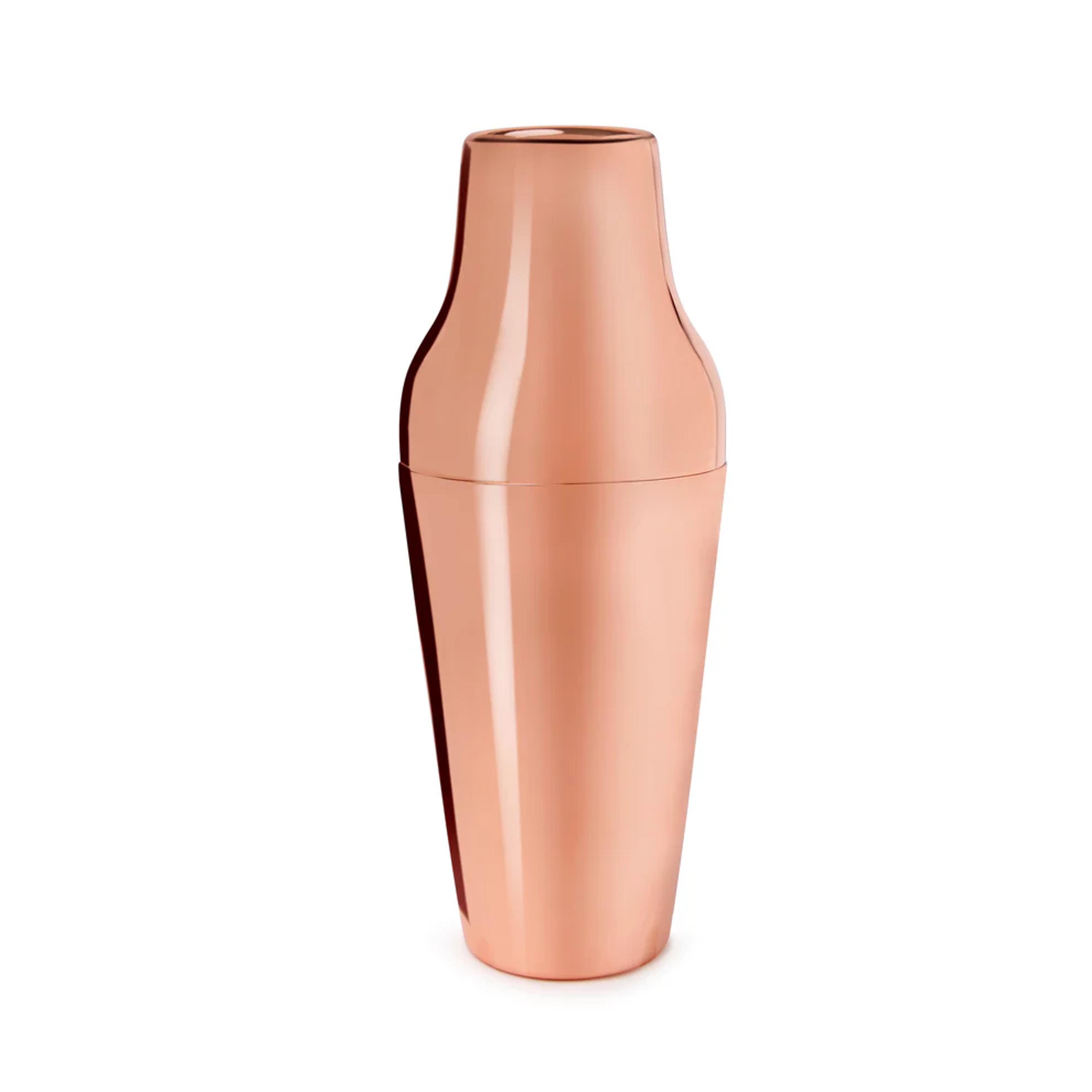
For those who want the performance of a Boston shaker but the aesthetic of a sleek bar cart, the Parisian shaker is the answer. It is a two-piece set that provides a tight seal without the "cap" issues of a Cobbler. It’s elegant, functional, and increasingly popular in high-end home environments.
3. Crystal Mixing Glasses
While you can stir a drink in a shaker tin, professional mixologists prioritize crystal mixing glasses for spirit-forward cocktails like the Martini or Manhattan. Why? Because crystal allows for better visual monitoring of dilution and temperature during the stirring process. You can see the ice settling and the viscosity of the liquid changing in real-time. In 2026, heavy-bottomed seamless designs are the gold standard for stability.
4. Weighted Bar Spoons
A pro bar spoon isn't just a long spoon; it’s a precision instrument. The spiral shaft is designed for "fingertip rotation," allowing the spoon to glide between the ice and the glass wall without churning the ice. Look for a 30cm to 40cm length to ensure leverage regardless of the glass height.
| Feature | Boston Shaker (Pro Choice) | Cobbler Shaker (Beginner) |
|---|---|---|
| Seal Mechanism | Friction fit (Tin-on-Tin) | Built-in cap and strainer |
| Cleaning | Extremely easy; no crevices | Difficult; prone to residue |
| Speed | High; quick to open/close | Low; often freezes shut |
| Texture | Superior aeration/foam | Moderate |
Pro Insight: The 15-Second Rule Most home bartenders under-shake. To achieve the correct dilution and a frothy head on an egg-white cocktail, shake vigorously for at least 12–15 seconds. If the outside of the tin isn't painfully cold to the touch, you aren't done yet.
Precision and Extraction: Getting the Balance Right
Mixology is chemistry, and chemistry requires measurement. In 2026, we are seeing a trend toward complex, low-ABV (alcohol by volume) drinks where a quarter-ounce error can completely ruin the flavor profile.
5. Japanese-Style Jiggers
The "multi-step" Japanese jigger is the industry favorite. Its tall, narrow shape makes it easier to see exactly when you’ve hit your mark, reducing the "over-pour" common with wider, shallower jiggers.
6. The Handheld Citrus Press
Freshness is non-negotiable. Industry comparative testing indicates that using a dedicated citrus press increases juice yield by 15% compared to manual hand-squeezing. This isn't just about saving fruit; it directly impacts the acidity balance of your cocktail. A press extracts the oils from the skin while squeezing the juice, adding a depth of flavor you can't get from a bottled product.
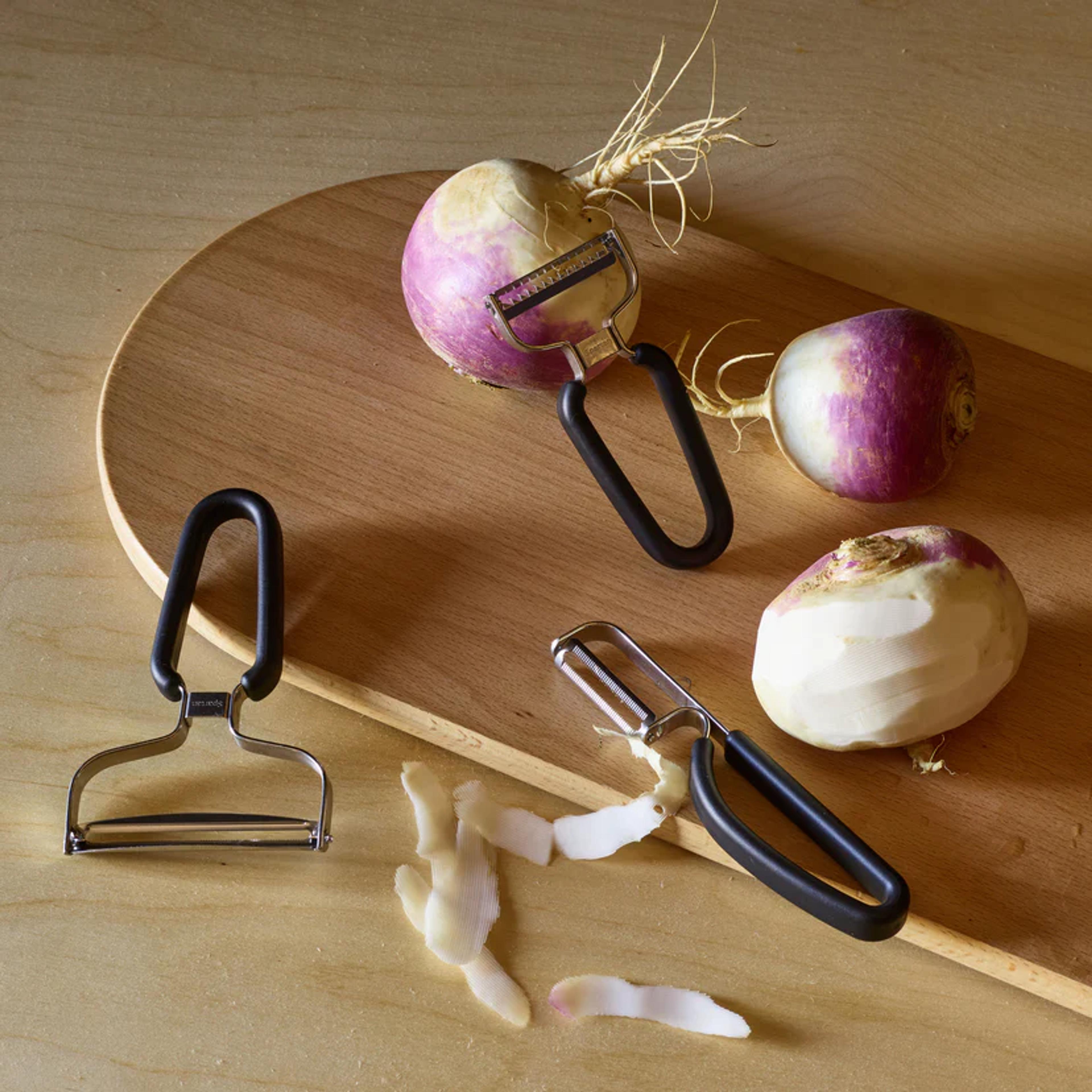
7. Professional-Grade Y-Peeler
For the best garnishes, experts recommend using a professional-grade Y-peeler or even a cheese slicer. The goal is to express citrus oils safely and create perfectly thick, aromatic peels without digging into the bitter white pith.
8. Stainless Steel Muddlers
While wooden muddlers have a "classic" look, industry analysis for 2026 shows that 85% of professional mixologists prioritize stainless steel. Wood is porous; it absorbs flavors and can harbor bacteria if not dried perfectly. Stainless steel is hygienic, flavor-neutral, and usually features a textured silicone head that effectively mashes herbs and fruit without pulverizing them into a bitter paste.
Straining and Texture Control
If you want that "velvet" mouthfeel found in world-class cocktail bars, you need to master the triple-strain.
9. Hawthorne Strainer
This is the workhorse. Look for one with a high-density spring. This allows you to control "gate tension"—closing the gap between the strainer and the tin to filter out smaller ice shards or opening it up to let more foam through.
10. Julep Strainer
Reserved for stirred drinks, the Julep strainer fits snugly into the mixing glass. It’s about elegance and ensuring that the crystal-clear clarity of a stirred drink isn't compromised by unwanted ice particles.
11. Fine Mesh Strainer
The final gatekeeper. By holding a small fine-mesh strainer over the glass while pouring from your Hawthorne, you catch every stray bit of pulp or "ice snow." This creates a perfectly smooth, professional finish.
Advanced Tools for the Modern Mixologist
Once you've mastered the basics, 2026's tech and specialized tools allow you to push the boundaries of what’s possible at home.
12. Clear Ice Molds
Cloudy ice is full of impurities and air, which causes it to melt faster and dilute your drink unevenly. Directional freezing kits now allow home users to create crystal-clear "slow-melt" spheres and blocks that look like they were carved by a diamond cutter.
13. Precision Tweezers
If you are using delicate garnishes like edible flowers or dehydrated citrus wheels, human fingers are too clumsy. Long, offset tweezers allow for meticulous placement, ensuring the drink looks as good as it tastes.
14. Microplane/Zesters
For drinks like the Mai Tai or certain espresso martinis, a fresh dusting of nutmeg or tonka bean is essential. A professional-grade zester provides a fine, snow-like texture that releases aromas instantly.
15. Digital Scales
Consistency is the hallmark of a pro. When batching cocktails for a party or making your own syrups (like rich 2:1 simple syrup), a scale is far more accurate than volume measurements.
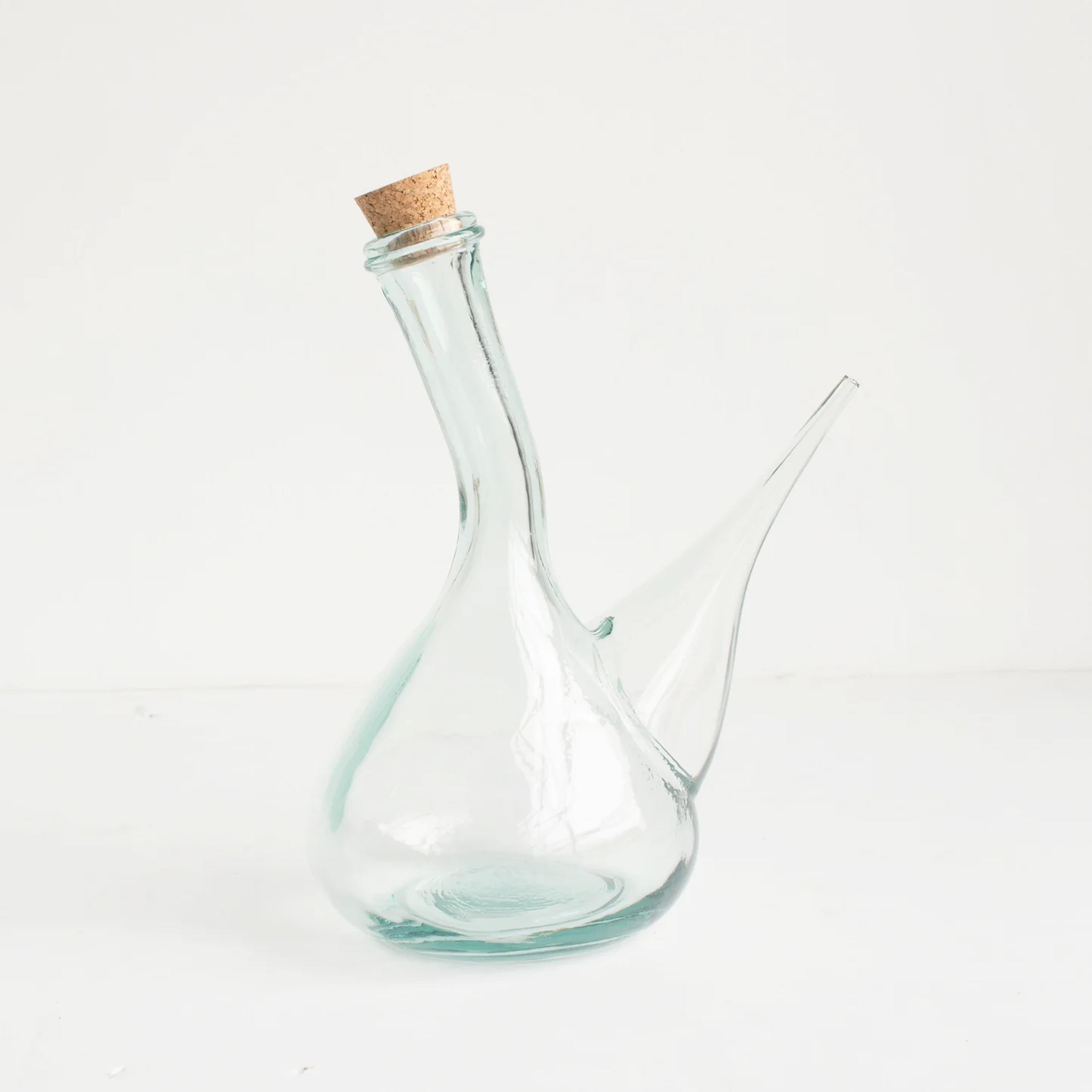
16. The Spanish Porrón
This is the ultimate 2026 party tool. Traditionally used for wine, mixologists are now using it for communal cocktail service. It’s a specialized glass vessel with a long sprout that allows you to pour a stream of liquid directly into your mouth (or a glass) from a distance, aerating the drink as it falls.
The 2026 Bar 'Furniture' and Tech
The environment where you store and prep your ingredients is just as important as the shaker itself.
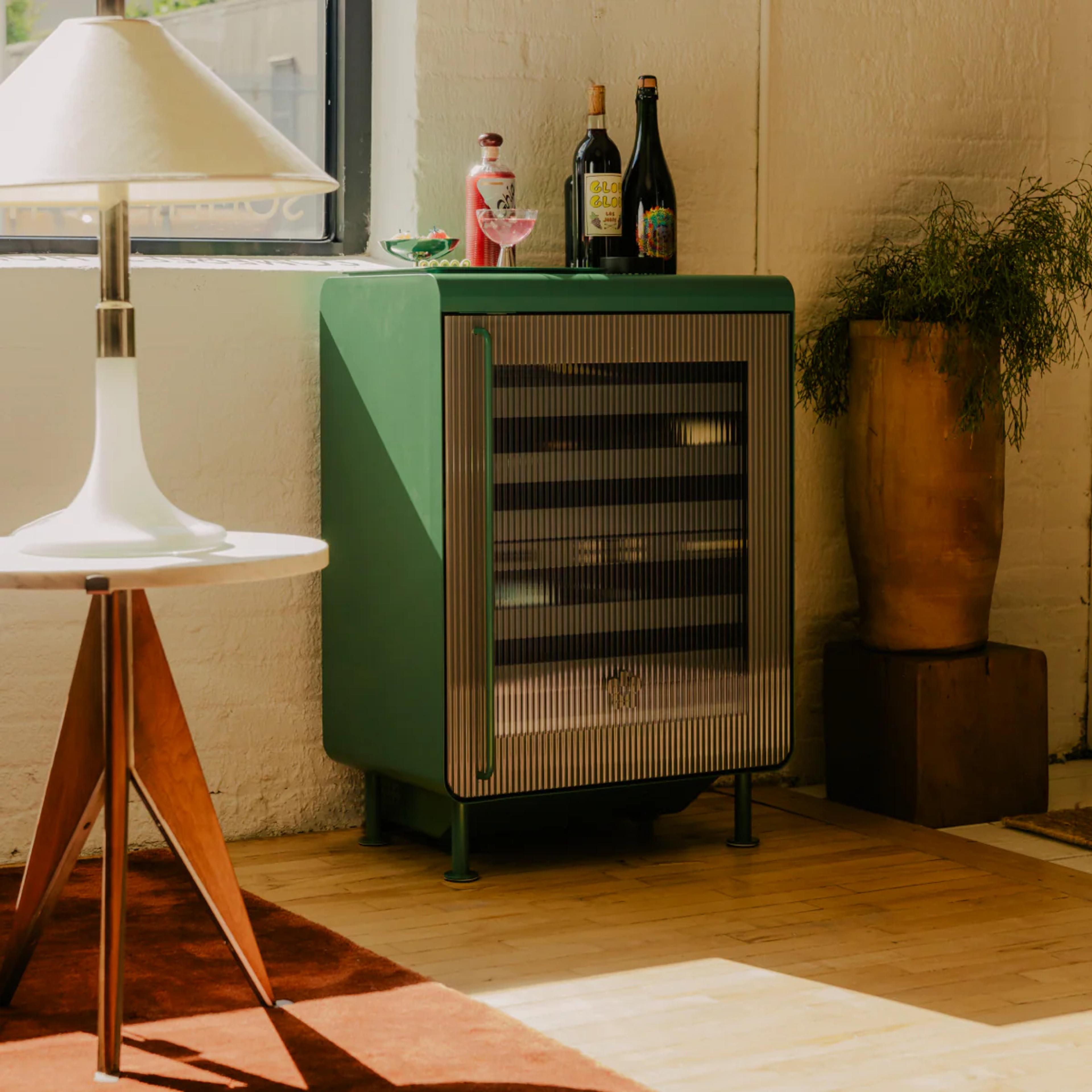
17. Smart Beverage Fridges (Rocco)
Temperature control is critical for fortified wines like Vermouth. Once opened, Vermouth oxidizes and spoils at room temperature. Smart fridges like the Rocco ensure these delicate liquids are kept at a precise 50°F (10°C) to preserve their botanical complexity.
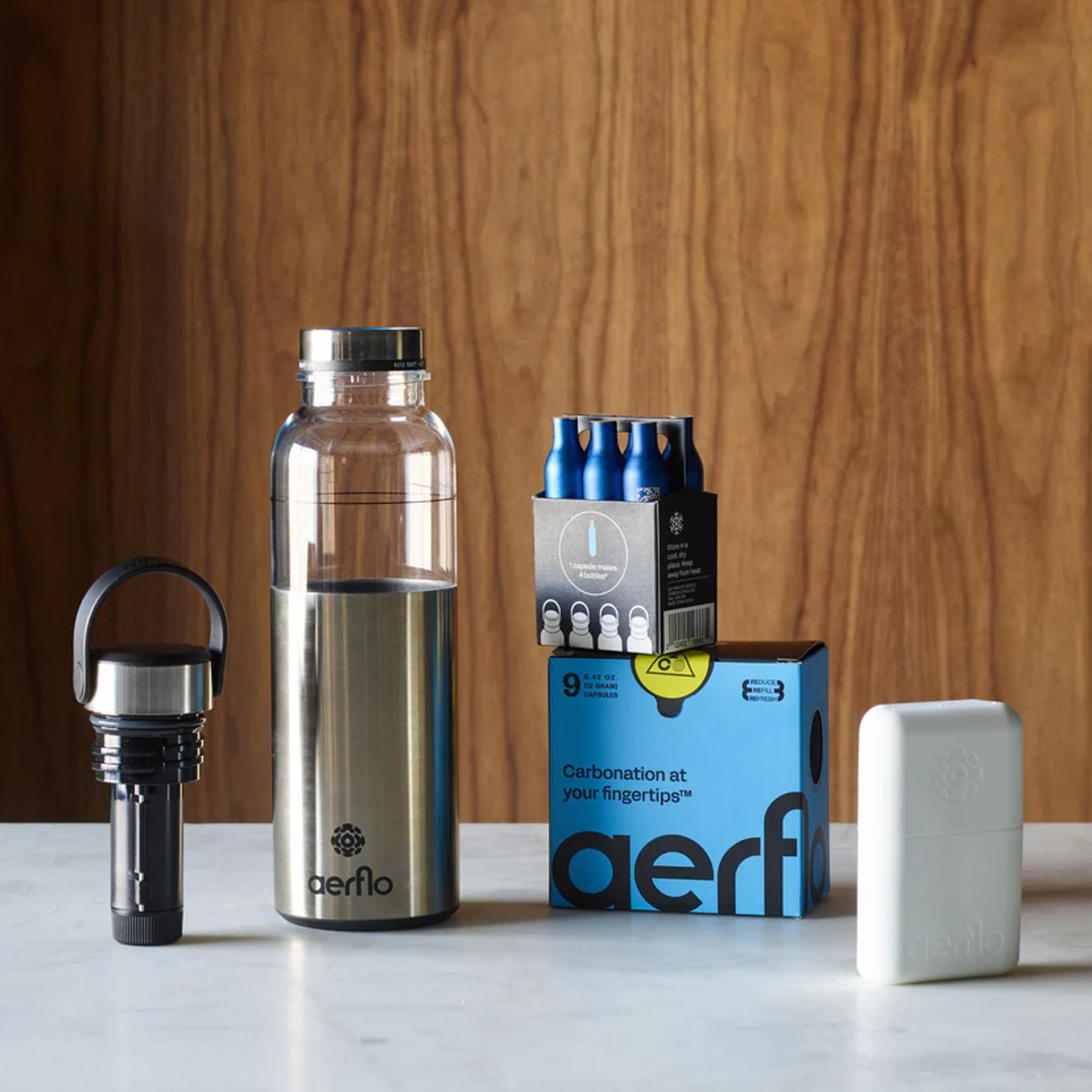
18. Portable Sparkling Water Kits
A highball is only as good as its carbonation. 2026 has seen a rise in sleek, portable carbonation systems that maintain higher CO2 levels than store-bought club soda, ensuring your gin and tonic stays effervescent until the last sip.
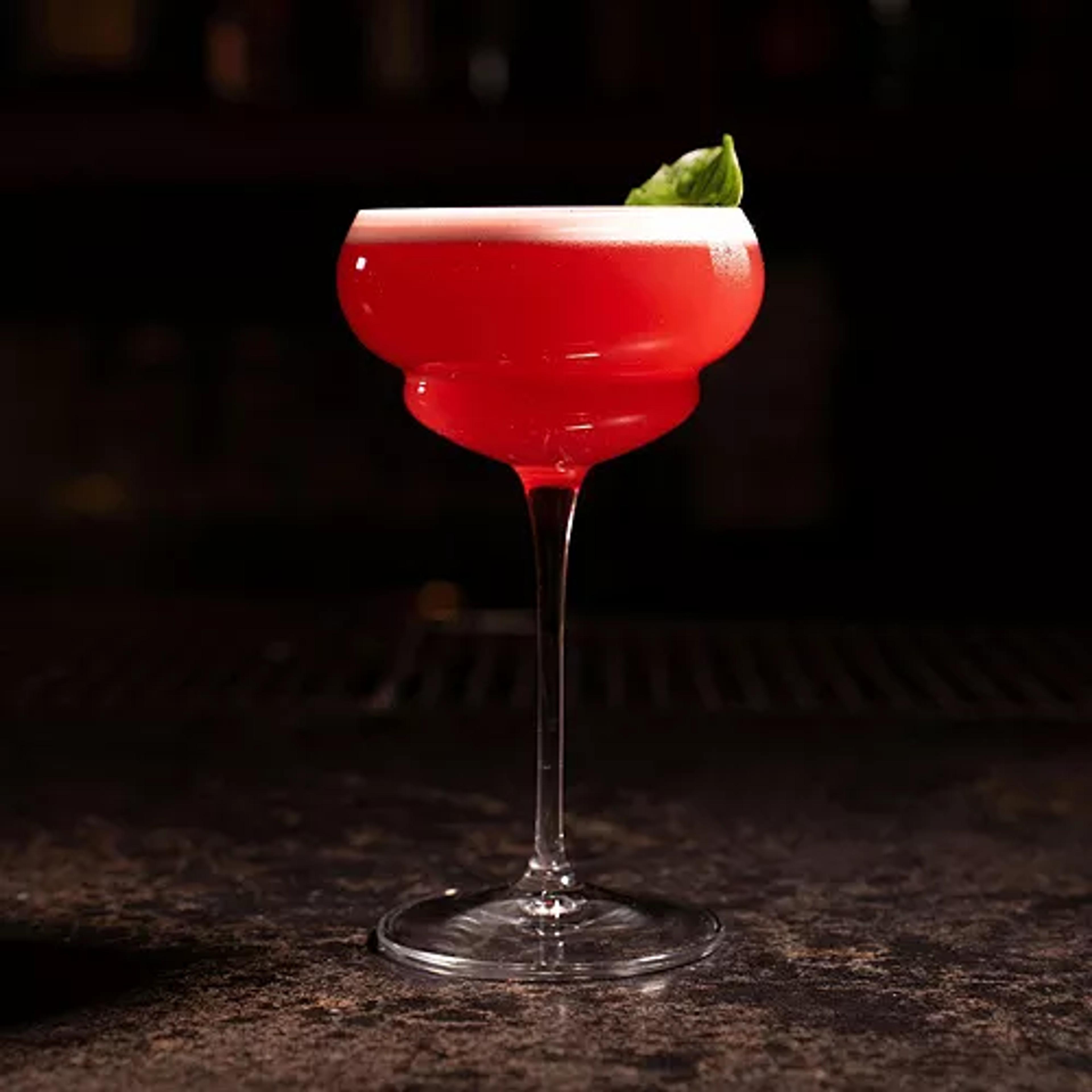
19. Specialized Glassware (Nick & Nora vs. Coupes)
While the Coupe is a classic, the Nick & Nora glass has become the bartender’s favorite for stirred drinks. It is more spill-resistant and its narrower rim concentrates the aromatics of the spirit toward the nose.
20. Bitters Variety Packs
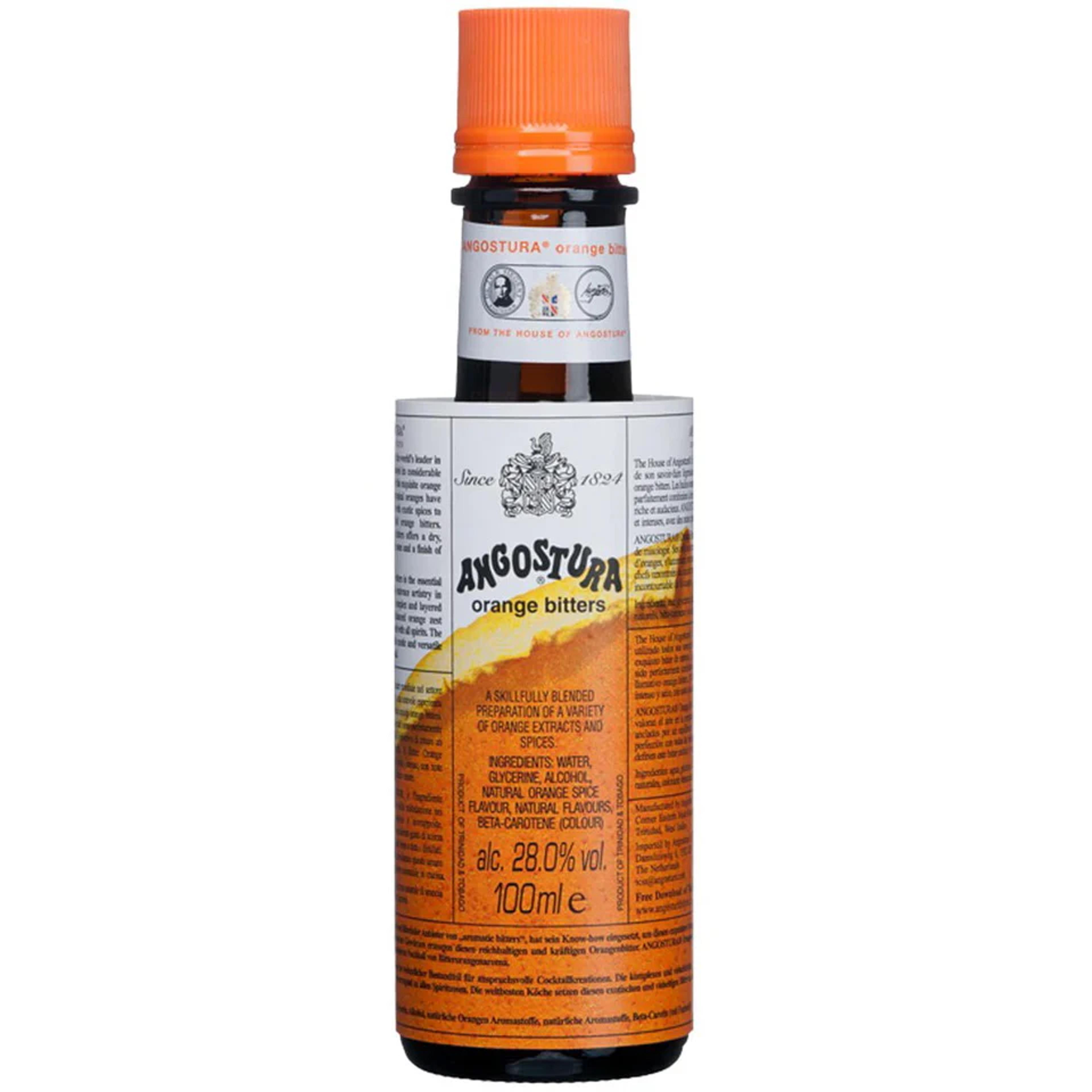
Think of bitters as the "salt and pepper" of the cocktail world. Moving beyond just Angostura, variety packs featuring celery, grapefruit, or chocolate bitters allow for endless flavor experimentation.
21. Premium Cutting Boards
Avoid cross-contamination. A dedicated, non-porous cutting board for your garnishes ensures your lemon twists don't taste like the garlic you chopped for dinner.
22. Double-Hinged Corkscrews
Efficiency is king. A double-hinged waiter’s friend is still the most reliable way to open wine-based ingredients without breaking the cork.
23. Mixology Manuals
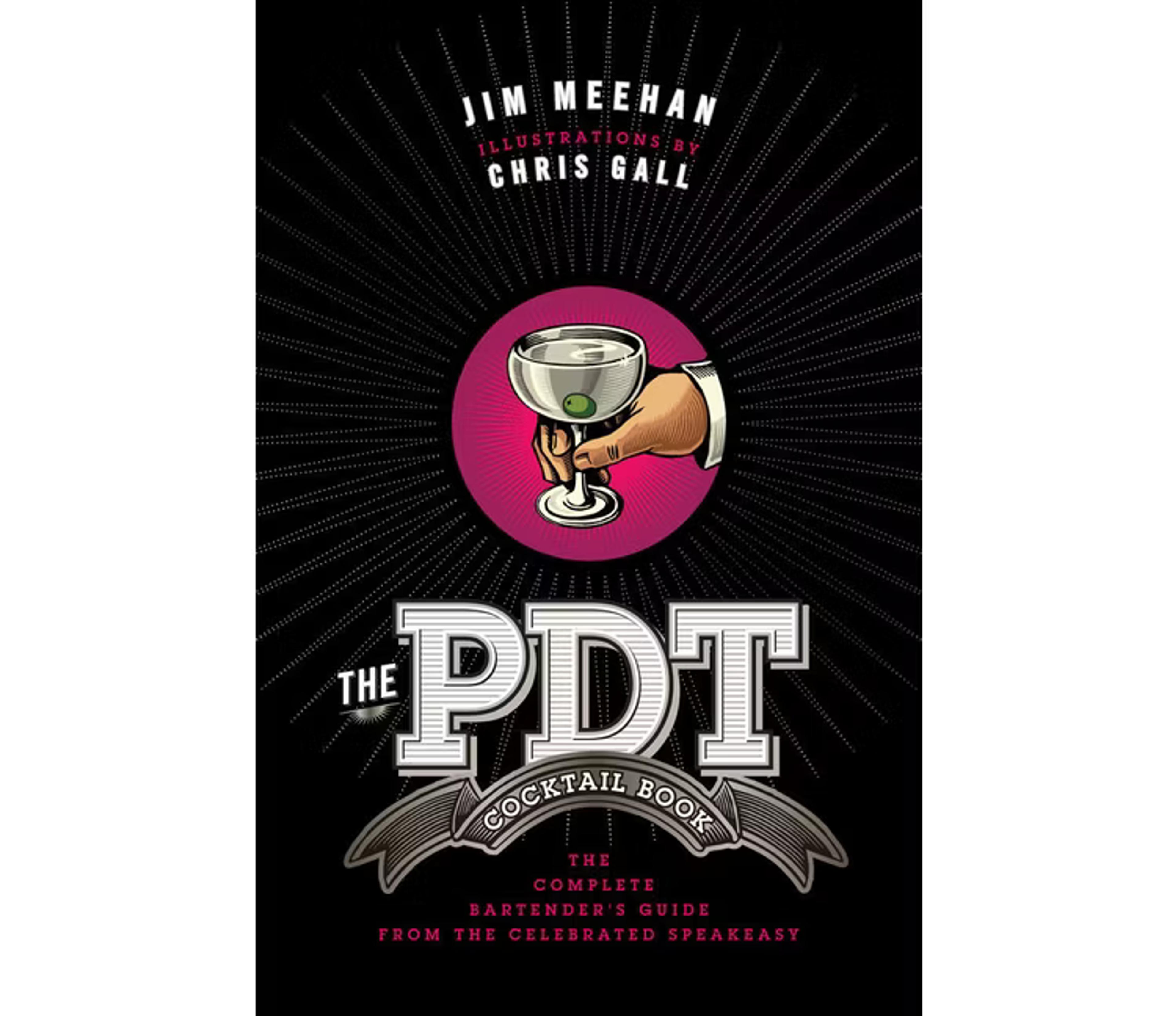
Technique is the foundation of any great bar. Books like Meehan’s Bartender Manual or the PDT Cocktail Book provide the "why" behind the "how," teaching you the physics of ice and the history of spirits.
Essential Materials: Why Stainless Steel is King in 2026
The shift toward stainless steel and crystal is not merely an aesthetic choice; it’s a functional one. Professional mixologists prioritize these materials because of their durability and flavor neutrality.
When you use a copper-plated or wooden tool, you risk reactive metallic tastes or organic flavors leaching into the drink. High-grade 304 or 18/8 stainless steel is inert, dishwasher safe, and maintains the cold temperature of the ice more efficiently than glass or plastic.
Maintenance Tip: Even "stainless" steel can spot. To keep your tools looking professional, hand-wash with mild soap and dry immediately with a lint-free microfiber cloth to prevent water spots and maintain that mirror finish.
Household Alternatives: If You’re Just Starting Out
If you aren't ready to invest in all 23 items, you can still produce a decent drink with what's in your pantry:
- The Shaker: Use a wide-mouthed Mason jar. It has a great seal and allows for plenty of ice movement.
- The Jigger: Use a standard set of measuring spoons. 1 tablespoon = 1/2 ounce.
- The Muddler: The end of a wooden rolling pin or even a sturdy wooden spoon works in a pinch.
FAQ
Do I really need a jigger? Absolutely. Mixology is about the balance between sweet, sour, and strong. Even a quarter-ounce discrepancy can tip the balance. Unless you have years of experience with "free-pouring," use a jigger for every single ingredient.
Boston vs. Cobbler: Which is better for beginners? While the Cobbler looks easier because of the built-in strainer, the Boston shaker is actually better for beginners. It’s easier to clean, won't get stuck, and forces you to learn how to use a Hawthorne strainer—a fundamental skill for any mixologist.
How do I keep my citrus peels from being bitter? Avoid the pith! The white part of the citrus peel is where the bitterness lives. Use a sharp Y-peeler and apply light pressure to only remove the colored outer layer (the zest), which contains the fragrant oils.