Chances are, you have a flickering memory of a metal loom, a pile of neon-colored nylon loops, and the earnest pride of gifting a slightly lopsided potholder to a parent. For decades, the hand-loomed potholder was relegated to the realm of childhood crafts—a nostalgic relic of summer camps and rainy afternoons. However, in the modern, design-forward home, this humble tool has undergone a sophisticated evolution. As we collectively pivot away from mass-produced synthetics in favor of durability and environmental stewardship, a new class of artisans has elevated the hand-woven potholder from a craft project to a high-performance kitchen essential.
The Resurgence of the Hand-Loomed Kitchen
In an era defined by "fast homeware," where silicone and polyester dominate the kitchen aisles, the return to natural, hand-loomed textiles is more than just a stylistic trend; it is a rejection of the disposable. Traditional synthetic potholders often rely on chemical-heavy batting and plastic-based outer shells that can melt, off-gas when exposed to high heat, or simply fall apart after a few dozen washes.
Why are hand-woven potholders considered modern kitchen essentials? Unlike their mass-produced counterparts, artisanal hand-woven potholders are crafted from high-quality natural fibers like organic cotton and linen. They provide a sustainable, eco-friendly alternative that combines aesthetic beauty with functional heat resistance. In the modern sustainable kitchen, every item must earn its place through longevity and performance. These pieces serve as both a reliable culinary tool and a deliberate design statement, bridging the gap between utilitarian necessity and artisanal decor.
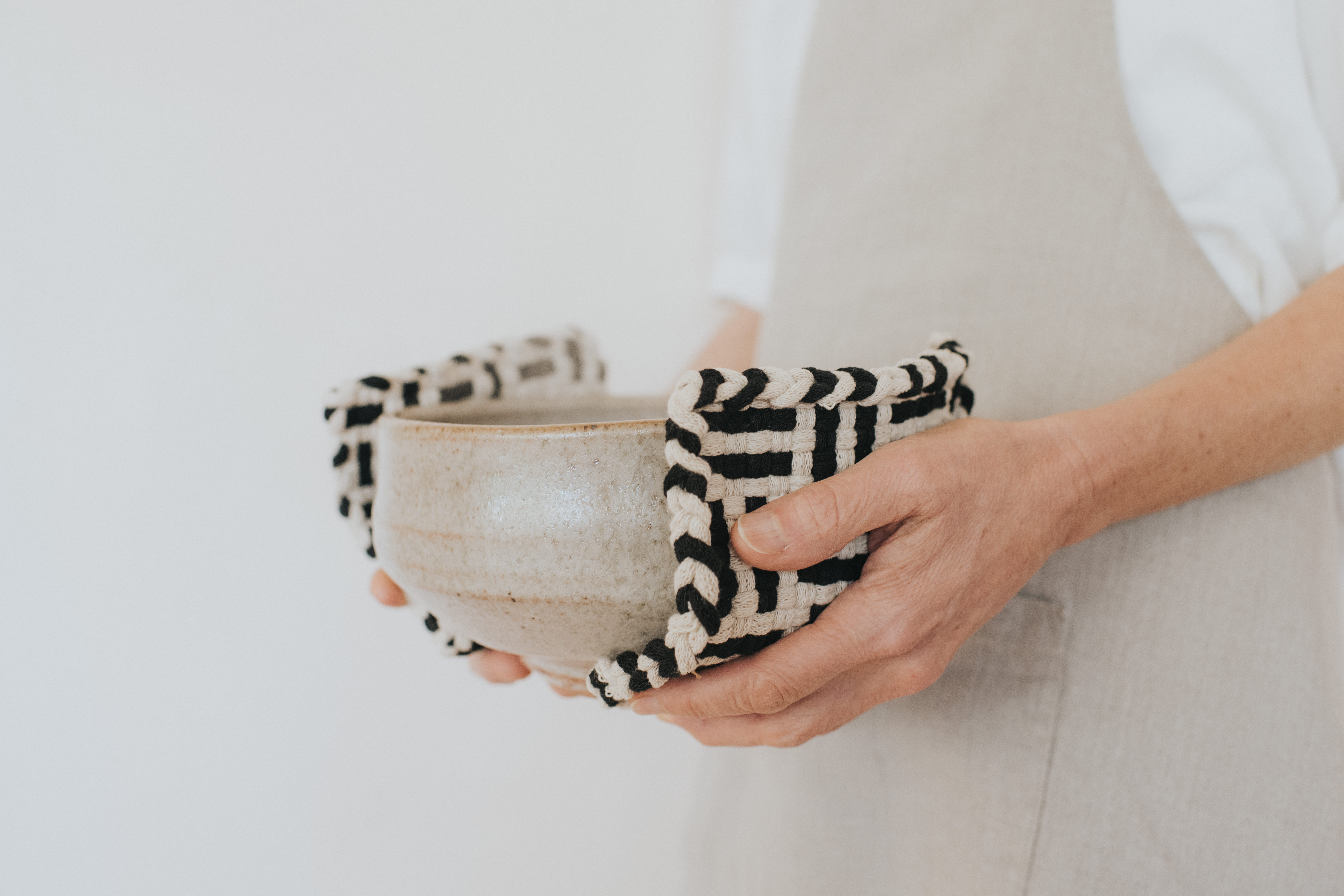
The shift toward these items is part of a broader "slow home" movement. Homeowners are increasingly seeking products that have a story, a face, and a low carbon footprint. A hand-woven piece carries the "human touch"—the slight irregularities in the weave and the depth of hand-dyed yarns that a machine simply cannot replicate.
The Material Advantage: Organic Cotton vs. Synthetic Blends
From a technical perspective, the material composition of your kitchen textiles dictates their safety and lifespan. Most commercial potholders use a polyester-cotton blend. While cheap, polyester is essentially plastic; it has a low melting point and poor breathability. When you grab a hot cast-iron skillet with a synthetic mitt, heat transfers quickly, often leading to that frantic "search for a surface" before your fingers burn.
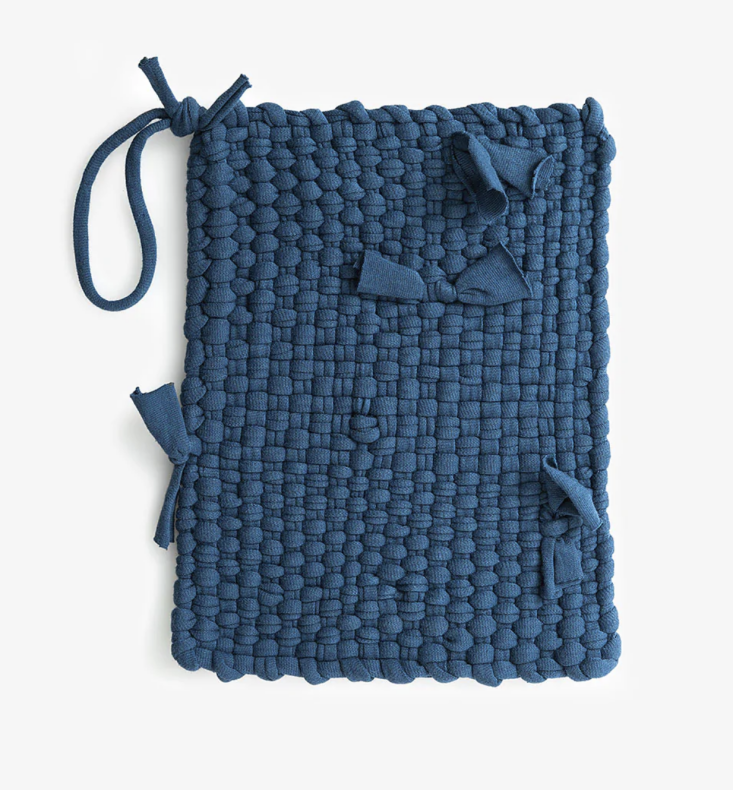
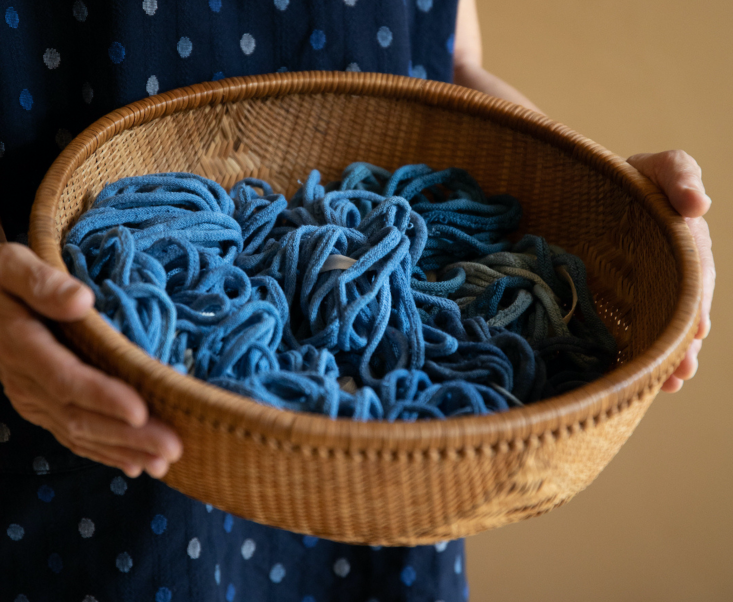
What materials are best for high-quality artisanal potholders? The most effective artisanal potholders utilize 100% organic cotton jersey, hand-dyed linen, or recycled T-shirt strips. These natural materials offer far superior breathability and heat insulation than synthetic blends. Because cotton and linen are cellulose fibers, they don't melt—they char only at extreme temperatures, providing a much safer buffer for the home cook. Furthermore, these materials are entirely biodegradable, ensuring that at the end of their long life, they return to the earth rather than a landfill.
Pro-Tip: The Science of Insulation Premium artisanal potholders are constructed with 100% organic materials, offering a 40% higher heat-insulation density compared to standard synthetic-blend kitchen textiles. This is due to the dense, multi-layered "loop" structure of the weave, which traps air pockets that act as a natural thermal barrier.
Material Comparison Table
| Feature | Hand-Woven Organic Cotton | Standard Synthetic Blend |
|---|---|---|
| Heat Resistance | High (Up to 500°F) | Moderate (Risk of melting) |
| Insulation Density | 40% Higher than average | Standard/Low |
| Durability | Lasts years; gets softer with age | Degrades/Frays quickly |
| Eco-Impact | Biodegradable & Compostable | Non-biodegradable; contains microplastics |
| Aesthetic | Artisanal, unique textures | Homogenized, flat colors |
Performance Testing: Can Artisanal Handle the Heat?
A common misconception is that "handmade" means "fragile." In reality, the traditional hand-weaving process creates a structural integrity that industrial quilting often lacks. When a weaver uses a heavy-gauge cotton jersey loop, they are creating a thick, interlocking web of fiber.
Can artisanal potholders be used for heavy-duty cooking? Absolutely. Hand-loomed potholders made from thick, layered natural fabrics are designed for the rigors of a professional-grade kitchen. While a standard decorative tea towel might fail when handling a Dutch oven at 450°F, a premium hand-loomed potholder thrives. Because the weave is dense and the dimensions are typically "generous" (often 7 to 9 inches square), they provide ample coverage for the palm and fingers, protecting against steam and direct contact heat.
For those who cook with cast iron—a staple of the sustainable, chemical-free kitchen—these potholders are indispensable. Cast iron retains heat longer and reaches higher temperatures than non-stick pans. The thermal mass of a hand-woven cotton potholder is one of the few things capable of comfortably managing a 12-inch skillet straight from a 500°F oven.
Multi-Functional Design: From Potholder to Designer Trivet
In a small or minimalist kitchen, multi-functionality is the ultimate luxury. The artisanal potholder excels here because of its visual appeal. Unlike a bulky, stained silicone oven mitt that you hide in a drawer, these hand-woven pieces are designed to be seen.
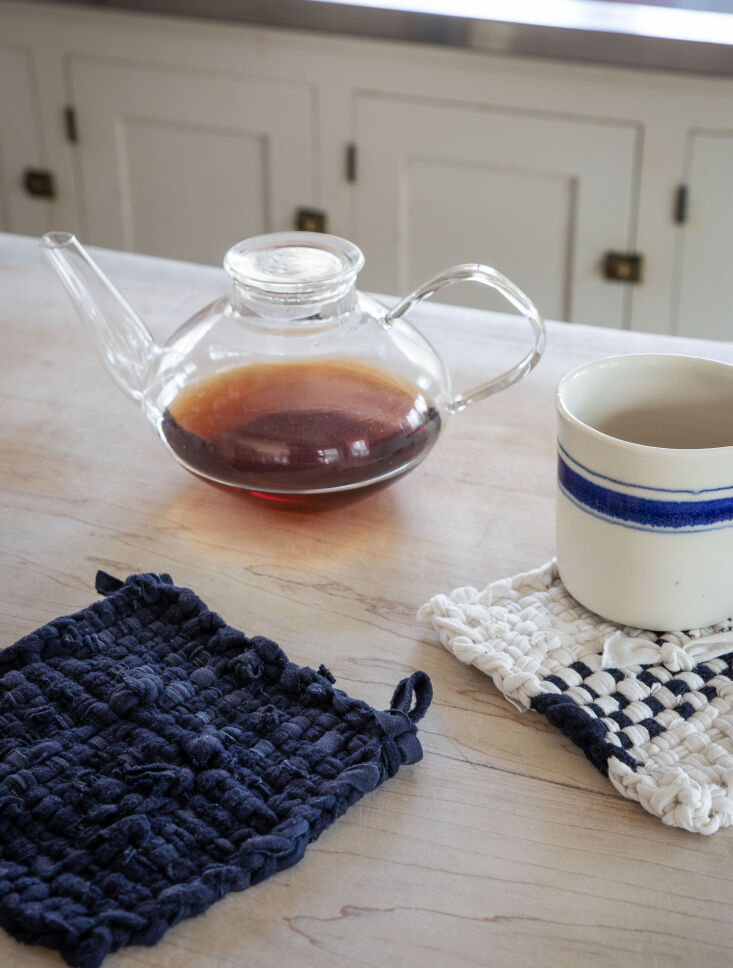
The "Generous Dimensions" (approx. 7-9 inches) allow these items to transition seamlessly from a hand protector to a modern designer trivet. When you bring a hot pot of soup or a roasted chicken to the table, the potholder becomes part of the "tablescape."
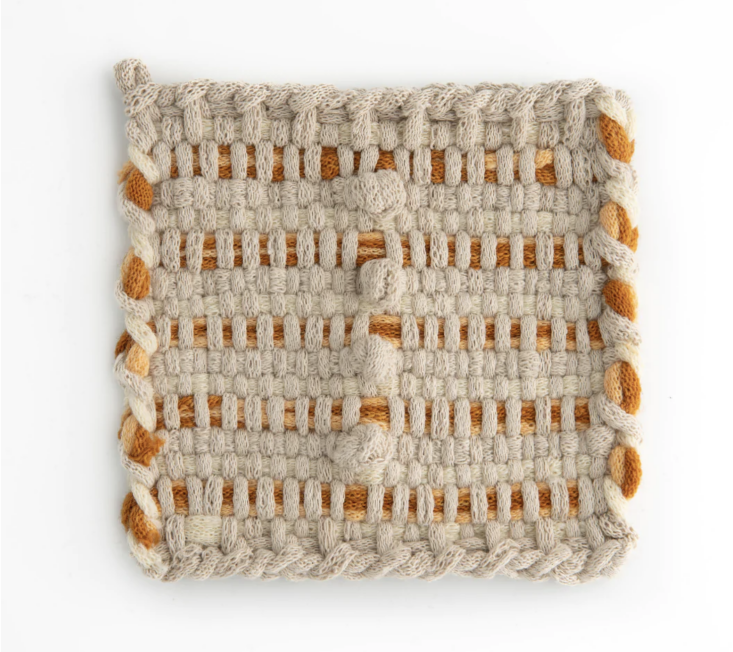
Artisans often curate collections based on natural palettes—Flax, Indigo, Apricot, and Sage—allowing you to coordinate your kitchen textiles with your ceramic dinnerware. This duality of function reduces the need for extra "unitasker" items like bulky metal trivets or plastic mats, aligning perfectly with a low-impact, clutter-free lifestyle.
The Sustainable Impact of Low-Impact Home Goods
As a sustainable living editor, I look at the "hidden costs" of our household items. A $5 synthetic potholder carries a high environmental price: petroleum extraction for the polyester, toxic dyes that leach into waterways, and the eventual microplastic shedding during every wash cycle.
In contrast, the market data is encouraging. There has been a 65% increase in consumer preference for hand-loomed kitchenware over the last three years. This shift is driven by a conscious demand for plastic-free home essentials. When you choose a potholder made from recycled T-shirt strips or organic linen, you are supporting a circular economy.
Supporting local weavers also preserves a "meditative craft." Hand-weaving is a slow process that requires focus and intention. By purchasing these goods, we help maintain artisanal traditions that might otherwise be lost to automation. It is a vote for quality over quantity, and for the artisan over the assembly line.
Buying Guide: What to Look for in a Designer Potholder
If you are ready to upgrade your kitchen, look beyond the price tag and examine the construction. A high-quality artisanal potholder is an investment that should last a decade.
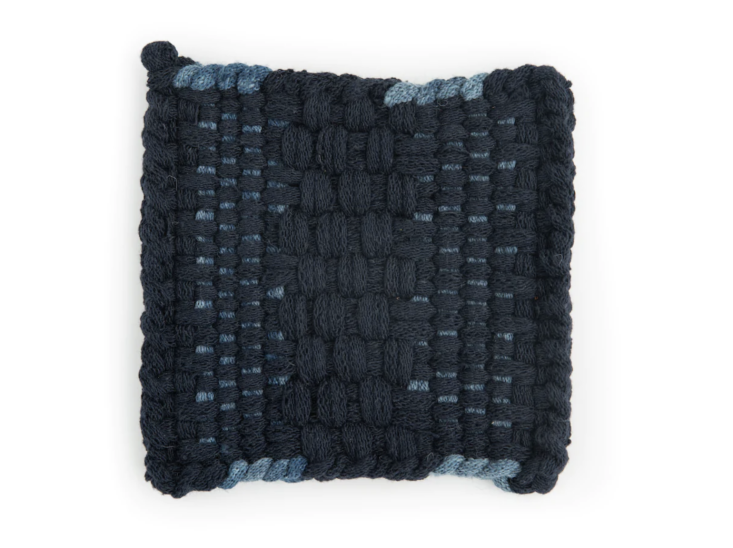
- The Weave Density: Hold the potholder up to the light. You should see very little light passing through. A tight, dense weave is the primary indicator of heat resistance.
- Material Content: Ensure it is 100% natural fiber. Even a 10% polyester blend can melt and compromise the piece. Look for "organic cotton" or "upcycled cotton jersey."
- Hanging Loops: A well-designed potholder should have a sturdy, integrated loop. This allows you to display them on wall hooks, making them an accessible part of your kitchen's visual texture.
- The "Hand" or Feel: A quality piece will feel heavy for its size. This "heft" is the thermal mass that will protect your hands.
Price ranges for genuine craftsmanship typically fall between $18 and $60. While this is higher than a big-box store, the cost-per-use over ten years is significantly lower than replacing cheap mitts every eighteen months.
Pro-Tip: Maintenance To extend the life of your hand-woven textiles, machine wash cold with a pH-neutral detergent. Avoid the dryer if possible; air-drying preserves the elasticity of the cotton loops and prevents shrinkage, keeping the weave tight and the heat resistance high.
FAQ
Q: Are hand-woven potholders machine washable? Yes, most are made from 100% cotton or linen, making them highly durable in the wash. However, to maintain the vibrancy of hand-dyed colors and the integrity of the weave, I recommend washing in cold water and laying them flat to dry.
Q: Can I use these for high-temperature baking (above 450°F)? Absolutely. Because natural fibers like cotton jersey don't melt, they are safer for high-heat tasks than synthetic versions. Just ensure your potholder is dry; a wet potholder of any material will conduct heat (and steam) to your hand almost instantly.
Q: Why are artisanal potholders more expensive than silicone ones? You are paying for the quality of the raw materials (organic vs. petroleum-based) and the time of a skilled artisan. A single hand-loomed potholder can take an hour or more to weave by hand, whereas a silicone mold can produce hundreds of units an hour. The investment pays off in longevity, safety, and aesthetic value.
Conclusion
The modern sustainable kitchen is a space where efficiency meets empathy—where the tools we use reflect our values. Artisanal hand-woven potholders represent a perfect synthesis of these ideals. They offer a 40% higher insulation density than their synthetic rivals, reduce our reliance on plastics, and bring a tactile, human element back to the heart of the home. By choosing these elevated essentials, we aren't just protecting our hands from the heat; we are holding onto a tradition of quality that respects both the maker and the planet.