For decades, the "Black Screen Void"—that imposing, lifeless rectangle of glass dominating our living rooms—has been the bane of minimalist design. In the pursuit of a cinematic experience, we often sacrificed the purity of our architecture. However, as we look toward the future of interior styling, the evolution of the "Form Follows Function" principle has reached a stunning crescendo. The Bauhaus philosophy, which prioritizes the marriage of utility and aesthetic restraint, finds its modern champion in a remarkable collaboration: the YOMEI Lumina Sideboard integrated with the Leica Cine 1.
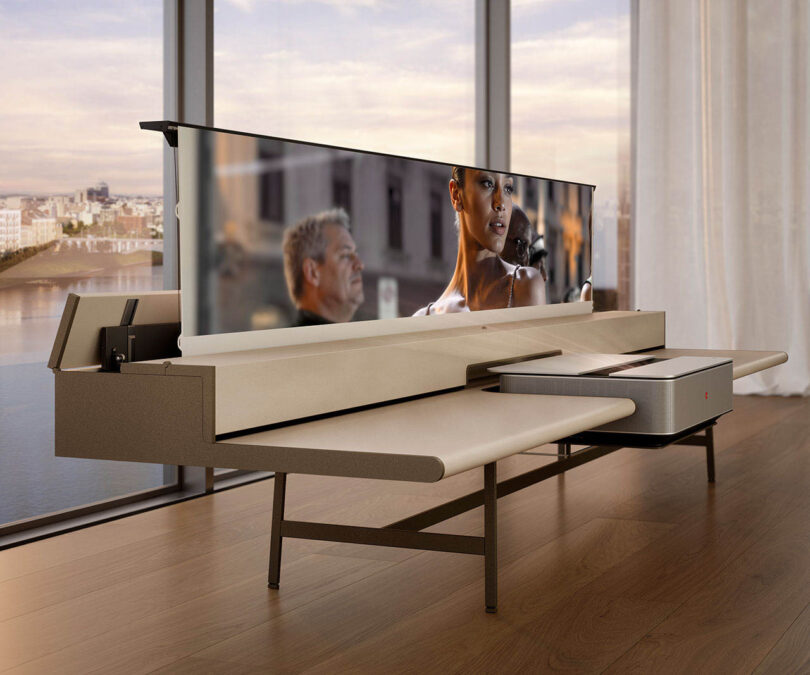
The YOMEI Lumina Sideboard creates a Bauhaus home theater by seamlessly hiding the screen and technology within a minimalist aluminum and leather cabinet, ensuring the room remains a clean, functional living space when not in use. To achieve this minimalist cinema aesthetic, the Lumina utilizes a signature folding method inspired by the iconic YOMEI Magic Desk to conceal the Leica Cine 1 projector and its retractable screen. Beyond aesthetics, choosing a laser-projector sideboard over a traditional TV reduces blue light strain and consumes less energy, while the integrated RGB-laser technology provides a lifespan of up to 25,000 hours—outlasting traditional projectors by nearly 150%.
The Design: Redefining the Media Console
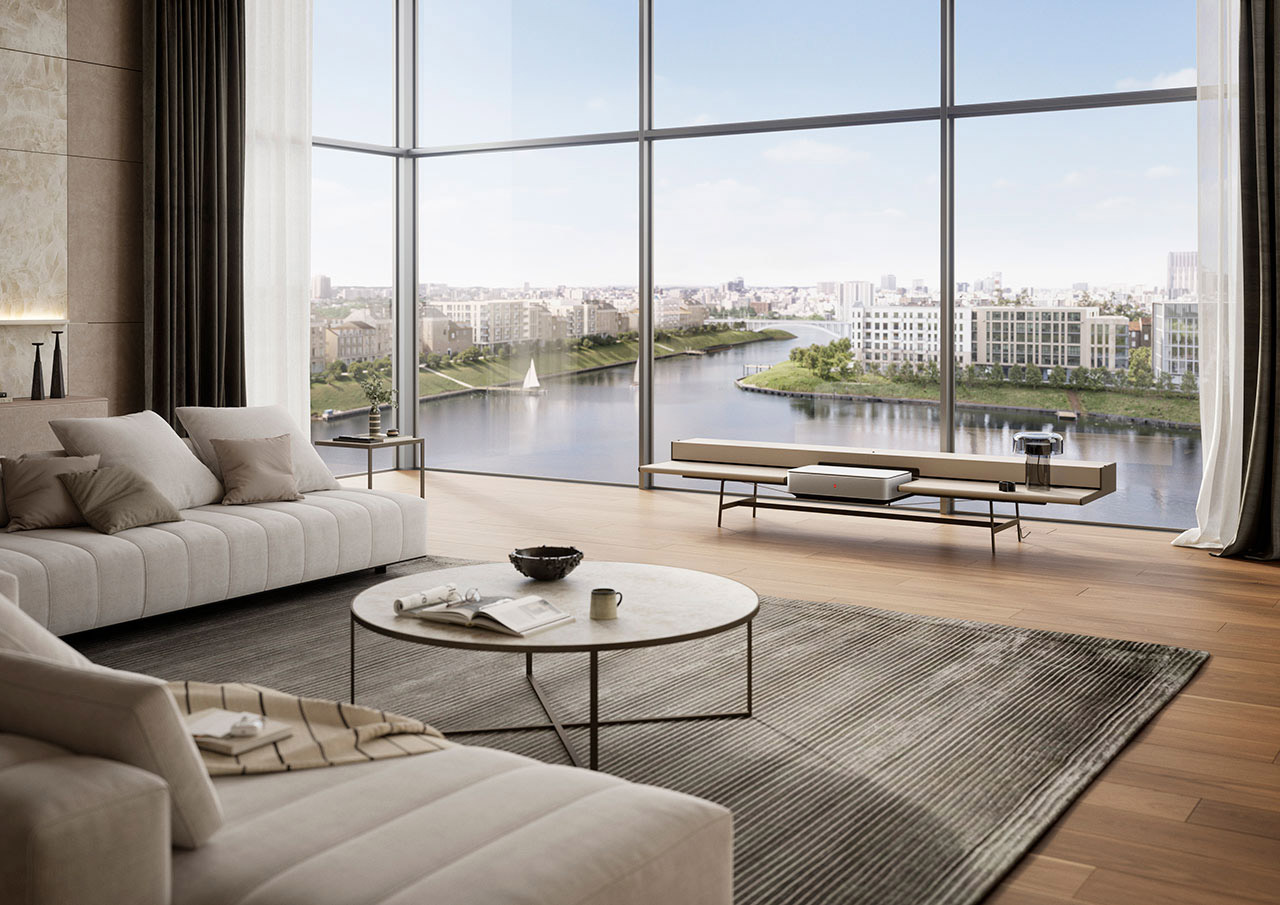
When we discuss Bauhaus, we aren't just talking about a "look"; we are talking about an architectural ethos. The Lumina Sideboard is a masterclass in this discipline. It treats technology not as a focal point, but as a guest that arrives precisely when invited and vanishes when the conversation is over.
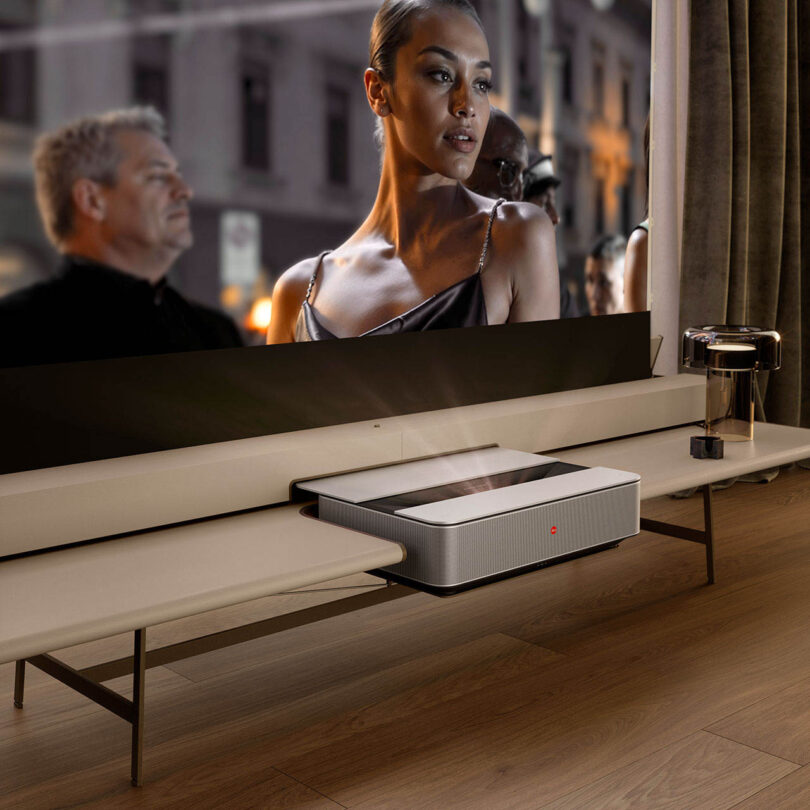
The genius of the Lumina lies in its DNA. YOMEI has adapted the precision engineering of their famous "Magic Desk"—a piece known for its ability to transform from a slim console into a full-functioning workstation—to accommodate the world of home cinema. The signature folding method is a choreographed dance of leather and aluminum. With a single command, the top flap glides open to reveal the Leica Cine 1, while the Ultra-Short Throw (UST) screen rises vertically from the back of the unit.
Materiality is where YOMEI truly elevates the experience. Unlike the plastic-heavy entertainment centers of the past, the Lumina is constructed from:
- Precision-Machined Aluminum: Providing a rigid, heat-dissipating housing for high-performance optics.
- Premium Leathers and Microfibers: Softening the industrial edges and allowing the unit to patina beautifully over time.
- Minimalist Hardware: Hidden hinges and seamless joints that honor the "less is more" mantra.
Technology: The Leica Cine 1 Integration
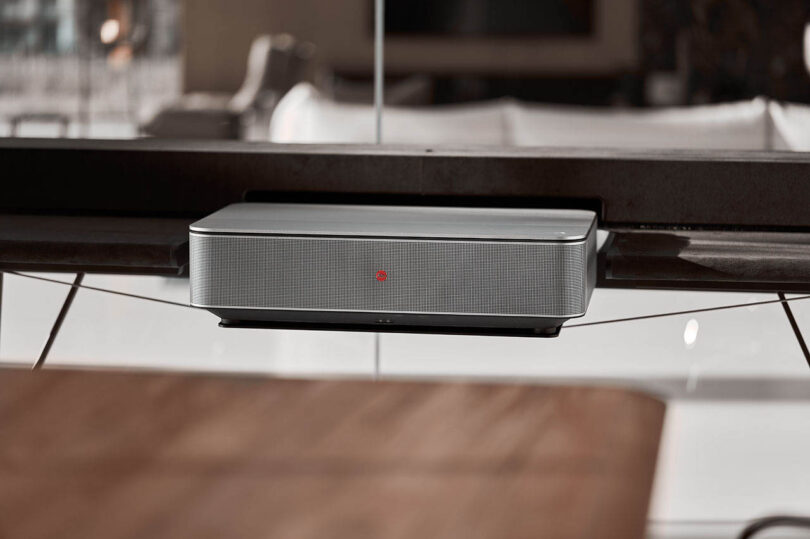
While the YOMEI housing provides the soul, the Leica Cine 1 provides the vision. This isn't just a projector; it is a piece of optical heritage integrated into a furniture solution that maintains a footprint 70% smaller than traditional, bulky entertainment centers. For those of us living in urban lofts or curated modern homes, reclaiming that square footage is a luxury in itself.
The performance specifications are, frankly, breathtaking. The Leica Cine 1 utilizes triple RGB-laser technology, delivering a 100-inch or 120-inch cinematic experience with a clarity that rivals the finest commercial theaters. With 3,000 ANSI Lumens, it achieves the impossible: a vibrant, high-contrast 4K image that remains crisp even in daylight-filled rooms.
One of the most compelling arguments for this investment is longevity. The integrated RGB-laser system provides a 25,000-hour operational lifespan. To put that into perspective, if you watched a two-hour film every single night, the system would last over 34 years. This sustainability—both in build quality and technological relevance—is the very essence of Bauhaus.
Technical Specifications at a Glance
| Feature | Leica Cine 1 Specification |
|---|---|
| Light Source | Triple RGB-Laser Technology |
| Resolution | 4K (3840 x 2160 pixels) |
| Brightness | 3,000 ANSI Lumens |
| Lifespan | 25,000+ Hours |
| Contrast | > 1,000:1 (Native) |
| Sound | Integrated Dolby Atmos System |
Designing for Your Space: Low vs. High Versions
One size rarely fits all in interior design, and the Lumina collection respects this by offering two distinct silhouettes. Choosing between the "Low" and "High" versions depends entirely on the architectural "weight" you want the piece to carry in your room.
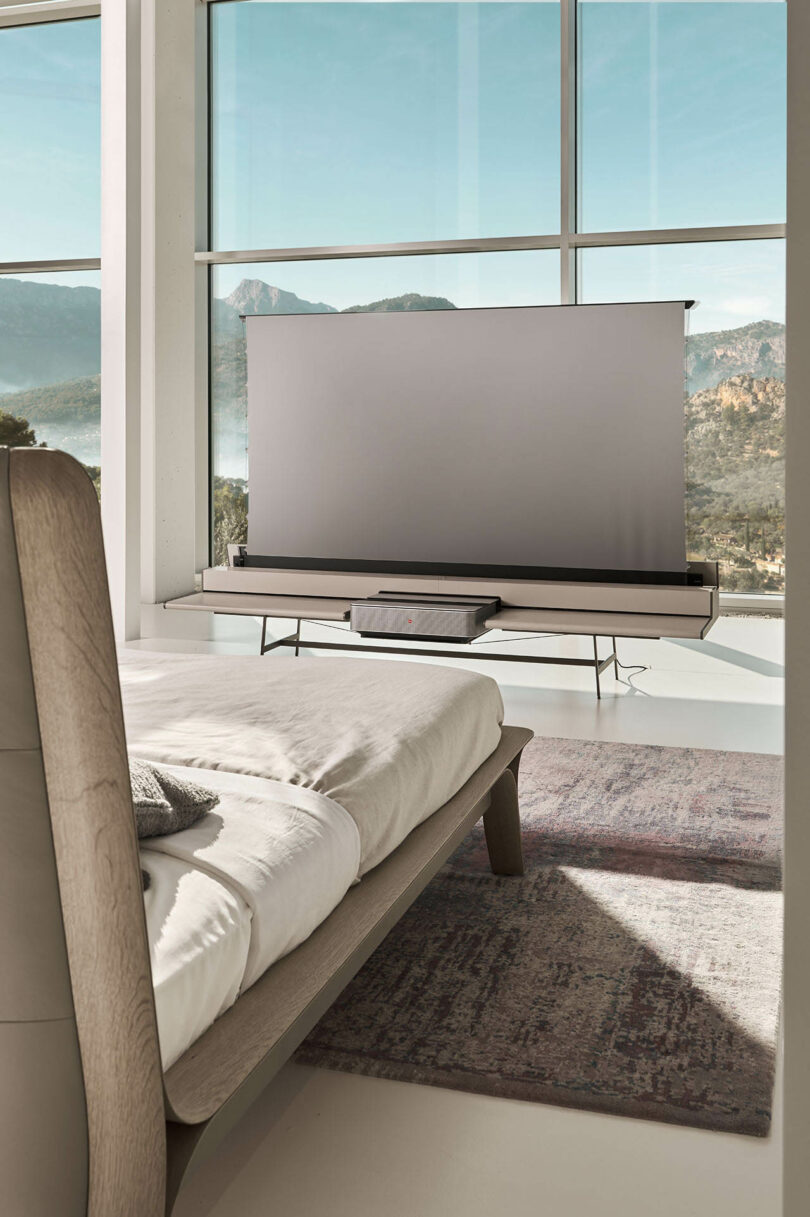
The 'Low' Version: The Intimate Credenza The "Low" version is our recommendation for bedrooms or smaller, more intimate seating areas. By keeping the profile close to the floor, it maintains an unobstructed sightline across the room. It functions as a discreet plinth for art or a few curated coffee table books when closed, preserving a restful, minimalist atmosphere.
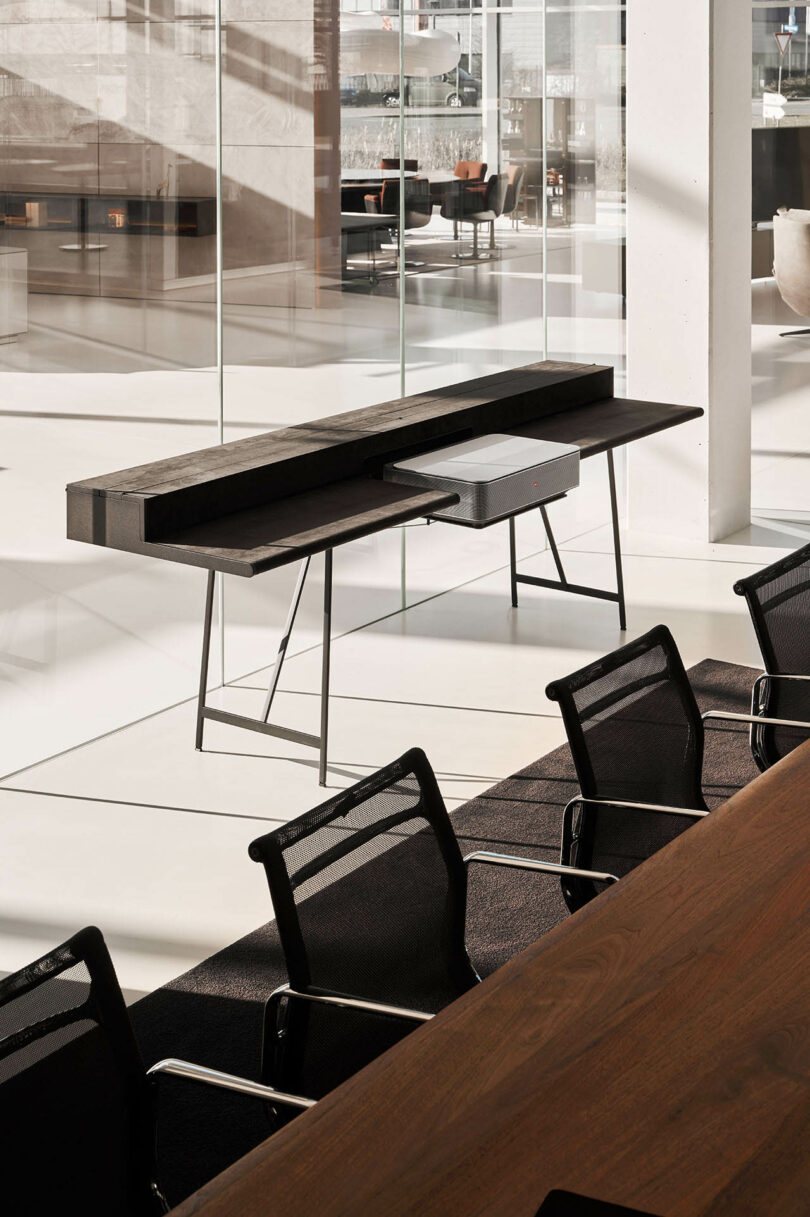
The 'High' Version: The Professional Hub Conversely, the "High" version commands more presence. It is the ideal choice for modern boardrooms or home offices that double as presentation hubs. The increased height allows for additional storage and a more formal "sideboard" aesthetic that pairs beautifully with mid-century modern lounge chairs or executive desks.
Beyond the visual, we must consider the wellness aspect. Traditional LED and OLED screens emit significant amounts of direct blue light. By using a projection-based system, the light is reflected off the screen rather than emitted directly into your eyes, significantly reducing digital eye strain during those late-night screenings or long presentations.
Styling the Bauhaus Theater
Creating a Bauhaus-inspired home theater requires a disciplined approach to decor. We want to emphasize the "Quiet Luxury" trend—pieces that feel expensive because of their craftsmanship, not because of a loud logo.
- Select a Restrained Palette: Move away from clinical "tech black." Instead, opt for YOMEI’s warmer walnut finishes or "Taupe" leather. These tones bridge the gap between high-tech optics and the natural warmth of a home.
- Master Cable Management: The Lumina is designed to be a "plug-and-play" monolith. All cables are routed internally through the aluminum chassis. When styling, ensure your power outlets are positioned directly behind the unit to maintain the illusion of a wireless existence.
- Balance the Textures: Because the Lumina features cold-pressed aluminum and smooth leather, pair it with soft, tactile elements. A high-pile wool rug or heavy linen drapes will not only add visual depth but also improve the room's acoustics.
Pro Tip: When placing the Lumina, remember that the Leica Cine 1 is an Ultra-Short Throw projector. It requires almost zero distance from the wall to project a massive image, meaning you can keep the sideboard flush against your wall, just like a standard piece of furniture.
FAQ
Does the Lumina Sideboard require professional installation? While the unit is a precision-engineered piece of furniture, it is designed for ease of use. However, due to the weight of the aluminum housing and the sensitivity of the Leica optics, we recommend professional white-glove delivery and setup to ensure the retractable screen is perfectly calibrated with the projector flap.
How does the image quality compare to a standard 4K TV? The Leica Cine 1 offers a "filmic" quality that TVs cannot replicate. While high-end TVs can feel overly sharp or "digital," the RGB-laser technology provides more natural color reproduction and a depth of field that feels like a true cinema. Additionally, at 100-120 inches, it offers a scale that would be prohibitively expensive and physically massive in a traditional TV format.
Can I use the sideboard with other projectors? The Lumina is specifically engineered for the Leica Cine 1's dimensions and throw ratio. To ensure the "Magic Desk" folding mechanism and the retractable screen work in perfect harmony, this is offered as an integrated solution.
Conclusion
The YOMEI Lumina Sideboard is more than just a media console; it is a declaration that we no longer have to choose between a world-class cinematic experience and a beautifully designed home. By leaning into the Bauhaus legacy of functional elegance, YOMEI and Leica have created a sculptural silhouette that honors the space it occupies.
If you are ready to banish the "Black Screen Void" and invest in a piece of furniture that will remain a centerpiece of your home for the next three decades, the Lumina is the definitive answer. It is technology, refined; it is cinema, reimagined.