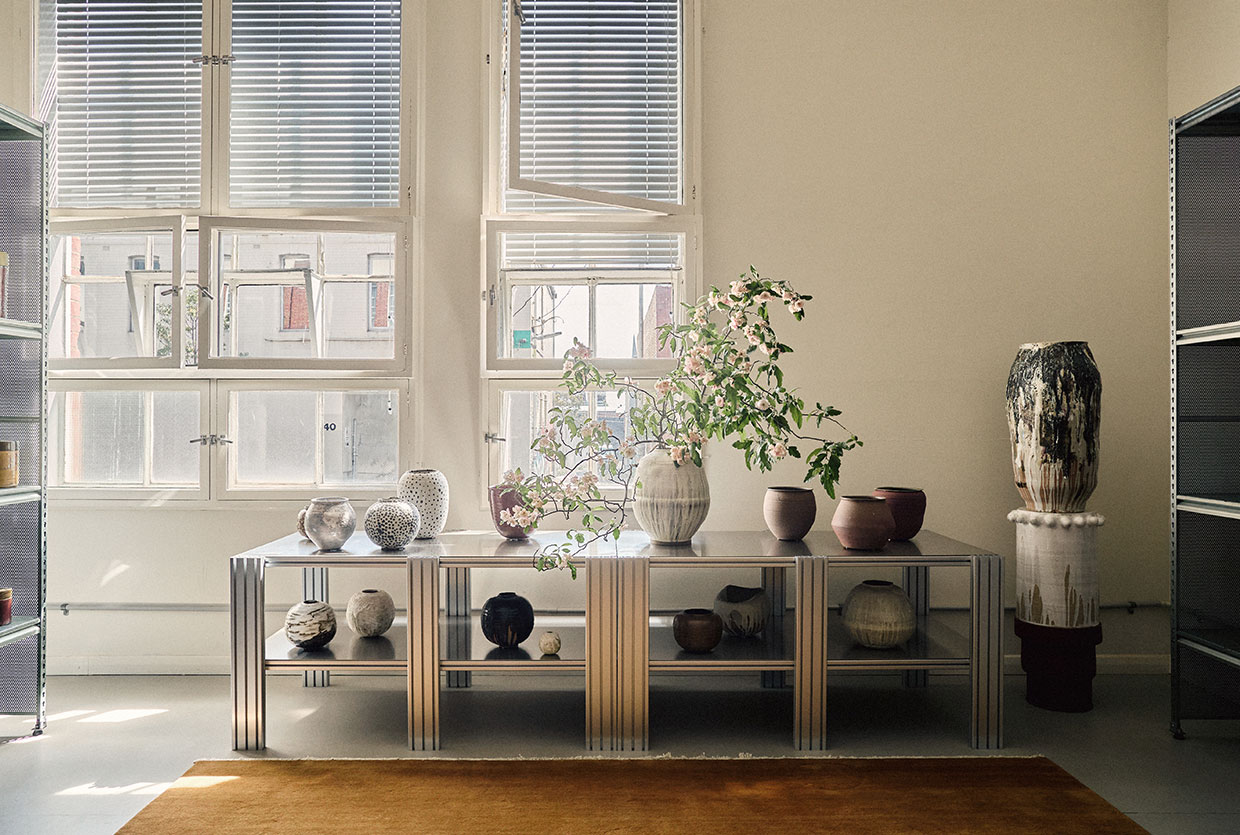
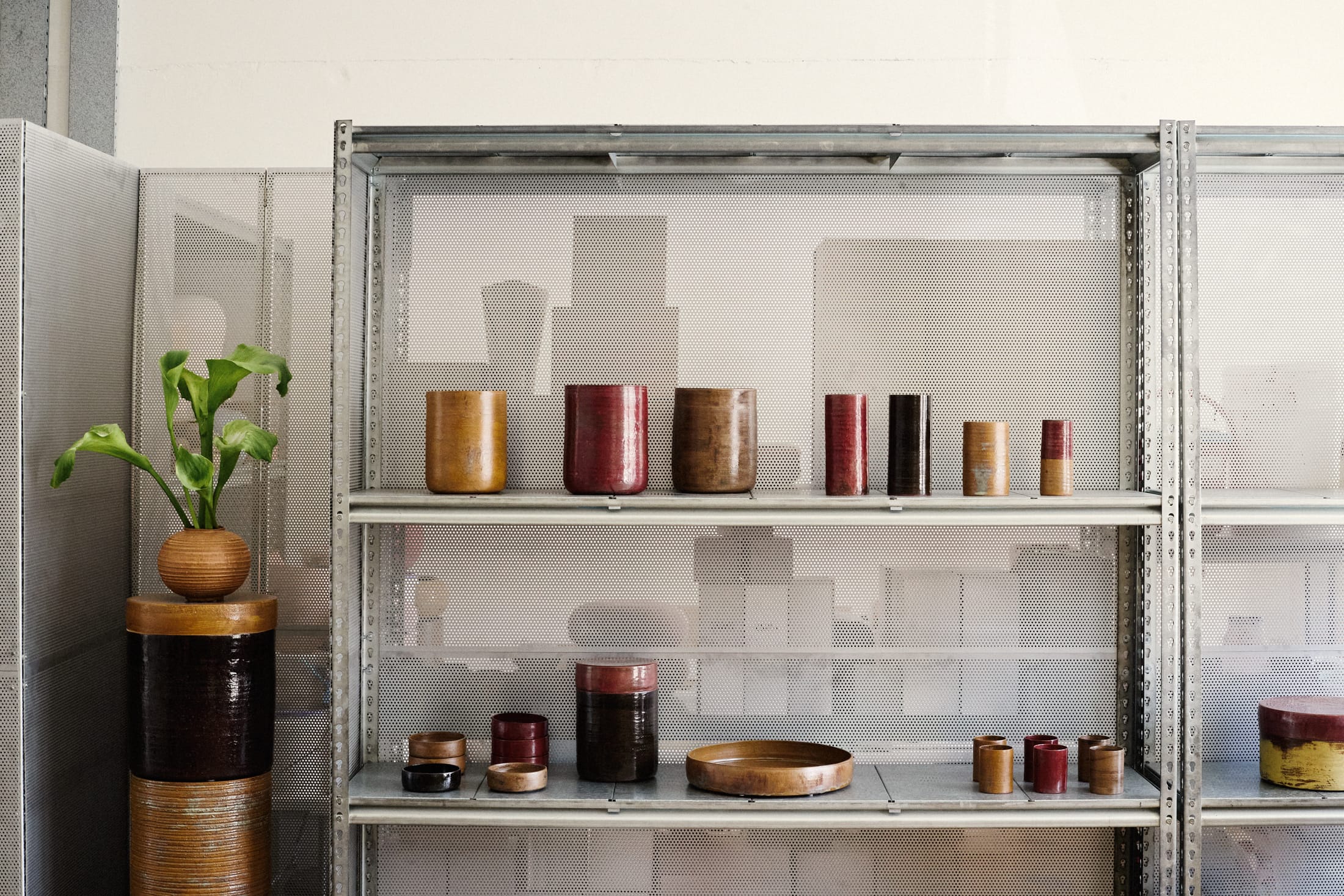
"The light on the brushed aluminum against the raw, porous textures of Victorian clay reminds me of a Brutalist chapel reimagined for the modern maker—it really made me stop and look." Walking into Szilvassy Studio at Melbourne’s Collingwood Yards isn’t merely an entry into a workspace; it is an immersion into a philosophy where the act of creation is treated with the same reverence as the finished object. As we look toward the design landscape of 2026, the boundaries between production, retail, and curation are dissolving. Szilvassy Studio, a hybrid production space and showroom, stands as the definitive blueprint for this evolution. Designed by the visionary Dion Hall for ceramicist Shari Lowndes, the studio rejects the clinical coldness of traditional offices in favor of an "archival museum" aesthetic that balances high-function utility with gallery-grade materiality.
The Collaboration: Dion Hall x Shari Lowndes
The genesis of Szilvassy Studio lies in a shared obsession with volume and light. Shari Lowndes, the hands behind Szilvassy’s evocative ceramic forms, required a space that could withstand the rigors of clay production while serving as a sophisticated backdrop for client consultations. Enter Dion Hall, a designer known for his ability to manipulate space into something almost atmospheric.
Hall’s approach was not to "decorate" the studio but to "excavate" its potential. By focusing on the interplay between natural light and raw volume, he created a sanctuary for the creative process. The studio is more than just a place of work; it is a manifestation of the brand’s identity—rooted in the earth but reaching for a refined, modern industrialism.
"The design wasn't about filling a room; it was about creating a vessel. We wanted the space to feel as though it was preserving the work being made inside it, much like a museum archive," says Dion Hall.
Principle 1: Materiality and Local Lineage
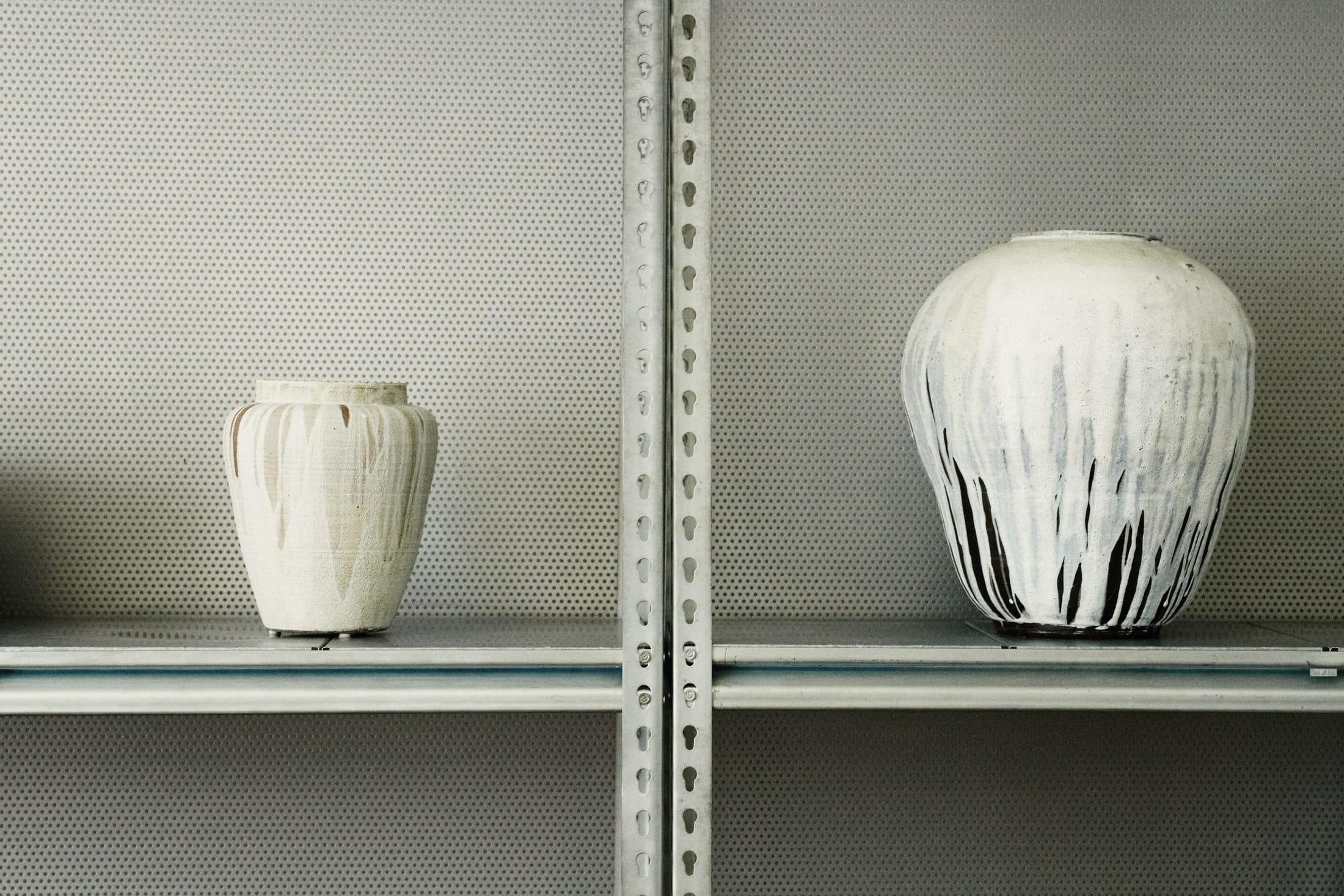
In the 2026 design era, luxury is no longer defined by price point but by "lineage"—the traceable history and geographical soul of a material. Szilvassy Studio anchors itself in the local landscape by utilizing Victorian clay as a primary design element. Specifically, materials sourced from Chewton Bushlands are integrated into the studio’s DNA, creating a tactile connection between the artist’s medium and the environment she inhabits.
This commitment to local materiality serves two purposes:
- Narrative Continuity: The clay on the shelves is often the same clay used in the vessels, creating a seamless loop between the site and the product.
- Environmental Resonance: By prioritizing local sourcing, the studio minimizes its carbon footprint while celebrating the unique geological thumbprint of Melbourne’s creative community.
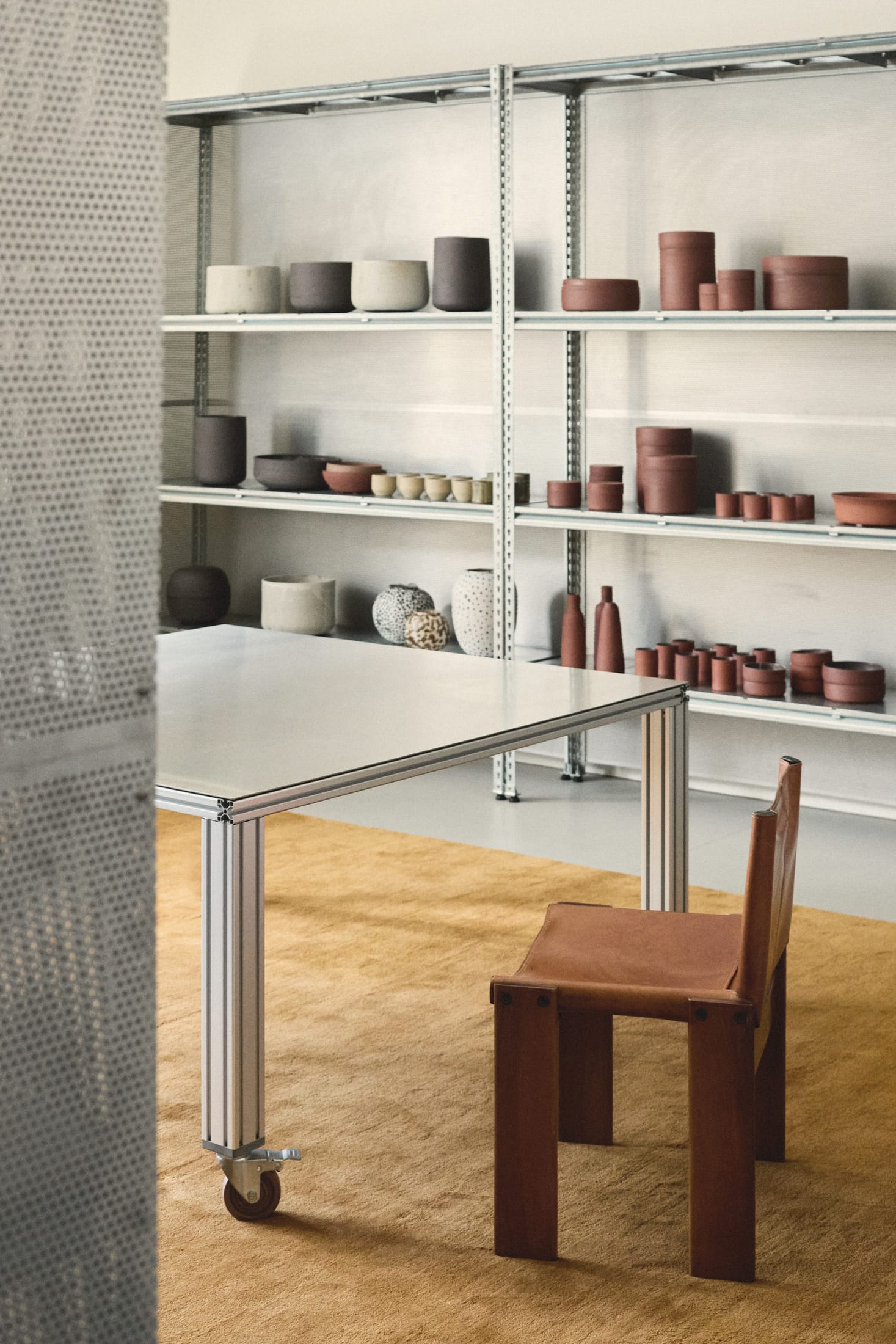
This focus on the tactile extends to the custom-designed furniture. In an age where digital fatigue is at an all-time high, the studio utilizes surfaces that demand to be touched. The cool precision of metal is softened by the warmth of ceramic dust and the organic irregularities of hand-finished surfaces.
Principle 2: The Archival Museum Aesthetic
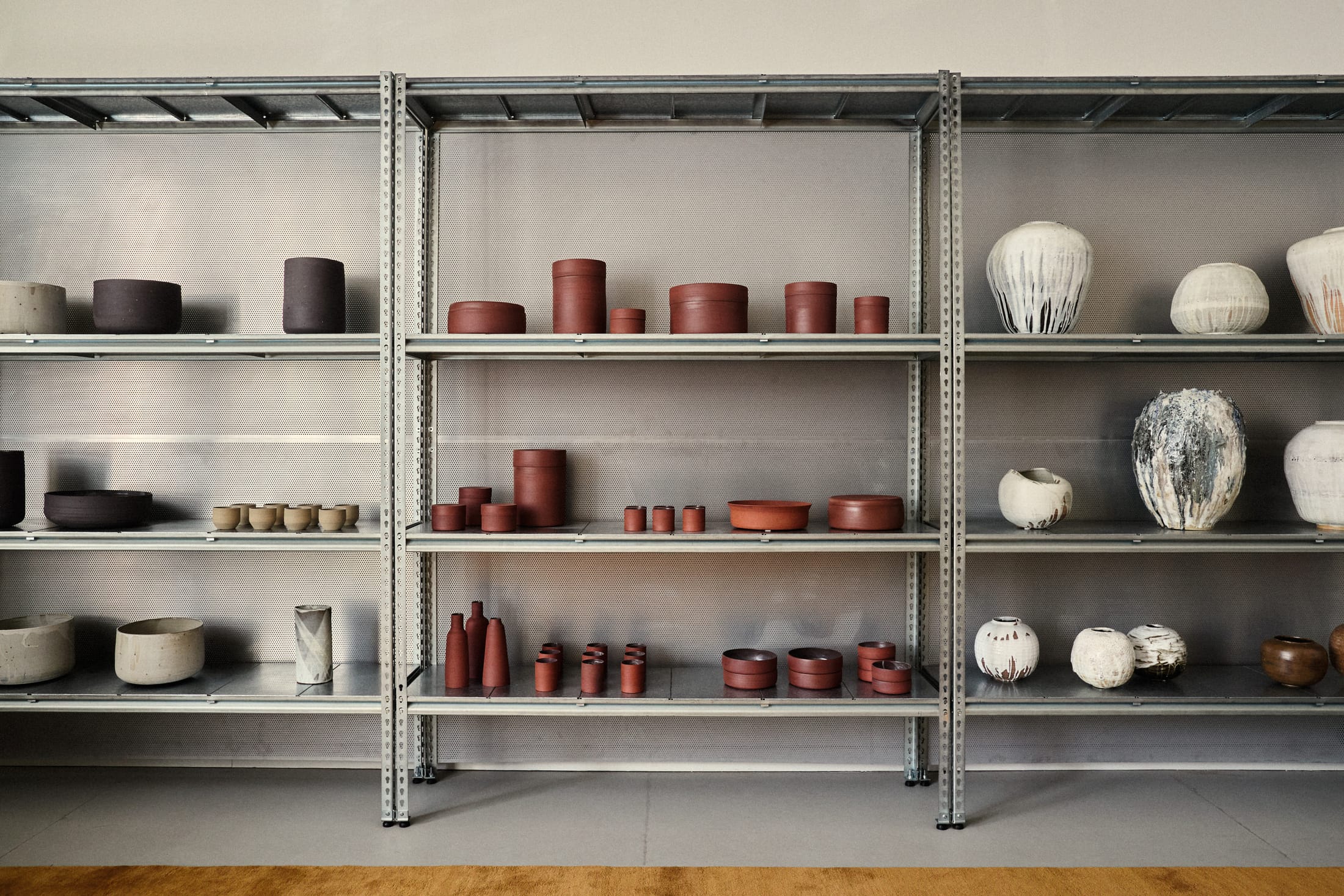
If the 2010s were defined by the "open-plan office" and the 2020s by "work-from-home," 2026 is the year of the "Archival Workspace." This aesthetic moves away from hiding the tools of the trade, instead turning storage into a curated display. At Szilvassy Studio, this is achieved through bespoke metal shelving designed by Dion Hall. These units are not merely functional; they are skeletal structures that frame the ceramics like artifacts in a high-end preservation vault.
Recent 2026 design forecasts indicate that 85% of premium creative workspaces are transitioning to 'gallery-grade' materiality to blend production and retail environments. This shift recognizes that for the modern consumer, seeing the process is just as important as seeing the product.
The "preservation vibe" is further enhanced by:
- Volumetric Lighting: Large windows allow light to wash over surfaces, highlighting the textures of the clay and the sharp lines of the metal.
- Monochromatic Depth: Using a palette of grays, silvers, and earthy ochres to create a calm, focused atmosphere.
- Minimalist Precision: Every tool has a place, and every place is visible, turning the act of organization into a visual performance.
Applying the Szilvassy Method: 2026 Workspace Trends
How can we translate the rarefied air of a professional ceramic studio into our own modern workspaces? The "Szilvassy Method" suggests a shift from mass-produced solutions toward bespoke, intentional interiors. Statistics show a 40% rise in demand for custom-designed, small-batch workspace furniture as brands and individuals move away from "fast furniture" in favor of unique cultural expressions.
| Design Element | Traditional Office Design | 2026 Masterclass (Szilvassy Style) |
|---|---|---|
| Materiality | Plastic, laminate, synthetic carpet | Victorian clay, raw metal, natural stone |
| Philosophy | Efficiency and concealment | Curation and archival preservation |
| Sourcing | Global mass-market | Local lineage and bespoke craftsmanship |
| Vibe | Corporate/Neutral | Gallery-grade/Atmospheric |
To integrate this at home or in a boutique office:
- Swap Built-ins for Statement Shelving: Use industrial metal or raw timber shelving to display your reference books and tools as art.
- Embrace Biophilic Tactility: Move beyond just "adding a plant." Introduce natural surfaces like unglazed ceramic trays, stone coasters, or cork walls to ground the tech-heavy workspace.
- Prioritize Light Volume: Remove heavy window treatments. Let the natural progression of daylight dictate the mood of your room.
Furniture as Narrative: The Gemini Series
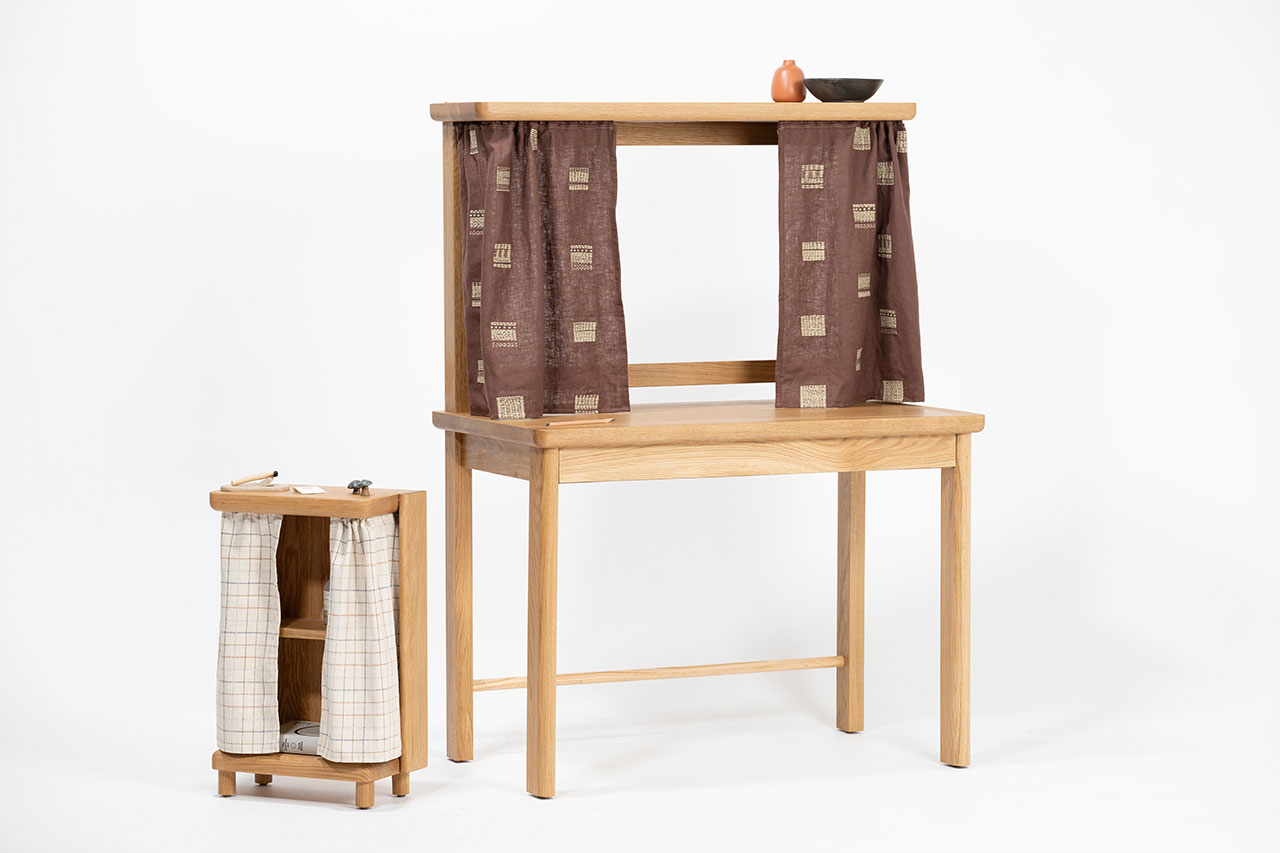
The most compelling aspect of the Szilvassy Studio is how it uses furniture to tell a story. A prime example is the Gemini Series, a collection of bespoke pieces that explore the themes of duality and unity. In these pieces, Hall and Lowndes experiment with how two disparate materials—or two separate forms—can lean on one another to create a singular, balanced whole.
This "furniture as narrative" approach is a burgeoning trend for 2026. Instead of buying a desk because it fits the dimensions of a room, we are buying pieces because they reflect our values. Small production runs and limited-edition studio furniture are becoming the "new collectibles" for interior enthusiasts.
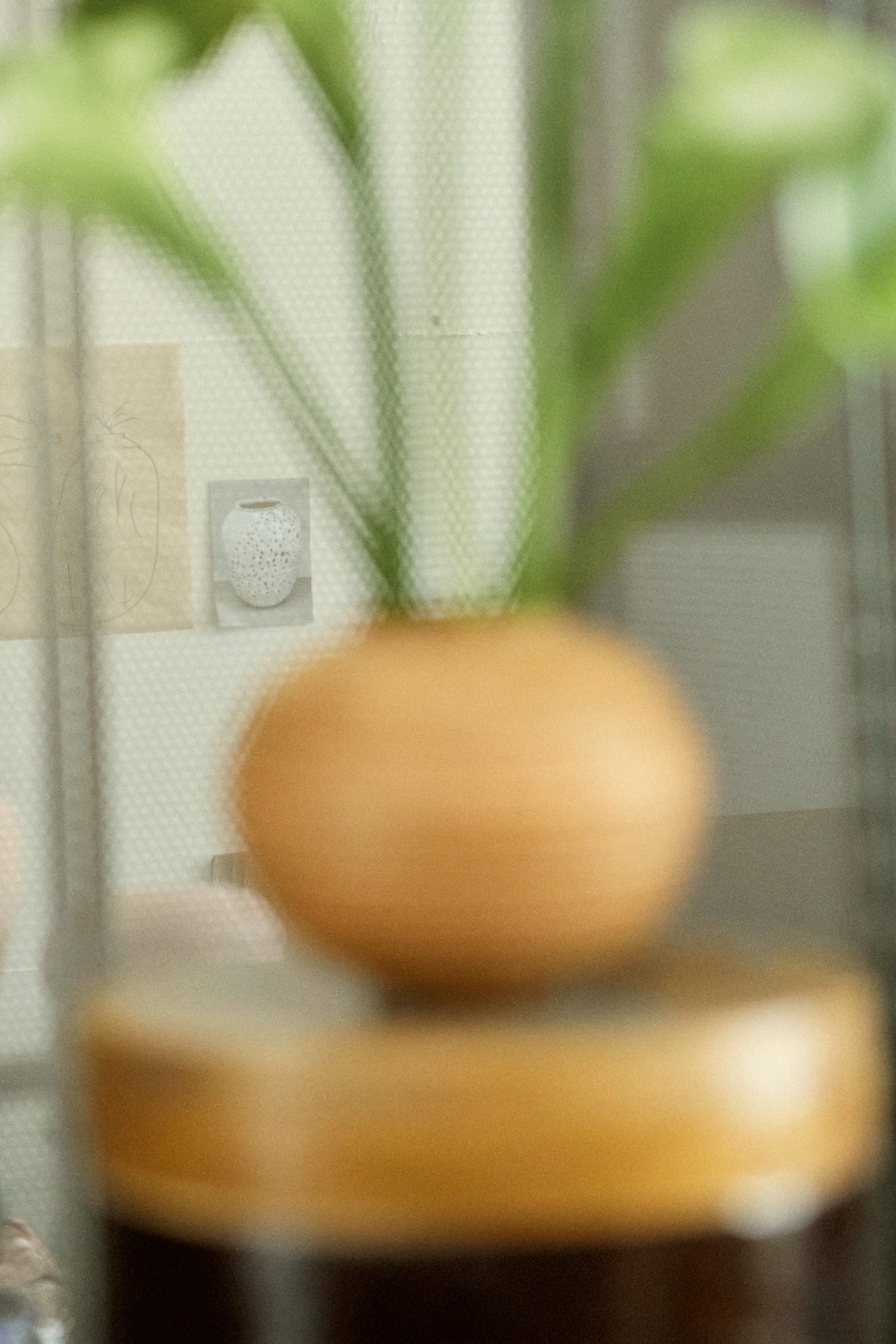
The Gemini Series works so well within the studio because it echoes the duality of the space itself: it is a place of messy, wet clay production, yet it is also a place of pristine, high-concept design. It is both a factory and a temple.
The Future of the Creative Sanctuary
As we move deeper into the mid-2020s, the "Szilvassy Studio" model proves that our workspaces should be more than just functional squares. They should be reflections of our lineage, our materials, and our creative aspirations. By leaning into the archival aesthetic and prioritizing local craftsmanship, Dion Hall and Shari Lowndes have created more than a studio—they have created a masterclass in how we will live and work in the years to come.
Whether you are a designer, a writer, or a corporate leader, the lesson is clear: invest in the tactile, honor the process, and never underestimate the power of a beautifully curated shelf.
FAQ
Q: How can I achieve a "gallery-grade" look on a budget? Ivy Chen: Focus on one "hero" material. You don't need a full studio of custom metal. Perhaps it’s a single bespoke aluminum desk lamp or a set of hand-thrown ceramic organizers. It’s about the quality of the material, not the quantity.
Q: Why is the "archival" look trending now? Ivy Chen: In an increasingly digital world, we crave physical evidence of our work. The archival look—visible storage, curated shelves, and exposed tools—celebrates the "analog" and provides a sense of permanence and history that digital files cannot.
Q: Where can I see Dion Hall’s work in person? Ivy Chen: Beyond Szilvassy Studio, Dion Hall has designed several landmark hospitality and retail spaces across Melbourne, particularly in the Collingwood and Fitzroy areas. His work consistently emphasizes a deep respect for raw materials and architectural volume.
Are you ready to redefine your workspace? Start by auditing your materials. If your desk feels disconnected from your personality, consider a shift toward the bespoke.