In the glittering chaos of award seasons and red-carpet premieres, it is easy to assume that a star of Amanda Seyfried’s caliber thrives on the high-octane energy of Hollywood. Yet, as we look toward 2026, the cultural tide is shifting. We are moving away from the "always-on" hustle and toward a more intentional, systems-driven way of living. For Seyfried—the celebrated lead of the upcoming 2025 buzzed-about film The Testament of Ann Lee—the secret to her success isn't a relentless schedule, but a radical rejection of it.
At the heart of her life is a 1930s farmhouse in upstate New York, a sanctuary where the "Pennsylvania girl" inside her can finally breathe. Amanda Seyfried chooses a slow morning over the Hollywood hustle as a deliberate strategy to manage her chronic anxiety and OCD symptoms. By prioritizing intentional family time and mental wellness rituals, she has built a life that values depth over speed, a blueprint for what many are calling the "Slow Productivity" movement.
The Sanctuary: A 1930s Farmhouse and 34 Rescued Animals
For Seyfried, home organization isn't just about clearing a countertop; it's about curating an environment that grounds the nervous system. Her upstate property is a masterclass in rustic, functional charm, featuring original 1930s stonework and a signature trellis that anchors the home to the earth.
However, the true "system" of her home lies outdoors. Her farm is a bustling menagerie of 34 animals, often described as her own personal "Noah’s Ark." This includes:
- Cliff, the 38-year-old pony who serves as the elder statesman of the pasture.
- A revolving family of rescued horses, goats, and chickens.
- Her beloved dogs, who bridge the gap between the barn and the breakfast table.
Caring for these animals provides a grounding effect that clinical settings often cannot. For someone navigating OCD, the predictable, repetitive needs of animals—feeding, grooming, and mucking—provide a rhythm that simplifies a complex mind. "The needs of animals really simplify things," she has often noted, reflecting a philosophy where chores become a form of moving meditation.
The Anatomy of a Slow Morning
In the Seyfried household, the morning is a protected space. There is no frantic checking of emails or scrolling through industry trades. Instead, there is the "Window Box" ritual. This involves a slow wake-up with her children, Nina (7) and Thomas (4), often centered around the shared experience of watching Bluey—a show that has become a staple for millennial parents seeking gentle, high-emotional-intelligence content.
The morning menu is equally intentional, leaning into European-style traditions that favor quality over convenience.
- The Daily Brew: Strong, artisanal coffee enjoyed without the rush of a commute.
- The Sunday Tradition: Thick-cut French toast, a ritual that signals the transition into a day of rest.
- Life-Saving Hobbies: Between breakfast prep, Seyfried often turns to "tactile wellness"—crocheting, embroidery, or crafting paper-star garlands. These activities aren't just hobbies; they are tools for decompressing and keeping the hands busy to quiet the mind.
This slow start is a direct response to her mental health journey. By carving out these hours, she manages her anxiety before it has a chance to peak, proving that the most important "system" you can organize in your home is your own time.
Sustainability and Play: The 'Make It Cute' Philosophy
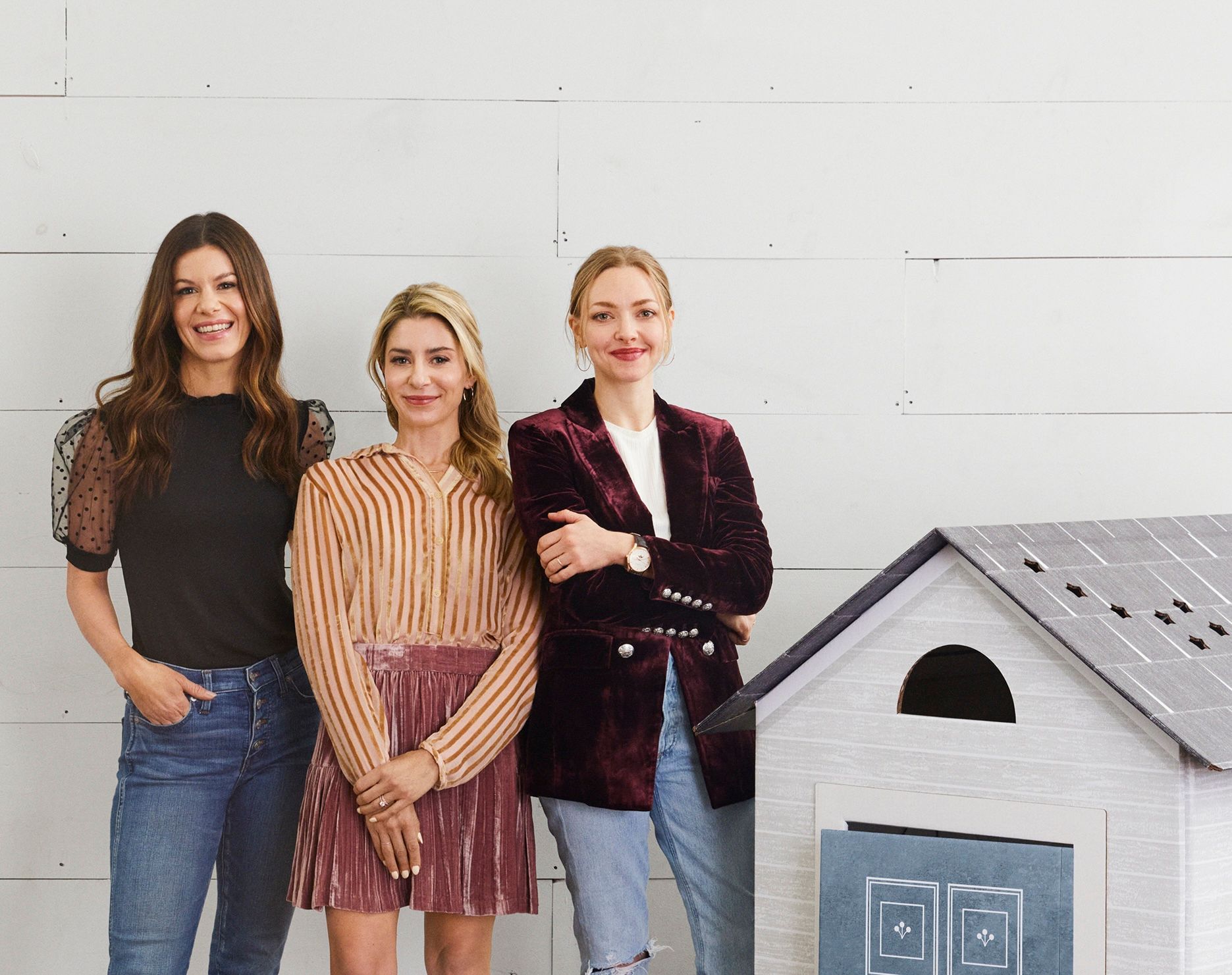
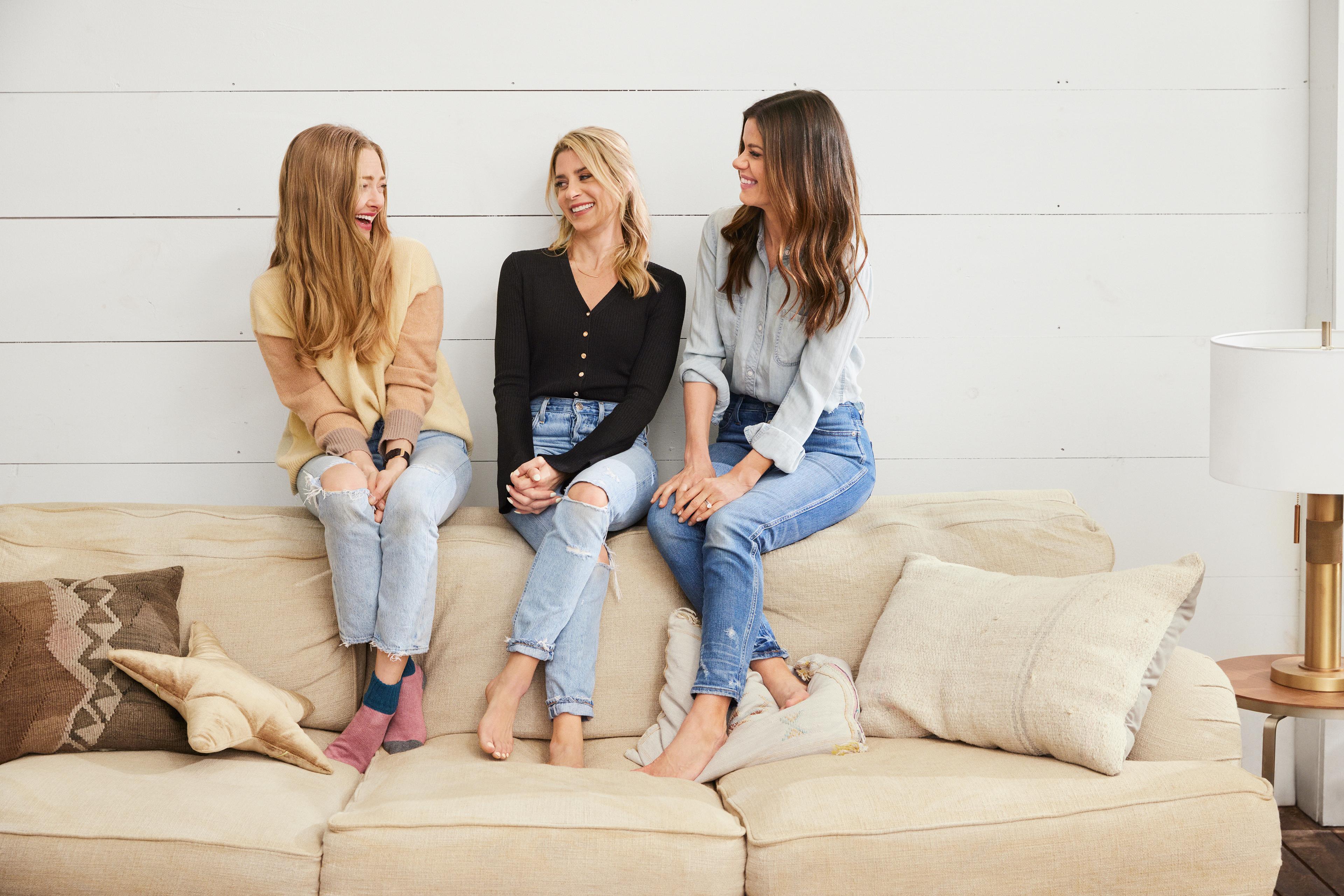
As an editor, I often look for the "why" behind a celebrity brand. For Seyfried, her venture Make It Cute is a natural extension of her farm-life values. Co-founded with two of her closest childhood friends, the brand tackles a common parental grievance: the visual and environmental clutter of plastic toys.
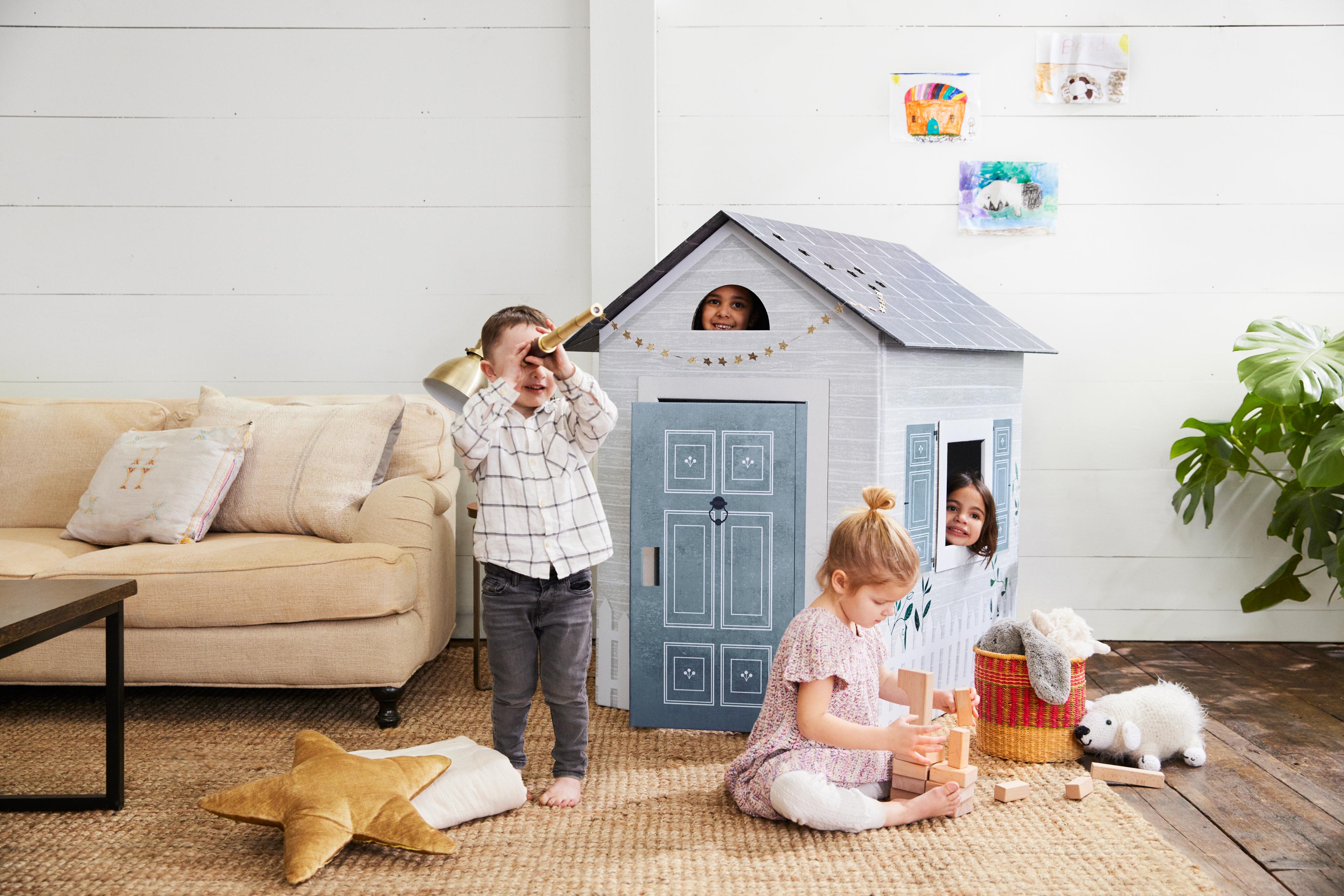
The brand’s mission is 100% plastic-free, focusing on beautifully designed, sustainable cardboard playhouses that double as home decor. It reflects a broader lifestyle shift she has implemented in her own home, such as swapping paper towels for washable cloths.
"Rest is not a reward; it’s a requirement. My work with Make It Cute is about bringing that same intentionality into the playroom—creating spaces that are kind to the earth and calming for the home."
The Modern Farmhouse playhouse kits are the crown jewel of the collection, designed to be aesthetically pleasing enough to sit in a living room rather than being hidden away in a basement.
Sustainable Swap: The Playroom Edition
| Feature | Traditional Plastic Playhouses | Make It Cute Playhouses |
|---|---|---|
| Material | Non-recyclable plastics / PVC | 100% Recycled & FSC-certified cardboard |
| Aesthetic | Neon colors, bulky structure | Neutral tones, "Modern Farmhouse" chic |
| Assembly | Complex, requires tools | Patented "fold-and-play" system |
| End of Life | Landfill bound | Fully recyclable or compostable |
2026: The Year Slow Productivity Replaces the Hustle
While Seyfried has been practicing this lifestyle for years, the rest of the world is finally catching up. By 2026, "Slow Productivity" is projected to become the primary workplace and lifestyle strategy for Gen Z and Millennial leaders. This isn't about doing less for the sake of laziness; it’s about doing fewer things with higher quality and deeper focus.
Statistical trends suggest that by 2026, over 60% of high-performing professionals will prioritize "Deep Work" environments over open-office hustle. Seyfried’s move to upstate New York is the ultimate "Deep Work" move. By removing the constant "busy work" of the Hollywood social circuit, she preserves her emotional intelligence and creative energy for the roles that truly matter.
2026 Productivity Stat: Research indicates that Gen Z leaders are 40% more likely than previous generations to implement "No-Meeting Mornings" to protect mental clarity and prevent the global burnout crisis predicted for 2026.
Actionable Tips: How to Build Your Own Slow Morning Routine
You don't need a 50-acre farm in New York to replicate the benefits of Seyfried’s routine. It begins with setting firm boundaries around your attention. Here is how you can start:
- Hydration Before Caffeine: As highlighted in Asana’s 2026 wellness guidelines, drinking 16oz of water before your first coffee helps regulate cortisol levels, which is crucial for those with anxiety.
- The "No-Snooze" Boundary: Avoid the snooze button and the immediate phone-scroll. Use the first 20 minutes of your day for a tactile activity—stretch, make the bed, or even just watch the birds from your window.
- Tactile Engagement: Incorporate a "life-saving hobby." Whether it’s five minutes of knitting or tending to a single windowsill plant, engaging your hands helps anchor you in the present moment.
- Protect Your Evenings: Use your weekends and evenings for "mental restoration." This means turning off notifications and focusing on "low-fi" entertainment like board games or reading.
By adopting these small systems, you aren't just organizing your schedule; you are organizing your peace of mind. Amanda Seyfried’s journey shows us that the most productive thing we can do is often the very thing we were told to avoid: slowing down.
FAQ
How does Amanda Seyfried manage her OCD while living on a farm? Seyfried finds that the routine nature of farm work—feeding schedules and animal care—provides a structured environment that helps ground her OCD symptoms. The tactile nature of these tasks acts as a form of mindfulness.
What is the 'Make It Cute' brand's environmental impact? The brand maintains a 100% plastic-free mission. They use recycled, FSC-certified cardboard and eco-friendly dyes, ensuring that their toys are fully recyclable and do not contribute to the growing problem of plastic waste in children's products.
Why is 'Slow Productivity' trending for 2026? After years of burnout caused by "hustle culture," there is a global shift toward emotional intelligence and deep focus. Professionals are realizing that constant "busyness" leads to lower-quality work and poorer mental health.