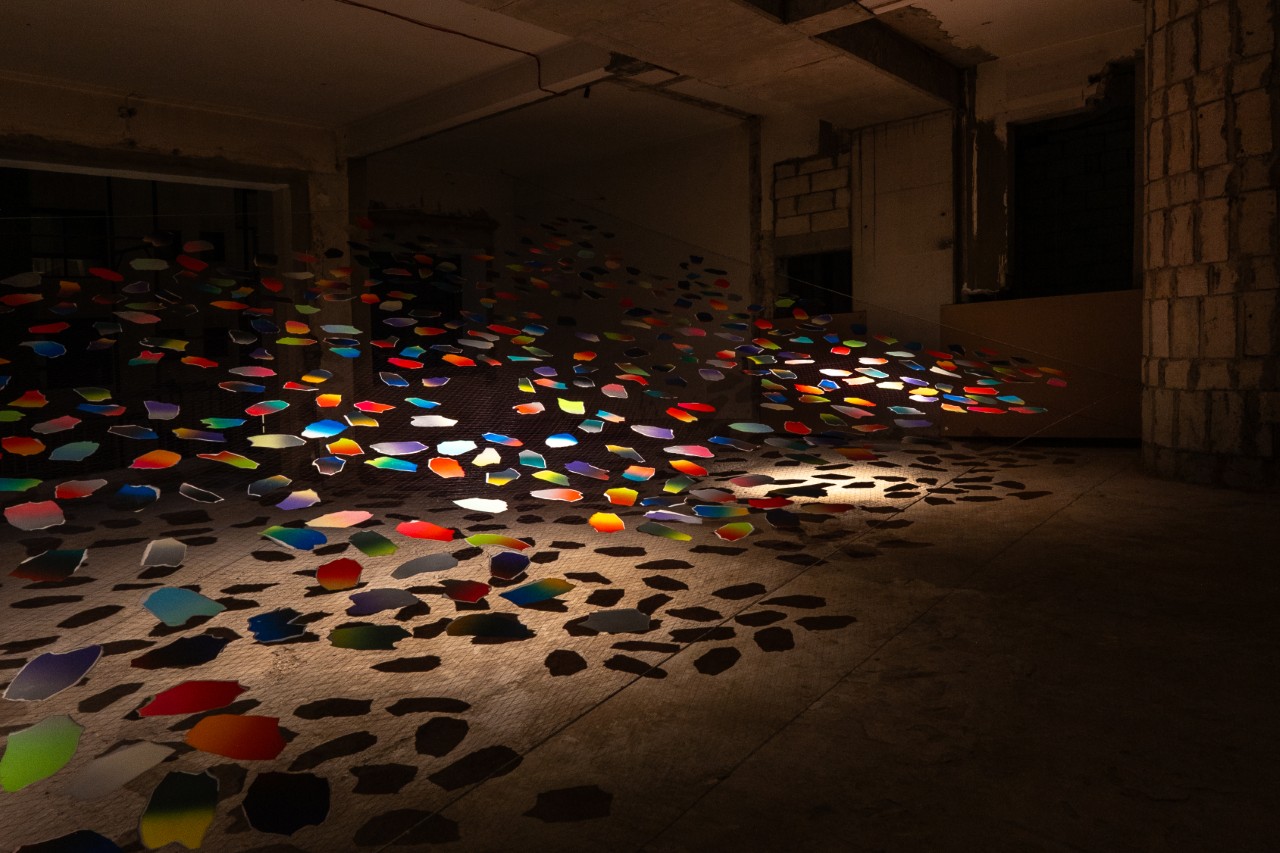
Photography has a problem: we live in an internet-forward age where a memory has become as fleeting as a scrolling thumb. Our smartphones have turned us into digital scavengers, hoarding thousands of "weightless" images in mislabeled, unorganized cloud storage systems that we rarely revisit. This "digital detritus" isn't just a storage issue; it’s a psychological burden that devalues the moments we claim to cherish.
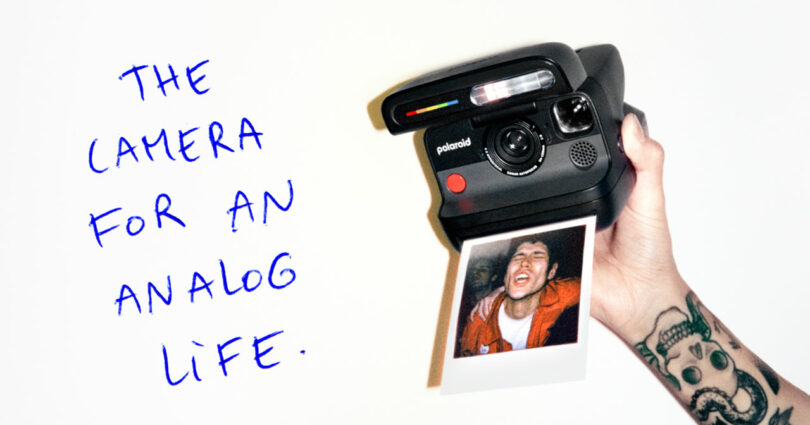
The Polaroid Flip arrives not as a retro gimmick, but as a deliberate antidote to this digital weariness. It represents a shift toward "emotional consumer electronics"—devices designed not for endless consumption, but for intentional reflection and the creation of physical artifacts. By choosing the Polaroid Flip, you aren't just buying an instant camera; you are adopting a tool for a mindful lifestyle that prioritizes presence over pixels.
The Philosophy of Scarcity: Why 8 Frames is Plenty
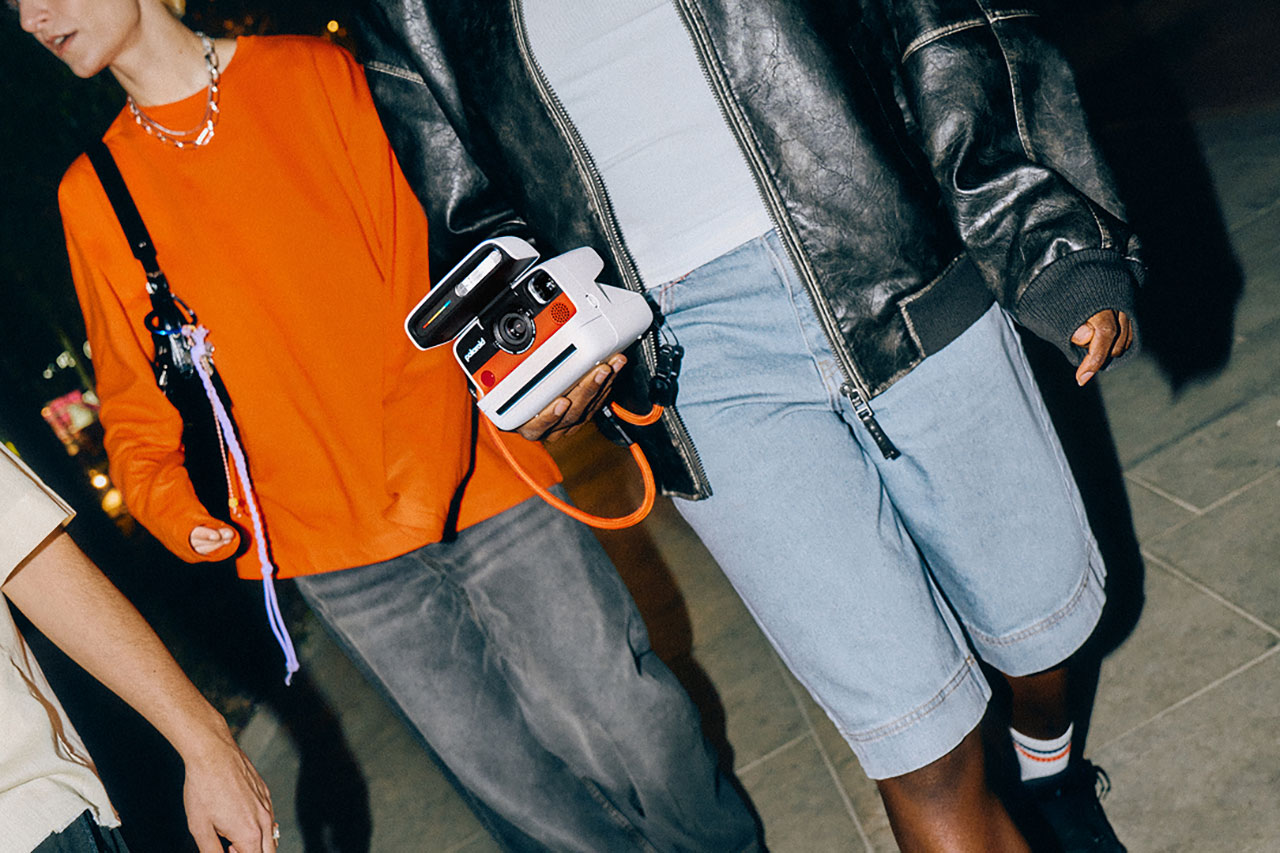
In the world of digital photography, the cost of a "bad" photo is zero, which ironically makes the value of a "good" photo feel equally cheap. We take twenty shots of the same sunset, hoping the algorithm picks the best one. The Polaroid Flip disrupts this cycle by embracing the power of scarcity.
By limiting capacity to just eight frames per I-Type film pack, the Polaroid Flip encourages a 10x increase in intentionality compared to digital systems. When you know you only have eight opportunities to capture the essence of an afternoon, your brain shifts gears. You stop "snapping" and start "observing." You look at the way the light hits a friend's face; you wait for the exact moment of a shared laugh; you consider the composition.
The Value of the Uncopyable
There is a profound psychological weight to a unique, uncopyable photograph. In a world of infinite digital reproduction, a Polaroid is a singular object that existed in the room with you.
- Tactile Reality: You can hold it, pass it around, or pin it to a fridge. It occupies physical space, much like the memory itself.
- The Wait: The 10–15 minute development time is a forced meditation. It teaches patience in an era of instant gratification.
- The "Flaws": The chemical chemistry of I-Type film provides a depth and soul that filters can only mimic. Those slight light leaks or color shifts are the fingerprints of reality.
Design with Purpose: Tactile and Grounding
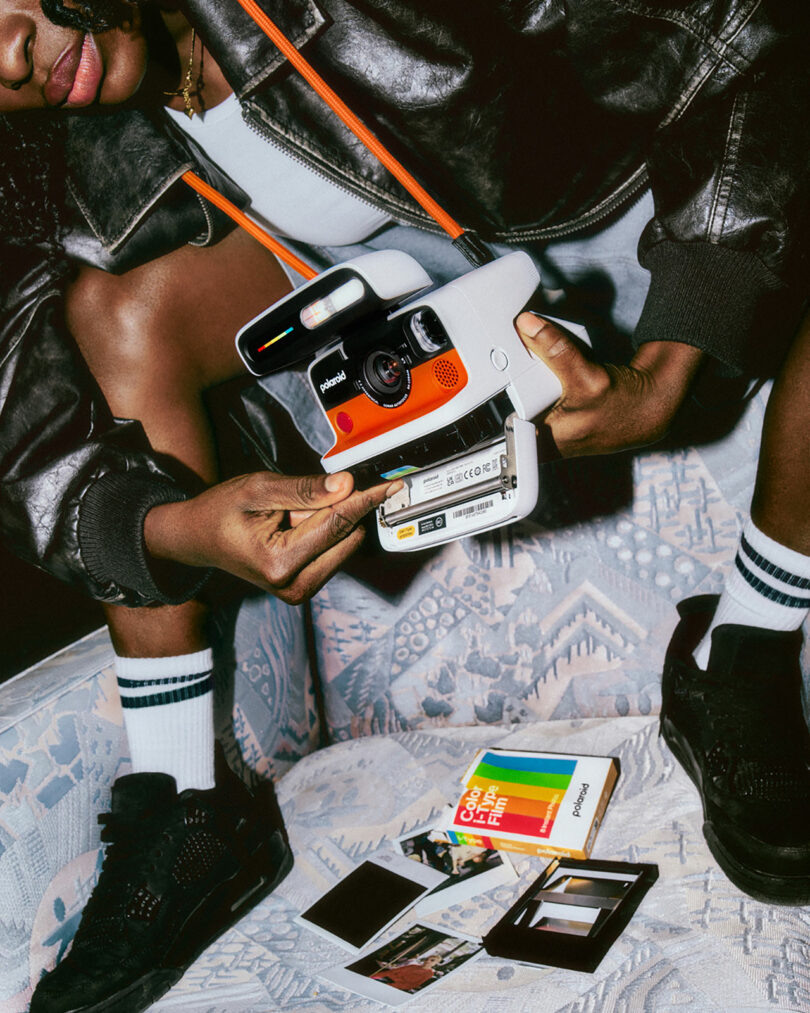
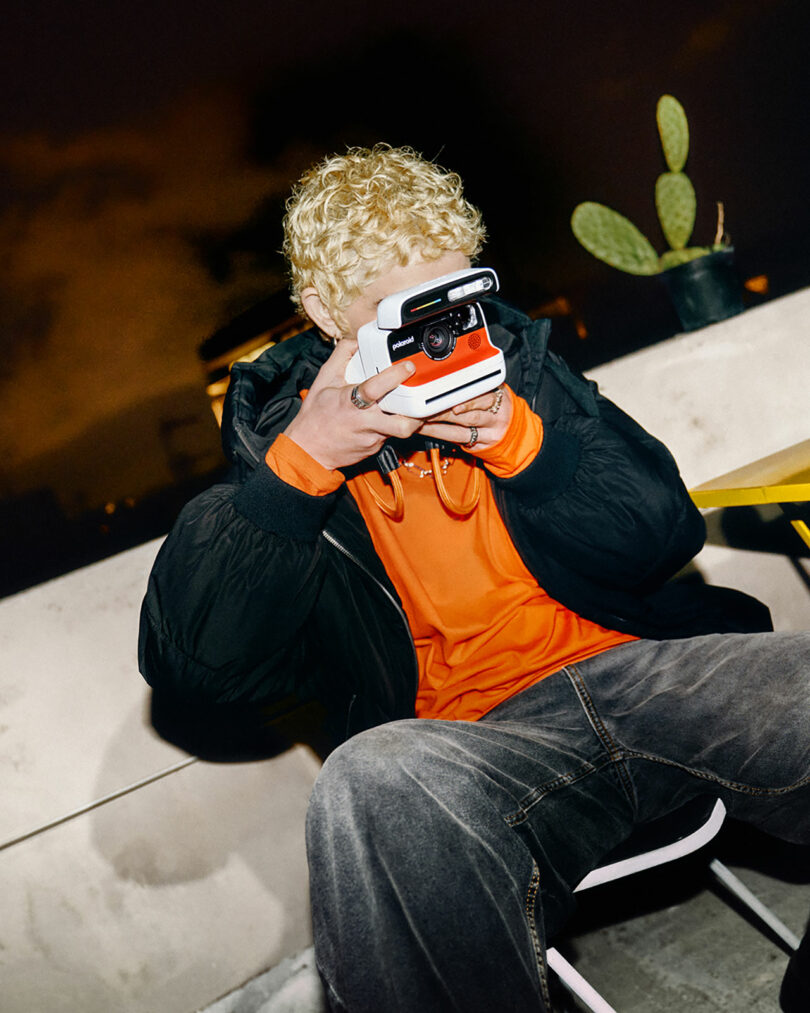
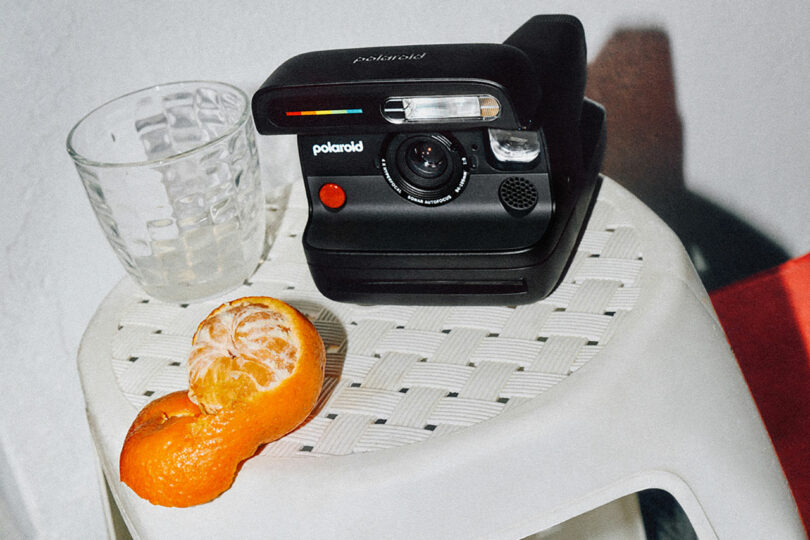
The design of the Polaroid Flip is an exercise in intentionality. While most modern gadgets strive to be as thin and invisible as possible, the Flip celebrates its physical presence. Its heritage-inspired clamshell hinge is more than a protective measure; it is a ritualistic start to the creative process.
When the camera is closed, it feels grounding—a solid, tactile object that signals you are "off the clock" from the digital world. Open it, and the geode-like interior reveals the sophisticated mechanics of the lens and the film exit slot. This physical transition from "closed" to "open" helps the user transition from "distracted" to "active creator."
"The paradox of the Flip is that it’s deeply technical by embedding intelligence that stays hidden, ensuring the user stays focused on the subject rather than the settings." — Design Insights
This is a standalone analog experience. While there is an optional app for those who want to dive into manual exposure or remote shutter control, the Flip is designed to function perfectly without a screen. It invites you to put your phone in your pocket and keep it there.
'Invisible Help': Technology that Protects the Moment
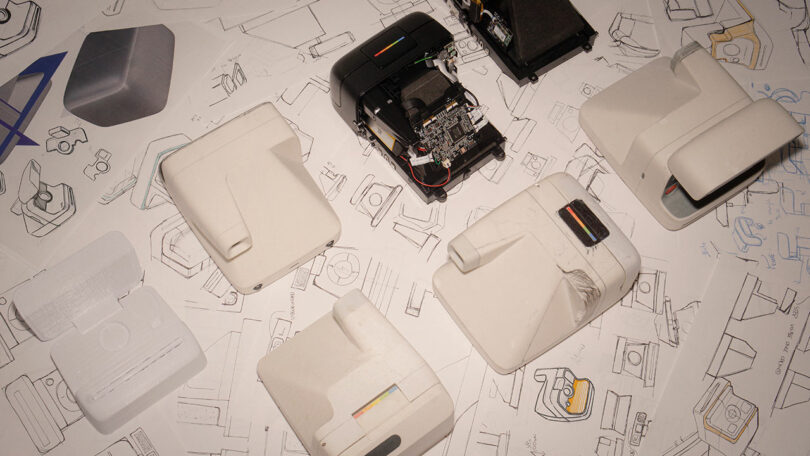
One of the biggest hurdles to mindful photography is the fear of "wasting" film. In an analog system, a blurry or underexposed shot feels like a lost opportunity. The Polaroid Flip addresses this through what engineers call "Invisible Help"—high-end technology that works in the background to ensure your rare frames are technically sound without distracting you from the moment.
The core of this system is a sonar-driven four-zone autofocus system. Unlike the fixed-focus lenses found in cheaper instant cameras, the Flip’s sonar technology accurately measures distance from 0.65m to 2.5m (approximately 2 feet to 8 feet). This ensures that whether you are taking a close-up portrait or a medium-range group shot, the subject remains sharp.
Furthermore, the Polaroid Flip features a breakthrough in illumination: the adaptive flash. This system automatically adjusts its intensity based on the distance feedback from the sonar sensors.
Technical Specifications at a Glance
- Autofocus System: Sonar-driven, 4-zone (0.65m – 2.5m).
- Adaptive Flash: Covers distances up to 4.5 meters (15 feet), providing reliable illumination for 100% of standard indoor shooting scenarios.
- Film Type: I-Type (Battery-free, optimized for the Flip’s internal power).
- Interface: Subtle LED signals provide guidance on film count and lighting without the intrusion of a bright LCD screen.
This technology serves a specific purpose: it eliminates the "technical anxiety" that often plagues analog beginners. By knowing the camera has your back, you can remain fully present in the scene.
Polaroid Flip vs. The Competition: Choosing Meaning Over Cost
When deciding on an instant camera, many consumers look at the Instax series by Fujifilm. While Instax offers a lower entry price and "creamy" pastel colors, the Polaroid Flip operates in a different category of intention and quality.
The larger I-Type film format provides a canvas that is significantly larger than the "credit card" size of the Instax Mini. This extra real estate allows for more detail and a more "fine art" feel. Below is a breakdown of how the Flip compares to the popular alternatives:
| Feature | Polaroid Flip | Instax Square (SQ40) | Instax Mini (12) |
|---|---|---|---|
| Film Format | I-Type (Large Square) | Instax Square | Instax Mini (Small) |
| Focusing | Active Sonar Autofocus | Fixed / Zone | Fixed Focus |
| Flash | Adaptive (up to 4.5m) | Standard Constant | Standard Constant |
| Philosophy | Intentional / Mindful | Casual / Party-focused | Snapshot / Fun |
| Build Quality | Clamshell Premium | Plastic Rigid | Plastic Rigid |
While Instax is fantastic for quick party favors, the Polaroid Flip is designed for those who want their physical memories to have a sense of permanence and professional clarity. The sonar focus alone justifies the premium, as it significantly reduces the number of "wasted" blurry shots compared to fixed-focus competitors.
Practical Tips for Mindful Photography
Adopting the Polaroid Flip is a lifestyle change. To get the most out of your 8 frames, consider these practices:
- The Three-Breath Rule: Before you press the shutter, take three slow breaths. Look at the corners of your viewfinder. Is there anything distracting? Is this a moment you want to hold in your hand ten years from now?
- Embrace the "Magic" of Development: Once the photo ejects, place it face down in a dark, warm place. Resist the urge to shake it (which can actually damage the chemicals). Let the image reveal itself in its own time—this is part of the "slow" lifestyle.
- Notice the Mundane: Mindful photography isn't just for birthdays and weddings. Sometimes the most beautiful physical artifact is a shot of the light hitting your coffee cup on a quiet Sunday morning.
- Create a Physical Archive: Instead of letting your Polaroids pile up, buy a dedicated album or a small wooden display stand. Giving the photo a "home" reinforces its value.
FAQ
Q: Is the film for the Polaroid Flip expensive? A: I-Type film is a premium product, reflecting the complex chemistry required to produce a self-developing photograph. However, the "cost" is part of the mindful experience—it forces you to value each shot. By taking fewer, better photos, many users find they spend about the same as they would on high-volume digital printing.
Q: Can I use the Polaroid Flip at night? A: Yes. Thanks to the adaptive flash that reaches up to 4.5 meters (15 feet), the Flip is exceptionally capable in low-light and indoor settings. The sonar focus ensures the flash doesn't "blow out" subjects that are close to the lens.
Q: Does it require an app to work? A: Not at all. The Polaroid Flip is a standalone analog device. While an app is available for advanced features like light painting or double exposures, the core "mindful" experience is designed to be 100% screen-free.
The Path to an Analog Life
Ultimately, the Polaroid Flip is more than a camera; it is a tool for building an analog life in an increasingly digital world. It asks you to stop hoarding data and start making memories. It reminds us that the most beautiful things in life are often scarce, physical, and slightly imperfect.
By embracing the limitations of 8 frames and the "invisible help" of modern sonar technology, you can recapture the joy of being present. You aren't just taking a picture; you are participating in a moment. And ten years from now, when you find that faded square tucked into a book, you’ll realize that the weight of that physical artifact is worth a thousand forgotten files in the cloud.