There is a specific kind of magic that happens when the crisp autumn air meets the roar of a stadium crowd, all within the confines of your own backyard. As someone who spends most of my professional life dissecting the specs of induction ranges and the durability of weather-resistant hardware, I’ve learned that the difference between a "good" party and a legendary backyard tailgate isn't just about the score on the screen—it's about the infrastructure supporting the experience. Your goal as a host is simple: you want guests who are well-fed, physically relaxed, and fully informed on the game's progress.
The three pillars of a successful backyard tailgate are high-quality refreshments, comfortable portable seating, and a clear, high-definition view of the game. When these three elements align, the host actually gets to enjoy the game rather than troubleshooting a glitchy stream or refilling individual plates every five minutes. Interestingly, backyard hosts report a 65% higher satisfaction rate when using dedicated outdoor displays compared to moving indoor TVs outside, largely due to the elimination of glare and the peace of mind that comes with weather durability.
Essential 1: High-Flavor, Low-Effort Refreshments
In the world of outdoor hosting, I live by the "Fingers Beat Forks" rule. There is a pragmatic reason for this: outdoor seating is often informal, and asking a guest to balance a ceramic plate, a steak knife, and a cold beverage while cheering for a touchdown is a recipe for a stained patio. By prioritizing finger-friendly snacks, you eliminate the need for bulky cutlery and allow your guests to remain mobile.
Research indicates that finger-food menus increase guest social interaction by 40% compared to traditional sit-down meals during outdoor hosting events. This is because people aren't anchored to a table; they can drift between the grill, the seating area, and the TV while grazing.
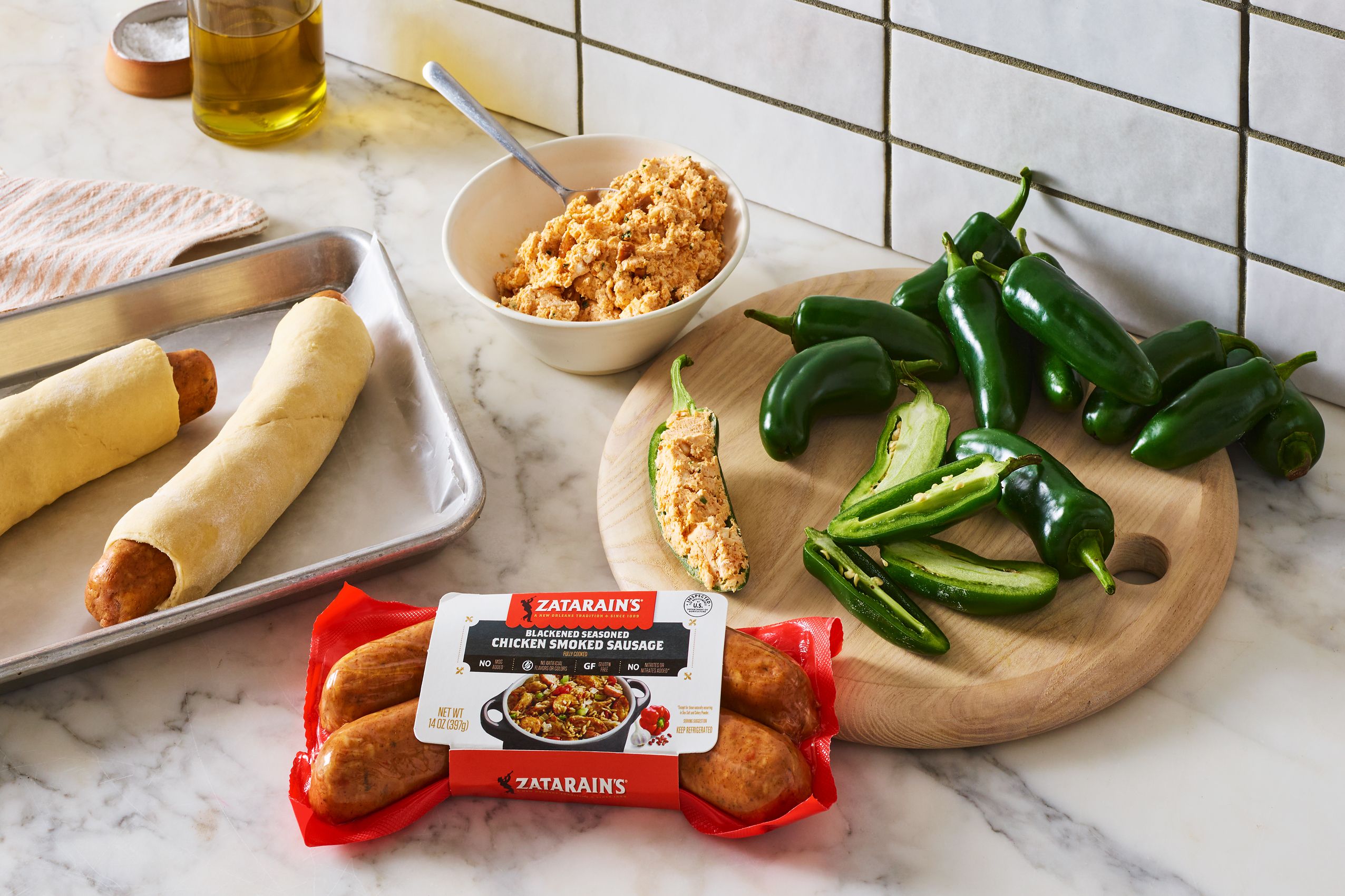
The MVP: Smoked Sausage Pigs-in-a-Blanket
For a menu that stands the test of a four-quarter game, you need items that can be pre-cooked and served at any temperature. Smoked sausage pigs-in-a-blanket are the gold standard here. Unlike standard hot dogs, high-quality smoked sausages have a lower moisture content, meaning the pastry stays crisp even if they sit out for an hour.
Pro-Tip: Use a puff pastry instead of crescent roll dough for a flakier, more "premium" feel that holds up better against humidity. Serve them with a flight of mustards—spicy brown, honey, and Dijon—to add variety without extra cooking time.
Beverage Distribution Strategies
Don't make your kitchen the bottleneck. If every guest has to walk inside to get a refill, you lose the "outdoor" atmosphere.
- The Perimeter Approach: Place small, high-end rotomolded coolers in different "zones" of the yard.
- The Ice Trough: For a larger crowd, a galvanized metal trough filled with ice and a mix of local craft brews and sparkling waters serves as a visual centerpiece and a functional self-service station.
- The Cooler Bag: Keep a soft-sided cooler bag near the main seating area for the "premium" drinks that you want to keep extra cold and accessible without anyone having to stand up.
Essential 2: Versatile and Cushioned Seating
The biggest mistake I see in backyard setups is the "permanent" furniture trap. Large, heavy patio sets are great for dining, but game day requires a more dynamic arrangement. You want portable, lightweight seating that allows guests to pull closer to the screen for a big play or turn away to chat during halftime.
As the season progresses and the "Fall Chill" sets in, the material of your seating becomes critical. Metal and hard plastic chairs can sap body heat surprisingly quickly.
- The Portability Priority: Look for high-quality folding chairs with integrated cup holders and side tables. Brands like KingCamp or GCI Outdoor offer "rocker" styles that provide the comfort of an indoor recliner with the weight of a camp chair.
- Combating the Cold: If you’re using standard folding chairs, cushions are mandatory. Not only do they provide lumbar support for a three-hour game, but they also act as an insulator between the guest and the cold frame of the chair.
- Zone Planning: Arrange your seating in a semi-circle around the display, but leave "standing room" zones in the back with tall bistro tables. This accommodates different energy levels throughout the game.
Essential 3: The High-Definition View (The Tech Setup)
This is the heart of the operation. While it might be tempting to just drag your 55-inch living room TV out onto the deck for a few hours, I strongly advise against it. Indoor TVs are designed for controlled lighting and lack the internal cooling and sealing required to handle heat, humidity, and dust.
When choosing an outdoor TV, dedicated models like the Samsung The Terrace are best for high-sun areas, while portable options like the LG StanbyMe Go offer flexibility for smaller spaces or shifting viewpoints. The technical "nit" count (a measure of brightness) is the most important spec here. A standard indoor TV usually sits around 250–350 nits, which will look like a black mirror in the afternoon sun. Dedicated outdoor displays can pump out 1,500 to 2,000 nits, cutting through direct sunlight with ease.
Outdoor Display Comparison
| Model | Best For | Sun Rating | IP Rating | Key Feature |
|---|---|---|---|---|
| Samsung The Terrace | High-End Patios | Full Sun | IP55 | 2,000+ Nits & Anti-Glare |
| Furrion Aurora | Budget-Conscious | Partial Shade | IP54 | Built-in 4K upscaling |
| LG StanbyMe Go | Small Spaces | Shade/Portable | N/A (Briefcase) | Built-in battery & Briefcase design |
| Seura Full Sun | Maximum Durability | Full Sun | IP56 | Internal cooling/heating system |
Understanding IP Ratings
For long-term value, you need to look at the Ingress Protection (IP) rating. This tells you how well the unit is sealed against the elements.
- IP54: Protected against dust and water splashes from any direction. Good for covered porches.
- IP56: Protected against high-pressure water jets. This is what you want if your TV is mounted in an unsheltered area where a sudden thunderstorm could drench it.
Pro-Tips for Weatherproofing and Layout
Beyond the big three essentials, the "pro" host is defined by their attention to the environmental details that guests don't notice until they go wrong.
1. Strategic Orientation: Always face your screen North. This ensures the sun is behind the display for most of the afternoon, significantly reducing glare even on high-nit screens. If you must face it West, invest in a motorized shade or a high-quality outdoor umbrella to block the low-angle evening sun.
2. Wi-Fi Extenders: There is nothing more frustrating than a 4K stream buffering during a goal-line stand. Most home routers struggle to push a high-bandwidth signal through exterior brick or stucco walls. I recommend a Mesh Wi-Fi system with at least one "outdoor" rated node to ensure a dedicated 5GHz signal reaches the patio.
3. Safety Distances: From a maintenance perspective, keep all electronics at least 6 feet away from the grill. Smoke and airborne grease are the silent killers of outdoor tech; they coat internal components and trap heat, leading to premature failure. Similarly, if you have a pool, ensure the TV is mounted at a height where splashes can't reach the power outlet.
Expert Insight: "Don't forget the audio. Built-in TV speakers struggle in open outdoor spaces. A dedicated outdoor soundbar, like the Terrace Soundbar, is designed to project audio forward, overcoming the 'open air' sound dissipation that makes standard speakers sound thin."
Frequently Asked Questions (FAQ)
Q: Can I use a projector instead of a TV for a backyard tailgate? A: Projectors are fantastic for nighttime "movie under the stars" vibes, but for afternoon game days, they are rarely bright enough. Even high-end "laser" projectors struggle to compete with ambient daylight. If your game kicks off after sunset, a projector is a cost-effective way to get a 100-inch screen, but for noon or 4:00 PM kickoffs, a dedicated outdoor TV is the only way to go.
Q: How do I protect my outdoor TV during the winter? A: While outdoor TVs are built to withstand temperature extremes, I always recommend a high-quality, weather-resistant cover when the unit isn't in use. Look for a cover with a soft inner lining to prevent screen scratches and a Velcro or zipper seal at the bottom to keep out insects and nesting spiders.
Q: What is the best way to keep food warm without a plug-in warming tray? A: Use heavy-duty cast iron pans. Pre-heat the pans in the oven or on the grill, then place your snacks (like those pigs-in-a-blanket) inside. Cast iron has incredible thermal mass and will keep your food at a safe, enjoyable temperature for much longer than a standard aluminum tray or ceramic dish.
Building the ultimate outdoor game day setup is an investment in your home’s "hospitality ROI." By focusing on the three pillars—the right food, the right seats, and the right tech—you move beyond the stress of hosting and into the realm of the backyard legend. Just remember: keep the drinks cold, the seats cushioned, and the screen bright enough to rival the sun. The rest of the afternoon will take care of itself.