Quick Facts
- Project: Orchard House by Fearon Hay and Katie Lockhart
- Location: Queenstown, Central Otago, New Zealand
- Size: 400sqm (approx. 4,300 sq ft)
- Core Strategy: Modular volumes and self-contained suites
- Sustainability: Passive House standards with high thermal mass
- Key Materials: Zinc cladding, limestone, and orbital brushed stainless steel
- Inspiration: Sophie Bates Architects has designed a 400-square-meter contemporary home in the Surrey Hills that features sustainable timber frame construction and a layout optimized for flexible, multi-generational family use.
Effective multi generational living requires flexible architecture that balances communal connection with private retreats. Orchard House achieves this through a series of modular agricultural volumes and a central courtyard, providing dedicated zones for aging-in-place or returning adult children while maintaining overall household independence. Using a series of modular volumes or self-contained suites allows a home to adapt as family dynamics shift, providing dedicated zones for different family branches while maintaining a unified aesthetic.
The Rural Shed Typology: Reimagining the Family Compound
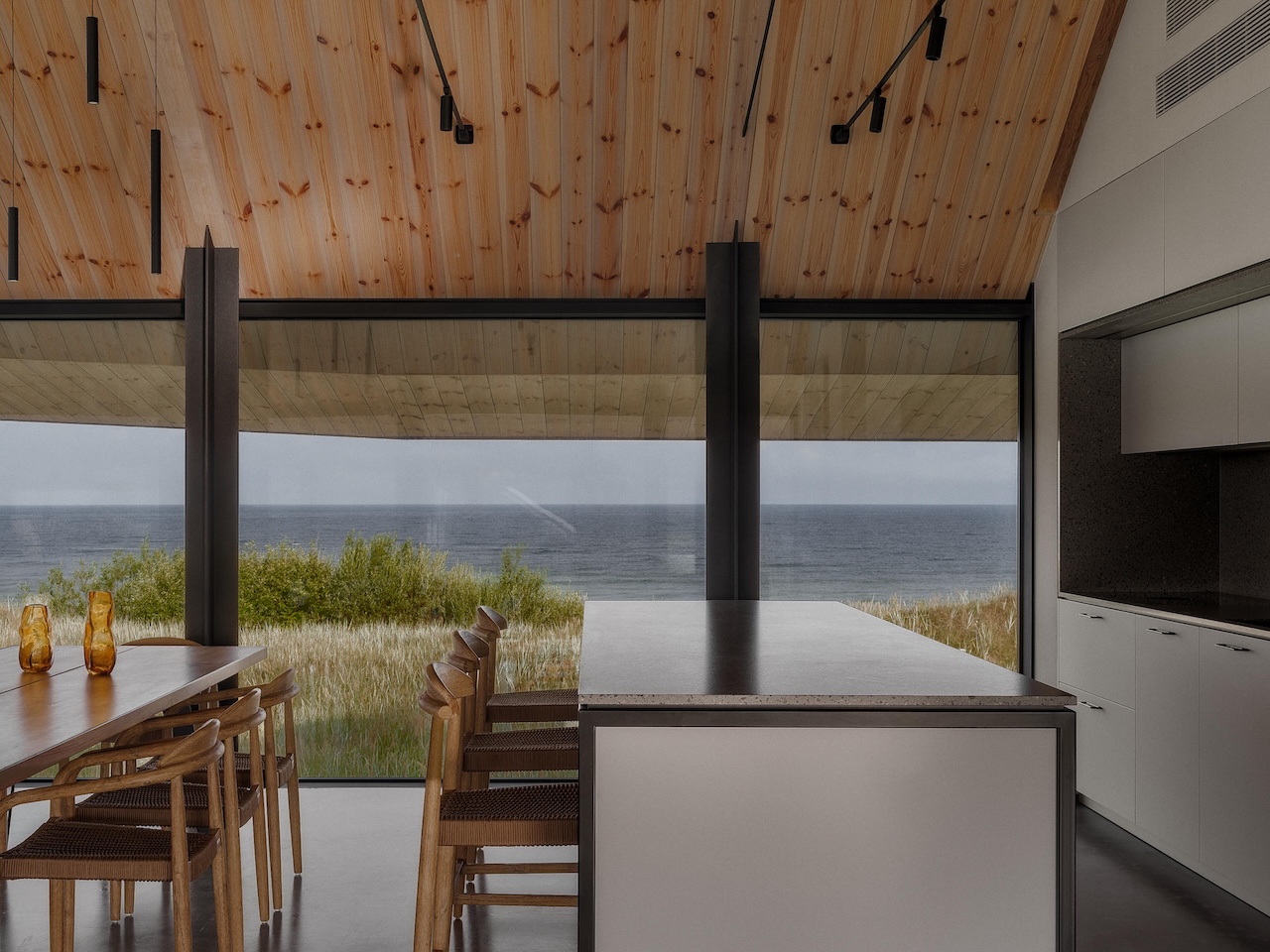
The landscape of Central Otago is defined by its rugged, mountainous terrain and a history of practical, agricultural structures. When approaching the design of Orchard House, the architects at Fearon Hay looked toward the rural shed typology to ground the 400sqm residence in its environment. By breaking the massive footprint into smaller agricultural volumes, the home avoids looking like a suburban intrusion. Instead, it appears as a cluster of buildings that could have evolved over time, a core principle of flexible family compound design.
The exterior materiality is a study in durability and understated luxury. The use of zinc cladding across the volumes creates a cohesive aesthetic that masks the inherent complexity of multi generational living architecture. Zinc is not only a nod to the corrugated iron of traditional farm sheds but also a high-performance material that weathers beautifully in the harsh South Island climate. This modular approach allows the family to inhabit different wings of the house without feeling isolated, as the shared language of the exterior ties the compound together.
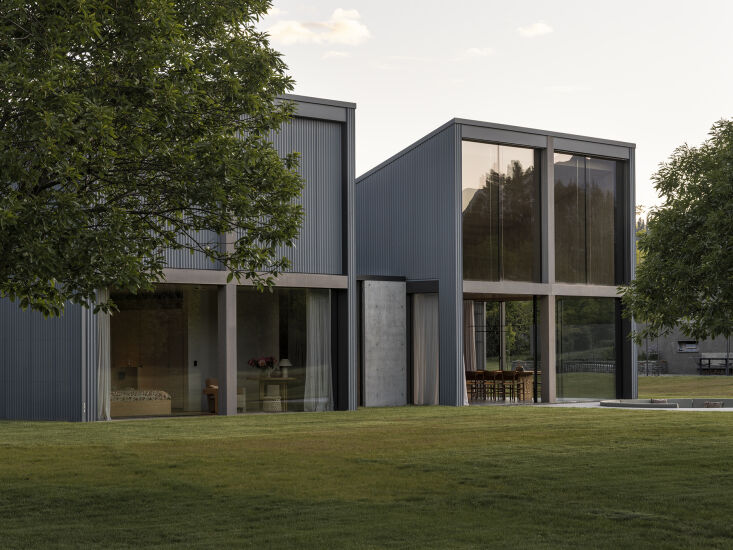
This design strategy also addresses how to make multi generational living work on a psychological level. By creating visual breaks between the living modules, the architecture provides a sense of autonomy for each resident. When you look at the house from a distance, you don't see one giant mansion; you see a village-like arrangement that respects the scale of the surrounding hills while offering enough internal space for every generation to flourish.
Zoning for Independence: The Privacy Gradient and Floor Plans
The success of any large family home lies in its floor plans. At Orchard House, the internal layout is governed by a privacy gradient. This concept moves residents from high-traffic, social circulation areas to deeply private retreats. Effective multi generational homes floor plans must account for the fact that three generations might be waking up, working, and resting at different times.
Central to the layout is the main living pavilion, which acts as the communal heart. However, branching off from this hub are self-contained suites that offer everything a resident might need for independence. These suites include their own bathrooms and lounge areas, essentially functioning as small apartments within the larger structure. This separate living quarter multi generational homes floor plans approach ensures that aging parents or adult children can maintain their own routines without overlapping with the primary household.
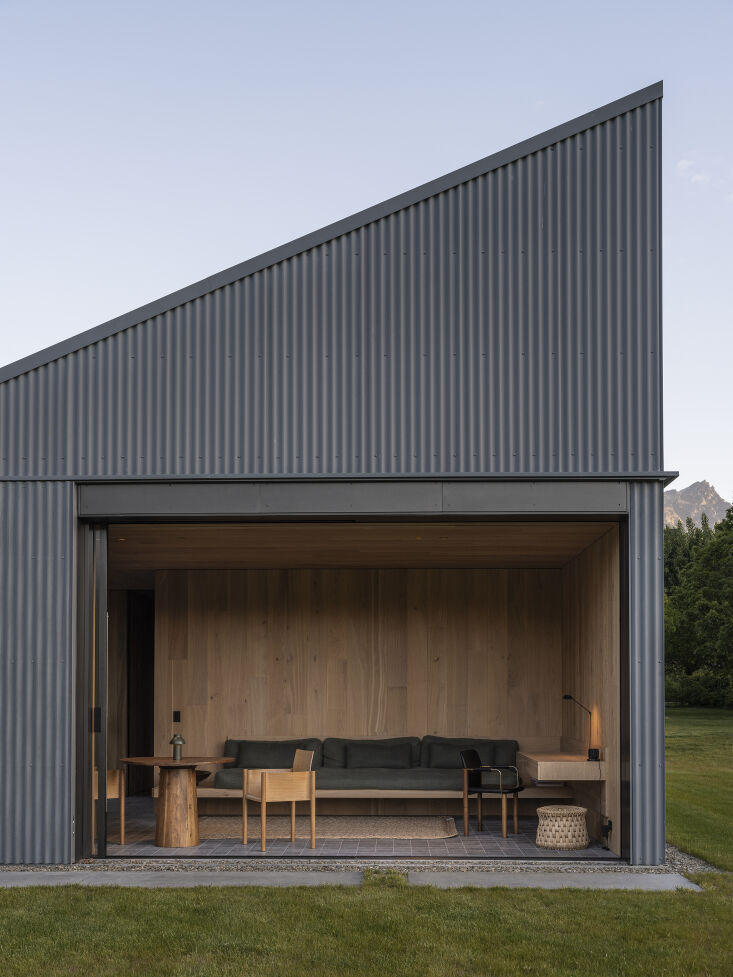
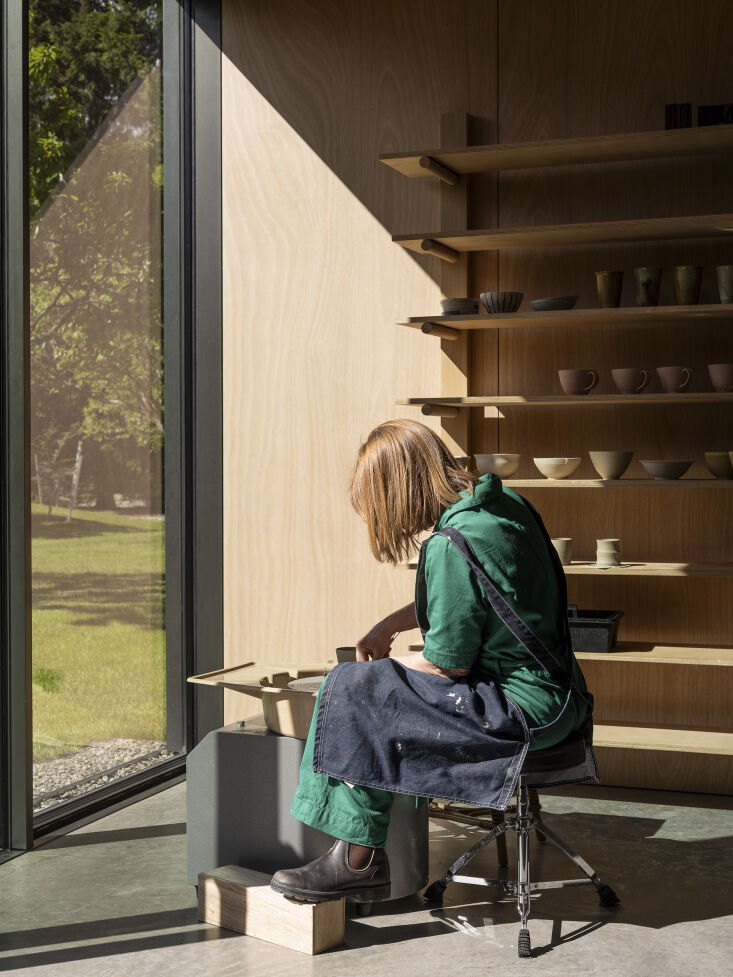
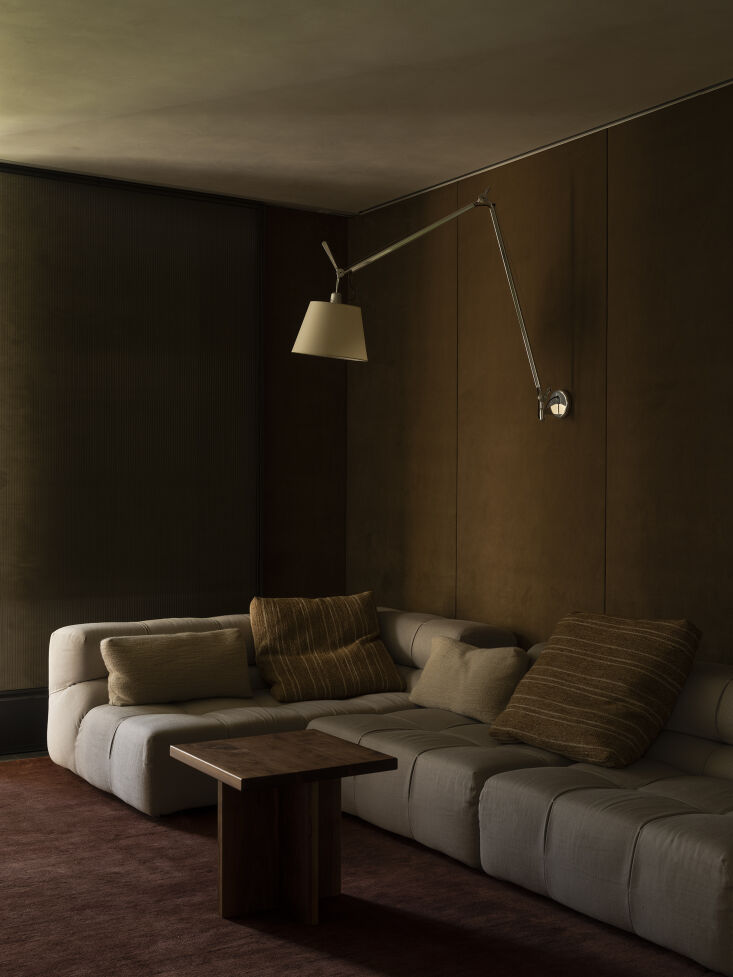
Specialized zones further enhance the flexible family compound design principles. For instance, the inclusion of a snug room provides a quiet sanctuary for reading or watching films away from the main kitchen and dining area. Perhaps the most unique feature is the ceramicist retreat. This pottery studio is located at one end of the compound, offering a creative workspace that also serves as a peaceful escape. Zoning shared living spaces and private retreats in this way allows the home to accommodate a density of people without ever feeling crowded.
Sensory Depth: Adaptive Interior Design by Katie Lockhart
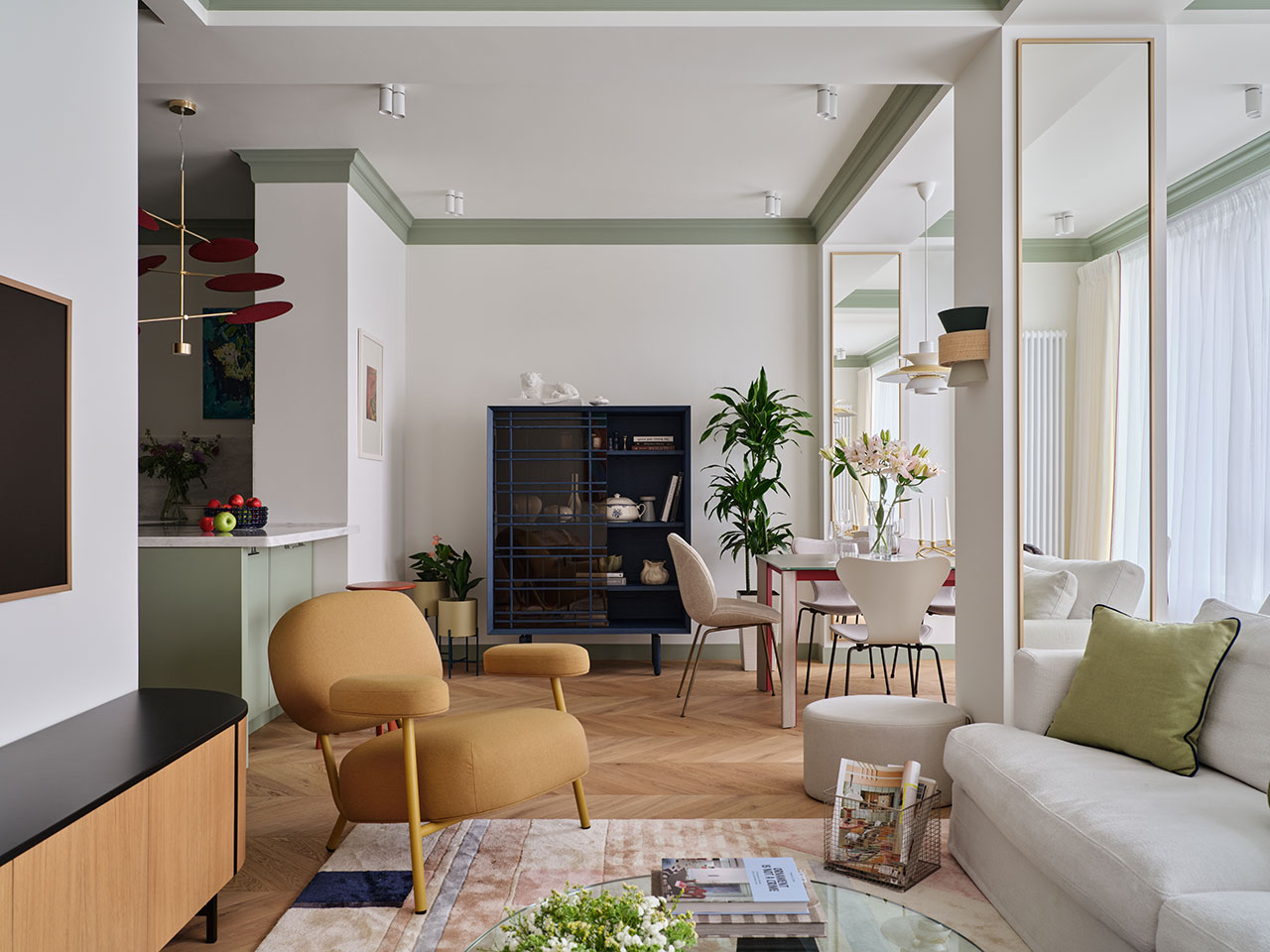
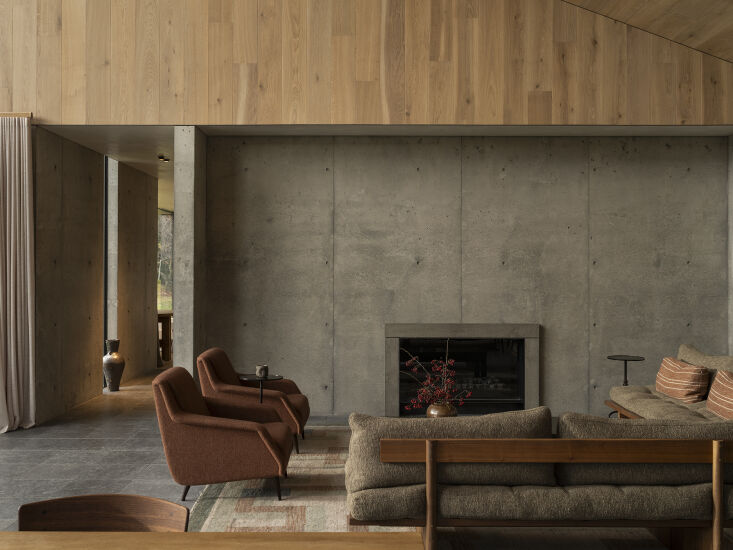
Inside Orchard House, the architectural rigor of Fearon Hay is softened by the interior direction of Katie Lockhart. Her work here is a preview of 2026 interior trends, which emphasize artisan craftsmanship and sensory materials. Adaptive interior design for multigenerational households requires a balance of hard, durable surfaces and soft, comforting textures to make large volumes feel like a home.
Lockhart’s palette is deeply connected to the Central Otago landscape. She utilizes limestone flooring and thermal mass concrete, which are then layered with warm oak joinery and rich textiles. The use of Loro Piana textiles in the private suites adds a layer of tactile luxury that invites relaxation. These sensory choices are not just about looks; they provide acoustic insulation, which is vital when multiple generations live under one roof.
The snug room, in particular, showcases how adaptive interior design for multigenerational households can create intimacy. With fabric-wrapped walls and deep, comfortable seating, it serves as an acoustic buffer. This allows one part of the family to enjoy a loud movie while another part of the house remains completely silent. The transition between the open, airy communal lounge and these cocoon-like private spaces is what makes the house truly livable.
Performance and Longevity: Future-Proofing the Home
A multi generational living project is, by definition, a long-term investment. To ensure Orchard House serves the family for decades, the design integrates passive house standards for multi generational homes. This includes high levels of insulation, airtight construction, and a sophisticated ventilation system that maintains a constant internal temperature.
The use of thermal mass is a key component of the home’s energy efficiency. The limestone floors and concrete walls absorb heat during the day and release it slowly at night, reducing the need for active heating. This is paired with external shading and perforated zinc panels that allow for natural ventilation while maintaining privacy. These features support aging-in-place by ensuring the home remains comfortable and low-maintenance as the residents grow older.
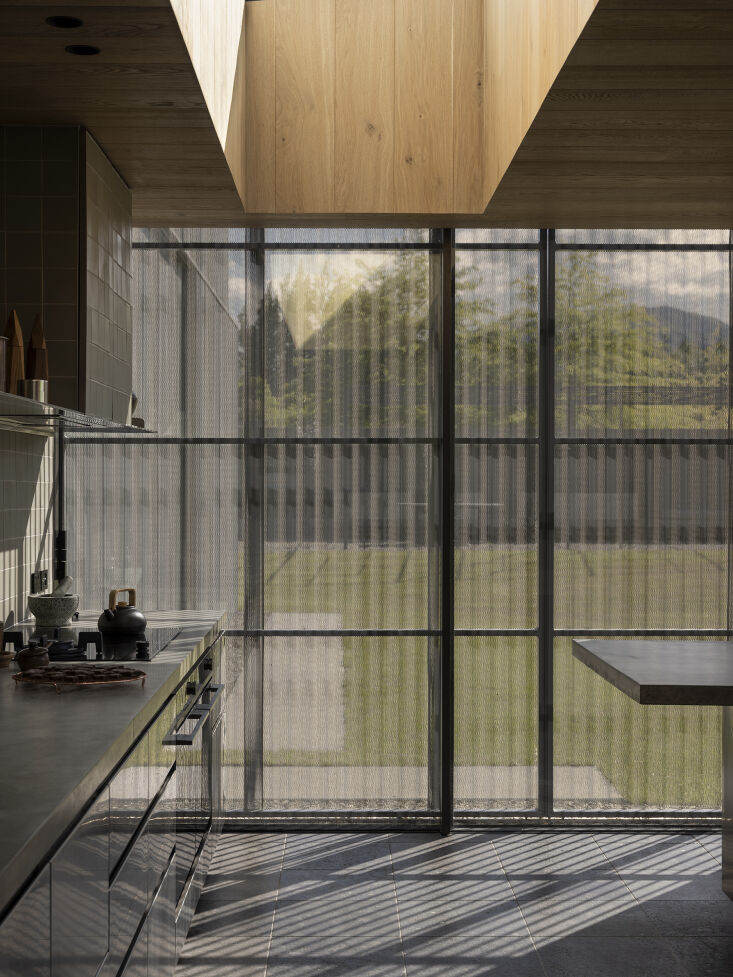
Durability is also addressed through the material selection. Zinc cladding and orbital brushed stainless steel are chosen for their ability to withstand the elements without requiring frequent repairs. By focusing on longevity and performance, the architects have created a residence that is not just a house, but a legacy. The flexible layout allows for the ceramicist retreat to become a guest wing, or the snug room to become a playroom, ensuring the building evolves alongside the family.
FAQ
What is considered a multi-generational home?
A multi-generational home is a single residential property designed to house two or more adult generations under one roof. This typically includes a combination of shared communal spaces, such as a main kitchen and living room, alongside private areas or self-contained suites that offer independence for aging parents, adult children, or extended family members.
Is it common for multiple generations to live together?
Yes, it is becoming increasingly common globally due to rising housing costs, the desire for closer family bonds, and the practicalities of childcare and eldercare. Modern architecture has adapted to this trend by creating flexible family compound design solutions that prioritize both connection and individual privacy, making the arrangement more sustainable for long-term living.
When did multi-generational homes stop?
The prevalence of multi-generational living declined significantly in Western societies after World War II. The shift toward the nuclear family model was driven by suburban expansion, increased mobility for work, and a cultural emphasis on individual independence. However, we are currently seeing a major resurgence as economic and social factors make the shared household model more attractive again.
Which state has the most multi-generational homes?
In the United States, Hawaii consistently has the highest percentage of multi-generational households, largely due to cultural traditions and high real estate costs. Other states with significant numbers include California, Texas, and Florida, where large immigrant populations and diverse family structures often favor living in a flexible family compound.