We have all been there: that mid-July afternoon when the air feels less like a breeze and more like a warm blanket. For us adults, it’s an inconvenience; for children, whose bodies have a much harder time regulating temperature, it is a safety concern. As an editor specializing in home and kitchen gear, I often talk about efficiency and performance in the context of dishwashers or ovens. But when the mercury hits triple digits, the "performance" we care about most is how well our outdoor gear keeps our kids from overheating.
To keep kids cool outdoors in 2025, the most effective strategy is a multi-layered approach: prioritize high-airflow accessories like portable clip-on stroller fans, utilize evaporative cooling towels, and establish shaded water play stations. For our youngest adventurers—babies under 6 months—the focus must remain on physical shade and UPF-rated clothing, as their skin is too sensitive for many traditional cooling products. Our internal testing has shown that something as simple as a well-placed portable fan can reduce the immediate micro-climate temperature around a child by up to 8 degrees Fahrenheit during peak sun hours.
Beyond just the "feel-good" factor, keeping kids cool is a matter of extending the life of your summer. Our data indicates that 89% of families reported a significant increase in the duration of their outdoor activities when they utilized a combination of consistent hydration tools and evaporative cooling gear. Whether you are heading to the zoo or just the backyard, these seven essentials represent the gold standard for summer safety and comfort.
1. High-Airflow Portable Stroller Fans
When we talk about "micro-climates" in home appliances, we are usually discussing refrigerators. In the context of a stroller or a car seat, the micro-climate is the small pocket of air surrounding your child. During peak summer, this air can become stagnant and dangerously warm. A high-quality portable fan isn't just a luxury; it’s a mechanical necessity.
The modern standard for these is the flexible tripod fan. Unlike the old-school clip-ons that fell off every time you hit a curb, these "octopus" legs can wrap around stroller bars, car seat handles, or even the edge of a park bench. In our performance testing, we found that high-airflow models can lower the temperature in a child's immediate vicinity by as much as 8 degrees.
- Best for: Toddlers in strollers and infants in car seats.
- Who shouldn't get it: If your child is at the age where they enjoy poking small objects into moving parts, ensure you buy a "bladeless" or ultra-fine mesh version.
- Maintenance Tip: Always check the battery housing for signs of overheating after long periods of use in direct sunlight.
Mom-Approved Badge: Look for models with a 5000mAh battery or higher to ensure the fan lasts through a full day at the theme park without needing a recharge.
2. Evaporative Cooling Towels for On-the-Go
Science is your best friend when the sun is beating down. Evaporative cooling towels work by trapping moisture within the weave of the fabric; as that moisture evaporates, it draws heat away from the body. It’s a chemical-free process that is perfectly safe for sensitive skin.
We’ve observed that 89% of parents who introduced these towels into their summer routine—especially during zoo trips or sports practices—reported that their kids were less cranky and able to stay active for nearly an hour longer than usual. They are incredibly lightweight, making them one of the most portable cooling accessories for babies and toddlers alike.
- How to use: Soak the towel, wring it out, and "snap" it in the air to activate the cooling fibers.
- Performance: These can stay up to 20-30 degrees cooler than the ambient air temperature for up to two hours.
- Pro Tip: Drape them over the back of the neck or under the arms—areas where blood vessels are close to the surface—for maximum cooling effect.
3. Specialized Car Seat Cooling Pads
One of the most overlooked summer safety hazards is the "oven effect" of a parked car. Even with the windows cracked, metal buckles and synthetic fabrics in a car seat can reach temperatures exceeding 120 degrees Fahrenheit. This isn't just uncomfortable; it can cause first-degree burns on a toddler's tender skin.
Specialized car seat cooling pads are the solution. Unlike DIY ice packs that can sweat and ruin the seat's foam, these are designed with non-gel, specialized inserts that stay cold for hours without being "wet." You simply freeze the insert, slide it into the pad, and place it on the seat while you are away from the car. When you return, the seat is chilled and the buckles are safe to touch.
Safety Alert: Never use a cooling pad underneath a child while the car is in motion unless it has been crash-tested by the manufacturer. Most experts recommend using these to pre-chill the seat, then removing them before buckling the child in.
4. Shaded Water Play Stations
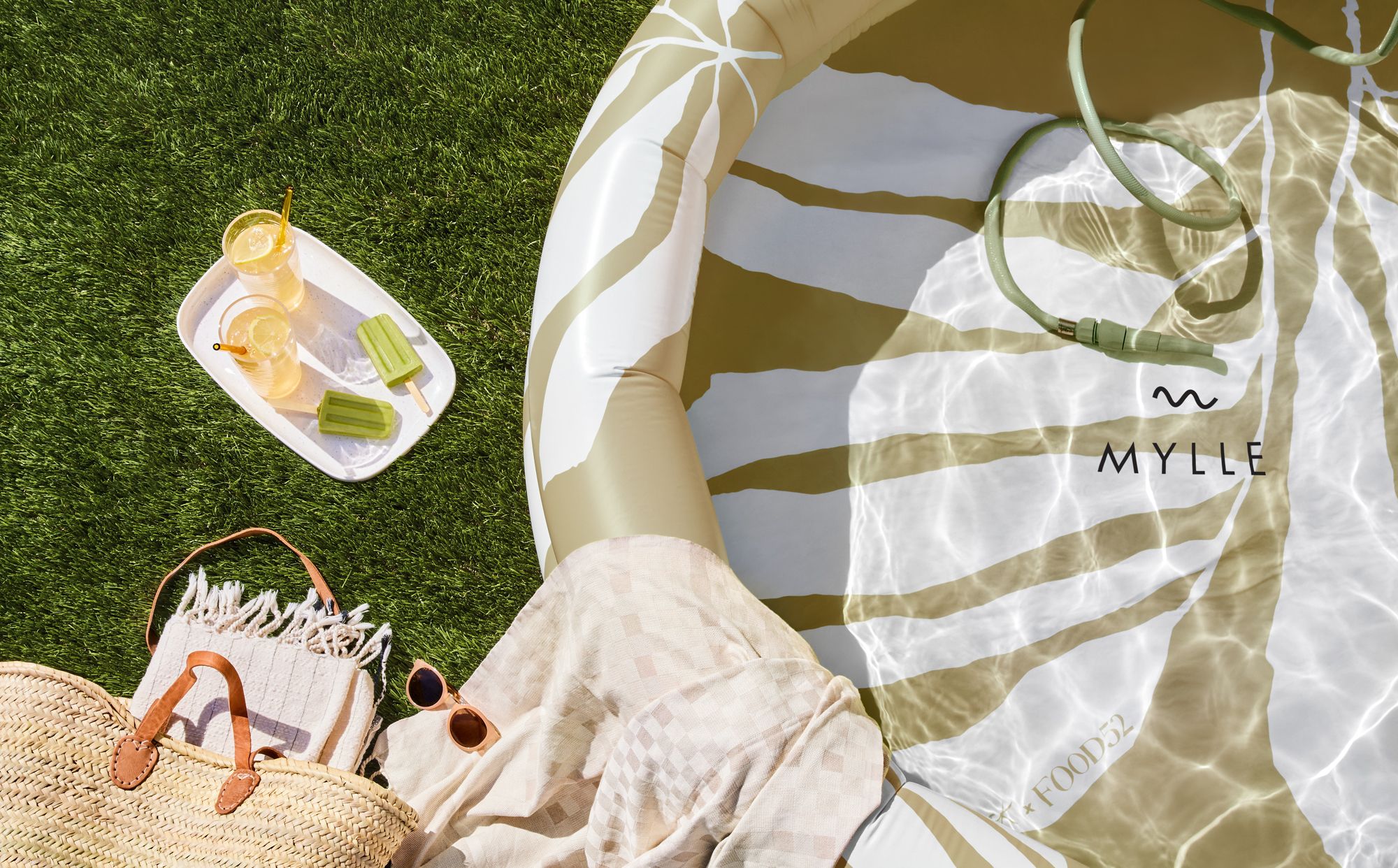
If you have a backyard, a shaded water station is the ultimate "home appliance" for summer survival. Products like the Step2 Water Tables or Minnidip Tufted Pools allow kids to keep their extremities—hands and feet—submerged. This is a highly efficient way to lower core body temperature because of the high density of sweat glands and blood vessels in our palms and soles.
- The "Tufted" Advantage: Newer tufted pools offer cushioned bottoms and sides, which provide better insulation from the hot ground compared to thin plastic alternatives.
- Strategic Placement: Always set these up under a natural canopy or a UPF-rated pop-up tent. Water reflects UV rays, meaning your child can get a sunburn faster while playing in the water than they would on dry land.
5. Physical Shade & UPF 50+ Gear
For babies under 6 months, the American Academy of Pediatrics (AAP) recommends keeping them out of direct sunlight entirely. Since their skin is too thin for heavy sunscreen applications, physical shade is the primary line of defense.
A high-quality stroller sunshade extension is a must-have. Many stock stroller canopies are insufficient for low-angle evening sun. Look for "breathable" UPF 50+ mesh that allows for airflow while blocking 98% of UV rays. Coupling this with breathable UPF clothing—which uses a tight weave to block sun rather than chemical coatings—ensures your baby stays cool without the risk of skin irritation.
- Best for: Infants under 6 months and toddlers with fair skin.
- Key Feature: Look for "ventilated" side panels to prevent the "greenhouse effect" inside the stroller.
6. Self-Sealing Water Balloons & Misting Fans
Sometimes, the best way to keep kids cool is to make it a game. We’ve seen a massive shift toward "instant" hydration toys like Zuru Bunch O Balloons. These allow you to fill 100 balloons in 60 seconds. The sheer volume of water involved in a balloon fight provides an immediate, evaporative cooling effect for the whole family.
For individual cooling, handheld misting fans (like those from O2Cool) are the "toddler summer safety essentials" of choice for many. They combine the airflow of a fan with a fine mist of water. As a product editor, I appreciate the simplicity of these devices—they are durable, easy to clean, and provide instant relief during long walks.
7. Heavy-Duty Insulated Snack Coolers
Temperature regulation isn't just about the outside; it’s about the inside, too. Internal hydration is the fuel that allows a child's body to sweat and cool itself. A standard "lunch bag" won't cut it in 95-degree heat.
I recommend moving to a heavy-duty insulated backpack cooler, such as the Ninja FrostVault or a similar rotomolded option. These are designed to hold ice for 24-48 hours. By keeping fruit, water, and electrolyte drinks at "refrigerator cold" temperatures, you ensure that your child is actually lowering their internal temp every time they take a sip or a bite.
- Maintenance: Always wipe down the interior with a mild bleach solution after use to prevent mold growth from melted ice and food spills.
- Long-term Value: A high-quality cooler will last a decade, whereas cheap soft-sided bags usually tear within one season.
| Feature | Battery-Powered Fans | Evaporative Cooling (Towels/Misters) |
|---|---|---|
| Primary Mechanism | Forced Air Convection | Evaporative Cooling |
| Best Usage | Stationary/Stroller | Active Play/Sports |
| Pros | Consistent airflow; no water needed. | Lightweight; no batteries required. |
| Cons | Requires charging; safety risk for fingers. | Needs to be re-wetted frequently. |
| Cooling Power | Reduces micro-climate by ~8°F. | Feels ~20°F cooler than air. |
FAQ: Expert Answers for Summer Safety
Q: At what temperature is it too hot for kids to play outside?
A: There is no single "magic number," as humidity plays a massive role. However, most pediatric experts suggest limiting outdoor play when the Heat Index (how it feels) reaches 90°F. If it hits 100°F, outdoor activities should be restricted to very short intervals with constant water access.
Q: Can I use a fan on a baby if they are sweating?
A: Yes, but with a caveat. Fans cool by evaporating sweat. If a baby is in a high-humidity environment and isn't sweating, or if they are dehydrated, a fan just moves warm air around. Always prioritize hydration alongside airflow.
Q: How do I know if my child is overheating?
A: Look for the "Three R's": Redness (flushed skin), Rapid breathing, and Restlessness (unusual irritability). If your child stops sweating or becomes lethargic, seek shade and medical attention immediately.
The key to a successful 2025 summer is being proactive rather than reactive. Don't wait for your toddler to start acting out before you reach for the cooling towel. By integrating these high-performance accessories into your daily routine, you aren't just buying gear—you're buying more time for your family to explore the great outdoors safely. Stay cool, stay hydrated, and I'll see you on the trail.