Designing a child’s room often feels like a high-stakes race against the clock. One moment you are curated a serene, cloud-like nursery for a newborn, and the next, you are scrambling to find a home for a sprawling mountain of plastic building blocks and school projects. In the past, we often viewed these spaces through a narrow lens: they were either overly utilitarian "storage lockers" or highly-themed "fantasy lands" that a child would outgrow within eighteen months.
As we look toward 2026, the philosophy of kids' room interior design has undergone a sophisticated evolution. We are no longer settling for the "sad baby beige" aesthetic, nor are we succumbing to cluttered chaos. The new standard is a curated balance where whimsy meets high-performance utility. To balance fun and function in a kid's room, designers now recommend multi-functional pieces like storage ottomans, trundle beds, and modular shelving that provide ample play space while maintaining a rigorous sense of organization. It’s about creating a "creative playground" that respects the architectural integrity of your home while fueling a child’s imagination.
1. The 2026 Color Palette: Moving Beyond 'Baby Beige'
For a few years, the design world was obsessed with "Scandi-neutral" nurseries—an endless sea of oatmeal, cream, and light oak. While visually calming, these spaces often lacked the developmental stimulation children crave. The 2026 trend forecast marks a vibrant departure. We are seeing a shift toward nature-inspired palettes that offer more personality without becoming overstimulating.
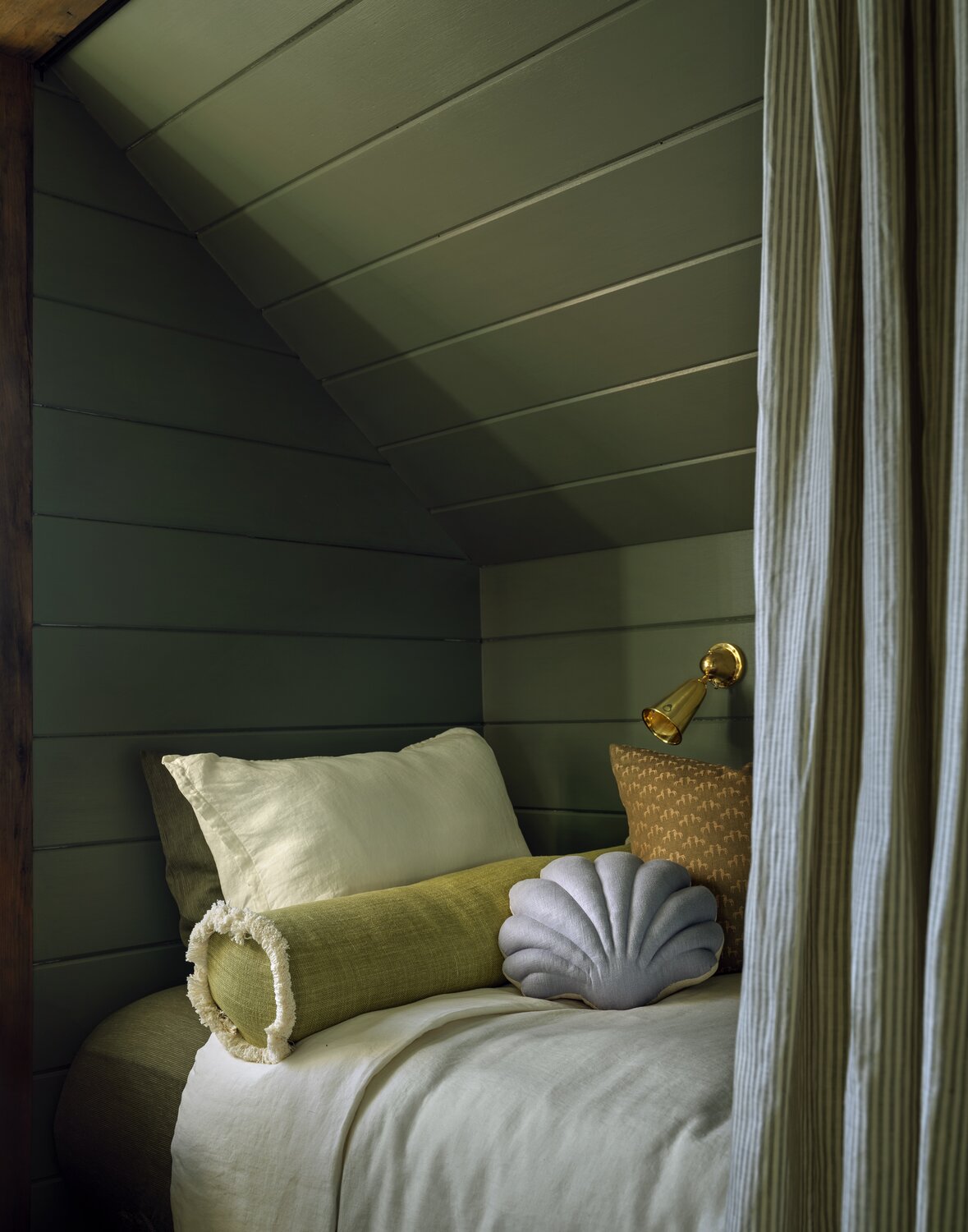
Popular kids' room color schemes for 2026 shift away from 'baby beige' toward nature-inspired palettes, specifically soft sage, sunny yellow, and faded lavender. These tones are being paired with rich, touchable textures like bouclé and rattan to maintain a sophisticated styling that feels grown-up enough for the rest of the house, yet soft enough for a toddler.
- Soft Sage: Acts as a new neutral. It’s grounding, gender-neutral, and pairs beautifully with natural wood tones.
- Sunny Yellow: Not the neon yellow of the past, but a buttery, golden hue that adds warmth to north-facing rooms.
- Faded Lavender: A dusty, sophisticated purple that feels more "wildflower garden" than "princess castle."
When applying these colors, I recommend the 60-30-10 rule. Use your nature-inspired tone for 60% of the space (walls or large rugs), a contrasting neutral for 30% (furniture), and save the "fun" pops for the final 10%—think whimsical wallpaper accents or themed lighting fixtures.
2. Designing for Longevity: The 'Evolutionary Layout'
One of the most frequent complaints I hear from parents is how quickly a room becomes "too babyish." The solution lies in what I call the Evolutionary Layout. This approach focuses on a high-quality, neutral foundation that serves as a canvas for changing interests.
A room grows with a child by utilizing an evolutionary layout: a neutral base of high-quality furniture combined with swappable whimsical accents, such as removable wallpaper and themed lighting, to suit changing ages. This isn't just a stylistic choice; it’s a financial one. Recent industry data shows that rooms designed with modular storage and neutral color palettes see a 60% increase in longevity, remaining relevant for an average of 4.5 years longer than strictly themed nurseries.
How to Implement an Evolutionary Layout:
- Invest in the "Big Three": The bed frame, the wardrobe, and the primary storage unit should be high-quality wood or metal in a classic finish.
- The 5-Year Rule: Ask yourself, "Will a ten-year-old find this embarrassing?" If the answer is yes, keep that element to a "swappable" item like bedding, posters, or a desk lamp.
- Adjustable Elements: Look for desks that can be raised in height and shelving units that can be reconfigured from toy bins to book displays.
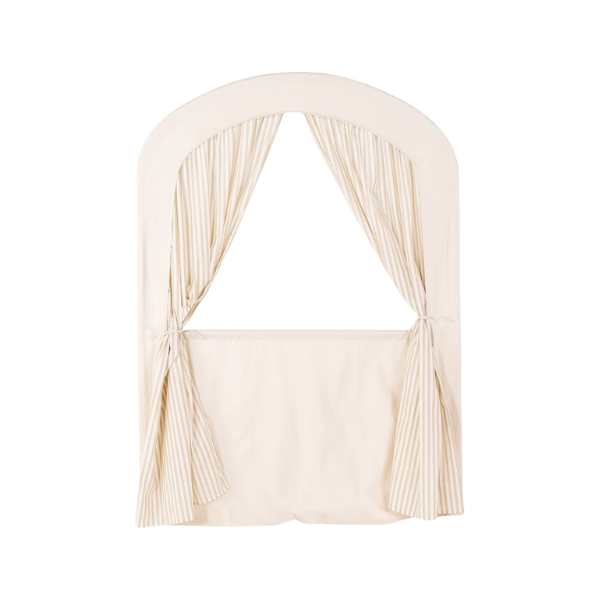
3. The Power of Multi-Functional Furniture
In modern urban living, square footage is often our greatest constraint. We are asking our children's rooms to be bedrooms, playrooms, and study halls all at once. This demand has led to a massive surge in the popularity of multi-functional children's furniture. Recent design surveys indicate that 72% of parents now prefer multi-functional furniture over traditional sets to maximize utility in smaller urban bedrooms.
When selecting furniture, think about the "hidden" potential of every piece. A bed should never just be a bed; it should be a storage vessel or a guest accommodations solution.
Furniture Comparison: Traditional vs. Modular 2026
| Feature | Traditional Furniture | Modular/Multi-Functional (2026 Trend) |
|---|---|---|
| Space Usage | Fixed footprint; often bulky. | Adaptable; uses vertical space and hidden cavities. |
| Lifespan | Age-specific (e.g., toddler bed). | Convertible (e.g., crib to full-size bed). |
| Storage | External bins or separate chests. | Integrated (drawers under beds, storage ottomans). |
| Flexibility | Difficult to move or reconfigure. | Lightweight, stackable, or on locking casters. |
Essential Pieces for 2026:
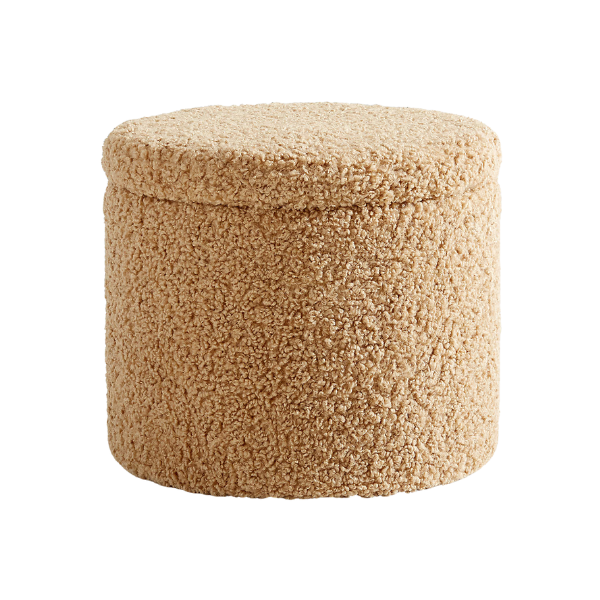
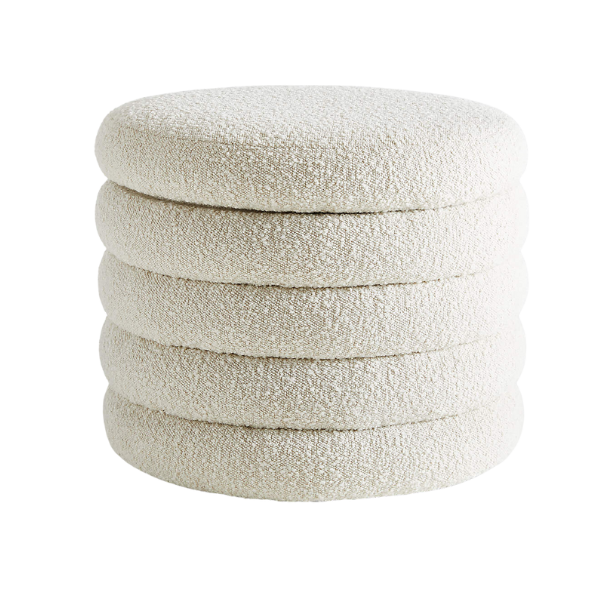
- The Storage Ottoman: Perfect for quick toy "sweeps" before bed, and serves as extra seating for storytime.
- Trundle Beds: Ideal for sleepovers without sacrificing floor space during the day.
- Modular Shelving: Wall-mounted units that can grow vertically as the child gets taller, keeping floor space open for play.

4. Creating Purposeful Zones: Study, Play, and Sleep
To truly balance fun and function, a room needs a logical flow. I recommend dividing the room into three distinct "zones." This helps children mentally transition between different activities, which can improve focus during study time and better sleep hygiene at night.
The Learning Corner
For 2026, the "study nook" is being reimagined with smart tech integration. This doesn't mean a room full of screens, but rather ergonomic task lighting and hidden cable management for tablets or laptops. Ensure the desk is positioned away from the bed to minimize the temptation to nap or play during homework time.
The Play Zone
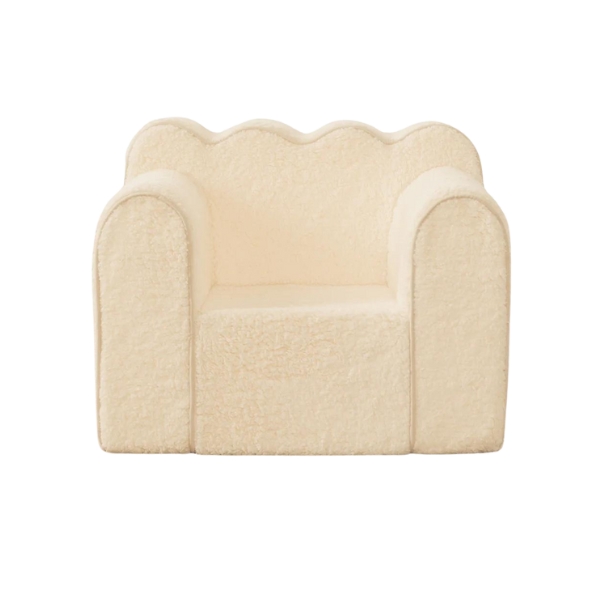
This is where the "fun" lives. Utilize "nontoxic" play couches—modular foam pieces that can be transformed into forts, slides, or reading nooks. I am also a huge proponent of activity walls. Magnetic boards or chalkboard sections allow for vertical play, which is excellent for motor skill development and keeps the floor clear.
The Sleep Sanctuary
The sleeping area should feel tactile and cozy. This is where those 2026 textures really shine. I love using bouclé pillows or organic wool throws to create a sense of security. Keep this area free of toys and bright lights to signal to the brain that it’s time to wind down.
5. Safety and Sustainability First
As an editor, I cannot emphasize enough that a beautiful room is a failure if it isn't safe or sustainable. Parents in 2026 are more conscious than ever about the materials entering their homes. We are seeing a move toward "slow design"—investing in fewer, better things that are ethically made.
- Non-Toxic Materials: Always look for CertiPUR-US® certified foam and OEKO-TEX® certified fabrics. These ensure that the textiles your child breathes near all night are free from harmful chemicals.
- Safe Innovations: Modern design has moved toward rounded furniture edges and "soft-close" hinges on all drawers and toy chests to prevent pinched fingers.
- Low-VOC Paints: When updating walls with that soft sage or faded lavender, ensure the paint is low-VOC (volatile organic compounds) to maintain high indoor air quality.
Ivy's Tip: When purchasing rugs, opt for natural fibers like wool or jute. They are naturally flame-retardant, incredibly durable, and don't off-gas synthetic chemicals like many cheaper polyester alternatives.
6. Conclusion: A Space That Grows with Them
Designing the perfect kid's room in 2026 is an exercise in intentionality. By choosing a sophisticated, nature-inspired palette and investing in multi-functional, modular furniture, you create a space that respects the child they are today and the person they will become tomorrow.
Remember, the most "functional" part of a room is the joy it brings. Don't be afraid to let your child have a say in the final 10% of the decor. Whether it's a gallery wall of their own artwork or a "secret" reading nook under a canopy, these personal touches turn a well-designed house into a cherished home.
FAQ
Q: How can I make a small bedroom feel larger for two children? A: Use vertical space! Bunk beds with integrated shelving or trundle beds are your best friends. Also, keep the color palette light and airy (like the soft sage or sunny yellow mentioned above) and use mirrors to bounce light around the room.
Q: Is bouclé fabric actually practical for a kid's room? A: Surprisingly, yes! High-quality performance bouclé is often made from easy-clean polyester blends that are incredibly durable. It hides small spills well due to its looped texture, though I would recommend darker tones or "faded" colors if you have very young children.
Q: How do I transition a nursery into a toddler room without a full renovation? A: Focus on the "Evolutionary Layout." Swap the crib for a toddler bed, update the wall decals or removable wallpaper, and reconfigure your modular storage to move toys within the child’s reach. A fresh coat of low-VOC paint in a 2026 nature-inspired hue can also completely change the vibe.