Quick Facts
- Lethal Temp: Root development stalls at 95°F, and cell death begins between 104°F and 110°F.
- The Heat Gap: Soil in black planters can be 10°F to 20°F hotter than in light-colored containers.
- Peak Radiation: On high-summer days, internal soil temperatures can reach 115°F to 140°F in dark pots.
- Shape Bonus: Square planters provide roughly 8% more soil volume, offering better thermal buffering.
- Depth Rule: Always use a soil thermometer to check temperatures at a 6-inch depth for accuracy.
- Mulch Depth: A layer of exactly 2.5 inches of organic mulch is optimal for suppressing evaporation.
- Shade Strategy: Using a 40-50% rated shade cloth can lower plant temperatures by approximately 10°F.
Yes, black planters can harm plants in summer because dark colors absorb significant solar radiation, raising internal soil temperatures to between 115°F and 140°F. This high thermal conductivity causes root desiccation and can stall growth even if the foliage appears healthy, as the root zone enters a state of extreme heat stress. While these containers are excellent for early-season soil warming, they require strategic cooling interventions during mid-summer peak radiation to prevent permanent damage to the root system.
Do Black Planters Harm Outdoor Plants in Summer?
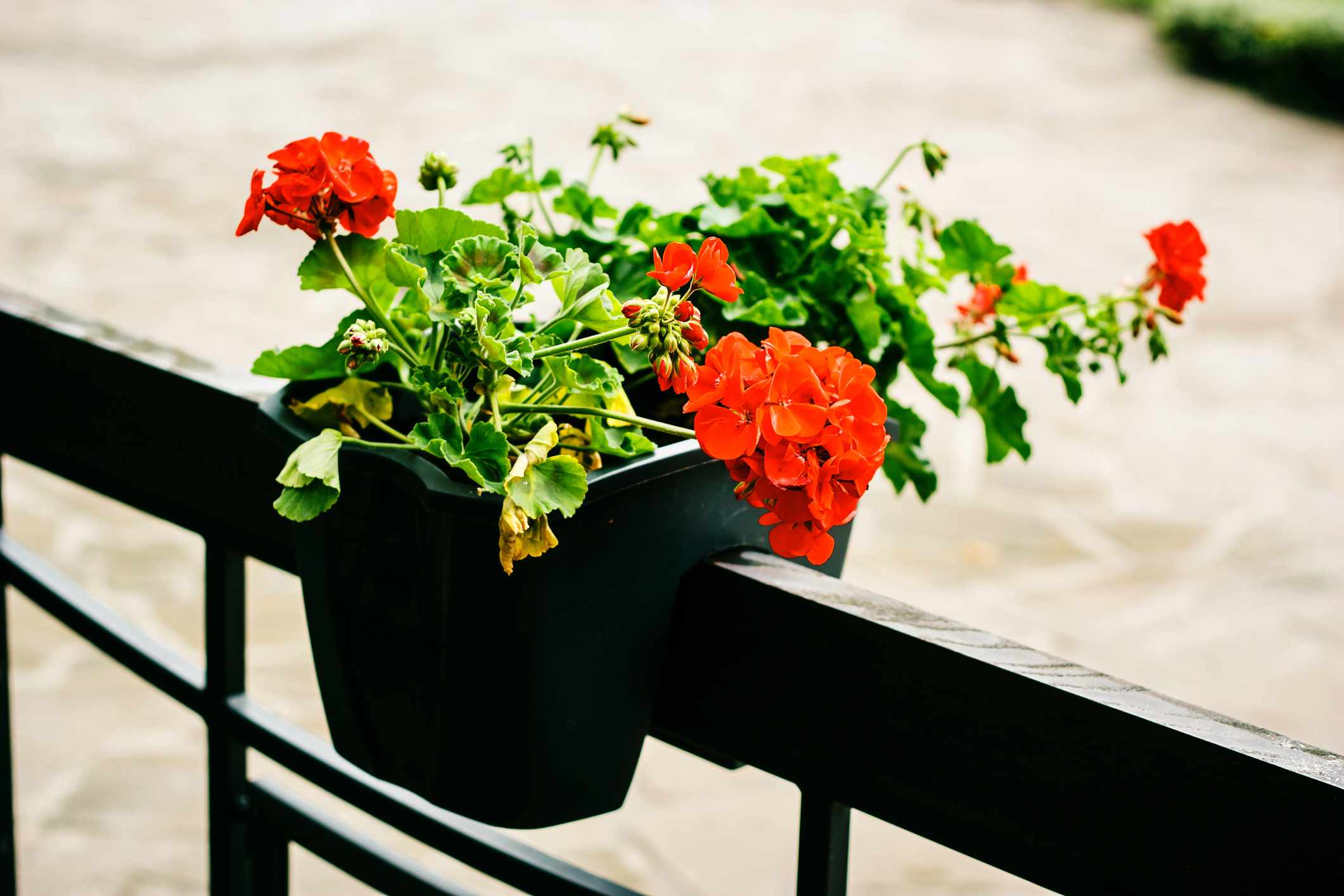
As an advocate for energy-efficient living, I often look at the garden through the lens of thermodynamics. Every object in your outdoor space is either reflecting or absorbing energy. Black planters are incredible collectors of solar energy. While this is a gift in the early spring, it becomes a liability when the July sun is beating down. Dark surfaces possess high solar absorptivity, meaning they take in the majority of the light spectrum and convert it into thermal energy. This heat then transfers directly into the growing medium via thermal conductivity.
For the modern gardener, black outdoor planters offer a sleek, contemporary aesthetic that makes green foliage and bright blooms pop. However, we must understand the trade-off. In full sun, a black plastic pot acts much like a dark car parked on asphalt. The energy trapped inside has nowhere to go but into the soil. Research shows that while the ambient air temperature might be a manageable 85°F, the soil within black plastic pots and soil temperature readings can climb well over 120°F. This creates a critical disconnect between the air the leaves breathe and the environment where the roots live.
It is important to note that the impact is not uniform. A large black planters setup has more thermal mass, which takes longer to heat up but also longer to cool down at night. Conversely, smaller black planters can reach lethal temperatures within just a few hours of direct exposure. For those living in high-heat zones, the priority shifts from aesthetic appeal to root preservation. Recognizing when your garden hitches a ride on this thermal roller coaster is the first step toward a sustainable summer garden.
The Science of the Root Zone: When Heat Becomes Lethal
To understand why excessive heat is so dangerous, we have to view the container as a Soil City. This city is a complex network of microscopic life, nutrient highways, and water reserves. When we place large black planters in full sun, we are essentially subjecting this city to a heatwave that the biology isn't designed to handle. Most terrestrial plants have evolved to keep their roots in the relatively cool, insulating depths of the earth. When we bring them above ground into a dark container, we strip away that natural protection.
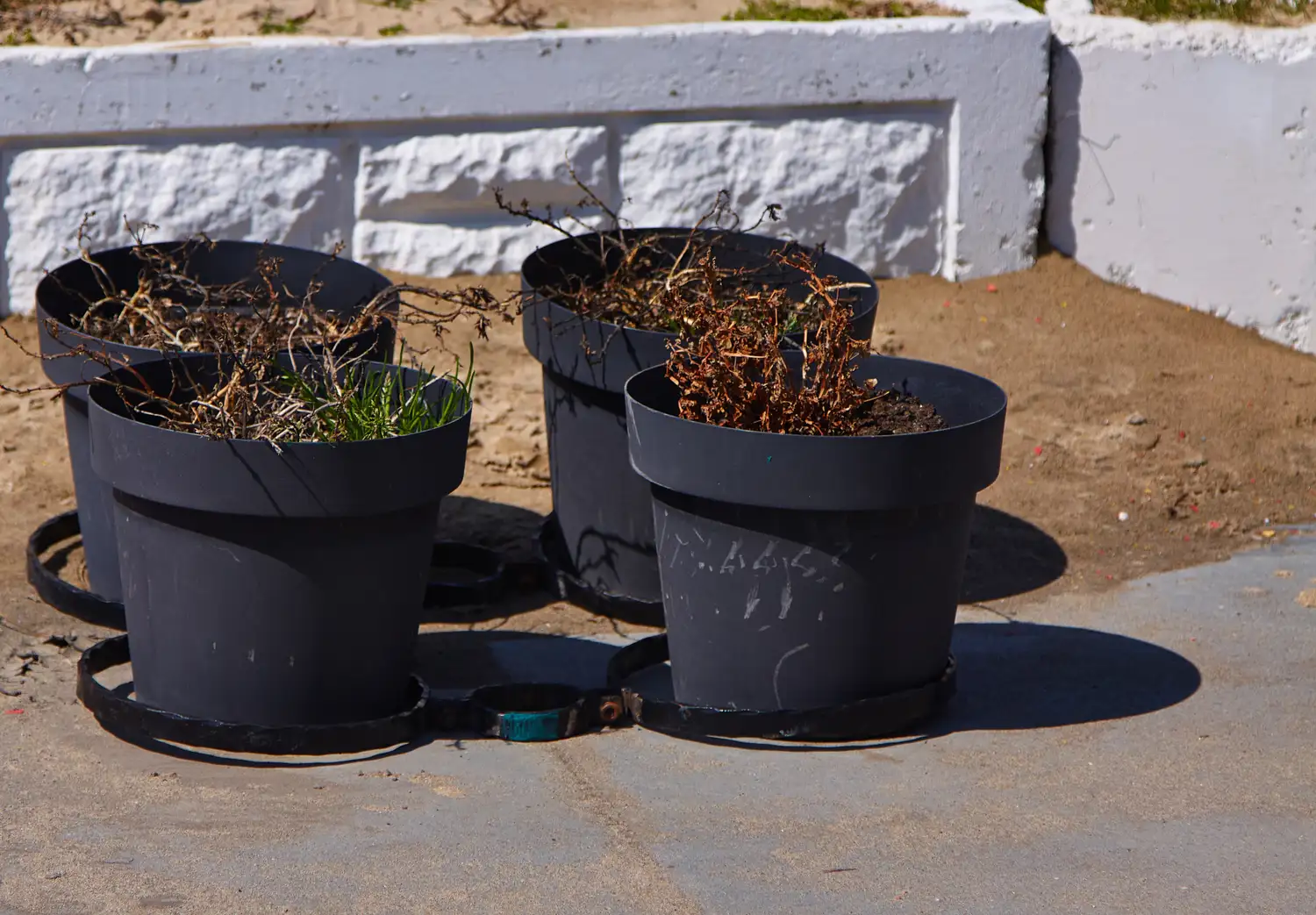
Biological activity in the root zone is highly temperature-dependent. Horticultural studies indicate that root growth slows significantly once soil temperatures exceed 95°F. At this stage, the plant shifts its energy from growth to survival. The real danger begins when we cross the 104°F threshold. At this temperature, the delicate proteins within root cells begin to denature. In controlled studies, it was found that root density on the sun-facing side of black containers was reduced by 63% to 71% compared to white or light-colored alternatives.
This localized root death leads to root desiccation. Even if you are watering your outdoor black planters regularly, the damaged roots cannot effectively uptake moisture. This is why you might see a plant wilting in a pot that is clearly wet; the plumbing system (the roots) has been compromised by the heat. Furthermore, high temperatures increase the rate at which organic matter breaks down and fertilizers release. If you use synthetic controlled-release fertilizers, the extreme heat inside black outdoor planters can cause a massive "dump" of nutrients all at once, leading to salt burn and further root damage.
Choosing the Right Setup: Materials, Shapes, and Colors
When selecting your garden aesthetic, material choice is just as important as color. Not all black planters are created equal. A thin, black plastic pot has almost zero insulating value, allowing heat to pass directly into the soil. However, if you opt for a resin-based material, you are choosing a better thermal barrier. Resin planters are often double-walled or have a thicker construction that incorporates air pockets, which act as insulation, slowing the transfer of heat from the outer surface to the inner soil core.
The physics of shape also plays a role in keeping plant roots cool in black pots. Consider the 8% Volume Rule: square tall black planters generally hold about 8% more soil volume than round planters of the same height and width. This extra soil acts as a thermal buffer. The more mass you have, the longer it takes for the core temperature to rise. Tall black planters also allow the roots to grow deeper, away from the intense heat concentrating at the surface of the container.
Another sustainable solution is the use of self-watering black planters. these systems feature a water reservoir at the base. As the sun heats the pot, the water in the reservoir evaporates slightly, moving upward through the soil. This process provides a natural form of evaporative cooling, which can keep the internal temperature several degrees lower than a standard pot. If you are committed to the dark aesthetic, choosing a high-quality resin-based material or a ceramic option can provide a much safer mid-summer microclimate than cheap plastic.
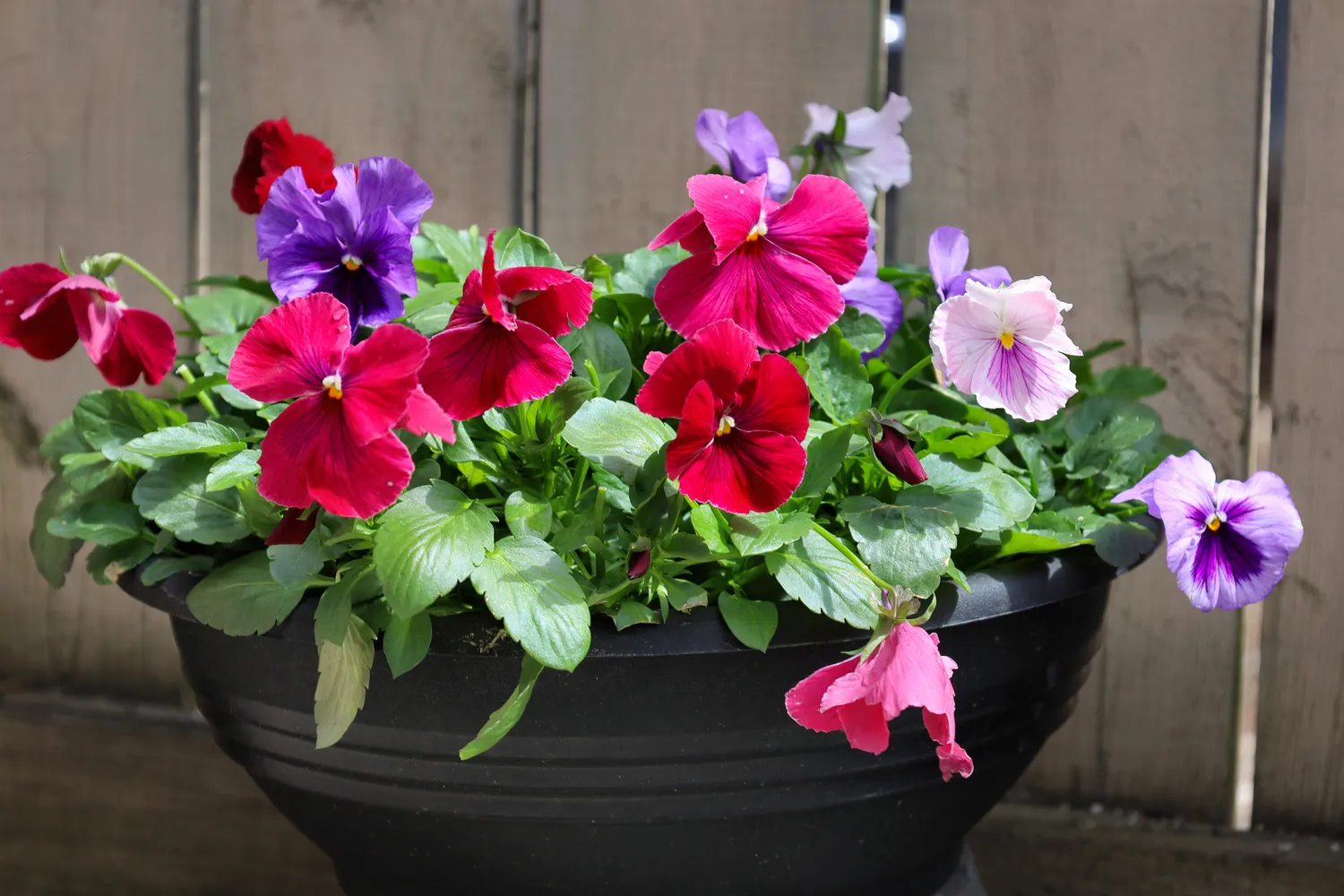
5 Professional Hacks for Keeping Plant Roots Cool in Black Pots
If you already own black planters and want to protect your investment—and your plants—you don't need to throw them away. There are several professional-grade hacks to mitigate heat stress.
- The Double-Potting (Pot-in-Pot) Method: This is the gold standard for heat protection. Take your plant in its standard nursery pot and nest it inside the larger black planter. Fill the gap between the two pots with white perlite, light-colored pebbles, or even crumpled newspaper. This created air gap serves as a powerful thermal break, preventing the outer black surface from cooking the inner root ball.
- The 2.5-Inch Mulch Rule: Moisture retention is your best friend in a heatwave. Apply exactly 2.5 inches of organic mulch, such as cedar chips or straw, to the soil surface. This layer reflects a portion of the solar energy and keeps the top layer of soil from crusting over and overheating.
- Strategic Placement for Afternoon Shade: The most intense thermal conductivity happens between 1:00 PM and 5:00 PM. Position your black outdoor planters so they receive plenty of morning sun but are shielded by a wall, a larger plant, or a patio umbrella during the heat of the afternoon.
- Utilize 40-50% Shade Cloth: For gardens on exposed balconies or rooftops where shade is unavailable, a professional shade cloth is a sustainable and effective tool. These fabrics are designed to block a specific percentage of UV rays, significantly reducing the radiation hitting your black plastic pots and soil temperature.
- Screening the Sun-Facing Side: If you have a row of large black planters in full sun, you don't necessarily need to move them. Simply placing a light-colored board or a small "skirt" of reflective material on the side facing the sun can drop the internal soil temperature by 10 to 15 degrees.
These methods allow you to keep the sophisticated look of black vs white pots for container gardening without sacrificing the health of your heat-sensitive species like fuchsia or leafy greens.
Summer Safety: The 'Heat Wave Forbidden' List
When the mercury rises, our instinct is to "help" the plant, but some common gardening tasks can actually do more harm than good when plants are in dark containers. Adhering to this forbidden list will help your garden survive the peak of summer.
- No Pruning: It might be tempting to cut back a plant that looks stressed. However, every leaf you remove represents a loss of shade for the plant's own stems and the soil below. Furthermore, pruning triggers a metabolic growth response that requires energy the plant simply doesn't have when dealing with heat stress.
- No Fertilizing: High heat increases the metabolic rate of the soil, often causing fertilizers to break down prematurely. Fertilizing during a heatwave can lead to toxic levels of nutrient uptake, resulting in foliage and root burn. Wait until the weather cools to resume your feeding schedule.
- No Mid-Day Surface Watering: While it seems helpful, watering the surface of the soil during the hottest part of the day can be counterproductive. The water can heat up rapidly, and if it doesn't reach the core, it just evaporates, potentially creating a humid, fungal-friendly environment at the base of the plant. Instead, aim for a deep morning soak that reaches the 6-inch depth mark.
By avoiding these stressors, you allow the plant to focus all its resources on maintaining its internal water balance. Remember, the goal in mid-summer isn't necessarily growth—it's survival.
FAQ
Do black planters get too hot for plants in the summer?
Yes, they can reach temperatures of 115°F to 140°F in direct sun, which is high enough to damage or kill root cells. While heat-loving crops like peppers might tolerate it for a while, most ornamental plants will suffer from root desiccation and stalled growth without cooling interventions.
Do black planters fade in direct sunlight?
This depends largely on the material. Low-quality black plastic pots will often fade to a dull grey and become brittle over time due to UV exposure. High-quality resin-based material and ceramic planters are usually treated with UV inhibitors to maintain their deep black pigment for many seasons.
How do black planters affect soil temperature?
Black containers act as thermal collectors, absorbing solar radiation and transferring it into the soil through thermal conductivity. This can make the internal soil temperature 10°F to 20°F warmer than the surrounding air or soil in light-colored containers, which can be beneficial in spring but dangerous in the summer.
What color flowers contrast best with black planters?
The dark surface of black planters creates a striking backdrop for high-contrast palettes. Bright chartreuse foliage, hot pink petunias, or crisp white begonias look exceptionally vibrant against a black finish. The dark color acts as a visual anchor, making the colors of the flowers appear more saturated.