Quick Facts
- Market Trend: Green (6%) has officially surpassed gray (5%) as the top non-neutral cabinetry choice for 2026.
- Well-being: 63% of homeowners now prioritize tranquility over traditional layouts.
- Performance: Optimizing natural light has been proven to reduce a household's electricity usage by approximately 10%.
- Top Pairing: Sage + White Oak + Brushed Brass.
- Paint Codes: Look for mossier shades like SW 6150 Universal Khaki or Behr Hidden Gem.
- Emotional Impact: Residential environments with windows covering at least 40% of the wall area trigger the greatest sense of emotional well-being.
To style a sage green kitchen effectively, focus on biophilic design principles by pairing olive-toned cabinets with natural textiles and organic textures. Incorporating warm wood finishes, such as light oak or walnut, alongside brushed brass hardware creates a restorative and grounded atmosphere. Modern families in 2026 find that maximizing natural light is essential for a vibrant sage green kitchen, as daylight highlights the complex earthy undertones of the color, ensuring the space remains an inviting living gallery.
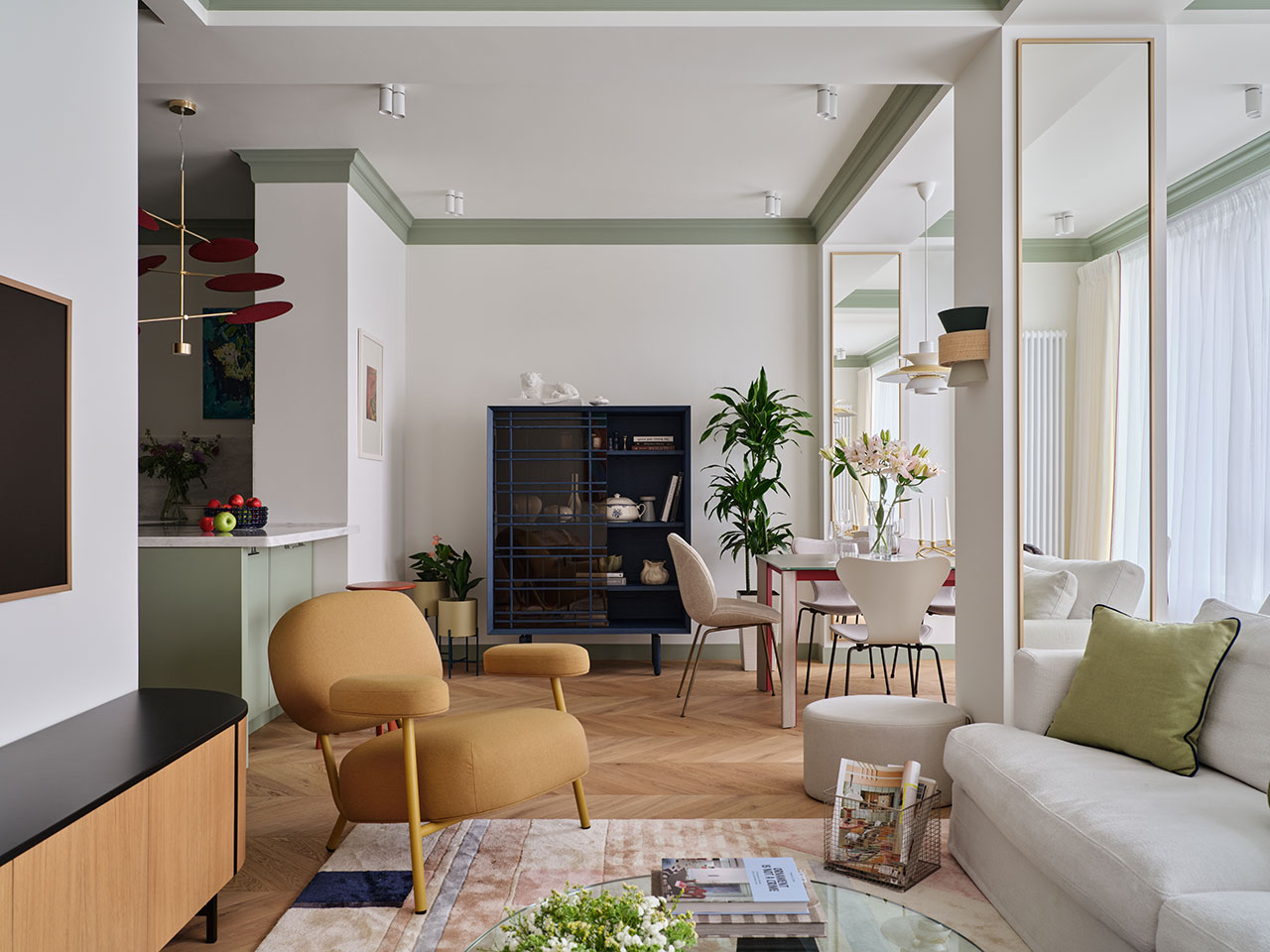
Designing a kitchen for a modern family is much like composing a symphony. You need a baseline that feels grounded, a melody that provides energy, and a rhythm that carries the family through the predictable chaos of daily life. For years, we relied on clinical grays to provide that foundation, but the design world is undergoing a significant shift. We are moving away from the "sterile laboratory" look toward a more soulful, restorative approach.
The sage green kitchen has emerged as the definitive answer for those seeking a balance between sophistication and high-traffic durability. It is a color that breathes. Unlike the static nature of gray or the starkness of bright white, sage green reacts to its environment. It changes with the passing of the sun, shifting from a soft, mossy velvet in the morning to a deep, sophisticated olive as the evening shadows grow long. By understanding how to manipulate light and material, you can transform this hue into a vibrant family interior that feels less like a workspace and more like a sanctuary.
Mastering the Kelvin Matrix: How Sunlight Transforms Sage
The secret to why some sage green kitchen ideas look breathtaking on social media but muddy in real life often comes down to one technical factor: the Kelvin Matrix. Color is not a fixed property; it is a manifestation of light. Because sage green contains both warm yellow and cool blue undertones, it is exceptionally sensitive to lighting temperatures.
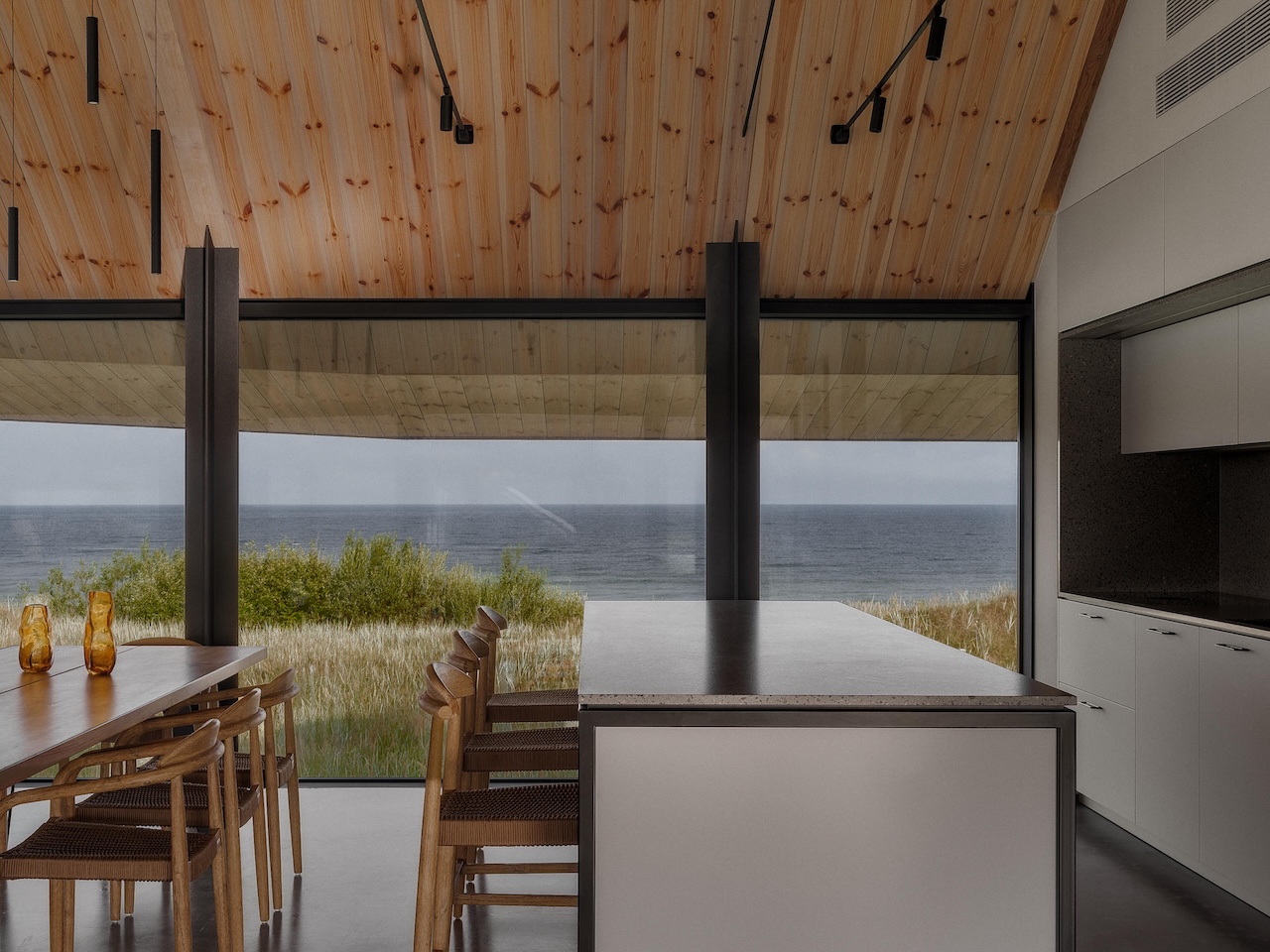
To ensure your vibrant family kitchen ideas with sage green feel alive, you must prioritize maximizing natural light. Current residential research indicates that environments where windows cover at least 40% of the wall area trigger the greatest sense of emotional well-being. This isn't just about aesthetics; it is about the biological impact of the sun on our circadian rhythms. When sage green is bathed in natural light, the green particles are amplified, making the room feel larger and more connected to the outdoors—a core tenet of biophilic design.
However, once the sun sets, your artificial light must take over the baton. We recommend a "neutral lighting" strategy. If your bulbs are too warm (below 2700K), your sage green kitchen cabinets might begin to look slightly yellow or swampy. If the bulbs are too cool (above 5000K), the cabinets can look like a clinical gray-blue. The sweet spot for 2026 is maintaining a balance between 3500K and 4000K. This range preserves the restorative neutrals within the pigment, ensuring your green tones remain crisp and fresh during family dinner hours.
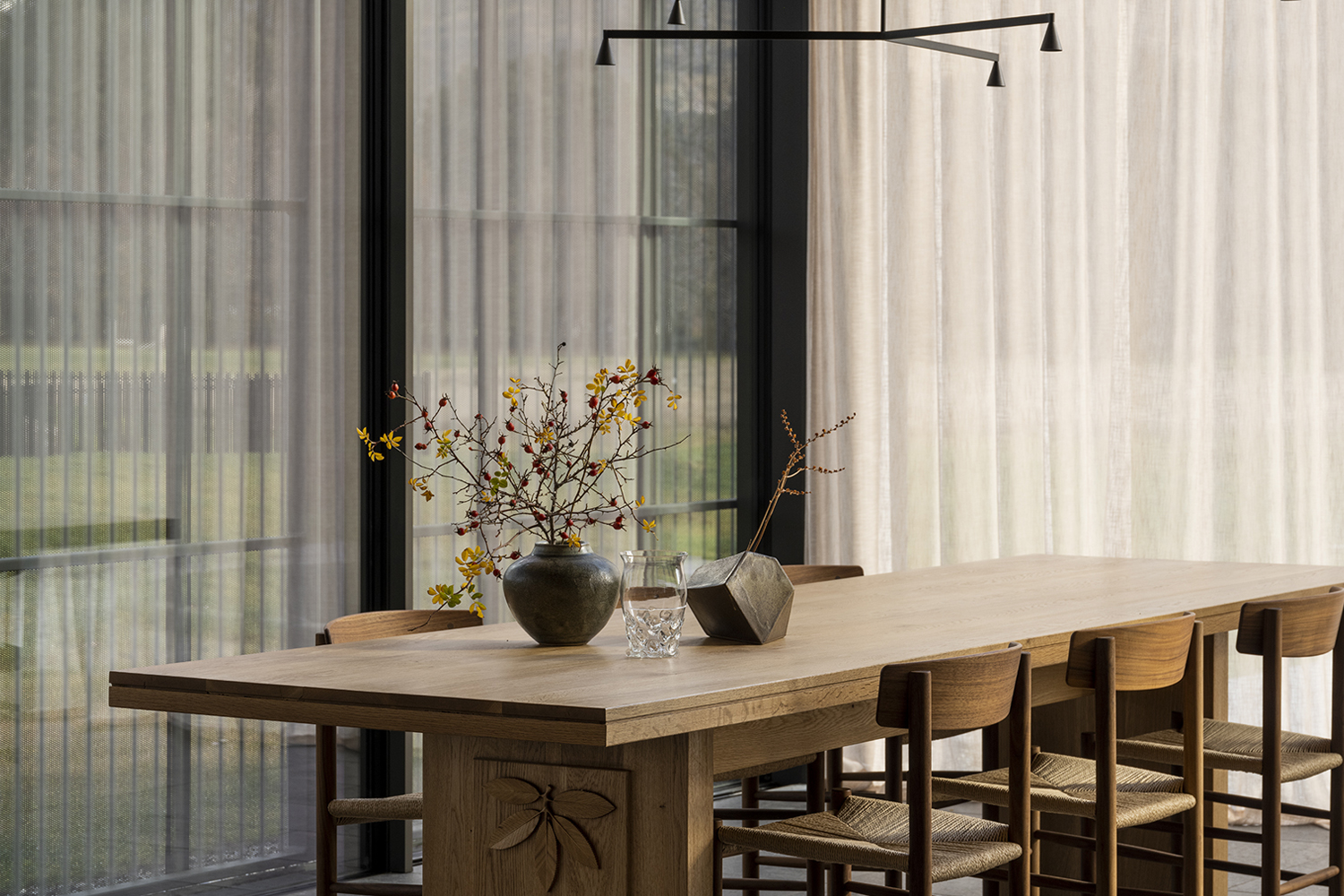
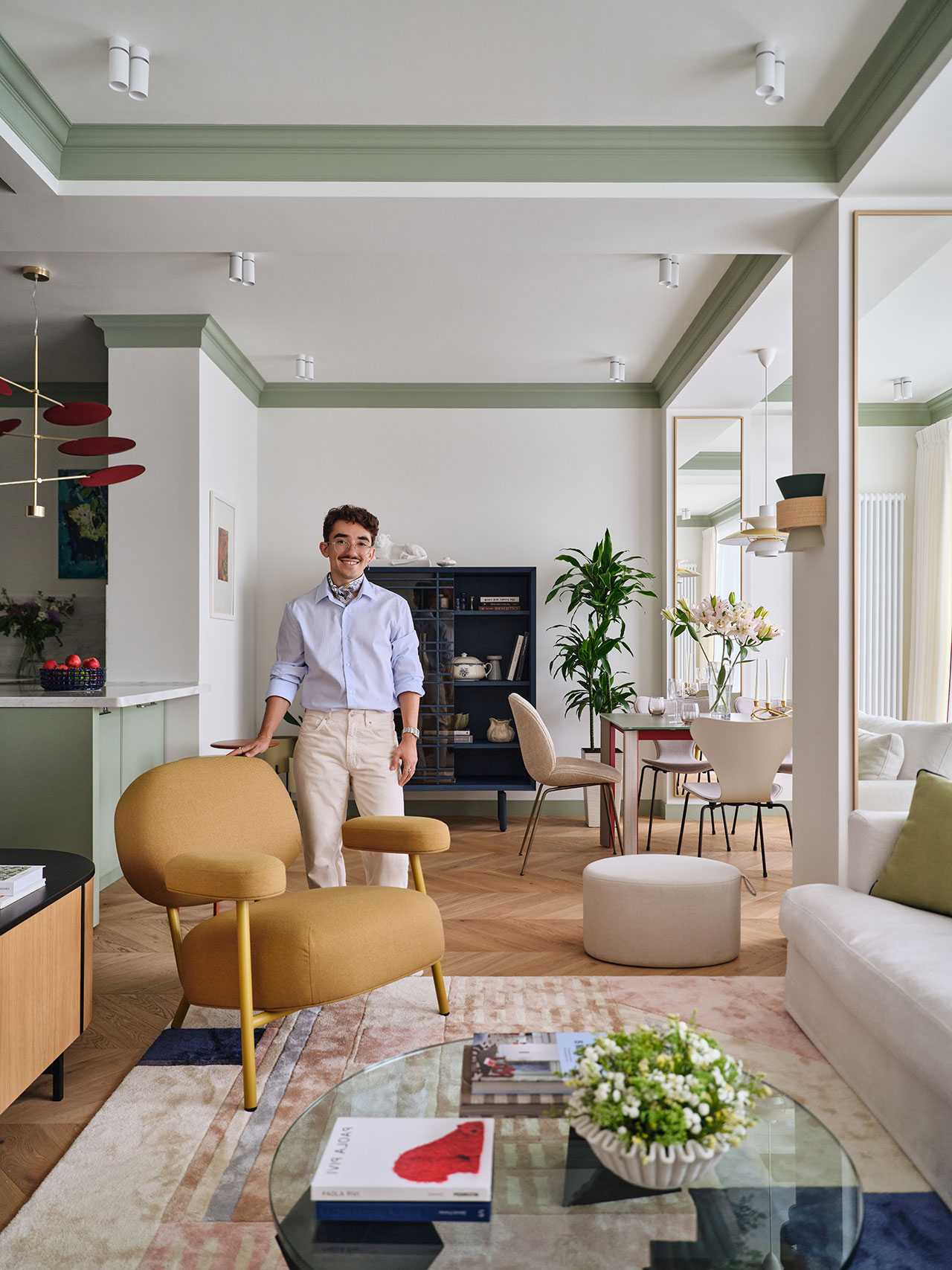
Strategic placement of large windows, sheer curtains, and even mirrored surfaces can help bounce sunlight across the space. If your kitchen lacks expansive windows, consider color-drenching techniques where you extend the sage shade to walls and trim. This reduces visual contrast and allows the eye to perceive the space as more continuous and light-filled, even in smaller square footage.
Material Synergy: Pairing Sage with Wood and Metals
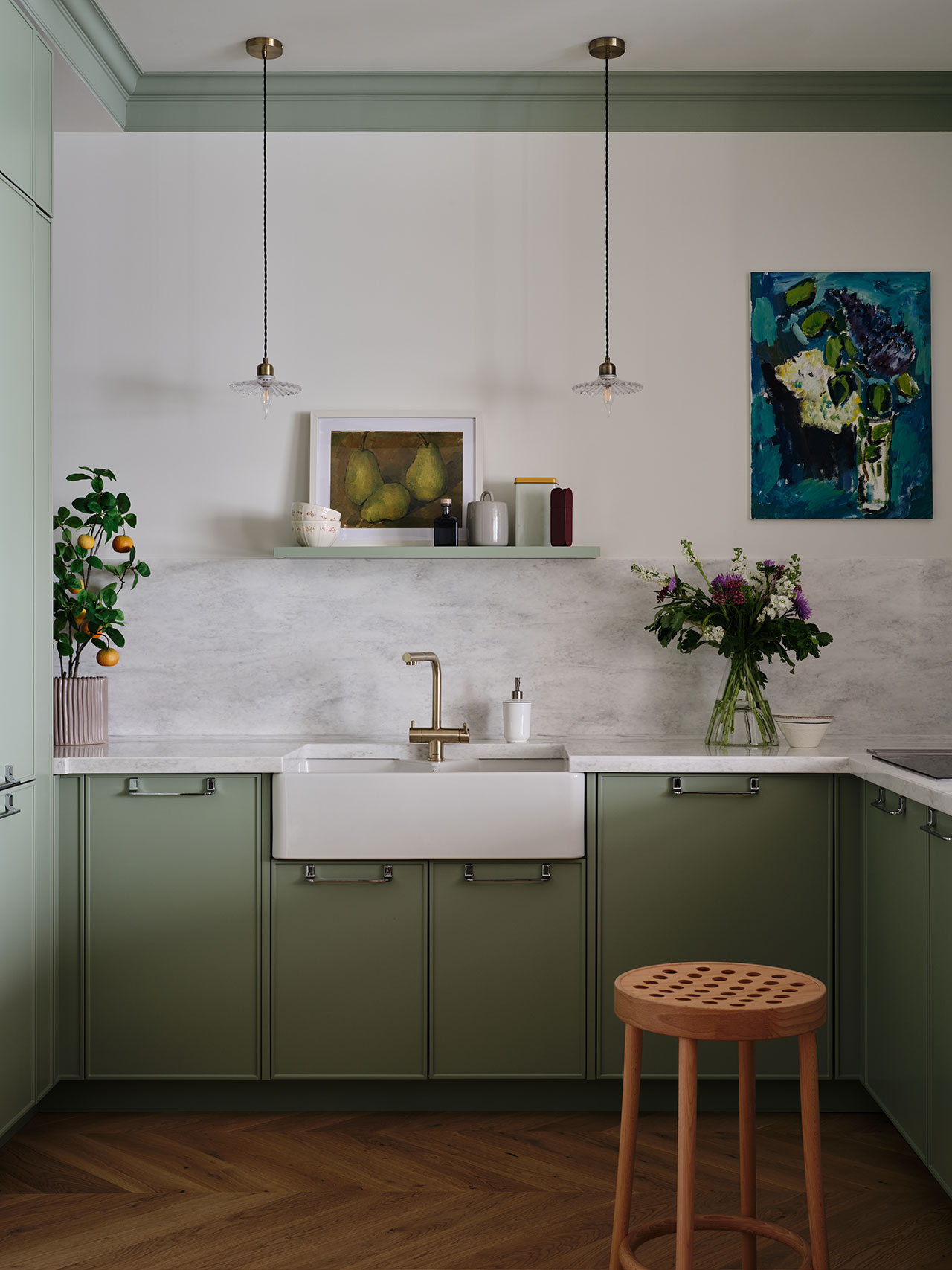
A kitchen is not made of color alone; it is a tactile environment defined by texture and material. To prevent sage green from feeling too "country cottage" and move it toward a more modern Scandinavian influence, you must curate your material pairings with precision.
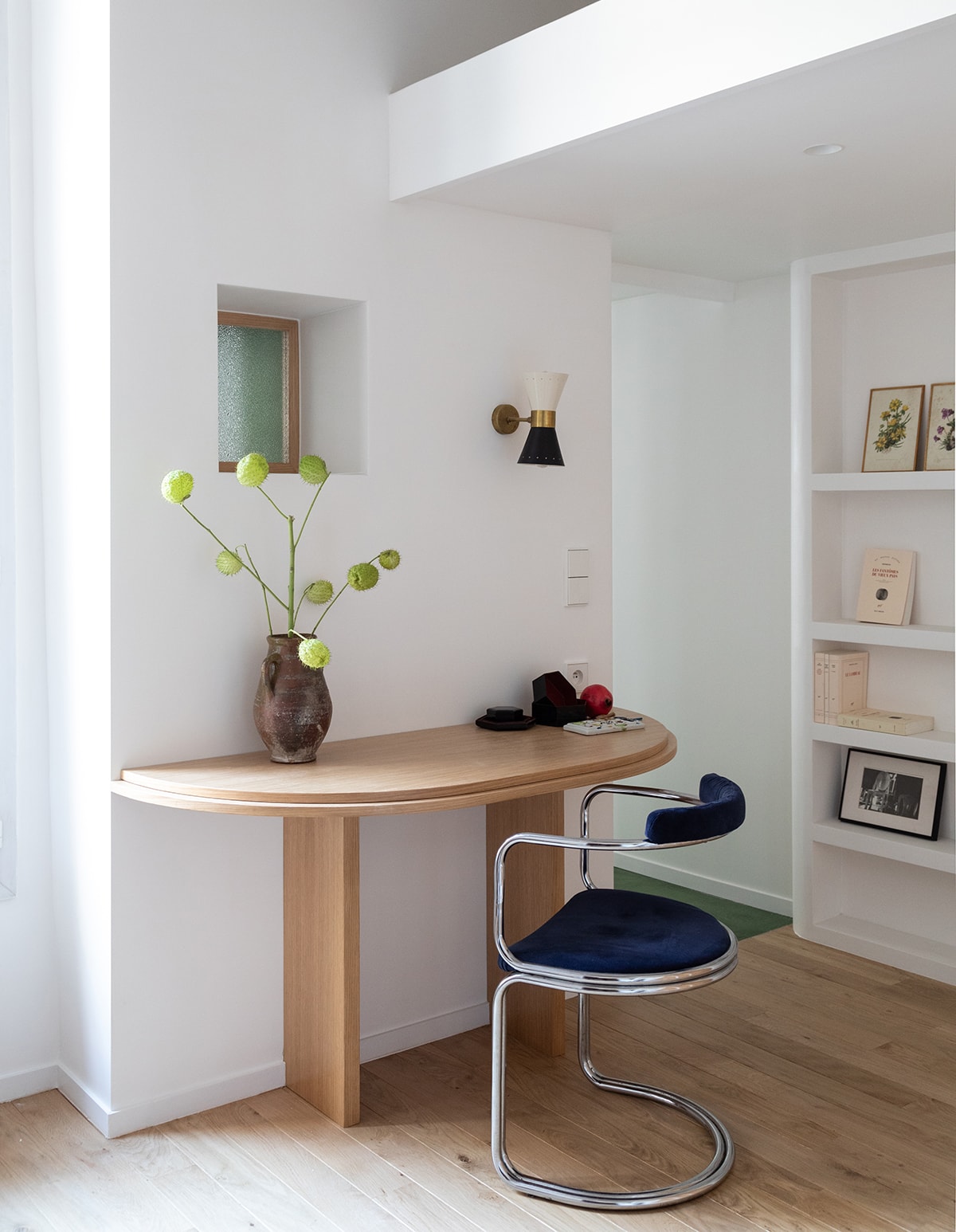
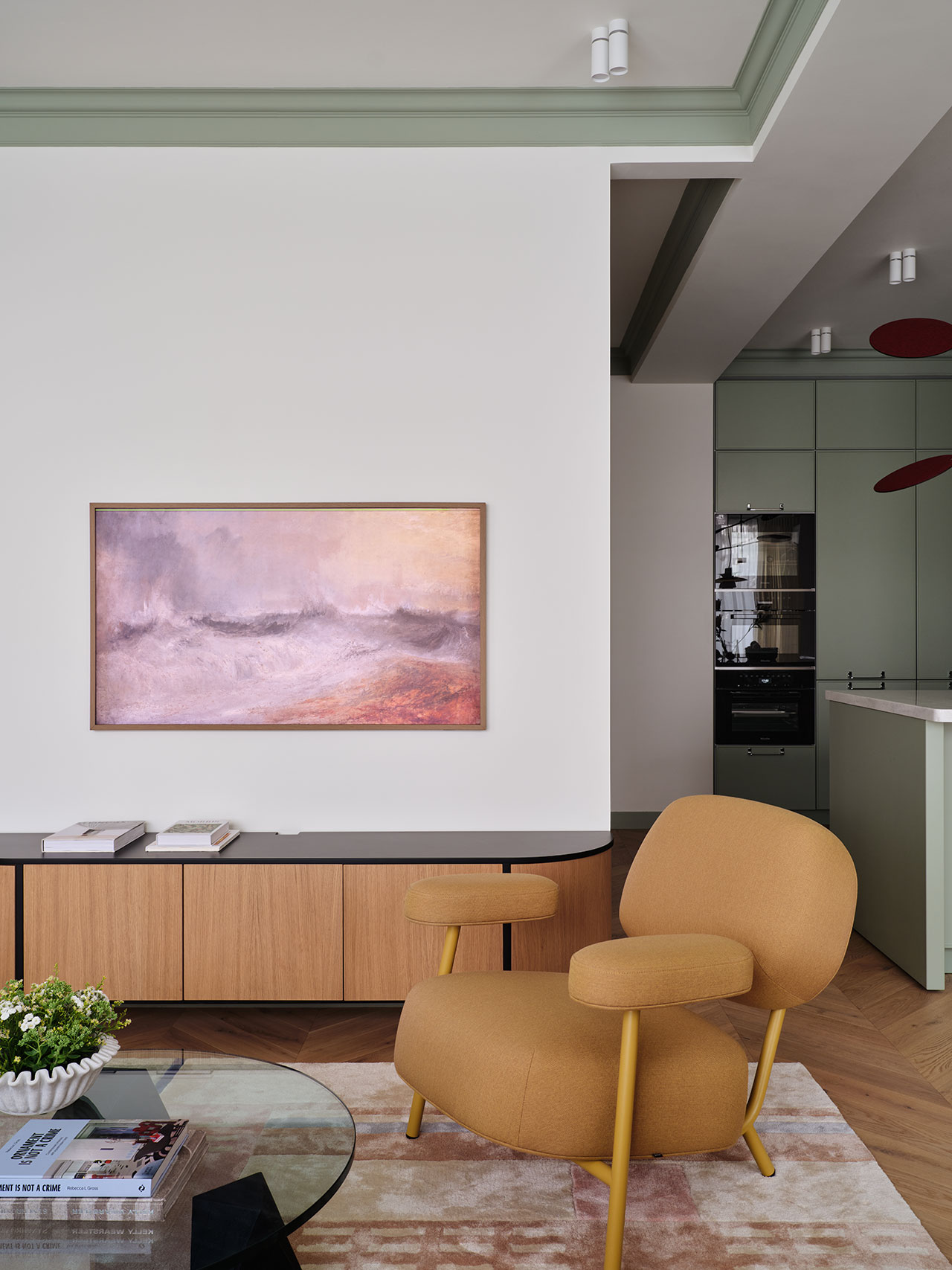
Modern sage green kitchen cabinets find their most harmonious partner in warm wood finishes. While the white-on-white trend of the last decade relied on high contrast, the 2026 aesthetic is about "material warmth." Light oak, white oak, and walnut are the preferred choices for shelving and flooring. These wood species share the same earthy color palettes as the sage itself, creating a seamless transition that feels organic.
When considering hardware, think of it as the jewelry of the room. Traditionally, silver or chrome might have been the default, but they often feel too cold against a soft green foundation. Instead, brushed brass hardware is the industry gold standard for this look. The warmth of the brass pulls out the golden undertones of the sage, providing a subtle shimmer that feels refined rather than flashy. Unlacquered brass is particularly popular among designers right now, as it develops a patina over time that echoes the "perfectly imperfect" nature of organic textures.
| Feature | Fading Out (2020-2024) | Emerging Trends (2026) |
|---|---|---|
| Cabinet Shade | Cool Blue-Grays / Stark White | Sage Green / Moss / Olive |
| Wood Species | Gray-washed Oak / Ebony | Natural White Oak / Walnut |
| Metal Hardware | Polished Chrome / Matte Black | Brushed Brass / Unlacquered Bronze |
| Countertops | Highly Veined Cold Marble | Honed Soapstone / Warm Quartz |
| Texture | High-Gloss Acrylic | Matte / Satin / Organic Textures |
For family functionality, matte or satin finishes on cabinetry are highly recommended. High-gloss finishes can reflect too much "specular highlight," which can distort the color of the paint and make every fingerprint visible. A matte sage finish absorbs light softly, hiding the wear and tear of a busy household while maintaining a sophisticated, velvety appearance.
The Anchor & Layer Strategy: Creating a Family-Friendly Palette
Designing for a family requires a bridge between art and utility. You don't want a clinical showroom where children are afraid to touch the surfaces, nor do you want a cluttered mess. The solution lies in the "Anchor and Layer" strategy.
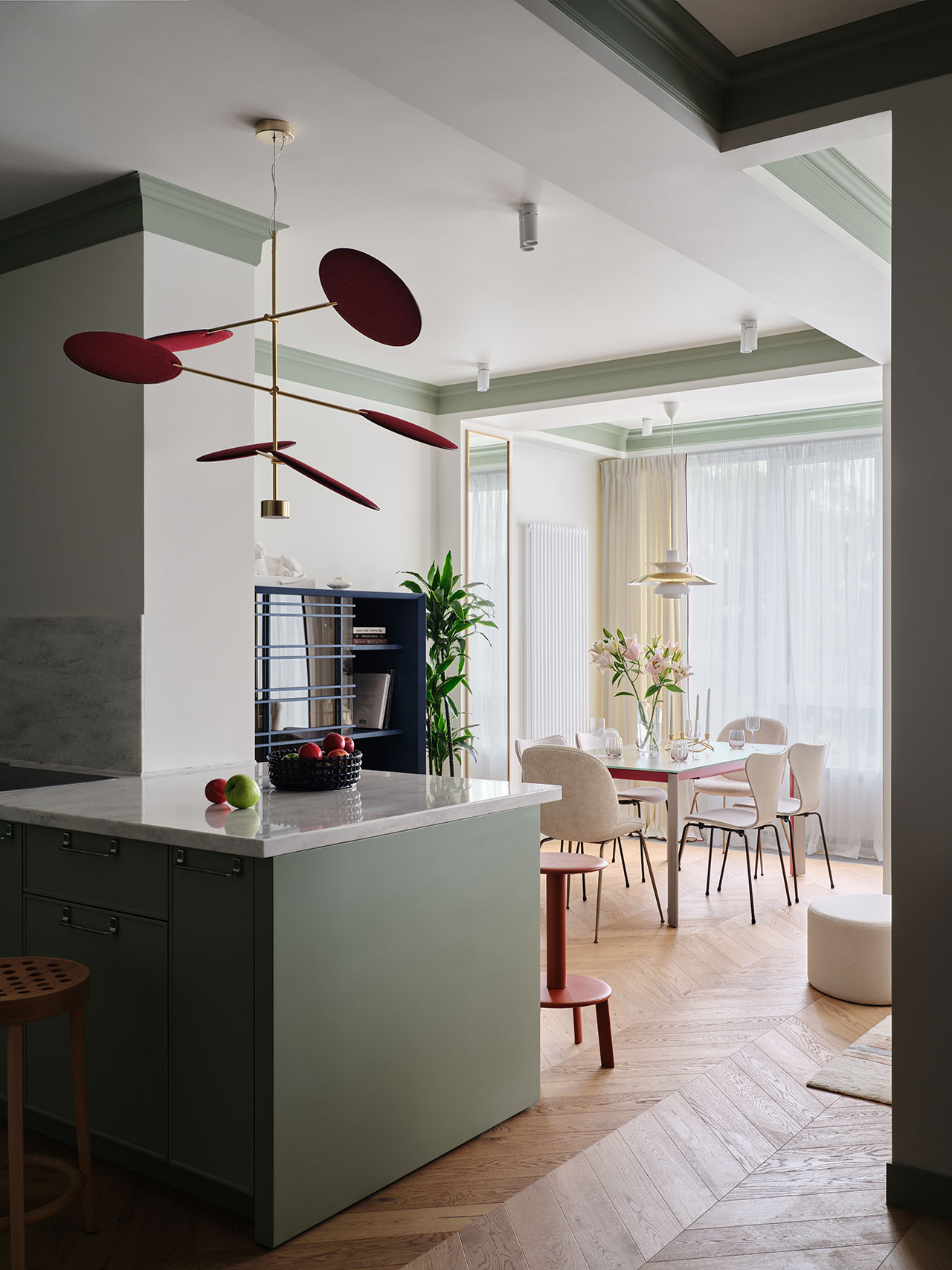
In many 2026 homes, the sage green kitchen island serves as the central anchor. It is the solid, unmoving heart of the room where homework happens, meals are prepped, and morning coffee is shared. By using a deeper shade of green for the island and perhaps lighter sage or even white for the upper cabinets, you create a two-tone aesthetic that feels grounded but airy at the top. This prevents the color from feeling overwhelming while still making a bold design statement.
Once your anchor is set, it’s time to layer in personality through sage green kitchen accessories and accent colors. A monochromatic room can feel flat and uninspired. To create a vibrant atmosphere, look for complementary colors that provide "pops" of energy.
- The Ochre Connection: Mustard yellow or ochre textiles and rugs provide a stunning contrast to sage. They represent the sun in the biophilic design equation, adding warmth and a touch of mid-century flair.
- The Crimson Spark: For a high-energy kitchen, try red stools or vintage-style appliances. Red and green sit opposite each other on the color wheel, but when you use "muted" versions—like sage and terracotta or brick red—the result is sophisticated rather than Christmas-themed.
- Natural Textiles: Incorporate rattan pendant lights, linen window treatments, and jute rugs. These materials add a tactile dimension that makes the sage green and wood kitchen feel cozy and "lived-in."
By viewing the kitchen as a living gallery, you allow the space to grow with your family. It becomes a place where your favorite ceramics, children's drawings, and cookbooks are part of the decor, set against a restorative background that makes everything look more intentional.
Designing for Longevity and Well-Being
The ultimate goal of using sage and sunlight is to create a home that supports your health and tranquility. We are living in an age where 63% of homeowners prioritize peace of mind in their renovations. A sage green kitchen is uniquely suited to this trend because it mimics the colors we find in nature—shades that our brains are evolutionarily programmed to find calming.
Optimizing natural light in these spaces isn't just a design trick; it is an efficiency move. By allowing the sun to do the heavy lifting during the day, you can reduce your reliance on artificial lighting, cutting electricity use by roughly 10%. This sustainable approach to design reflects a broader shift toward "slow living," where we value the quality of our environment as much as its utility.
As you plan your makeover, remember that the most successful interiors are those that reflect the people living in them. Use these sage green kitchen ideas as a framework, but don't be afraid to break the rules. Add that weird antique chair, choose the hardware that feels good in your hand, and most importantly, open the curtains and let the sun in.
FAQ
Is sage green a nice color for a kitchen?
Yes, sage green is widely considered one of the most versatile and timeless colors for a kitchen. It acts as a restorative neutral, offering more personality than gray or white while remaining calm enough to serve as a background for various decor styles, from modern farmhouse to Scandinavian.
What color kitchens are in for 2026?
The 2026 trend focuses on earthy color palettes and biophilic design. Natural greens, especially sage and olive, are leading the way, alongside warm wood finishes like white oak and soft, creamy off-whites. The industry is moving away from cold, high-contrast aesthetics in favor of materials that feel organic and grounded.
What is a complementary color to sage green?
Terracotta, ochre yellow, and soft peach are excellent complementary colors for sage green. For a more sophisticated look, pairing sage with brushed brass hardware or warm wood tones creates a natural, high-end feel. If you want a classic look, crisp white and cream are the safest and most popular pairings.
What color is replacing gray in 2026?
Sage green and "greige" with warm beige undertones are officially replacing the cool grays of the previous decade. Market data shows that green has surpassed gray in popularity for non-neutral cabinet choices, as homeowners seek spaces that feel more "alive" and connected to nature.