Every gardener knows that bittersweet moment when the first frost warning flashes on the weather app. It’s the signal that your tomato days are numbered. For months, we’ve hovered over these plants, pruning suckers and checking for hornworms, all in anticipation of that perfect, sun-warmed red fruit. But as the nights grow long and the air turns crisp, we’re often left with vines heavy with stubborn, emerald-green globes that refuse to turn.
If you are staring at a counter full of unripened fruit, don't despair—and certainly don't toss them into the compost. As a DIY editor, I’ve learned that some of the most rewarding home projects aren't built in the workshop, but in the kitchen during the harvest transition. What are the best uses for a surplus of green tomatoes? Beyond traditional frying, green tomatoes are excellent for baking vintage crumb cakes, canning into savory salsas, or creating zesty pie fillings and ketchups. They are a secret weapon for the resourceful home cook, offering a firm texture and a bright acidity that disappears once the fruit ripens.
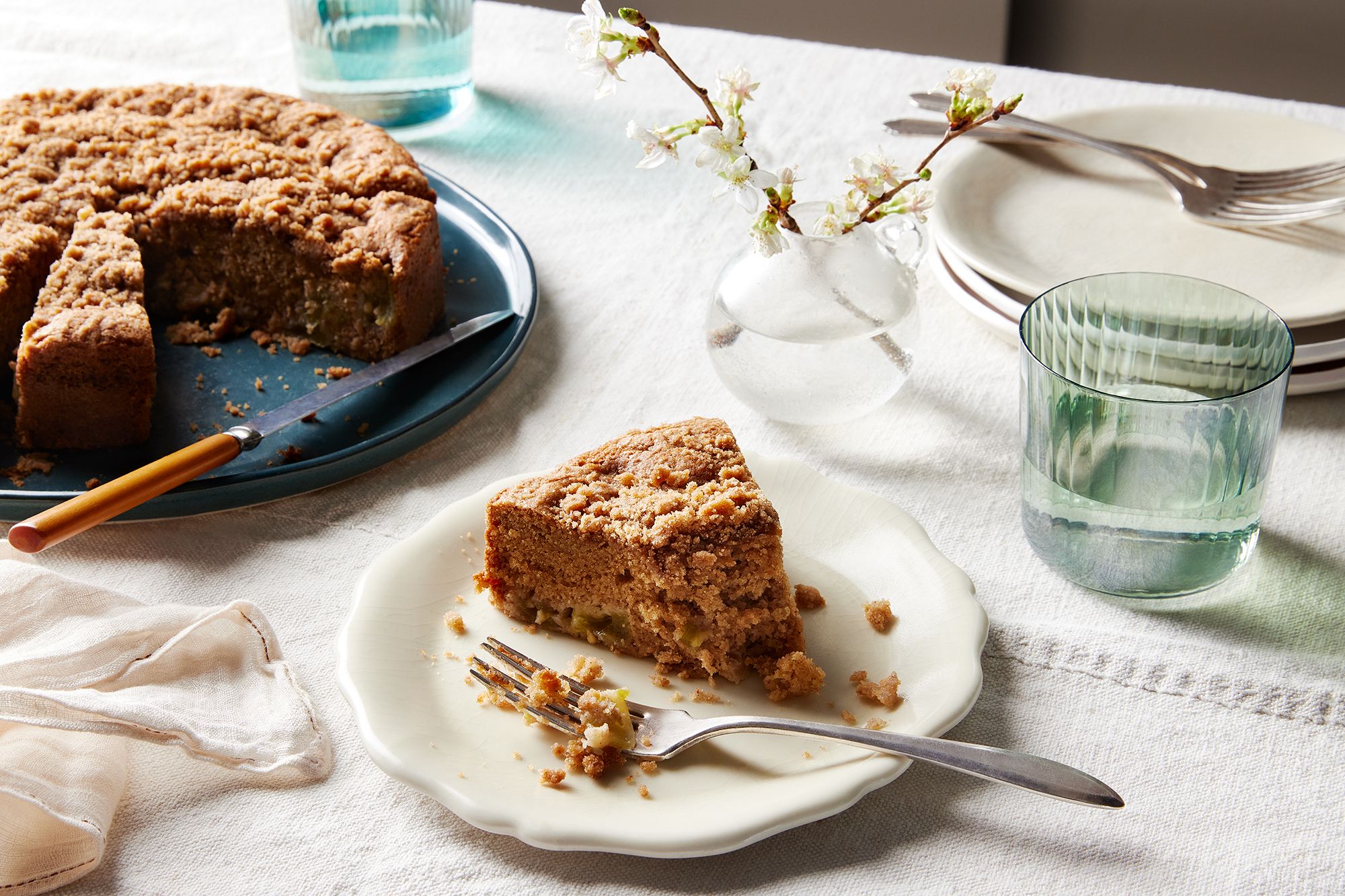
The 'Forgotten' Vintage Treat: Green Tomato Crumb Cake
While most people immediately think of a heavy cornmeal breading when they see a green tomato, there is a storied history of using these unripened gems in desserts. My favorite discovery in this category feels like a page from a lost community cookbook. In the early 1970s, green tomato cakes were a genuine sensation. In historical recipe contests like the 1973 "Cold Oven" competition, green tomato cakes were so highly valued that judges reportedly deliberated for over 30 minutes to decide the winners, eventually awarding the top prize to Mrs. Mildred Willis for her innovative use of garden leftovers.
What does a green tomato cake taste like? If you are skeptical, you aren't alone. However, the result is a moist, flavorful dessert similar to an apple spice cake, but it offers a brighter, crisper, and almost citrusy flavor with a lighter texture. When you bake with green tomatoes, the high moisture content keeps the crumb incredibly tender, while the natural acidity cuts through the sweetness of the sugar and spices like cinnamon and nutmeg.
To get the best results, look for tomatoes that are "mature green"—they should be full-sized and firm, but not yet showing any pink or red. At this stage, the fruit has a crunch that mimics a Granny Smith apple. When diced finely and folded into a spiced batter, the tomatoes partially break down, leaving behind little jewels of texture that provide a refreshing contrast to the dense cake.
Safely Preserving the Bounty: Home Canning 101
For many of us, the goal of a big harvest is to "put up" enough food to last through the winter. This is where my DIY safety instincts kick in. Is it safe to can green tomatoes at home? Yes, green tomatoes are acidic enough for water bath canning, but you must add additional acidity (like lemon juice or vinegar) and follow specific processing times for safety.
One of the unique benefits of using unripened fruit for preservation is the "Pectin Advantage." Green tomatoes contain higher levels of natural pectin than their ripe counterparts. This means that green tomato jams, chutneys, and relishes will thicken beautifully without the need for large amounts of added commercial pectin. They also hold their shape significantly better during the high-heat processing of a water bath canner, whereas ripe tomatoes often turn to mush.
When canning, always ensure you are using a tested recipe from a reliable source like the USDA or the National Center for Home Food Preservation. Because the pH level of tomatoes can vary based on the variety and the growing conditions, acidification is a non-negotiable step to prevent the growth of Clostridium botulinum spores.
| Product | Jar Size | Processing Time (0-1,000 ft) | Acidification Requirement |
|---|---|---|---|
| Green Tomato Slices | Pints | 40 Minutes | 1 tbsp bottled lemon juice per pint |
| Green Tomato Slices | Quarts | 45 Minutes | 2 tbsp bottled lemon juice per quart |
| Green Tomato Relish | Pints | 10 Minutes | Follow recipe (usually vinegar-based) |
Safety Alert: Always use bottled lemon juice or 5% acidity vinegar for canning. Fresh lemons vary too much in acidity to guarantee a safe shelf-stable product.
Savory Green Tomato Staples
If you aren't in the mood for cake, green tomatoes shine in savory applications. Because they are the "cousin" to the Mexican tomatillo, green tomatoes make an incredible base for a northern-style Salsa Verde. Simply roast them with onions, garlic, and serrano peppers until the skins are charred and the flesh is soft, then blend with cilantro and lime juice.
Beyond salsa, consider these staples:
- Green Tomato Chutney: This is a British classic. The tomatoes are simmered with raisins, brown sugar, onions, and malt vinegar. It is the perfect accompaniment to sharp cheddar cheese or roasted meats.
- Green Tomato 'Mincemeat': Traditionally, mincemeat used suet and meat, but modern "mock" mincemeat uses green tomatoes to provide the bulk and texture. When cooked down with apples, spices, and brandy, it’s indistinguishable from the traditional version.
- Spicy Green Ketchup: If you find standard ketchup too sweet, a green tomato version offers a zesty, savory profile that pairs beautifully with grilled fish or fried chicken.
How to Ripen Green Tomatoes for Fresh Eating
Sometimes, you just want a red tomato. If the frost is coming but your tomatoes are just starting to show a hint of color, you can finish the ripening process indoors. To do this successfully, you need to understand the "Blush Phase."
A tomato reaches its full size and "mature green" stage before it begins to change color. Once you see a tiny streak of pink or yellow at the bottom (the blossom end), the tomato has reached the "Break Point." At this stage, the fruit has formed an abscission layer at the stem, essentially cutting itself off from the plant's nutrients. It will ripen on your counter just as well as it would on the vine.
Two Proven Methods for Indoor Ripening
- The 'Sorted Crate' Method: Place your green tomatoes in a single layer in a shallow box or crate. Cover them with a sheet of newspaper to trap the natural ethylene gas they produce. Keep the box in a cool, dark place (about 55-65°F). Check them every few days and remove any that show signs of rot.
- The 'Uproot' Method: If the frost is imminent and your vines are still loaded, you can pull the entire plant out of the ground—roots and all. Shake off the dirt and hang the plant upside down in a garage or basement. The remaining energy in the vine will continue to feed the fruit, often resulting in a better flavor than picking them individually.
The Banana Trick: If you are in a hurry, place a few green tomatoes in a paper bag with a ripe banana or apple. These fruits release high amounts of ethylene gas, which will act as a natural "gas pedal" for your tomatoes.
Safety and Storage Warning
As we transition from the garden to the pantry, I have to emphasize a critical safety point regarding dehydration. While sun-dried tomatoes are a kitchen staple, storing them incorrectly can be dangerous. Preservation safety data indicates that homemade dried tomatoes stored in oil with fresh herbs or garlic have a safe shelf life of only 4 days unless frozen. The combination of low-acid vegetables (garlic/herbs) and an anaerobic (oxygen-free) environment in the oil is a high-risk scenario for botulism. If you want to store your tomatoes in oil long-term, keep the jar in the freezer.
Additionally, when working with green tomato recipes that call for hot peppers (like salsas or chutneys), always wear gloves. The capsaicin in peppers can cause severe skin irritation, and the last thing you want after a successful harvest day is a "pepper burn" on your hands.
FAQ
Q: Are green tomatoes toxic? A: Green tomatoes contain small amounts of solanine, a glycoalkaloid found in the nightshade family. However, the levels in mature green tomatoes are very low and generally considered safe for consumption in normal culinary quantities. Most people experience no ill effects, especially when the tomatoes are cooked.
Q: Can I use any variety of tomato for green tomato cake? A: Yes, any standard red tomato variety (like Beefsteak or Roma) works perfectly when picked green. However, avoid using "Green-when-ripe" heirloom varieties (like Green Zebra) for these specific recipes, as their texture and sugar content are different from an unripened red tomato.
Q: How long will green tomatoes last on the counter? A: If they are unblemished and kept in a cool, dry spot, mature green tomatoes can last 2–4 weeks. Once they reach the "blush" stage and start turning red, they should be eaten within a few days.
The end of the gardening season doesn't have to be a race against the clock. By embracing the green tomato, you aren't just "saving" a harvest—you're opening up a whole new world of vintage flavors and pantry staples. Whether you’re baking a crumb cake that surprises your neighbors or lining your shelves with zesty salsa, these emerald fruits are a testament to the resourcefulness of the home gardener. Happy harvesting!