In the design world of 2026, the boundary between our living spaces and our pets' needs has effectively dissolved. We no longer speak of "pet owners" but of "pet parents," a shift that has fundamentally recalibrated how we approach home renovation. For years, the challenge was clear: how do we provide for our four-legged companions without sacrificing the editorial-level aesthetic we’ve worked so hard to achieve? The answer lies not in buying more plastic bins, but in architectural foresight.
The days of tripping over neon nylon leashes or tucking a bulky plastic litter box behind a bathroom door are officially over. As we lean into more holistic, streamlined living, "built-in" has become the mantra for the modern home.
The Design Fix: Built-in pet gear optimizes space by integrating beds, bowls, and litter boxes directly into home architecture—such as under kitchen counters or within staircases—reducing clutter and dramatically improving the overall aesthetic of a home.
Whether you are embarking on a full-scale renovation or looking for clever ways to utilize "dead space," these eight built-in solutions prove that pet-friendly design can be the ultimate luxury.
1. The Kitchen Dining Nook: Seamless Feeding Stations
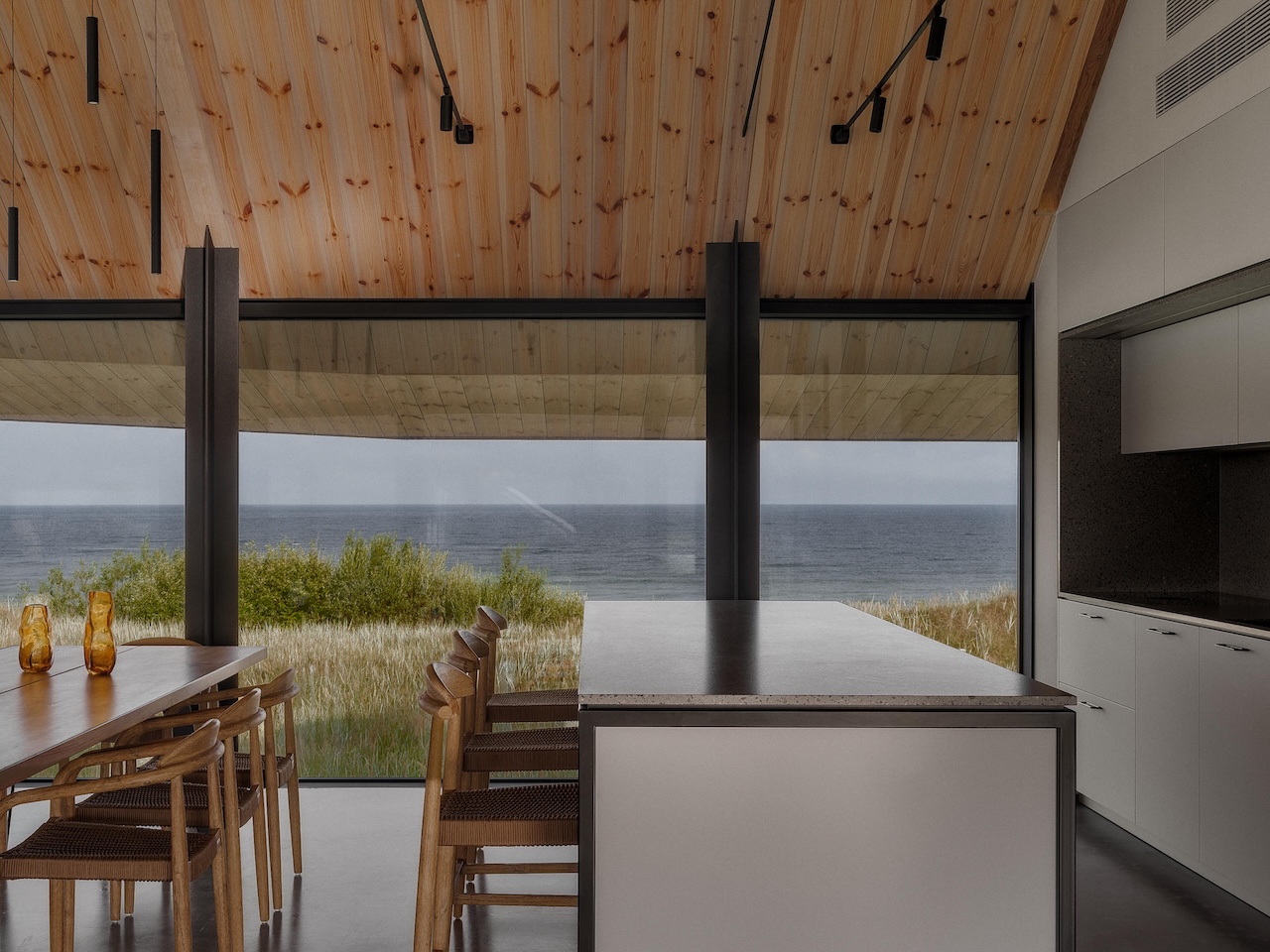
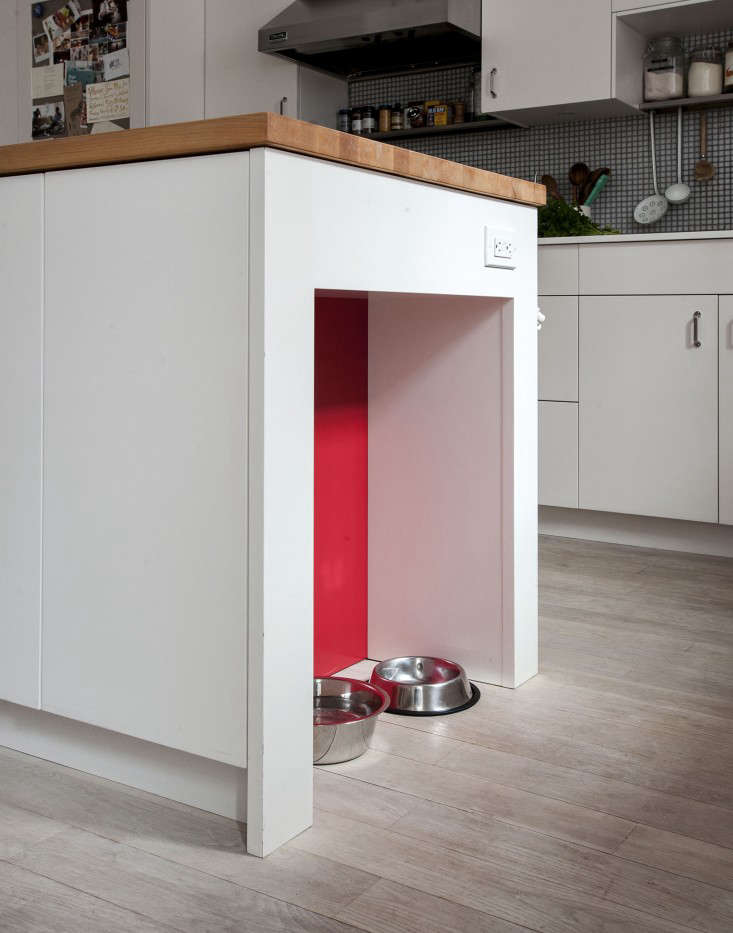
The kitchen is the heart of the home, but it is also the most high-traffic area, making it a precarious place for loose dog bowls. Integrating a dedicated feeding niche into the side of a kitchen island or within the lower run of cabinetry is the gold standard for pet-centric design.
According to 2026 design trends, 74% of homeowners renovating their kitchens now include a dedicated 'pet zone' for integrated feeding or sleeping nooks. This is not just a whim; it’s a response to the need for "choreographed movement" within the home. By tucking the bowls into a recessed plinth, you eliminate the splash zone and keep the floor plan clear.
Pro-Tip for Materials:
- Marble or Quartz Backsplashes: Easy to wipe down and resistant to water damage.
- Sealed Hardwoods: Ensure the wood is treated with a high-grade moisture barrier to prevent warping from spills.
- Integrated Water Lines: For the truly ambitious, a pot-filler style faucet installed at bowl height makes refilling water effortless.
2. Stealth Sanctuary: Hidden Litter Box Cabinetry
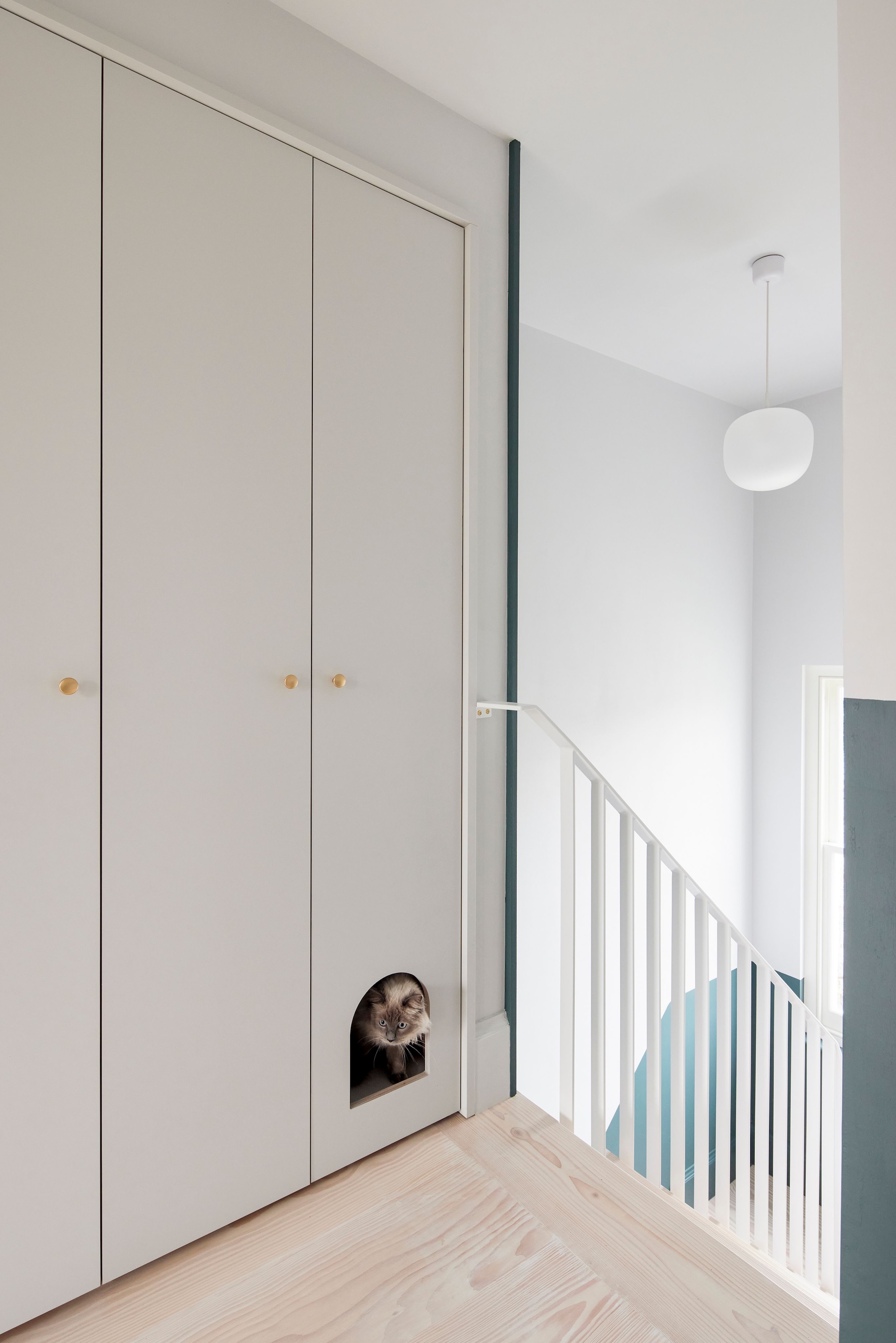
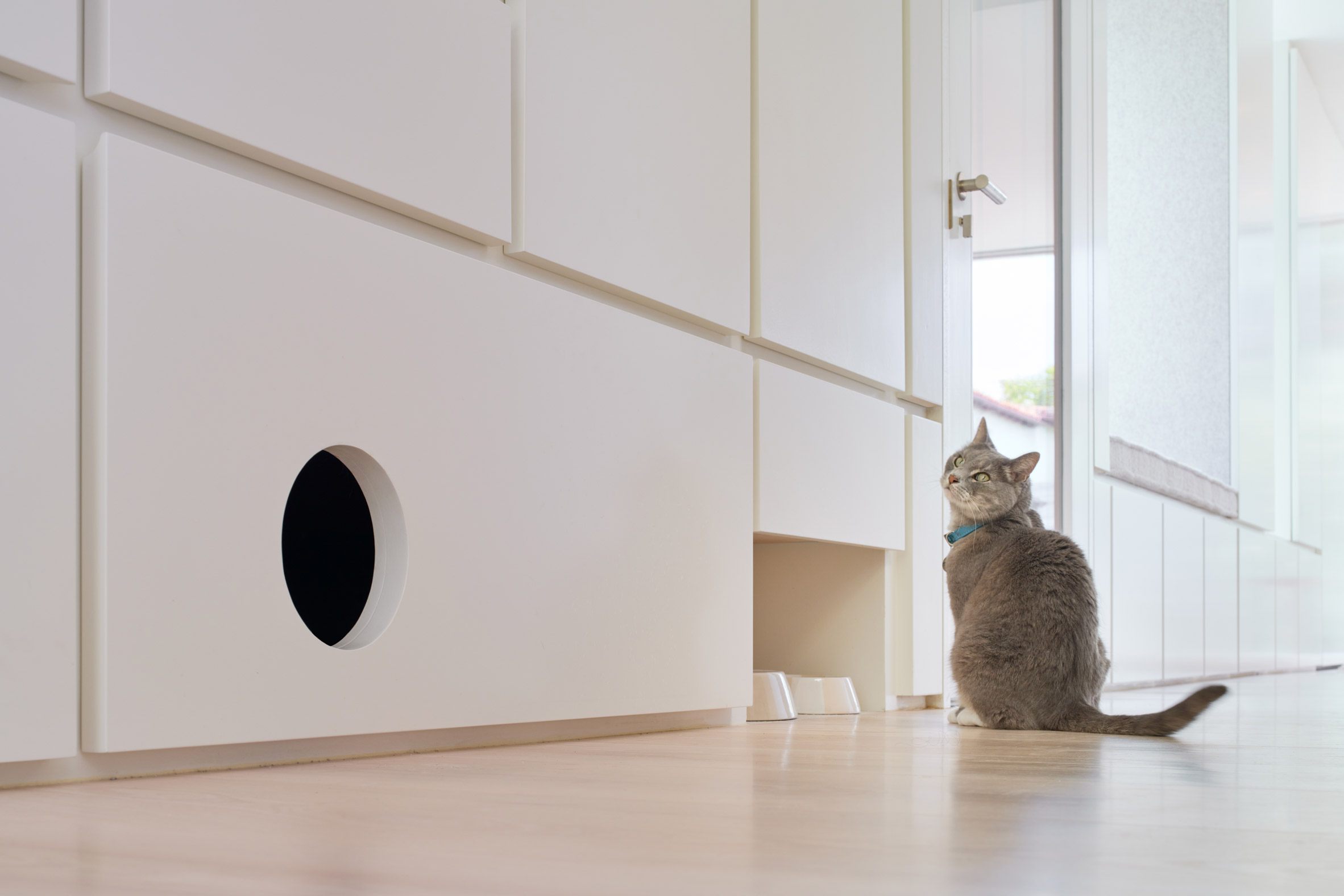
Perhaps no element of pet gear is more difficult to style than the litter box. The traditional approach was to hide it in the laundry room or a guest bathroom, but modern architecture offers a more elegant "stealth" solution through custom cabinetry.
Expert Insight: To hide a litter box effectively, architects recommend custom cabinetry with a cutaway entry. This provides pets with necessary privacy and ventilation while keeping the unit discreetly tucked away from main living areas, appearing as nothing more than a standard storage cabinet to the untrained eye.
When designing these units, we recommend a dual-compartment approach. One side houses the box itself, while the other stores litter supplies and scoops. Incorporating motion-activated LED lights and internal carbon filters is essential for odor control and visibility for your cat.
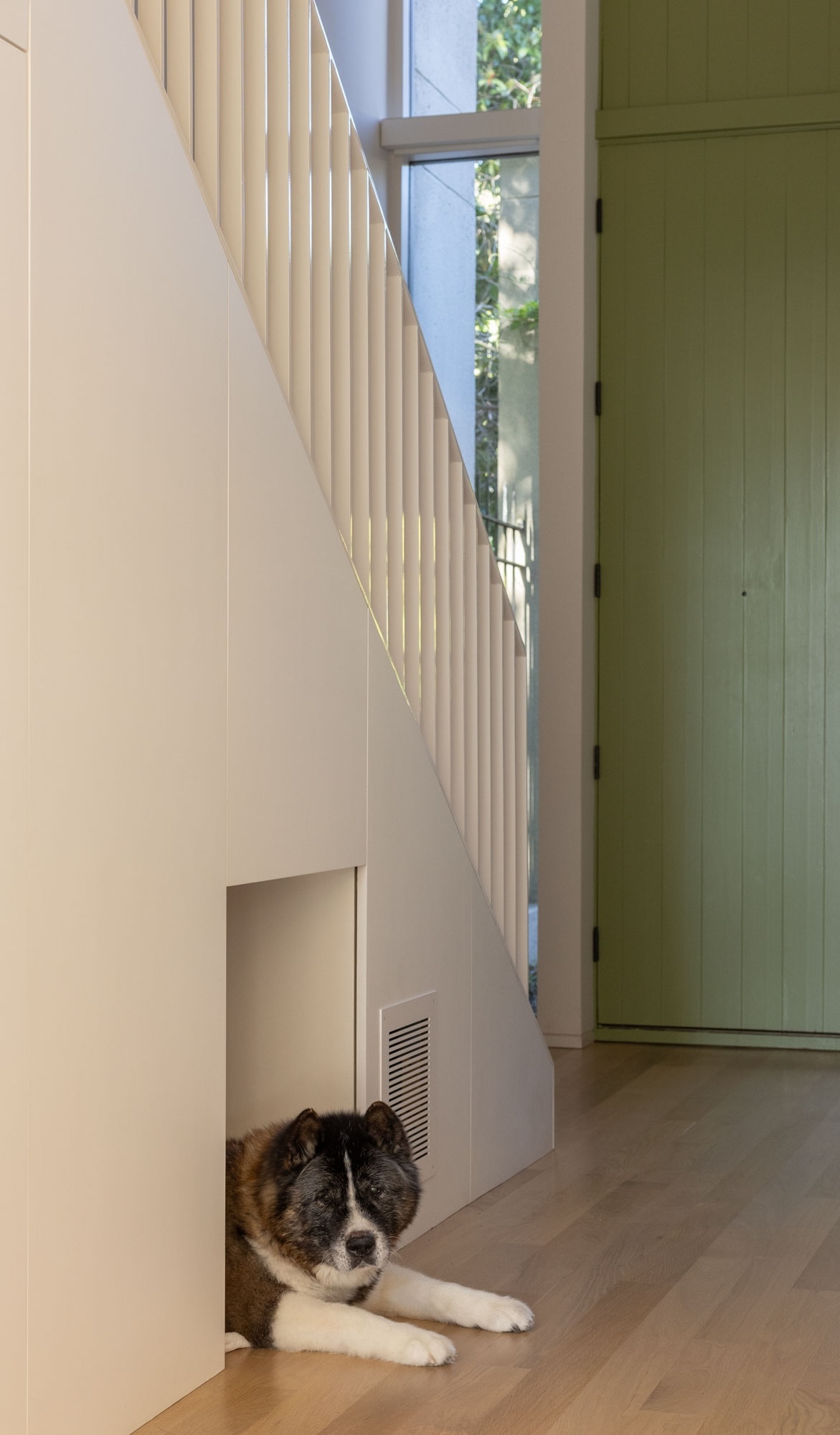
3. The Under-Stair Retreat: Built-In Dog Houses
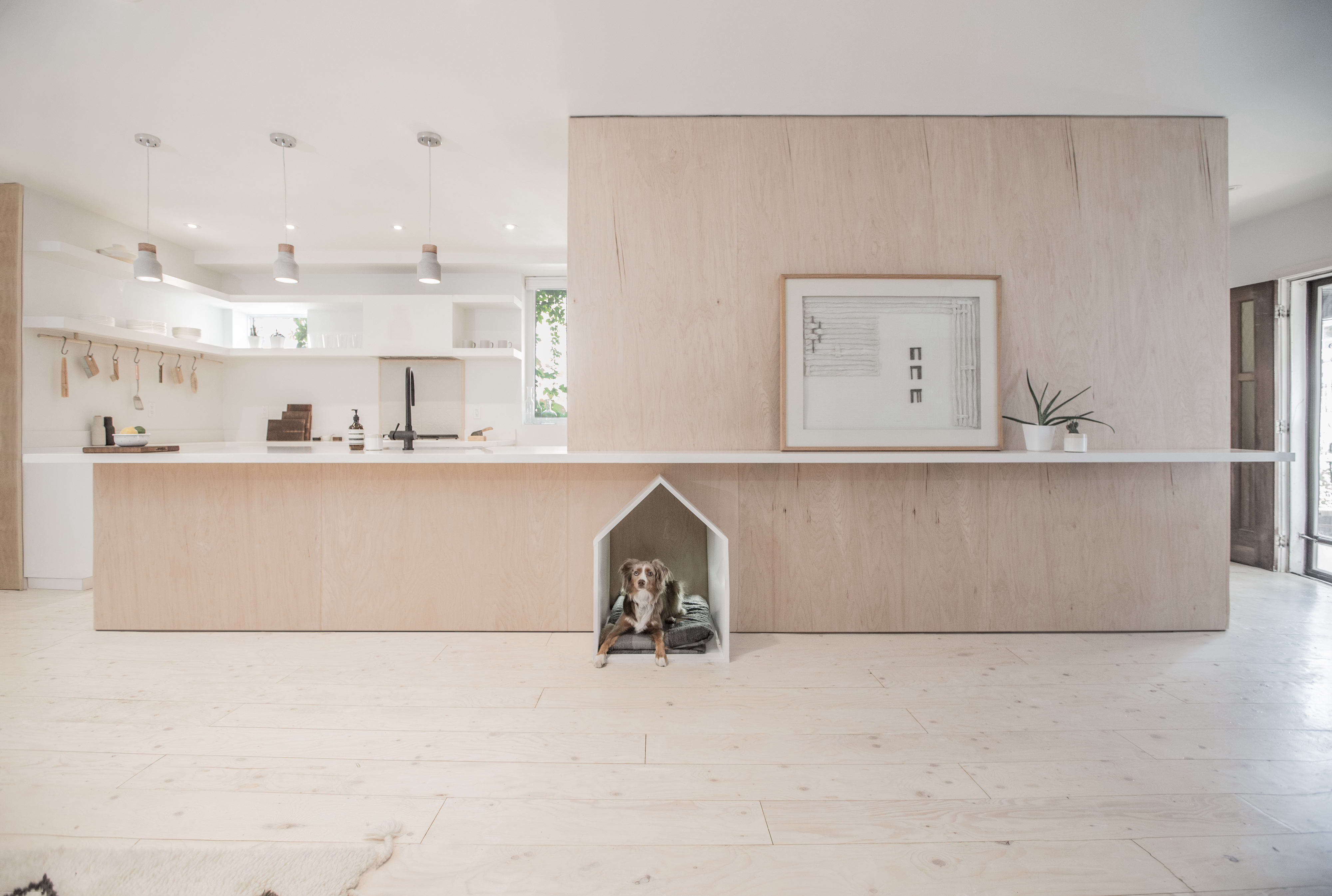
The "dead space" beneath a staircase is an architectural gift waiting to be unwrapped. Instead of a cramped storage closet for vacuum cleaners, many designers are transforming this area into a "pet suite." This provides a safe, den-like environment that is particularly beneficial for anxious pets who crave a sense of enclosure.
We’ve seen everything from minimalist open-tread enclosures to elaborate arched entryways that match the home’s existing crown molding. This isn't just about aesthetics; it’s about providing a designated "zone" that tells your pet, "This is your territory." It keeps the living room sofa hair-free while giving your dog a front-row seat to the household action from their cozy bunker.
4. The Mudroom Ultimate Luxury: Integrated Dog Wash Stations
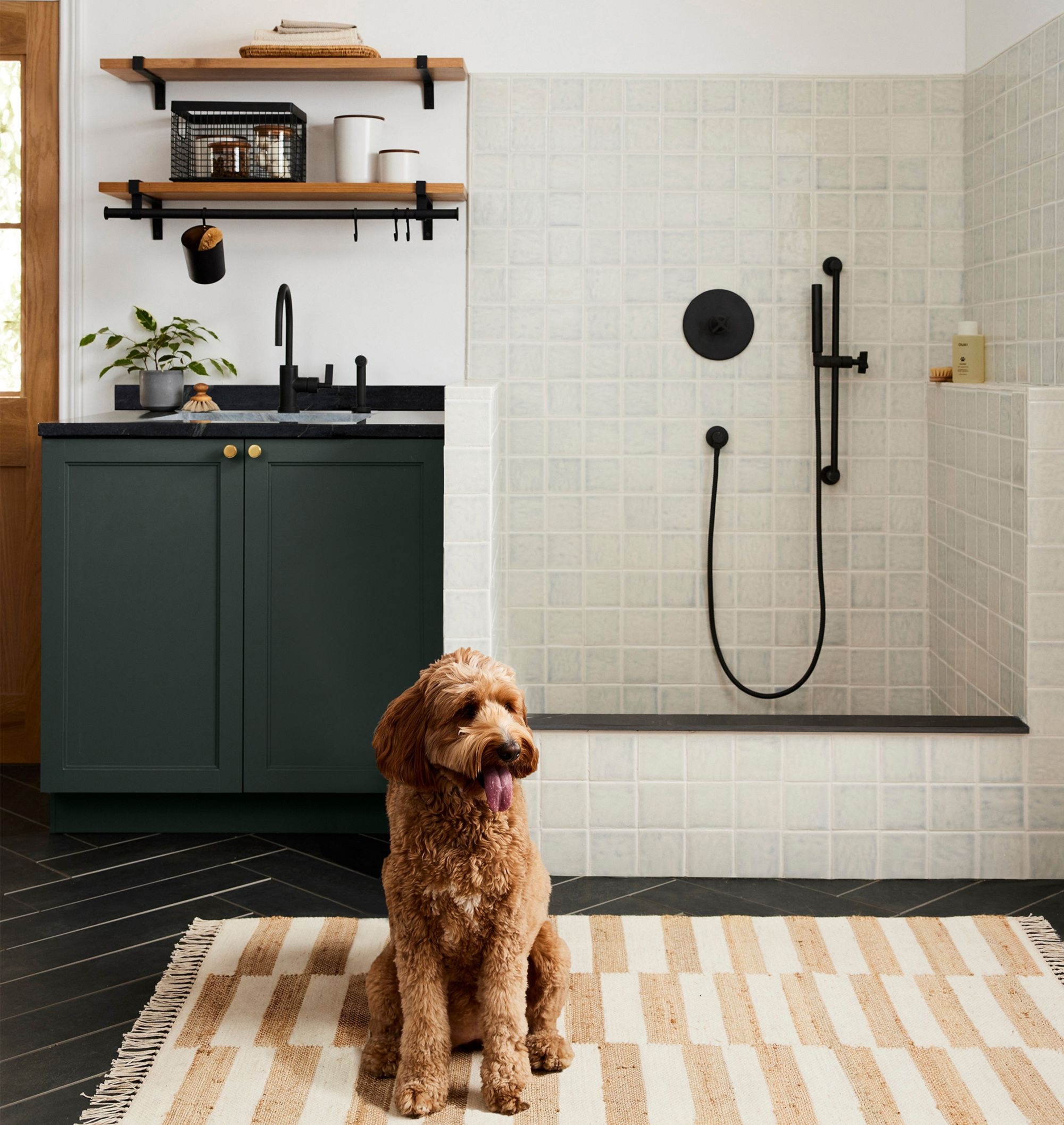
If you’ve ever tried to hoist a 60-pound Golden Retriever into a standard porcelain bathtub after a rainy walk, you understand the appeal of the integrated wash station. Once considered a niche luxury, these are becoming a staple in high-end mudrooms and entryways.
The Value Add: Integrated dog wash stations are the ultimate luxury for modern pet owners, preventing outdoor dirt from spreading through the house and adding significant functional value to the property.
These stations typically feature a raised tiled platform (to save your back), a handheld high-pressure showerhead, and a glass partition or half-wall to prevent splashing. For senior dogs, we recommend built-in steps or a ramp to ensure the station remains accessible throughout their lives.
| Feature | Standard DIY | Professional Built-In |
|---|---|---|
| Placement | Bathroom/Laundry | Mudroom/Entryway |
| Plumbing | Standard Tap | Thermostatic Mixing Valve |
| Material | Plastic Basin | Custom Tile/Stone |
| Average Cost | $200 - $500 | $1,500 - $2,500 |
5. Furniture-Style Crates: Multi-Functional End Tables
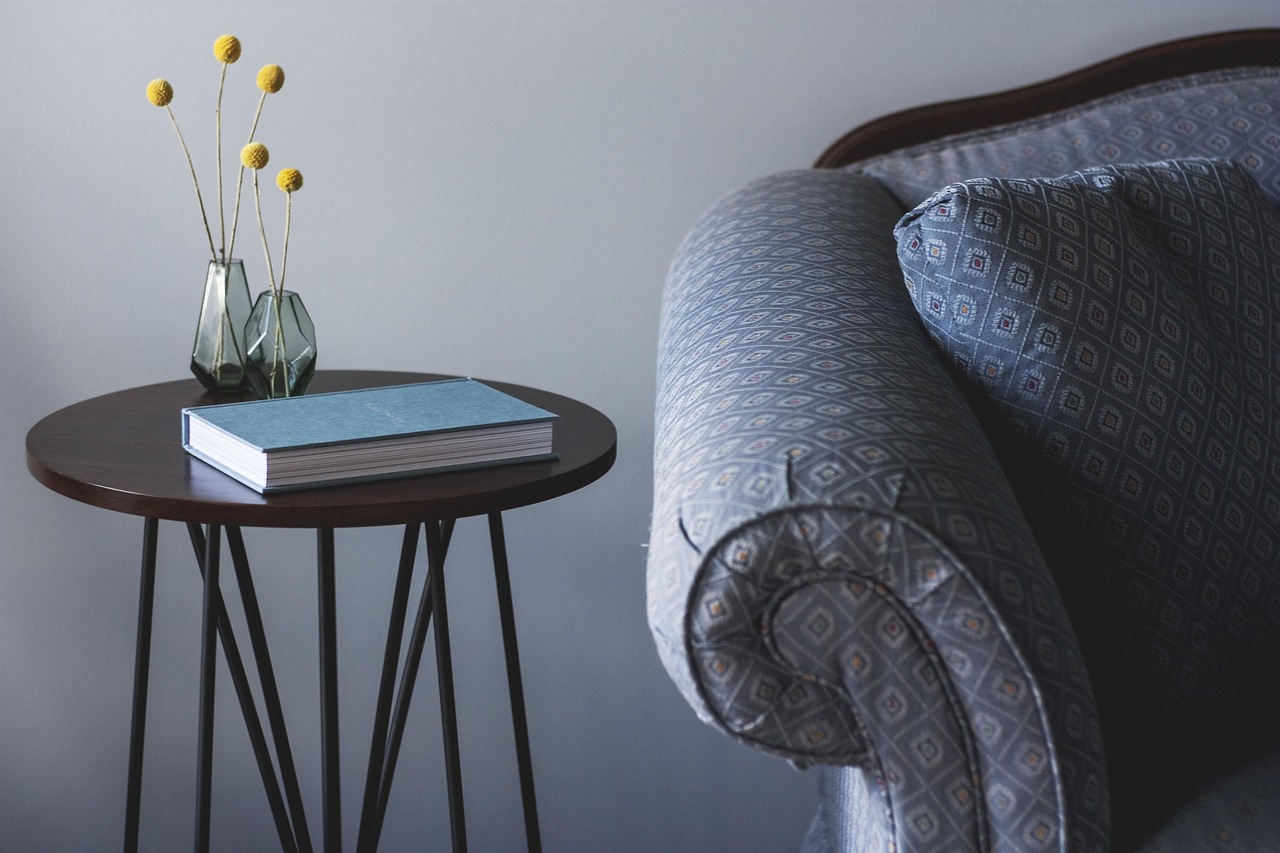
For many dogs, a crate is a necessary part of their routine, but a wire cage is a jarring addition to a curated living room. The 2026 trend is moving toward furniture-style crates that pull double duty as stylish end tables or nightstands.
We are seeing a move away from the "clunky" wood boxes of the past toward metal-and-wood hybrids that echo Mid-Century Modern or Industrial styles. By using powder-coated steel bars instead of flimsy wire and topping the unit with a solid walnut or oak surface, the crate becomes a functional piece of furniture where you can display your favorite design books or a ceramic lamp.
6. Vertical Play: Architectural Cat Trees
Cats are arboreal by nature, yet traditional cat trees—covered in beige carpet and sisal rope—are often the first thing designers want to hide. The "Vertical Play" movement reimagines feline enrichment as wall art.
By using wall-mounted shelving and solid wood perches, you can create a "highway" for your cat that utilizes the vertical volume of a room. This is especially effective in small urban apartments where floor space is at a premium. The key is to choose materials that complement your decor: think powder-coated aluminum brackets, natural cork pads for grip, and sustainable plywood.
7. Smart Integration: Hybrid Tech for 2026
As we move toward smarter homes, pet gear is catching up. The latest built-in solutions for 2026 aren't just passive structures; they are active participants in home wellness.
We are seeing self-cleaning litter box enclosures that are fully integrated into bathroom vanities, equipped with silent ventilation systems that vent directly to the outdoors. Another benchmark in this space is the emergence of air-purifying pet beds. Models like the Blueair PetAir Pro are being designed into bespoke "sleeping drawers" that pull out from under a bed, featuring HEPA filtration to capture dander at the source before it enters the room's air supply.
8. Why Built-In Pet Features Are a Real Estate Asset
Designers and real estate professionals are noticing a significant shift in buyer priorities. A "pet-friendly" home is no longer just one with a fenced yard; it's one with thoughtfully designed internal infrastructure.
Real estate data suggests that properties featuring custom built-in pet amenities sell up to 22% faster in metropolitan markets compared to homes with standard layouts. In a competitive market, a beautifully tiled dog wash or a seamless "catio" can be the "wow factor" that closes a deal. It signals to potential buyers that the home has been maintained and designed with a high level of intentionality and care.
FAQ
Q: Are built-in pet stations difficult to clean? A: Not if they are designed correctly. The key is to use non-porous materials like tile, quartz, or stainless steel. Always ensure that built-in beds have removable, machine-washable liners and that any "hidden" areas have easy access panels for deep cleaning.
Q: Will building a pet station hurt my home's resale value if the next owner doesn't have a pet? A: Generally, no. Most built-in pet features are highly versatile. A dog wash station can easily double as a foot wash or a place to clean muddy boots/gardening tools. Feeding nooks can be repurposed for general storage or pull-out recycling bins.
Q: How do I ensure proper ventilation for a hidden litter box? A: We recommend a two-pronged approach: "passive" ventilation via decorative laser-cut patterns in the cabinet doors and "active" ventilation using a small, silent DC fan (similar to a computer fan) that circulates air through a carbon filter.
Integrating pet gear into your home architecture isn't just about hiding the "mess"—it’s about celebrating the life you share with your animals. By treating their needs with the same design rigor as our own, we create homes that are truly harmonious for every inhabitant, two-legged or four.