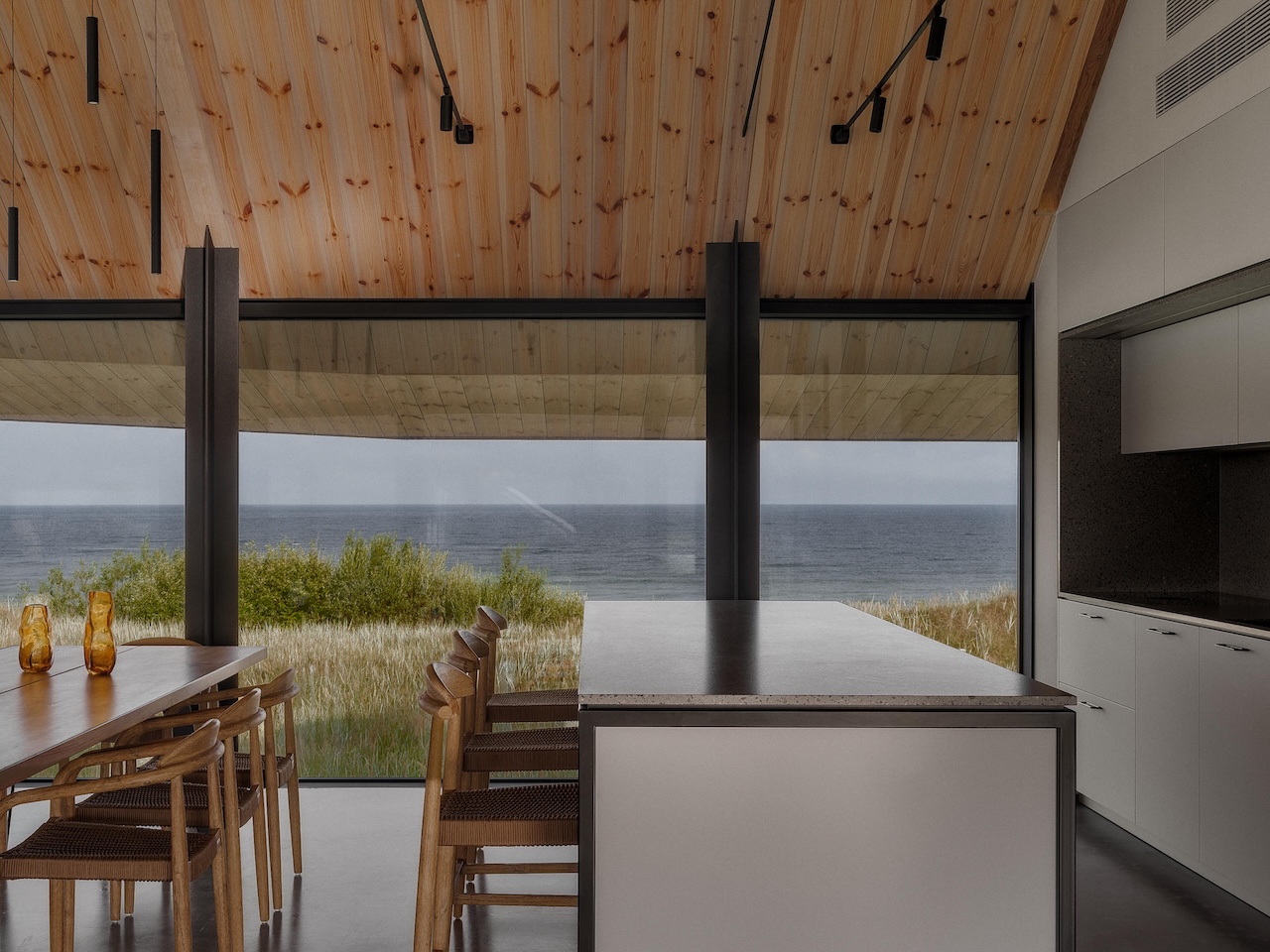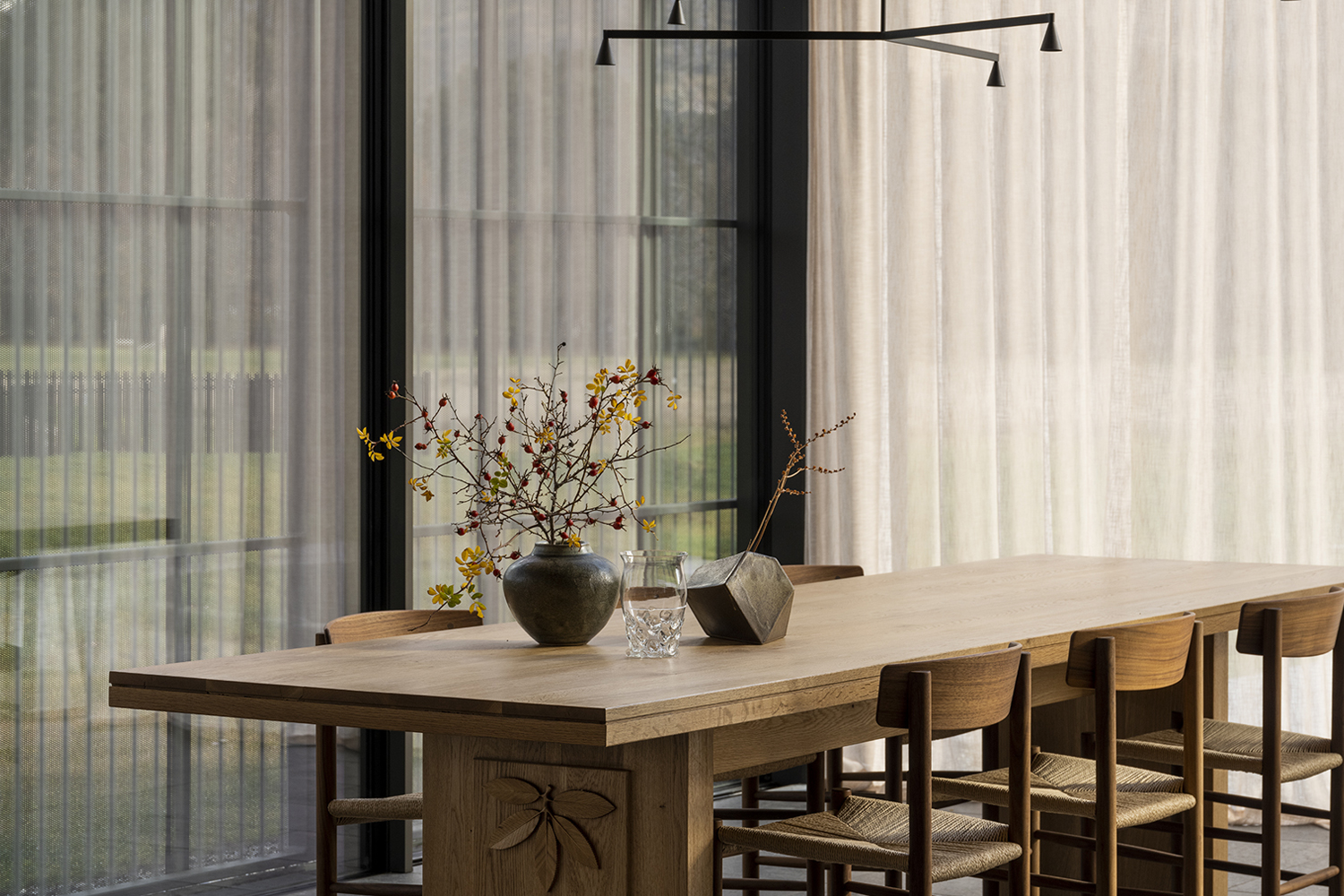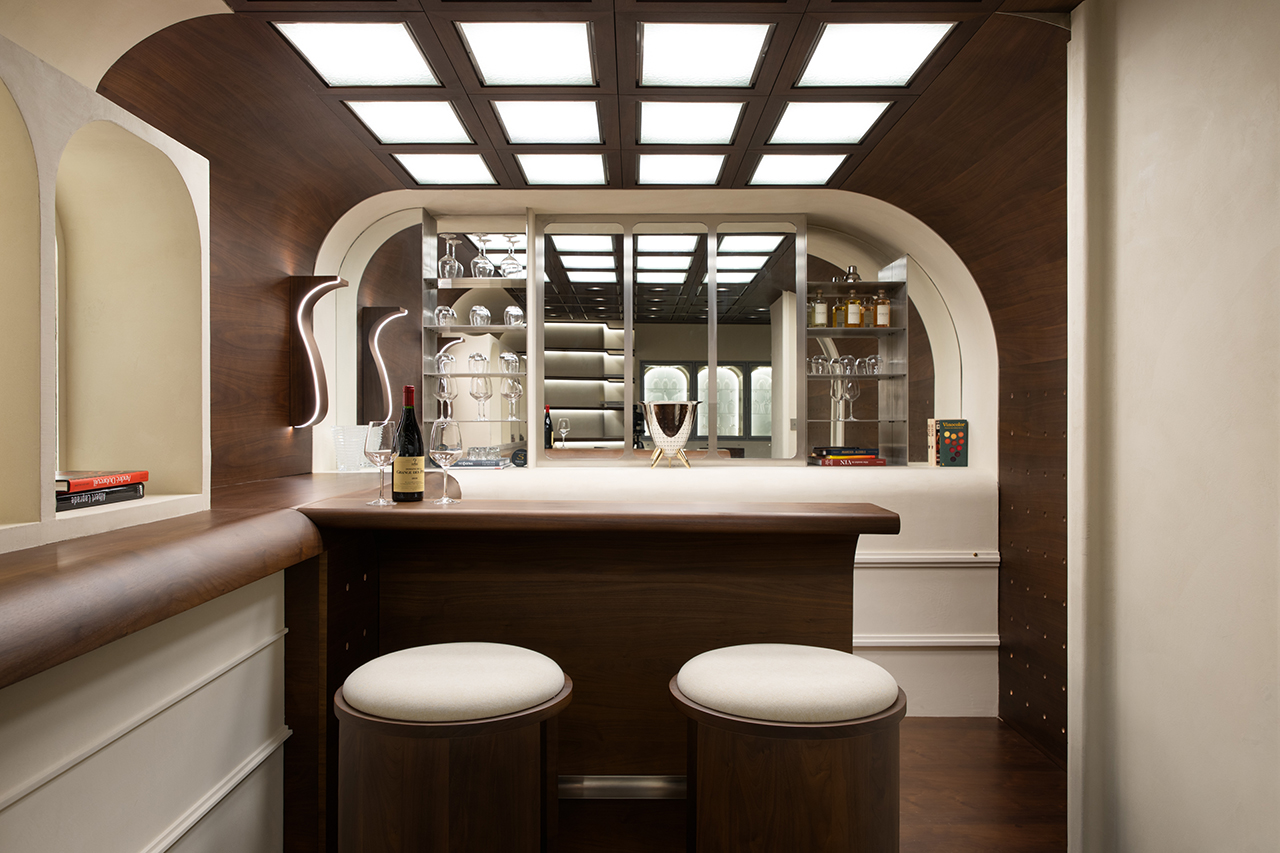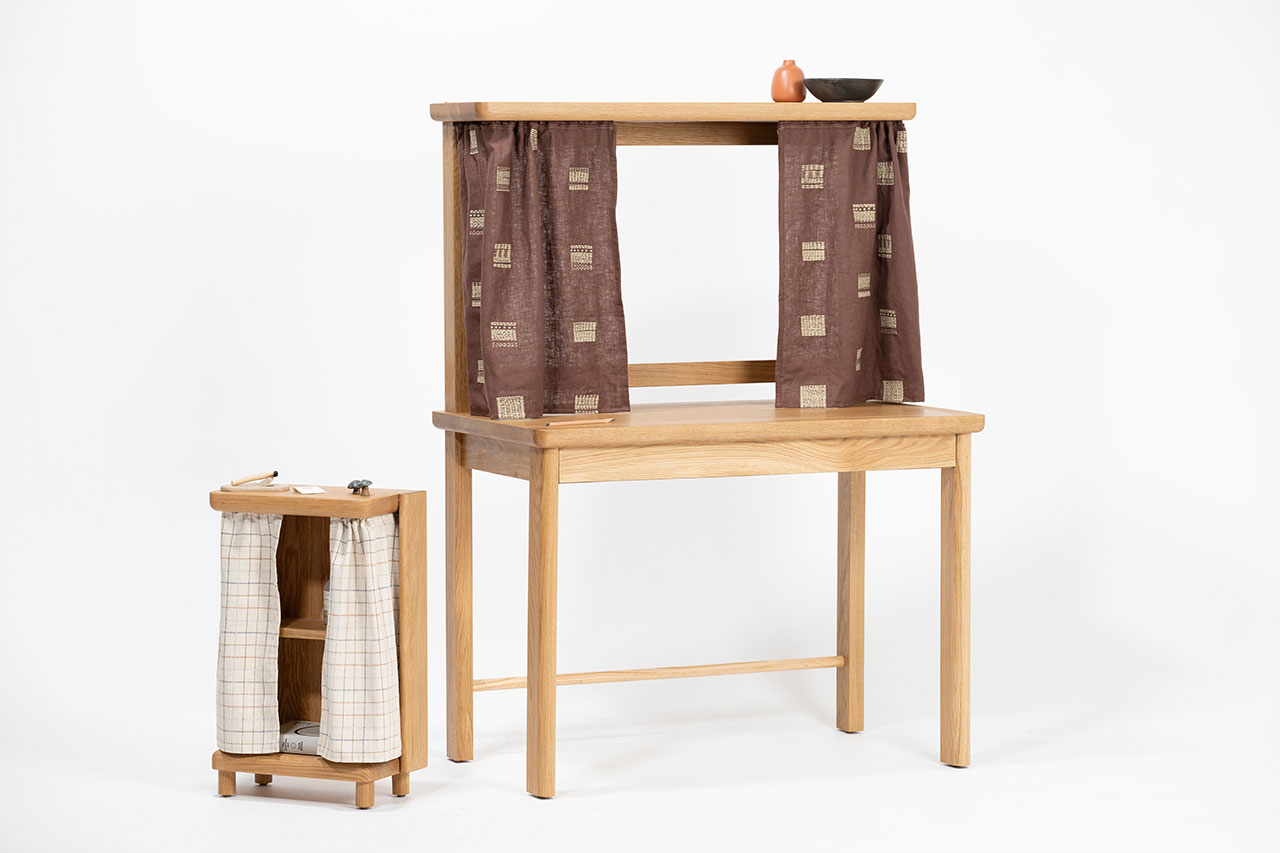
A hybrid schedule calls for a hybrid home office. As we settle into the permanent reality of the remote-work era, the "temporary" laptop-on-the-dining-table setup has lost its charm. In my years as a decor editor, I’ve seen that the greatest challenge for modern dwellers isn't just finding a place to work—it’s finding a way to stop working. According to our 2024 Home Workspace Report, a staggering 64% of hybrid workers now prioritize "disappearing" office solutions to maintain a clear work-life boundary in their shared living areas.
Integrating a hidden desk for a small home office isn't just about saving square footage—though wall-mounted units can save an average of 12 to 15 square feet of floor space—it’s about preserving the sanctity of your home. The best hidden desks, ranging from wall-mounted secretary desks to integrated pull-out trays, allow you to literally "close the door" on your professional life at 5:00 PM. However, a disappearing act shouldn't compromise your health; I always recommend ensuring your hidden desk maintains a standard ergonomic height of 29–30 inches and provides enough depth for your peripherals.
Why the Disappearing Office is the Future of Small Space Design
In urban centers where every square inch is a premium, the traditional executive desk is becoming an antique. For an apartment under 600 square feet, a bulky desk doesn't just take up room; it creates visual clutter that makes a space feel smaller and more chaotic. By opting for space-saving fold-down desks or wall-mounted secretary desk ideas, you reclaim the visual harmony of your room.
There is a profound psychological benefit to the "out of sight, out of mind" philosophy. When your monitor is tucked behind an armoire door or folded into a wall cabinet, your brain receives a physical signal that the workday is over. This transition is essential for preventing burnout in the age of the "always-on" office.
10 Best Hidden Desk Ideas for Every Layout
Choosing the right desk depends entirely on your room's "traffic flow" and your specific work needs. Below, I’ve curated the top solutions that balance high-end aesthetics with practical utility.
1. The Wall-Mounted Secretary Desk
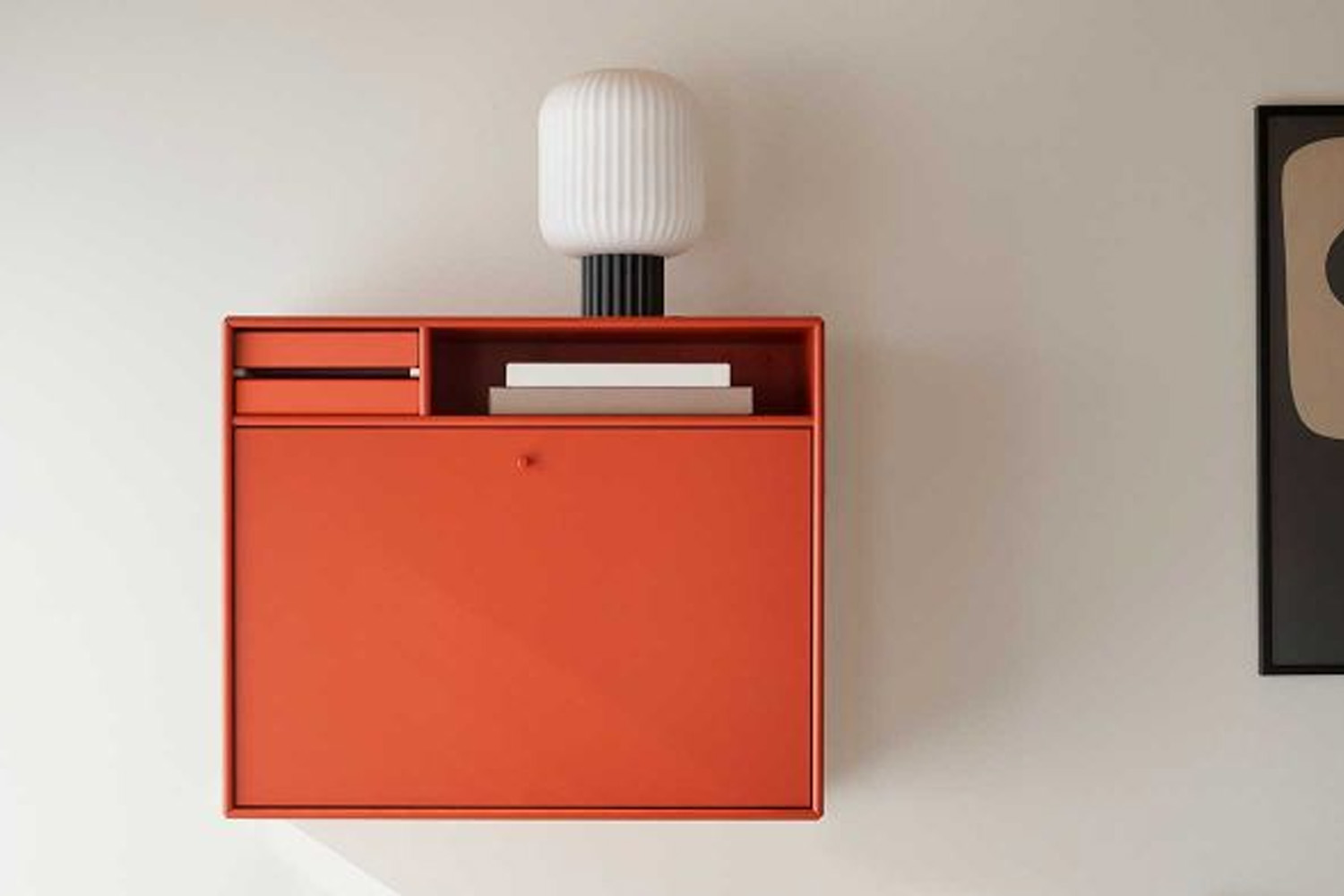
The modern secretary desk is the undisputed champion of the "clutter-free" movement. Unlike the heavy, dark-wood antiques of the past, today’s versions feature slim profiles and minimalist lines. They typically offer a fold-down front that becomes your writing surface, hiding mail, pens, and even small monitors when closed. Look for models that offer integrated cable management to keep those pesky cords from ruining the silhouette.
2. The Floating 'Ledge' Desk
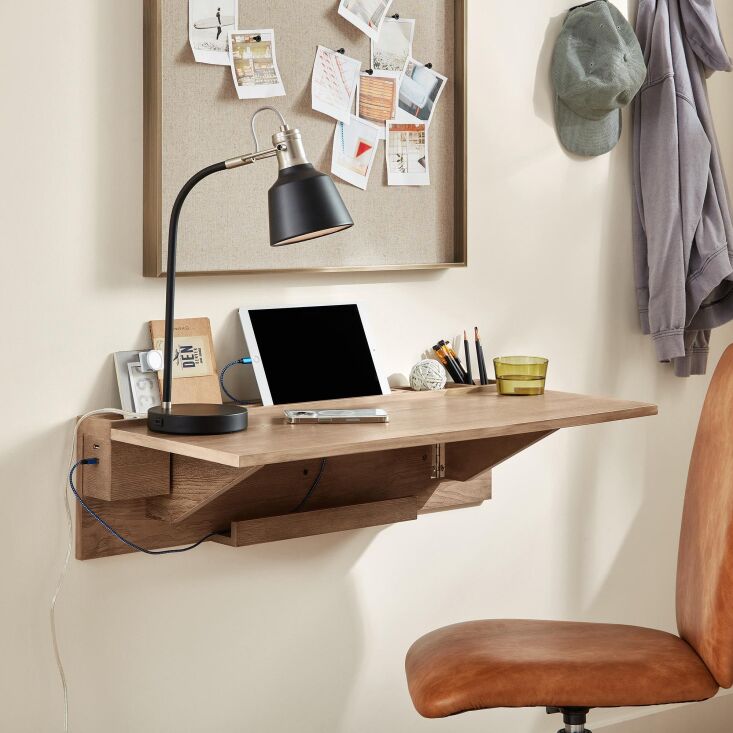
Ideal for hallways or the narrow strip of wall behind a bedroom door, the floating ledge desk is the ultimate minimalist statement. It provides a dedicated zone for deep work without the visual weight of legs.
Ivy’s Design Note: When installing a floating ledge, pay close attention to the wall anchors. If you’re leaning on your desk for eight hours a day, you need a setup rated for at least 70 lbs to avoid the dreaded "desk sag."
3. The Armoire Office (The 'Cloffice')
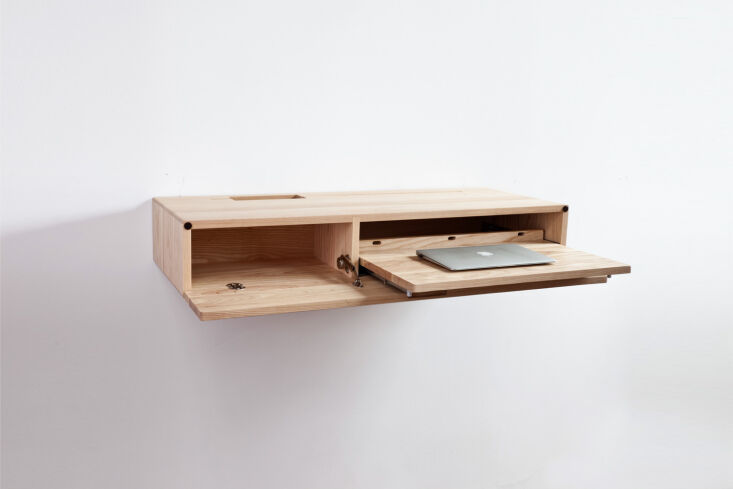
The "Cloffice" (closet-office) remains a favorite for a reason. By removing closet doors or using a large armoire, you create a deep, recessed workstation that can house dual monitors and a full-sized ergonomic chair. When the day is done, simply close the doors, and the office ceases to exist.
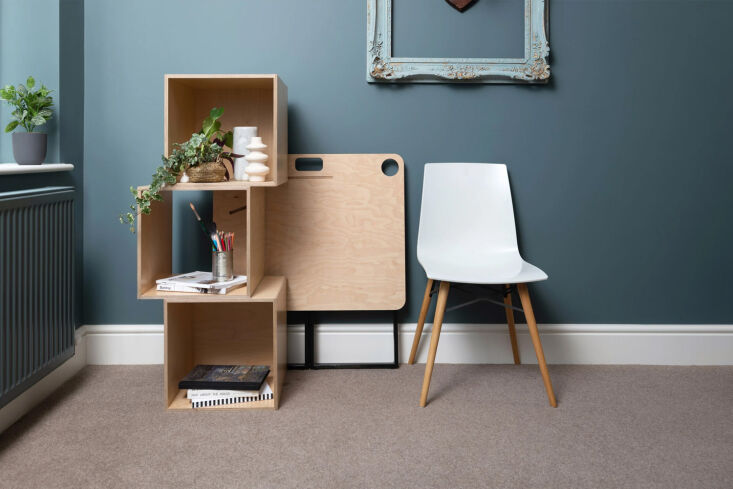
4. Fold-Down 'Picture Frame' Desks
This is perhaps the most creative solution for a living room office combo layout. When closed, it appears to be a framed piece of art or a mirror. When unlatched, the front folds down to reveal a small workstation. It’s the "James Bond" of office furniture.
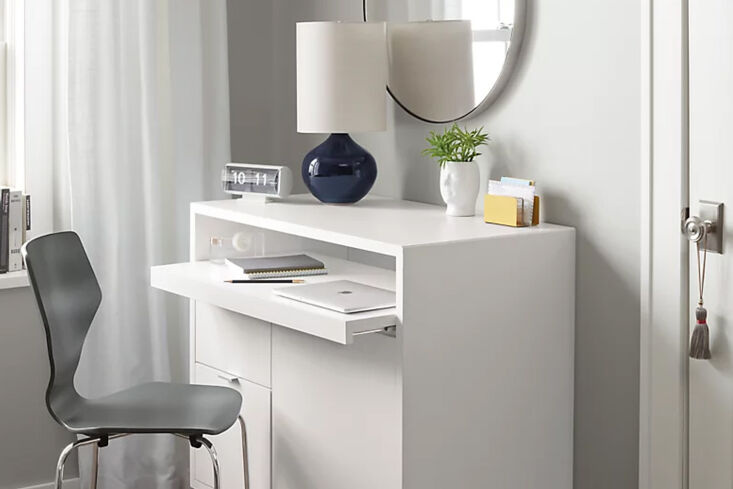
5. Pull-Out Cabinet Trays
For those lucky enough to have built-in bookshelves or a large kitchen island, integrating a pull-out tray is a seamless way to add a workspace. It utilizes the same hardware as high-end kitchen drawers but is reinforced to hold the weight of a laptop and a person's forearms.
6. The Rotating L-Shaped Desk
The rotating L-shape is perfect for corner optimization. One side of the desk can remain fixed against the wall as a console, while the second tier "swings out" to create an L-shaped workstation when you need the extra surface area for documents or a second screen.
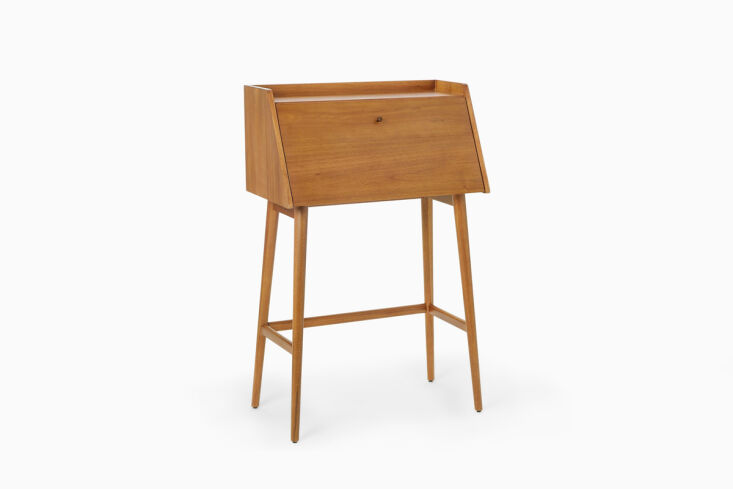
7. Mid-Century Mini Secretary
If your home leans toward heritage decor or "Warm Minimalist" vibes, a mid-century mini secretary is your best bet. These pieces are often made of warm walnuts or oaks and feature tapered legs that keep the floor space looking open and airy.
8. The Lift-Top Coffee Table Office
For studio apartments, the living room is the office. A lift-top coffee table allows you to work from the sofa (though I suggest a lumbar pillow for support!). The top lifts up and forward, bringing the laptop to a comfortable height while you sit.
9. Behind-the-Sofa Console Desks
A long, slim console table placed behind your sofa can act as a room divider in an open-concept space. During the day, it's a desk; at night, place two decorative lamps and a few coffee table books on it, and it transitions back into a classic console.
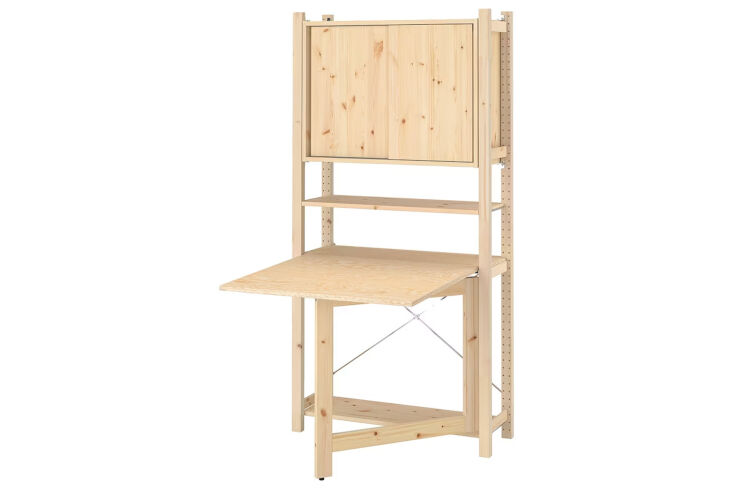
10. The 'Ivar' Style Ladder Desk
Modular and budget-friendly, ladder desks like the Ikea Ivar system are industrial workhorses. They use vertical height rather than horizontal width, making them perfect for high-ceilinged small apartments.
Hidden Desk Comparison: At a Glance
| Desk Type | Floor Space Saved | Best For | Weight Capacity |
|---|---|---|---|
| Wall Secretary | 100% (Zero Footprint) | Apartments/Bedrooms | Moderate (30-50 lbs) |
| Cloffice/Armoire | 12-15 sq ft | Multi-monitor setups | High (100+ lbs) |
| Floating Ledge | 100% | Hallways/Nooks | Low (20-40 lbs) |
| Lift-Top Table | 100% (Dual Use) | Studio Apartments | Low (15-25 lbs) |
| Console Desk | 5-8 sq ft | Open Living Rooms | Moderate (50-70 lbs) |
Ergonomic Standards: When Form Meets Function
As much as I love a beautiful piece of furniture, your spine doesn't care about aesthetics. When integrating a disappearing home office furniture piece, you must check these three non-negotiables:
- The 29-30 Inch Rule: Standard desk height is 29 to 30 inches from the floor. Anything higher will cause shoulder strain; anything lower will lead to slouching.
- Knee Clearance: Many hidden desks have drawers or support beams that can bang against your knees. Ensure you have at least 15 inches of depth for your legs to move freely.
- The Peripheral Depth: If you use an external monitor, you need a desk depth of at least 20-24 inches to maintain a healthy distance between your eyes and the screen. For laptop-only users, 15-18 inches is usually sufficient.
Styling Your Living Room Office Combo
Once the desk is chosen, the next step is "visual camouflaging." The goal is to make the office elements feel like part of the decor.
- Biophilic Softening: Tech can look "cold." I recommend placing a trailing plant like a Pothos or a Philodendron on the top shelf of your secretary desk. The greenery softens the hard edges of monitors and laptops.
- Acoustic Control: If your office is in the living room, sound is an issue. Use fabric-wrapped acoustic panels that look like modern art to dampen echo during Zoom calls.
- Zoned Lighting: Use a high-quality, slim LED task light for work. When the desk is closed, switch to warm, ambient floor lamps to transition the room back into a relaxation zone.
Technical Checklist: Buying Your Next Desk
Before you click "Add to Cart," go through this checklist to ensure your hidden desk won't just be a beautiful mistake.
- Material Durability: For fold-down desks, I prefer real wood or high-pressure laminates. Cheap particle board can crumble around the hinges after repeated opening and closing.
- Weight Capacity: Check the "static load" rating. If you plan on using a heavy 27-inch iMac, you need a desk rated for 70lbs+.
- Cable Management: Does it have a grommet hole? If not, are you comfortable drilling one? Nothing ruins a "hidden" desk like a waterfall of white cables.
- Portability: If you are a renter, consider "kit" desks that can be disassembled easily.
FAQ
Q: Can I use a regular dining chair for my hidden desk? A: For an hour or two, yes. But for a full workday, I recommend a "stylish ergonomic" chair—something with a swivel and mesh back that still looks like a modern accent chair. Avoid the bulky black plastic "gaming" chairs if you’re trying to hide your office in a living room.
Q: Are wall-mounted desks safe for drywall? A: Only if you hit the studs! Never mount a fold-down desk using only drywall anchors. The leverage created when you lean on the desk can easily pull the screws out of the wall.
Q: How do I hide a large monitor in a small desk? A: Look for "Armoire" style desks or deeper secretary desks. Alternatively, use a monitor arm that allows you to push the screen flat against the back of the cabinet when not in use.
The Final Word from Ivy
Creating a home office in a small space doesn't have to be an exercise in compromise. By choosing "disappearing" solutions, you’re not just saving space; you’re curated a home that respects your work and your rest equally. Start with the "Hidden Desk Ideas" above, but always measure twice—your ergonomic health depends on it!