For nearly a decade, we have lived within the hushed, almost clinical confines of "millennial gray" and sterile minimalism—spaces that looked impeccable on a smartphone screen but often felt devoid of soul. As we look toward the 2026 design horizon, that coldness is finally thawing. The shift is palpable; market data indicates a staggering 45% increase in consumer interest for "character-rich" interiors that prioritize emotional connection and lived-in warmth over polished perfection. We are moving away from the showroom look and toward the "Serene Roman" aesthetic, a style epitomized by the legendary Studio Strato’s 'Ping Pong House' in Rome. It is a design philosophy that celebrates the patina of time, the weight of history, and the quiet luxury of space that breathes.
The Legacy of the Ping Pong House
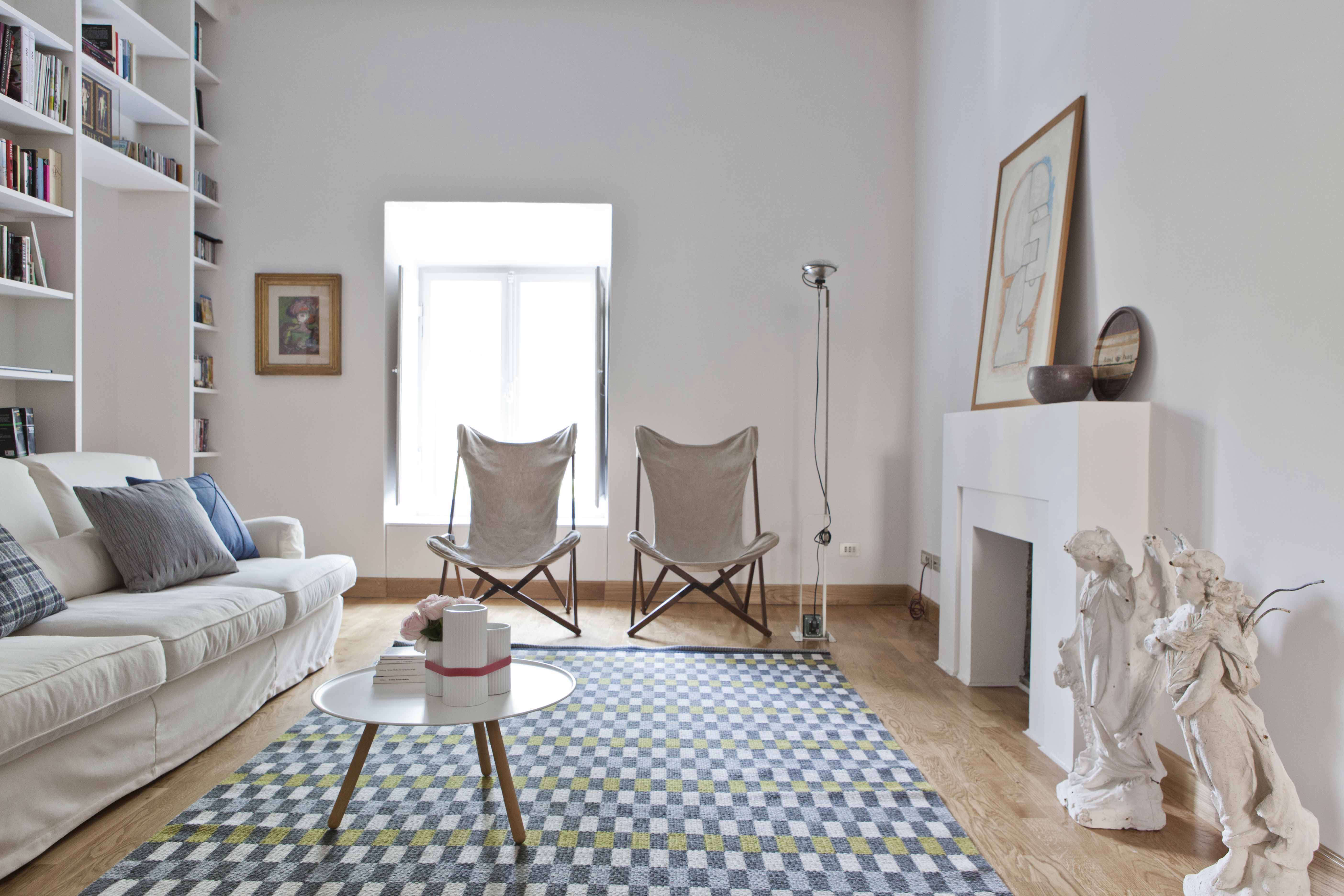
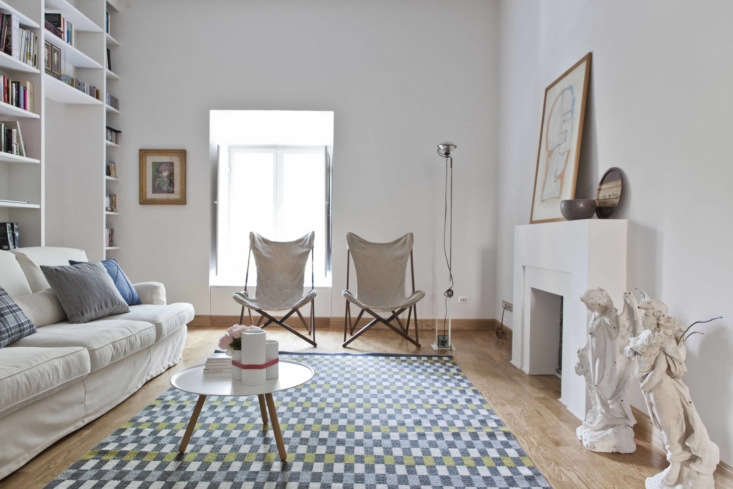
To understand where we are going in 2026, we must look at the architectural poetry of Studio Strato’s work in Rome. The 'Ping Pong House' isn't just an apartment; it’s a masterclass in balancing the grandiosity of Italian heritage with the airy lightness of modern life. It proves that a home can be both a sanctuary and a statement. This aesthetic is the heartbeat of the 2026 trend, focusing on "emotional well-being"—the idea that your living room should wrap you in a sense of calm the moment you cross the threshold.
The Palette: Beyond Stark White
The first step in recreating this Roman serenity is rethinking your foundation. For years, we reached for the brightest, crispest whites, but the 2026 Roman look demands something softer, something that captures the way Mediterranean light hits ancient plaster.
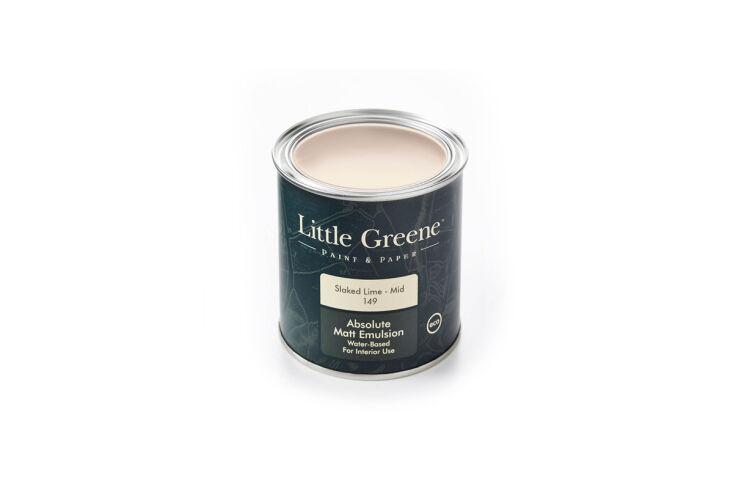
The core of this look is a move toward "cloud-colored" walls. Specifically, I recommend Little Greene’s Slaked Lime. It is a multi-tonal white that shifts beautifully throughout the day, providing a warm, chalky backdrop that feels expensive yet understated.
However, a Roman living room isn't just about neutrals. To achieve depth, you must layer in Mediterranean-inspired hues:
- Olive Greens: Used in textiles or large potted citrus trees to ground the room.
- Watery Blues: Think of the faded frescoes of Pompeii; use these in velvet cushions or small ceramic accents.
- Terracotta: Not the bright orange of cheap pots, but the deep, weathered umber of sun-baked Roman rooftops.
Pro Tip: When painting, don't stop at the walls. The 2026 trend embraces "color drenching"—painting your baseboards, window frames, and even the ceiling in a single saturated hue (or a slight variation of your wall color) to create an "enveloping space" that feels like a warm embrace.
From the Cloud-Colored Walls to the Fibers Beneath Your Feet
In a Serene Roman interior, texture is the new luxury. We are seeing a decisive move away from smooth, synthetic surfaces toward materials that demand to be touched. Recent designer surveys reveal that 82% of industry experts are now prioritizing contemporary interpretations of classical designs and natural fibers to ensure longevity and sustainability.
The foundation of your "floor-scape" should be a high-texture rug. Look for linen and wool blends, such as the Arkad Retro Graphic or heavy flat-weaves. These materials age gracefully, developing a character that synthetic rugs simply cannot mimic. By choosing natural fibers, you aren't just following a trend; you are investing in a "future-proof" heirloom that aligns with the 2026 focus on sustainable, high-quality living.
The Modern Roman Silhouette: Key Furniture Pieces
The furniture of 2026 is defined by its silhouette—low, sculptural, and unapologetically comfortable. In a Roman-inspired living room, you want a mix of the heavy and the ethereal.
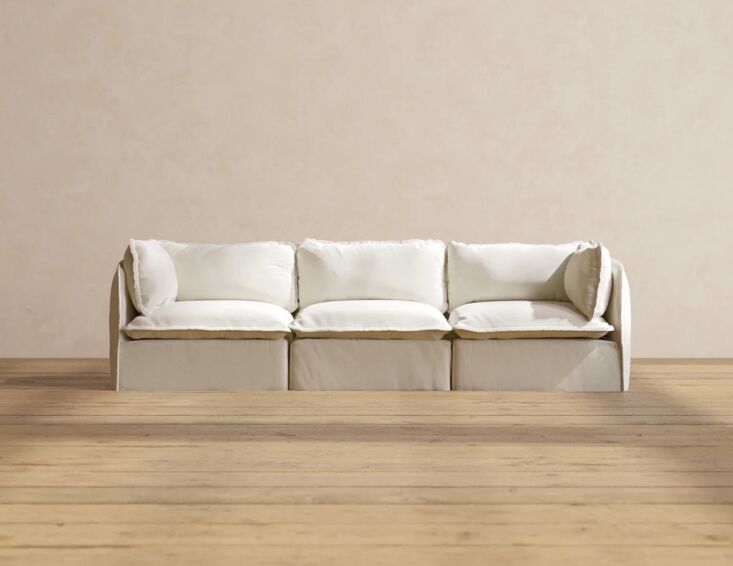
The Seating Strategy Start with a low-profile, washable sofa in an eggshell or "oatmeal" tone. Models like the Anabei are perfect for this; they offer the sumptuous look of a bespoke Italian piece with the practical necessity of being entirely life-proof. This "functional luxury" is a cornerstone of the modern Roman home.
To contrast the softness of the sofa, introduce the iconic Tripolina chair. Originally a 19th-century military chair, its canvas and wood frame provides a rustic, "safari-meets-salon" vibe that is quintessential to Italian summer houses.
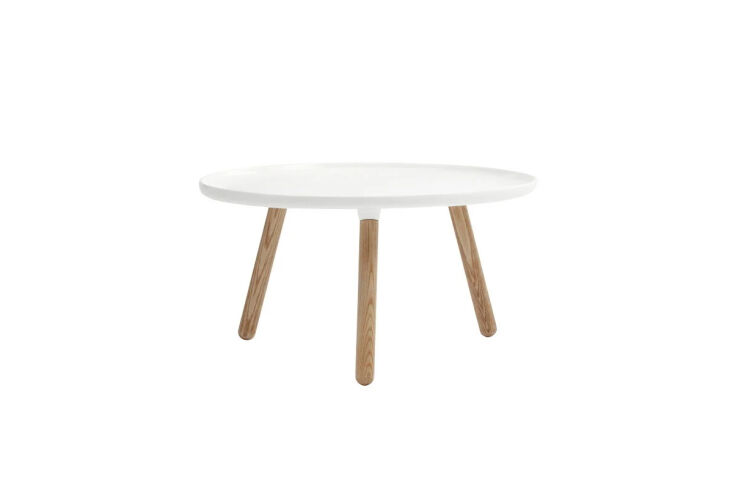
Sculptural Tables Forget the bulky, rectangular coffee table. 2026 is the year of "functional art." Look for pieces like the Tablo table, which features a tripod base and a clean, sculptural silhouette. These pieces act as anchors in the room, drawing the eye without cluttering the visual field.
Accessories: Neo-Collectible Design & Statuary
A Roman living room without a nod to antiquity is simply a modern room. However, the 2026 approach is not about creating a museum; it’s about "Neo-Collectible" design—mixing architectural salvage with modern art.
- Gypsum Statuary: Incorporate small plaster models of classical columns or busts. Place them on top of a stack of linen-bound books rather than on a pedestal to keep the look casual.
- Architectural Salvage: A weathered stone corbel used as a bookend or a piece of reclaimed timber as a mantelpiece adds that essential "lived-in" history.
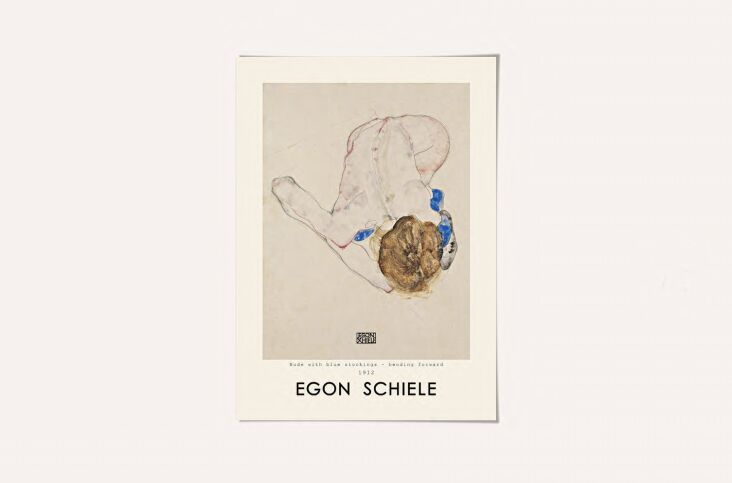
- The Art of the Mute: For wall art, choose pieces that bridge the gap between old and new. Muted posters of Egon Schiele’s 'Woman with Blue Stockings' or simple line drawings provide a sophisticated, slightly moody contrast to the light walls.
Industrial Minimalism meets Italian Flare: Lighting
Lighting is where the Serene Roman aesthetic gets its "edge." While the furniture is soft and the walls are chalky, the lighting should be sharp, industrial, and undeniably Italian.
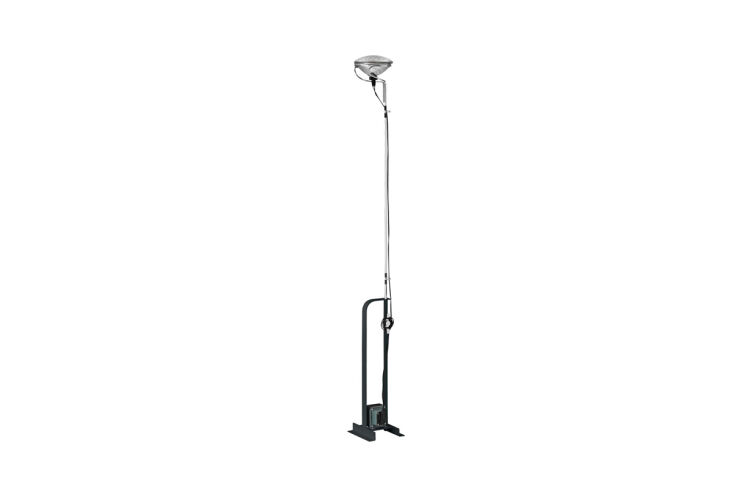
The Flos Toio LED Lamp is the "object of desire" for this trend. Designed by the Castiglioni brothers, it features an exposed transformer and a car headlight, epitomizing the blend of industrial utility and high design. It provides a vertical sculptural element that balances the low seating.
Lighting: Splurge vs. Save
| Feature | The Splurge: Flos Toio | The Save: IKEA Hårslinga (Modified) |
|---|---|---|
| Aesthetic | Authentic Italian Industrial | Modern Minimalist |
| Materials | Steel, Nickel-Plated Brass | Painted Steel |
| Light Quality | Dimmable, High CRI LED | Standard Bulb / Smart Bulb |
| Design Status | Museum-collected Icon | Budget-friendly Alternative |
Sourcing "Objects with Soul": The End of Fast Furniture
As we move toward 2026, the most significant shift is philosophical. We are moving away from "fast fashion" for the home. To truly recreate the Roman aesthetic, you must source items with a narrative.
Whether it’s a vintage ceramic vase found at a local market or a contemporary chair made by an artisan who uses traditional wood-joining techniques, these "objects with soul" are what make a space feel serene. They carry a weight—both literal and metaphorical—that mass-produced items cannot provide.
The 2025 vs. 2026 Design Comparison
| Element | 2025: Sterile Minimalism | 2026: Serene Roman Aesthetic |
|---|---|---|
| Color Palette | Cool Grays & Pure White | Slaked Lime, Olive, & Terracotta |
| Finishes | Matte Black & Polished Chrome | Patinated Brass & Natural Stone |
| Textiles | Smooth Synthetics | Heavy Linens & Bouclé |
| Philosophy | "Less is More" | "Meaningful & Lived-in" |
FAQ
Q: Can I achieve this look in a small apartment without high ceilings? A: Absolutely. In fact, the "Serene Roman" look works beautifully in smaller spaces because of the focus on low-profile furniture. Using the "color drenching" technique on your walls and ceiling can actually make a small room feel more expansive and "enveloping" rather than cramped.
Q: How do I incorporate color without losing the "serene" feeling? A: The key is to keep your colors "dusty" or muted. Instead of a bright navy, choose a watery, grayish blue. Instead of a vibrant green, choose a sage or olive. These colors occur naturally in nature and have a calming effect on the nervous system.
Q: Where is the best place to find "Neo-Collectible" statuary? A: Look beyond traditional furniture stores. Check architectural salvage yards, university art department sales (for gypsum models), and even vintage shops on Etsy or 1stDibs. The goal is to find pieces that feel like they have a history.
Creating a Serene Roman living room isn't about a single purchase; it’s about a curation of textures, a celebration of light, and a commitment to quality over quantity. By embracing the "lived-in" warmth of 2026, you aren't just decorating a room—you're crafting a sanctuary for the soul.