Walking through the frenetic energy of London’s Old Street—a place where tech-led ambition meets the grit of urban transformation—one rarely expects to find a sanctuary of stillness. Yet, tucked behind a cluster of historic brick facades lies Cloisters, a 3,000-square-metre co-working masterpiece that feels less like a corporate hub and more like a meditative retreat. Designed by the visionaries at Daytrip Studio, Cloisters is not just another coworking space in the heart of the "Silicon Roundabout"; it is a profound reimagining of the modern workplace soul.
For the modern professional, the office is no longer just a place to plug in a laptop; it is a destination for inspiration, a container for community, and, increasingly, a reflection of one’s values. Cloisters delivers on all three fronts. By weaving together a series of disparate historic buildings into a cohesive, rhythmic whole, Daytrip Studio has created a space where the patina of the past meets the precision of future-forward design.
The Visionaries: Daytrip Studio’s Philosophy
At the heart of Cloisters is the design ethos of Emily Potter and Iwan Halstead, the founders of Daytrip Studio. Known for their ability to breathe life into historic shells without stripping away their character, Potter and Halstead approached Cloisters with a "listen-first" mentality. Their work here is a masterclass in architectural archaeology—finding the "soul" of the buildings and then layering on contemporary interventions that feel both bold and inevitable.
Daytrip’s philosophy centers on the idea that a workspace should be a sensory experience. In a world of digital saturation, they prioritize the tactile: the grain of a timber desk, the cool touch of an original brick wall, and the way light filters through hand-blown glass. They don’t just design rooms; they curate atmospheres.
"Our goal wasn't to hide the age of the building, but to celebrate its scars and stories while providing a high-performance environment for the modern worker." — Iwan Halstead, Co-founder of Daytrip Studio.
Celebrating the Past: Restoring Historic Fabric
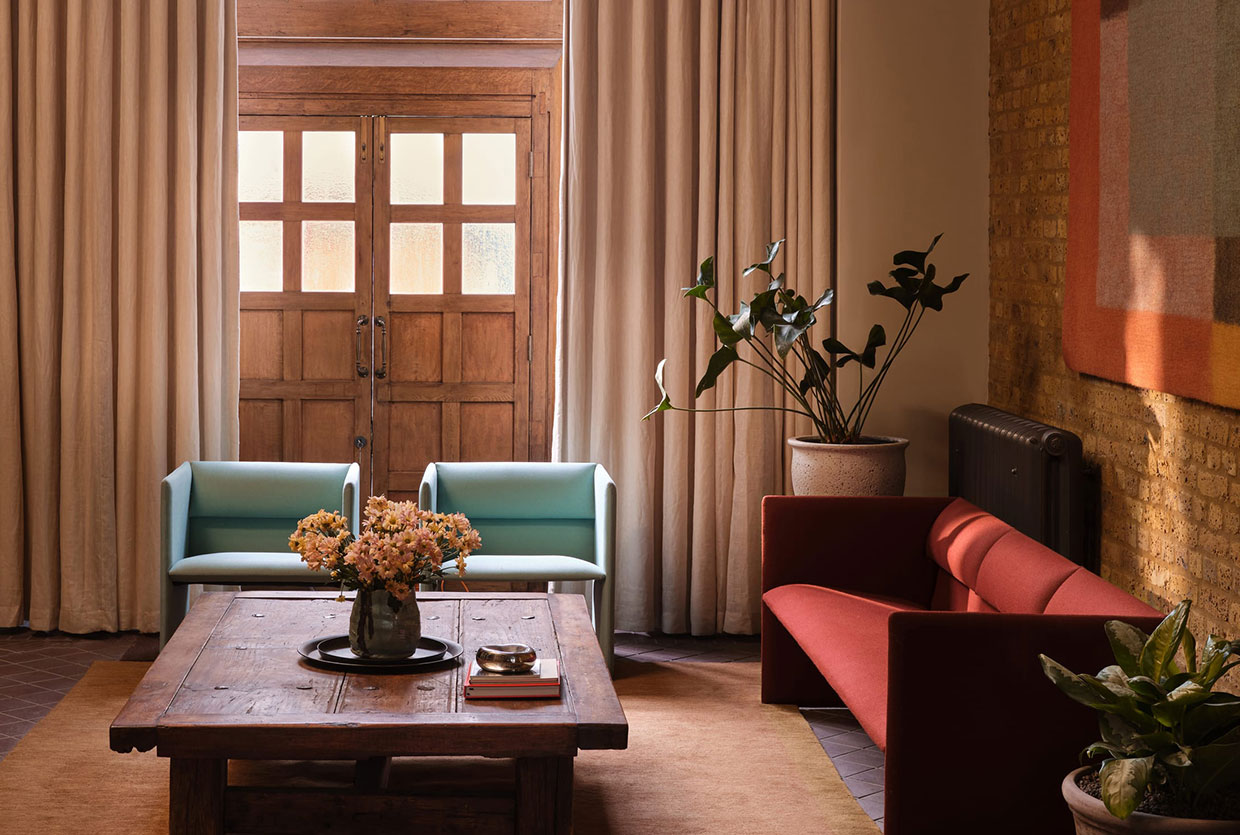
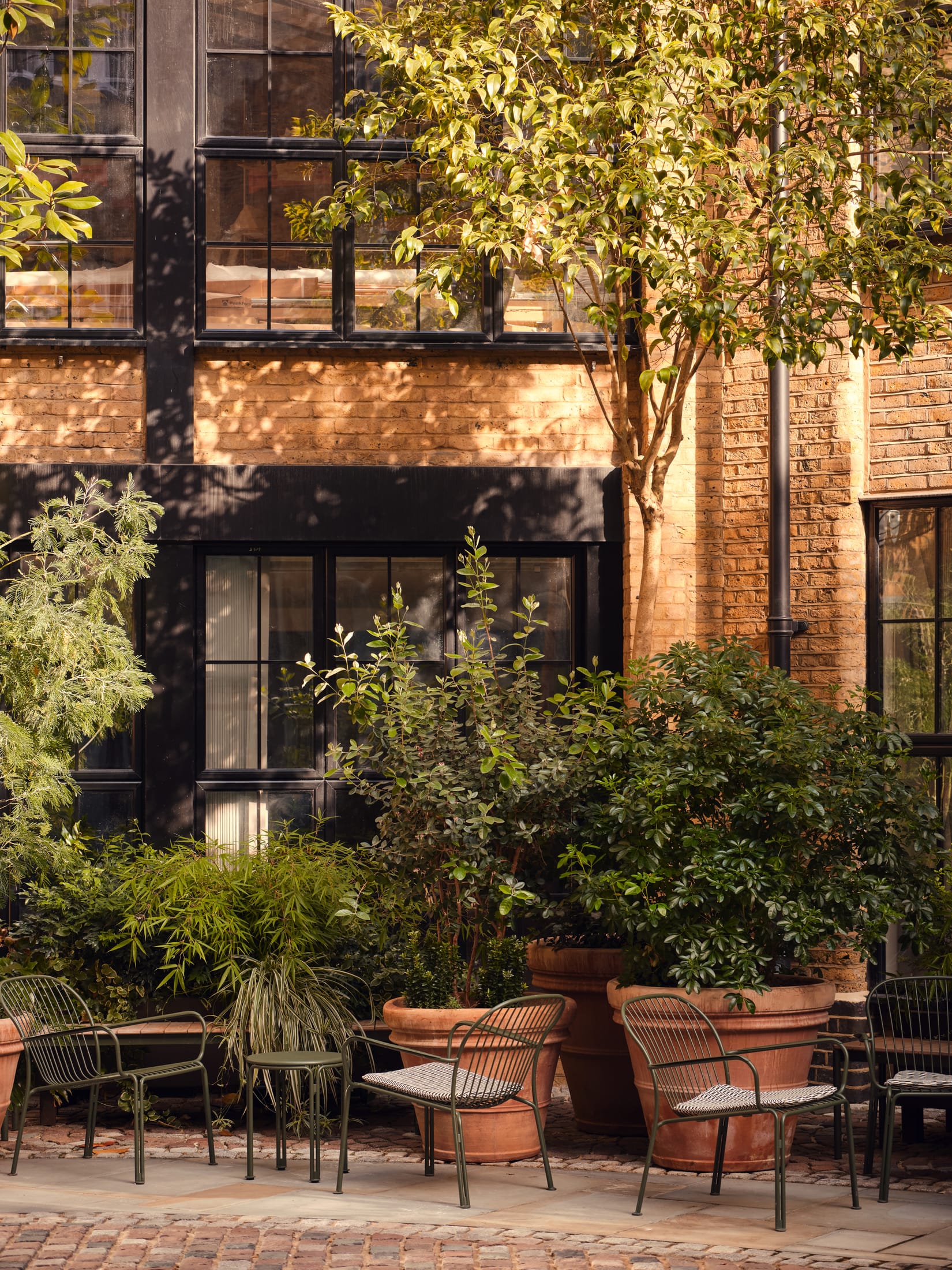
The magic of Cloisters lies in the details that most developers might have discarded. The studio spent months meticulously restoring Stuart-period doors and preserving delicate hand-blown glass panels that tell the story of London's architectural evolution. Instead of the sterile, "glass-and-steel" aesthetic common in tech hubs, Cloisters leans into the warmth of the original building materials.
The flooring serves as a grounding element throughout the expansive 3,000-square-metre floor plan. Original quarry tiles, with their deep terracotta hues and earthy texture, have been lovingly restored, providing a rhythmic foundation that guides members through the various interconnected zones.
The Modern Layer: 2026 Design Trends in Action
While the bones of Cloisters are steeped in history, the interior styling is decidedly forward-looking. As we look toward the workplace trends of 2026, Cloisters serves as a blueprint for the "hybrid workpoint"—a shift away from fixed, rigid desks toward fluid environments that support both deep focus and spontaneous collaboration.
Daytrip Studio has curated a furniture palette that is both functional and artful. You won't find generic office chairs here. Instead, the space is dotted with:
- Philippe Malouin-designed chairs: In striking shades of burgundy and aqua, these pieces provide a pop of contemporary color against the raw brick.
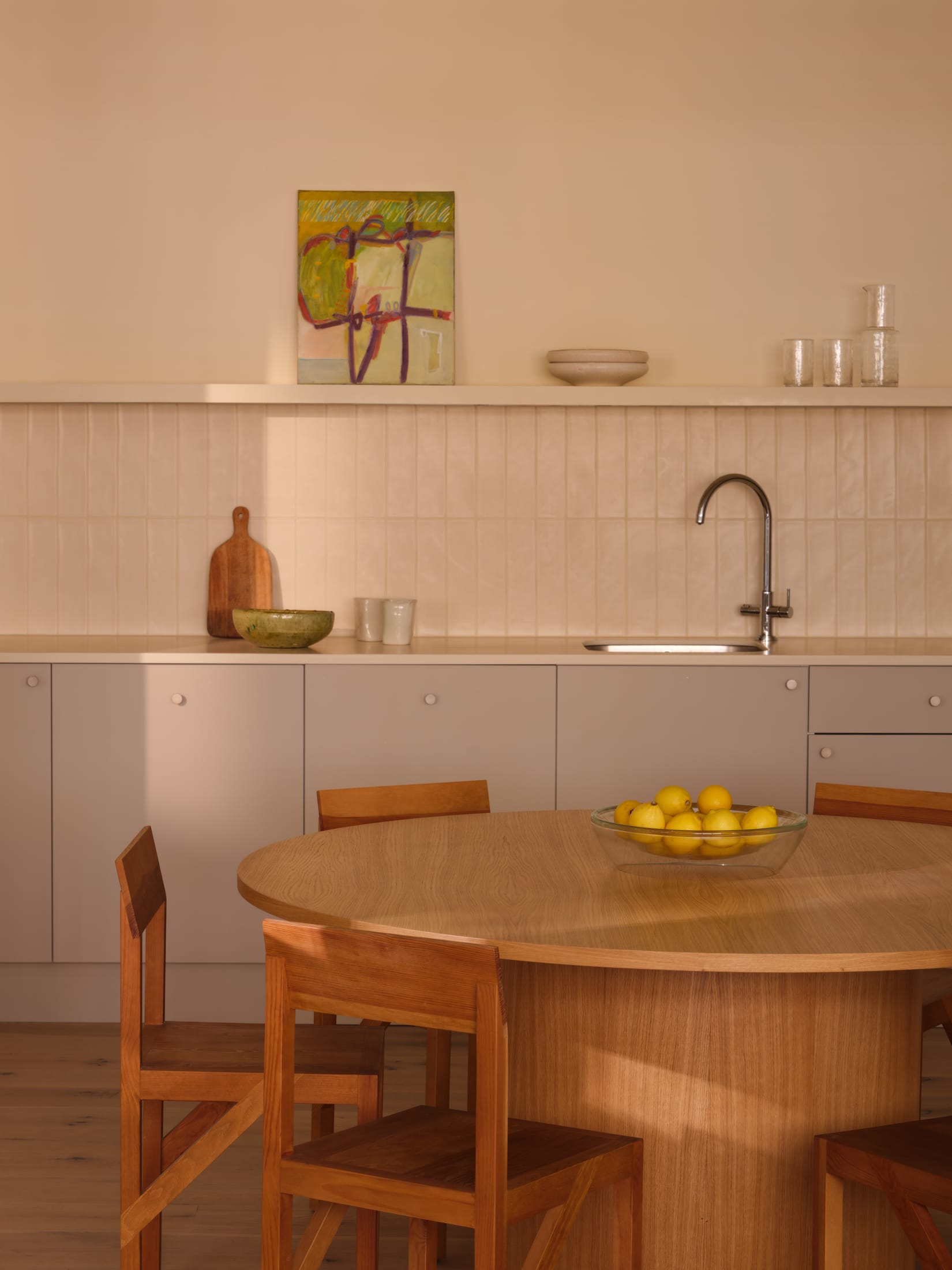
- Frama Oak Furniture: Scandi-inspired minimalist pieces that bring a sense of domesticity and warmth.
- Invisible Tech: One of the most impressive feats is the integration of modern comforts. Radiant heating and cooling systems are hidden within the design, ensuring the historic aesthetic isn't interrupted by clunky air conditioning units.
Sustainable Soul: 100% Recyclable Workspaces
In an era where environmental responsibility is non-negotiable, Cloisters sets a high bar for the coworking industry. The commitment to sustainability here isn't just about a few potted plants; it's baked into the very fabric of the furniture.
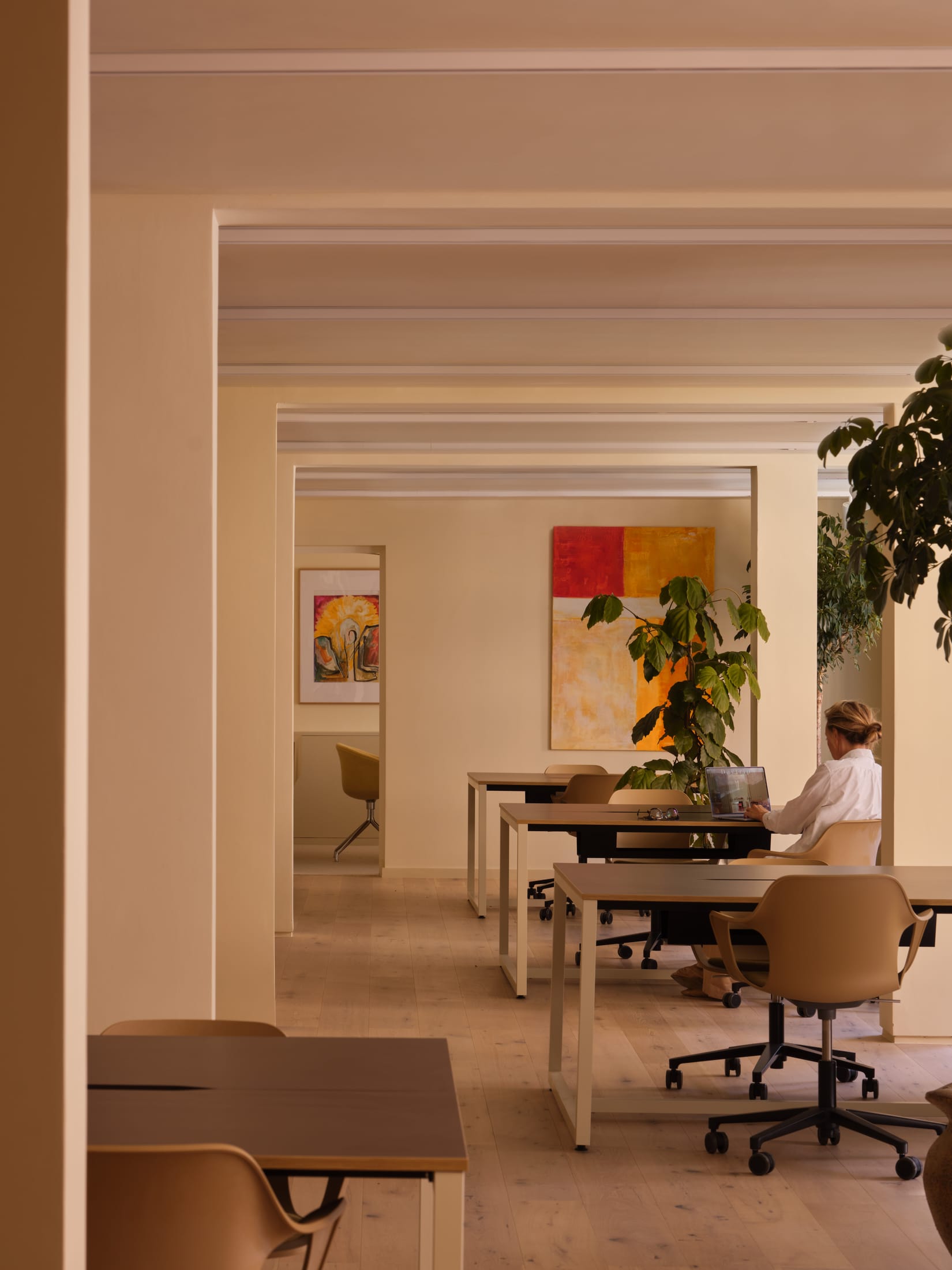
Through a collaboration with Rawside Furniture, Daytrip ensured that the workstations are as kind to the planet as they are to the user. A staggering 100% of the workstation furniture—including the desks and the shell chairs made from recycled plastic—is designed to be fully recyclable at the end of its life cycle.
Sustainable Material Highlights:
- Recycled Plastic Shells: Durable, ergonomic chairs that give a second life to plastic waste.
- Locally Fabricated Desks: Minimizing carbon footprint through local London-based manufacturing.
- Circular Design: Every element of the desk setup can be disassembled and repurposed, ensuring zero-to-landfill potential.
Biophilia and Well-being: The Central Courtyard
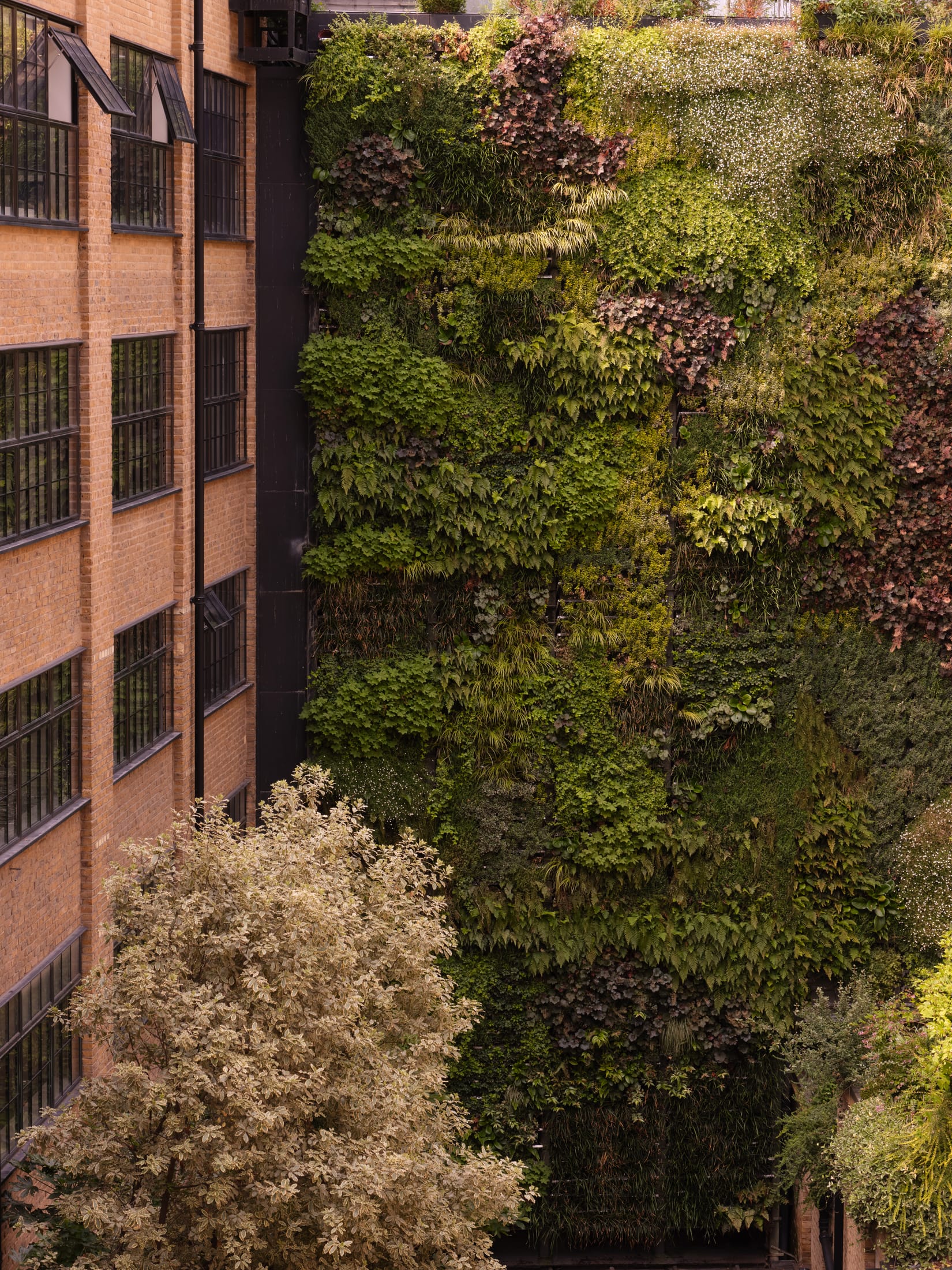
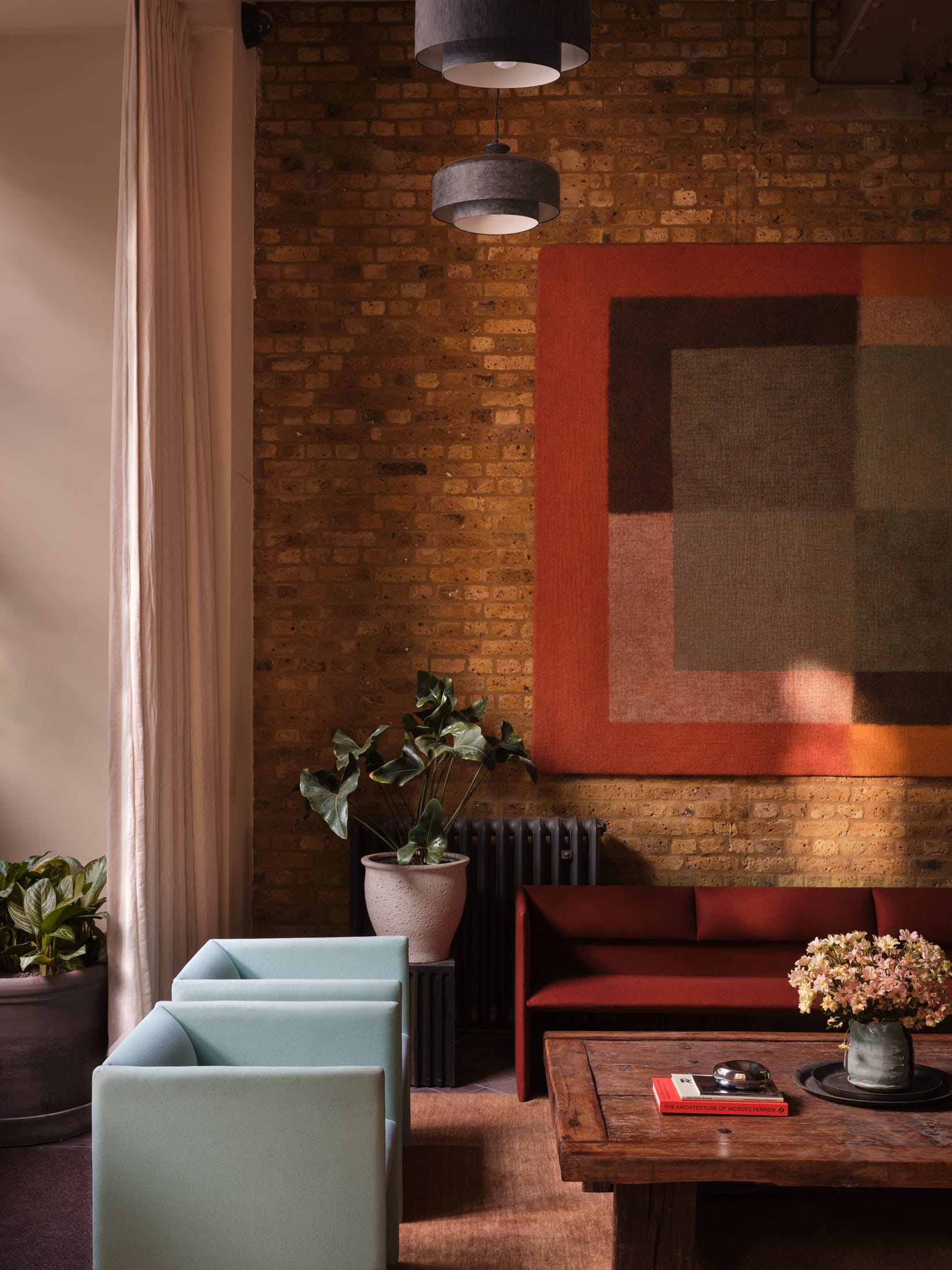
The crown jewel of Cloisters is undoubtedly its central courtyard. In the dense urban environment of Old Street, this "secret garden" offers a rare moment of respite. The courtyard is more than just an outdoor seating area; it is a masterclass in biophilic design, which prioritizes the human connection to nature to improve mental well-being and productivity.
The space features:
- Living Green Walls: Lush vertical gardens that soften the brickwork and improve air quality.
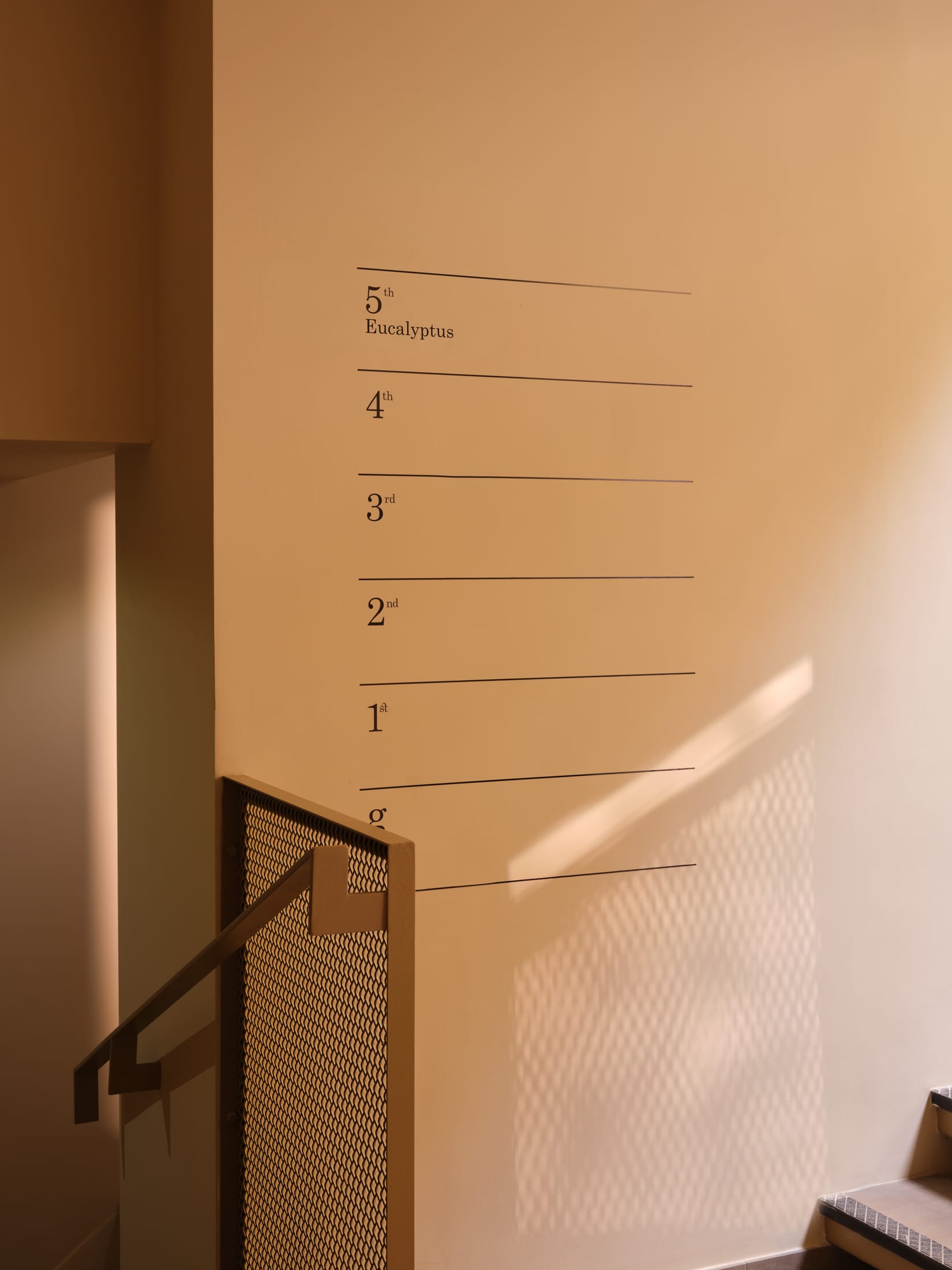
- Artisanal Signage: Hand-painted signage on the original brick, executed with a level of craftsmanship that honors the building's heritage.
- Expert Planting: Curated by the renowned Conservatory Archives, the plant life is chosen for its ability to thrive in the London climate while providing a lush, forest-like backdrop for meetings or morning coffees.
Redefining the Future of the Office
As an editor, I often see "modern" offices that feel like they’ve been copy-pasted from a catalog. Cloisters is the antithesis of that. It proves that the most successful modern spaces are those that respect the lineage of their location while fearlessly embracing the future.
The "soul" of Cloisters isn't found in a single design choice, but in the tension between the rough and the smooth, the historic and the new. It’s in the way a Stuart-period door opens to reveal a room of 100% recyclable, 3D-modeled furniture. It’s a template for what the workplace must become: a human-centered, experience-driven destination that rewards the senses.
Quick Facts: Cloisters at a Glance
| Feature | Details |
|---|---|
| Location | Old Street, London (Tech Hub) |
| Total Area | 3,000 Square Metres |
| Architects | Daytrip Studio (Emily Potter & Iwan Halstead) |
| Key Partners | Rawside Furniture, Conservatory Archives, Frama |
| Sustainability Stat | 100% Recyclable Workstation Furniture |
| Core Elements | Stuart-period doors, quarry tiles, central courtyard |
FAQ
What makes Cloisters different from other coworking spaces in London? Unlike many coworking spaces that prioritize high-density seating and generic aesthetics, Cloisters focuses on the restoration of historic architectural details and the use of high-end, designer furniture like Philippe Malouin and Frama. Its commitment to 100% recyclable workstations and a biophilic central courtyard creates a uniquely soulful and sustainable environment.
Can anyone visit Cloisters, or is it members-only? Cloisters is primarily a coworking space for members, designed to cater to professionals in the creative and tech industries. However, they often host design-led events and tours for those interested in architectural restoration and modern workplace design.
How does the design improve employee well-being? The design incorporates biophilic elements, such as a central courtyard and green walls, which are proven to reduce stress. Additionally, the use of radiant heating/cooling (rather than forced air) creates a more comfortable and natural indoor climate.
CTA
If you're inspired by Daytrip Studio's approach to blending history with modernity, start by looking at your own space. Whether it's a home office or a corporate suite, focus on materials that last and designs that tell a story.