For many, the Algarve is a shorthand for sun-bleached cliffs and the rhythmic pulse of the Atlantic. But as we venture inland toward the Barrocal—the limestone transition zone between the coast and the mountains—the salt spray gives way to the scent of sun-warmed wild thyme and ripening citrus. This is the Algarve’s green heart, a landscape where "Slow Living" isn't a marketing slogan but a centuries-old survival strategy. Here, a new generation of winemakers and hoteliers is proving that luxury and environmental stewardship are not mutually exclusive.
The shift toward sustainable viticulture and heritage tourism is revitalizing the region's interior. For those seeking the best vineyard stays in the Algarve, the choices have evolved from simple rural guesthouses to sophisticated estates like Quinta do Pinheiro, which offers 19th-century agricultural cottages near the Ria Formosa reserve, and Morgado do Quintão, a heritage farmstead in Silves where the soul of the land is preserved amidst old-growth olive trees.
Heritage Farmstays: Sleeping in History
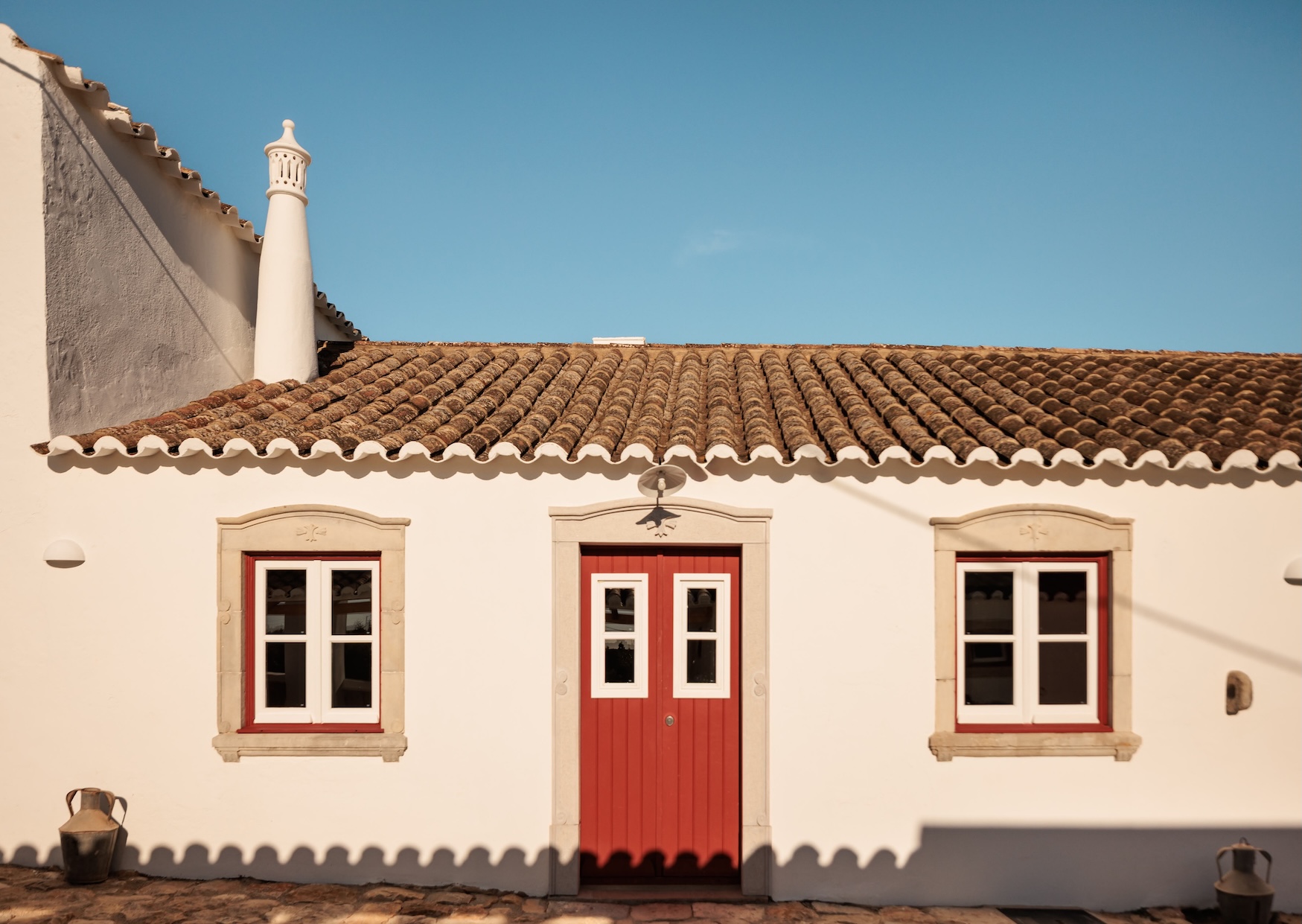
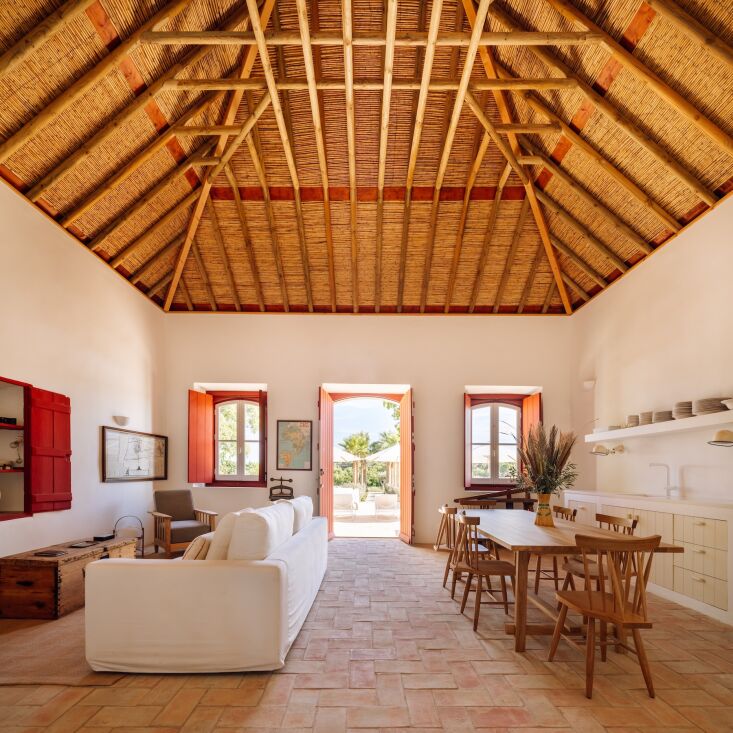
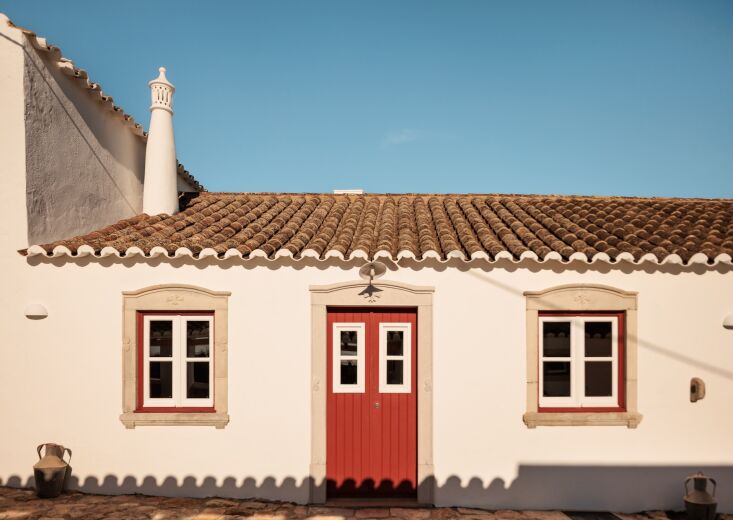
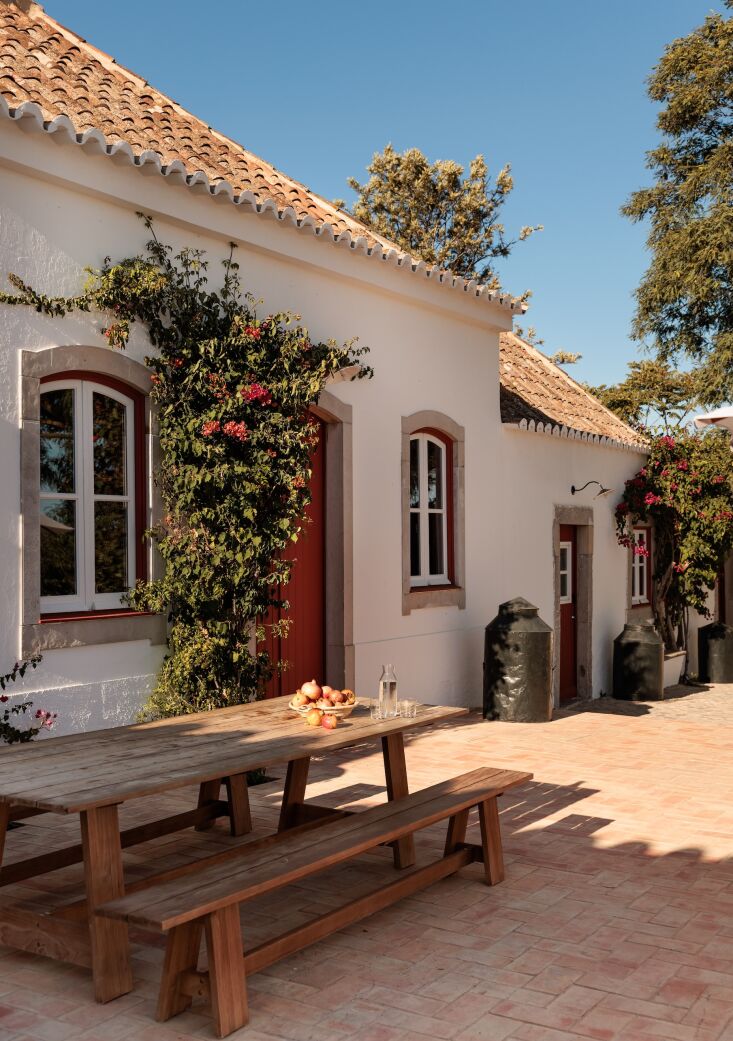
There is a profound sense of continuity when you step onto the grounds of a restored quinta. As an editor focused on sustainable materials, I am often struck by how the traditional Algarvean architecture—long dismissed as "rustic"—is actually a masterclass in passive climate control. Thick stone walls and locally sourced Santa Catarina terracotta tiles provide the thermal mass necessary to keep interiors cool during the sweltering August heat without the need for energy-heavy air conditioning.
Quinta do Pinheiro: 19th-Century Agricultural Cottages
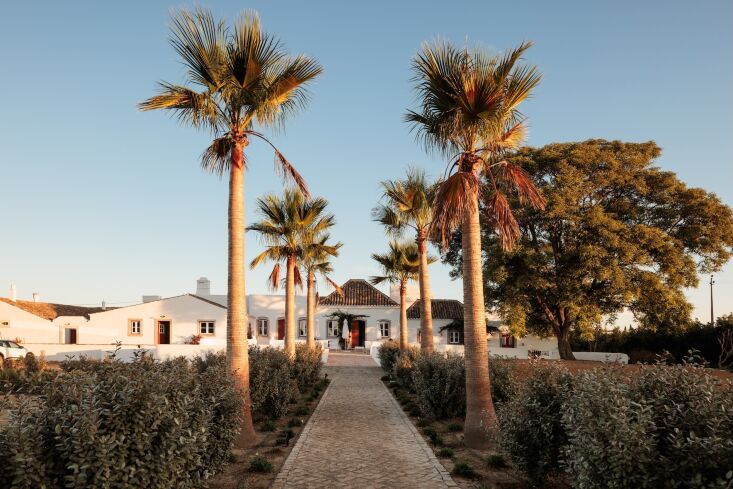
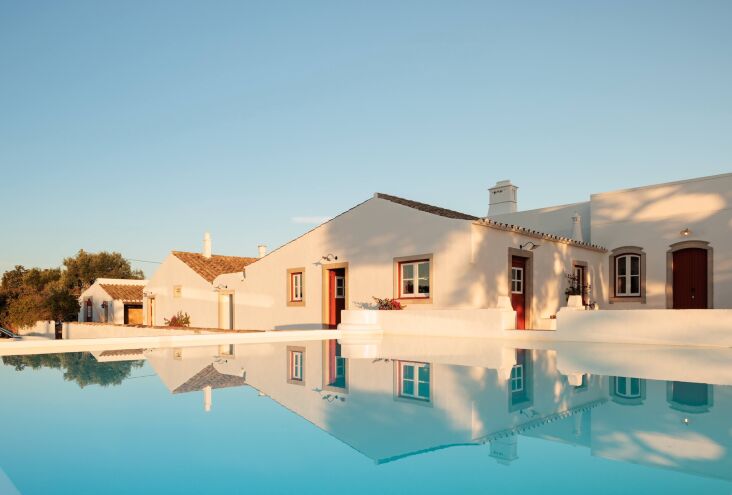
Located on the edge of the Ria Formosa Natural Park, Quinta do Pinheiro is a case study in regenerative architecture. The estate features five meticulously converted barns and outbuildings that preserve the spirit of their 19th-century origins.
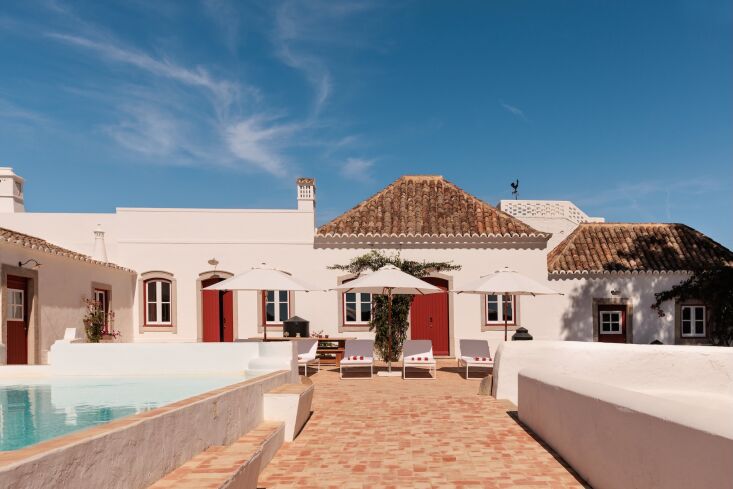
The crown jewel is the Casa Celeiro, a former granary. During the restoration, builders prioritized traditional techniques, utilizing lime-based mortars and local timber. The result is a space that breathes. Outside, the farm’s original water storage basins—historically used for irrigation—have been reimagined as swimming pools. This creative repurposing minimizes the carbon footprint of new construction while maintaining a functional link to the property’s hydraulic history.
Inside these cottages, the material palette is intentionally restrained. You will find:
- Santa Catarina Floor Tiles: Hand-pressed clay tiles that are soft underfoot and naturally cooling.
- Straw-Lined Ceilings: A traditional insulation method that provides excellent acoustic and thermal properties.
- Repurposed Farm Tools: Used as decorative elements, ensuring that nothing from the estate's history goes to waste.
Morgado do Quintão: The Soul of Silves
Further west, near the historic city of Silves, Morgado do Quintão represents the pinnacle of heritage tourism in the Algarve. Founded in the early 1800s by the Count of Silves, the estate has remained in the same family for generations. Today, it serves as a beacon for those interested in the intersection of history and modern viticulture.
The impact of this approach is measurable. Morgado do Quintão recently reported a significant milestone in heritage tourism, recording 20,000 visitor visits in a single year. These guests aren't just looking for a bed; they are coming for the experience of dining under a 2,000-year-old olive tree, eating locally sourced petiscos (tapas) paired with wines grown just meters away.
The Algarve Wine Renaissance: Rediscovering Indigenous Roots
For decades, Algarve wine was overshadowed by the massive yields of the Alentejo or the prestige of the Douro. However, the region is currently undergoing a "New Wave" renaissance. What makes Algarve wine unique today is a fierce commitment to indigenous grape varieties, most notably the Negra Mole.
Negra Mole is the only grape variety truly native to the Algarve. It is a genetic chameleon, capable of producing everything from pale, elegant rosés to light, vibrant reds that echo the "glou-glou" style of the Jura or Beaujolais. These wines are terroir-driven, often possessing a distinct saline edge—a "kiss of the Atlantic"—that complements the region's seafood-heavy diet.
The Algarve’s viticulture is divided into four distinct DOC (Denominação de Origem Controlada) regions, each with its own microclimate:
| DOC Region | Character | Key Varieties |
|---|---|---|
| Lagos | Coastal influence, high acidity | Negra Mole, Arinto |
| Portimão | Sandy soils, fruit-forward profiles | Castelão, Siria |
| Lagoa | The traditional heartland, older vines | Negra Mole, Trincadeira |
| Tavira | Warmer, more Mediterranean feel | Touriga Nacional, Roupeiro |
Lucas’s Tip: When tasting Negra Mole, look for "Old Vine" (Vinhas Velhas) labels. These deeper-rooted vines are more resilient to climate change and produce wines with a complexity that younger vines simply cannot match.
Hands-On Viticulture: Becoming a Winemaker
One of the most exciting trends in sustainable travel is the shift from passive observation to active participation. In the Algarve, this has manifested in a unique opportunity: the chance to actually make your own wine.
Quinta dos Vales: The Winemaker Experience
Located in Estombar, Quinta dos Vales has moved beyond the standard tasting room. Their "Winemaker Experience" allows wine enthusiasts to rent a 650-square-meter vineyard plot. Under the guidance of professional oenologists, participants manage their vines throughout the season.
The numbers are enticing for any aspiring cellar-master: a 650 m2 plot typically produces a yield of approximately 300 bottles of wine. Participants can choose to be as hands-on as they like, from pruning the vines in winter to the final barrel blending and bottling. It’s a profound way to understand the labor and environmental variables that go into every glass.
Arvad: Ancient Traditions Meet Modern Craft
If Quinta dos Vales is about the future, Arvad is about honoring the distant past. Situated on the banks of the Arade River near Silves, Arvad utilizes Sicilian amphorae (large clay pots) for fermentation. This ancient technique, while labor-intensive, allows for a pure expression of the fruit without the influence of oak. The tasting room here feels like a high-end safari lodge, offering panoramic views of the river—a reminder of how the Phoenicians once sailed these same waters to trade wine thousands of years ago.
The Future of Eco-Living: Sustainable Luxury Resorts
As we look toward the future of the Algarve, the focus is shifting toward large-scale carbon neutrality. Ombria Algarve is perhaps the most ambitious example of this. This 5-star sanctuary, featuring a Viceroy hotel and branded residences, is integrated into the existing cork and oak forests rather than clearing them.
Their sustainability strategy includes:
- Geothermal Energy: Utilizing the earth's stable temperature for heating and cooling systems.
- Solar Harvesting: Solar panels are integrated into the architecture to minimize visual impact while maximizing energy output.
- Water Recycling: Inspired by the traditional quintas like Quinta da Canhoto, Ombria uses advanced greywater recycling systems to maintain their grounds and golf course, a critical feature in a region prone to drought.
Gastronomy: Pairing the Terroir
Sustainable living extends to the plate. The Algarve's interior gastronomy is a celebration of "km 0" ingredients. When visiting these vineyards, the pairing experience is essential to understanding the local culture.
We recommend seeking out Arinto whites—known for their bracing acidity and citrus notes—to pair with grilled sardines or octopus. For the reds, particularly the lighter Negra Mole, try pairing them with locally cured Iberian pork or spicy chorizo.
In Portimão, restaurants like Sanleti are leading the charge in "New Wave" tapas, taking traditional ingredients and presenting them with contemporary flair. It is here, over a shared plate of sun-ripened tomatoes and a bottle of local wine, that the true spirit of the Algarve reveals itself.
Practical Travel Tips for Nature Lovers
To truly experience the Algarve's orchards and vineyards, timing and transport are key:
- Best Time to Visit: Spring (March to May) offers a carpet of wildflowers and mild temperatures. Autumn (September to October) is harvest season—the most vibrant time to be on a vineyard.
- Getting Around: While the coast is accessible by train, a rental car (preferably electric) is essential for navigating the Algarve Wine Route. Most sustainable estates now offer EV charging stations.
- Pack for the Barrocal: Even in summer, evenings in the interior can be cool. Bring a light linen jacket and sturdy shoes for vineyard walks.
FAQ
Can you make your own wine in the Algarve?
Yes. At Quinta dos Vales in Estombar, visitors can participate in the Winemaker Experience, which involves renting a 650 m2 vineyard plot to produce approximately 300 bottles of wine through personalized blending and bottling.
What is the best way to experience Algarve wine tourism?
The best way is to follow the Algarve Wine Route, focusing on the four DOC regions: Lagos, Portimão, Lagoa, and Tavira. Staying at a heritage farmstead like Morgado do Quintão or Quinta do Pinheiro provides an immersive experience that combines accommodation with viticulture.
What makes Negra Mole wine special?
Negra Mole is the Algarve's only indigenous grape variety. It is celebrated for its versatility, producing light-bodied, fresh, and vibrant red wines that are uniquely suited to the Mediterranean climate and the region's seafood-centric cuisine.