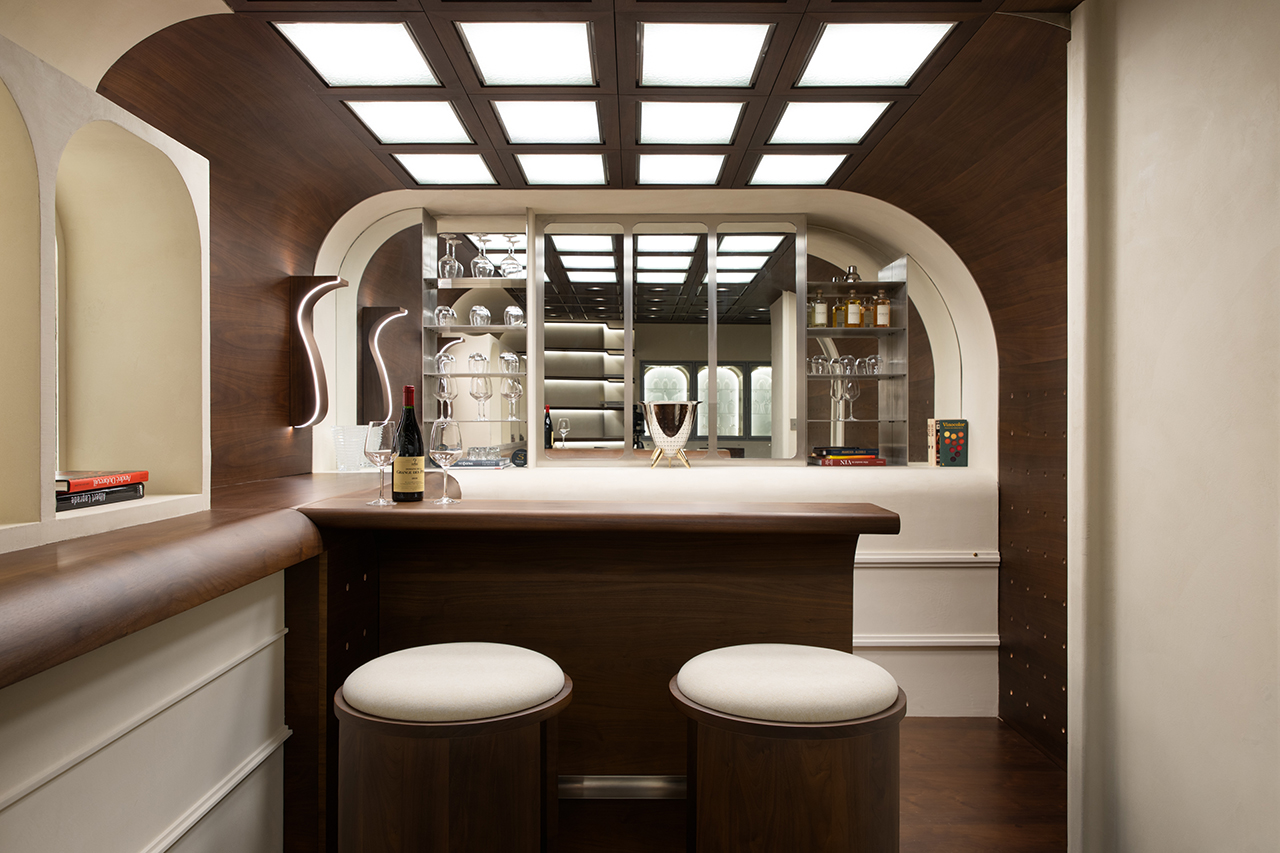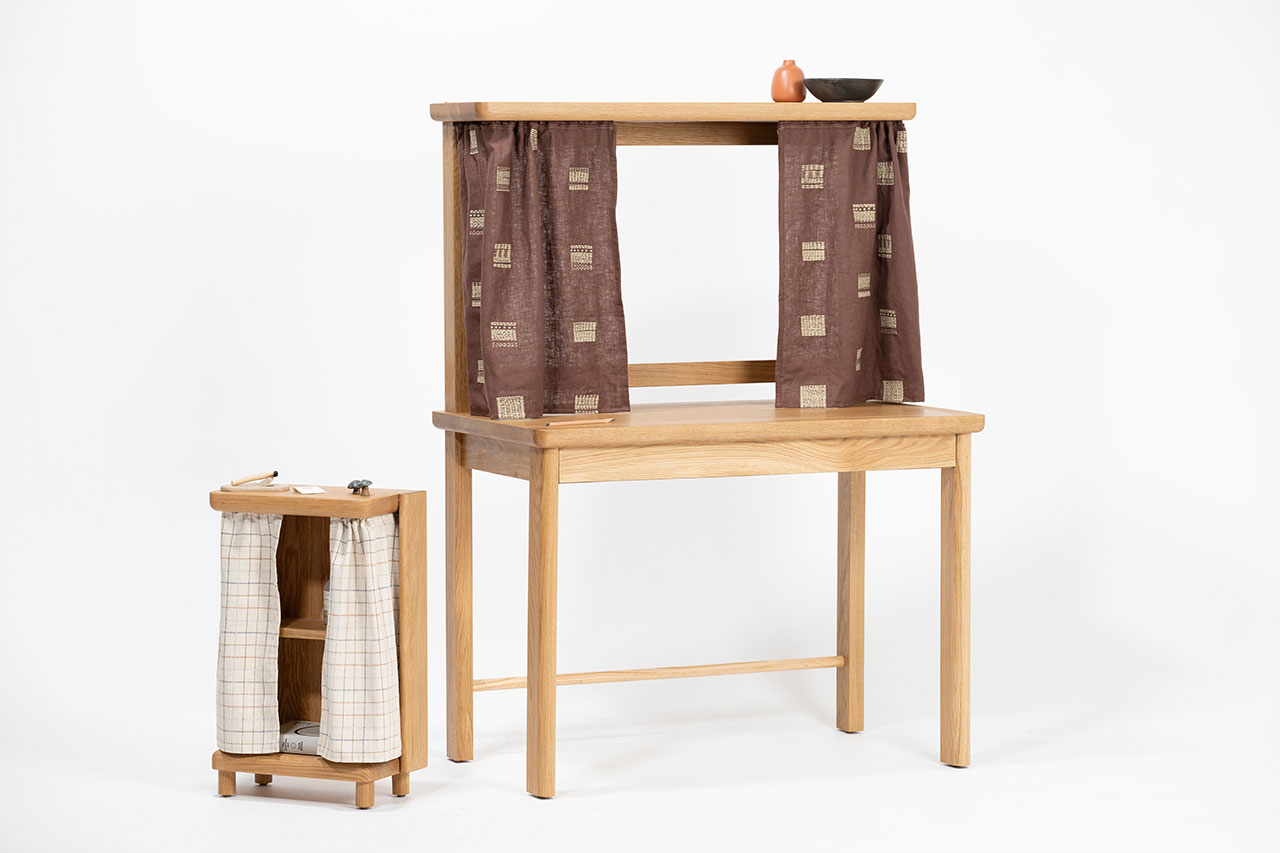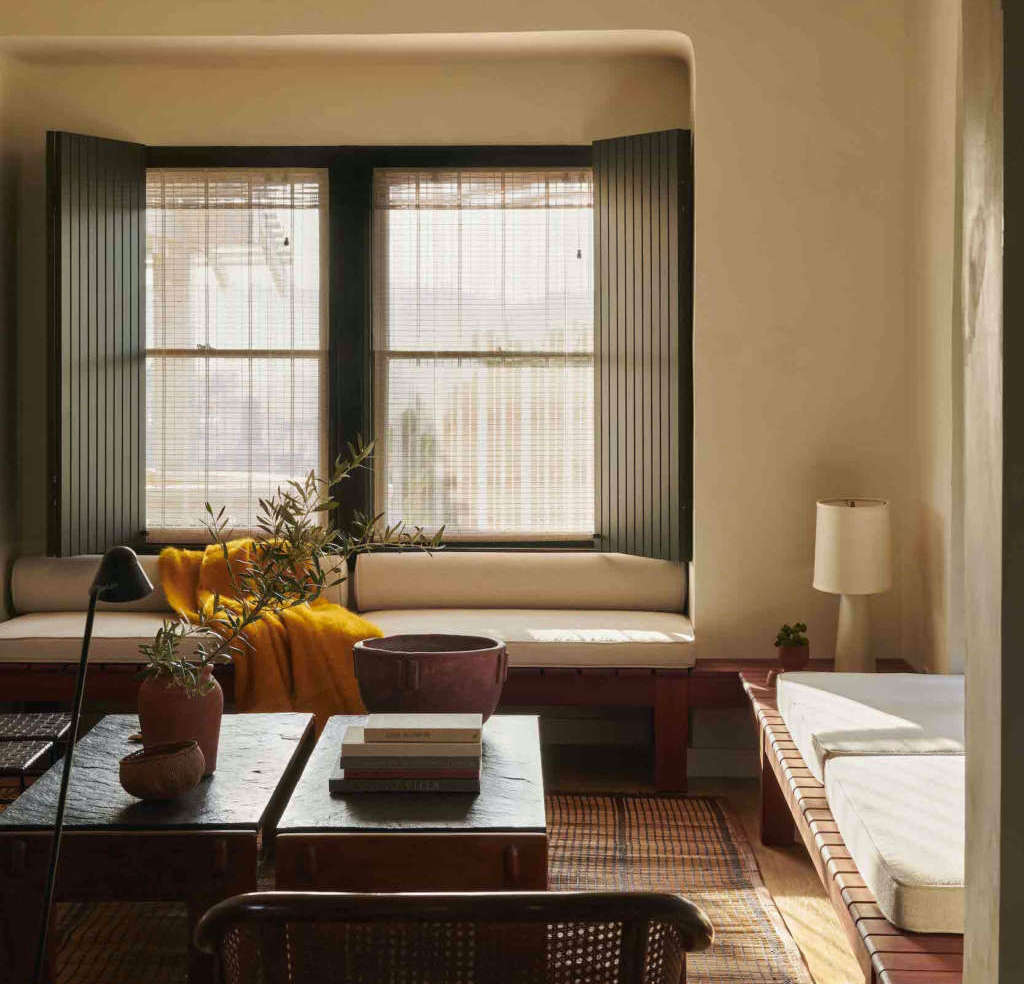
As we look toward the interior landscape of 2026, a profound shift is occurring in how we perceive our living spaces. We are moving away from the "flatness" of digital-first design and gravitating toward something far more visceral. A modern living area is no longer just a backdrop for Zoom calls; it is an ecosystem designed for sensory restoration. This is the heart of Organic Modernism, a sophisticated blend of Scandinavian functionality, California’s effortless "cool," and a deep, biophilic connection to the earth.
To master the earthy texture trend in a modern living area, one must layer tactile materials like jute rugs, heavy linen pillows, and nubby boucle chairs against organic foundations such as lime-washed walls and reclaimed wood furniture. This approach isn't merely aesthetic; it is rooted in a desire for groundedness. Our 2026 market analysis shows a 72% increase in consumer preference for mineral-based wall finishes like lime wash over traditional synthetic paints, signaling a collective move toward "living" materials that age with grace.
By utilizing natural elements such as stone, rattan, and curated indoor greenery, you can enhance personal wellness and create a home environment that feels more like a private spa than a showroom. In fact, data indicates that incorporating at least three distinct natural textures—such as stone, wood, and woven fibers—increases the perceived "wellness value" of a living space by 65%.
1. Start with a Mineral Foundation: Lime-Washed Walls
If you want to escape the sterility of "Millennial Gray," the first step is to treat your walls as a canvas of texture rather than just a boundary. Traditional flat paints often feel cold and plastic. In contrast, lime wash—a mineral-based finish—creates a soft, mottled appearance that mimics the look of aged stone or weathered plaster.
I frequently recommend Portola Paint’s Classic Gray for clients seeking that elusive "Organic Modern" depth. Unlike standard latex paint, lime wash reacts with the surface, creating a "living" wall that shifts in color as the sunlight moves throughout the day. This provides a soft, matte backdrop that makes every other piece of furniture in the room look more intentional and expensive.
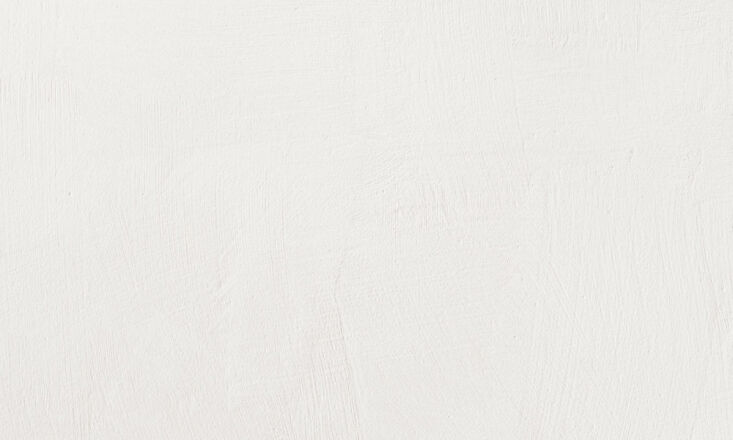
Editor’s Tip: When applying lime wash, use a large masonry brush and apply in "X" patterns. This technique emphasizes the mineral's natural patina and prevents the finish from looking too uniform.
2. Layer Tactile Textiles for Instant Comfort
In an earthy living room, comfort is measured by the variety of "hands" (the feel of fabric) present in the space. The goal is to create a symphony of touch. Start with a foundation of jute or sisal for your rug—these provide a coarse, grounding texture. On top of this, place your seating upholstered in linen or boucle.
The 2026 trend focuses on "heavy" textiles. We are seeing a move away from thin, printed cottons toward fabrics with a pronounced weave. Consider a heavy mohair throw draped over a sleek, low-profile sofa. The contrast between the fuzzy mohair and the crisp linen underneath creates a sophisticated visual tension that feels incredibly inviting.
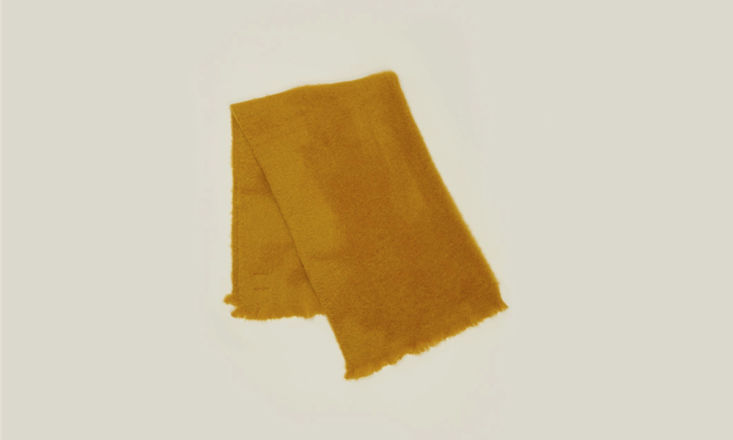
Steal the Look: The Textile Layer
- The Foundation: Oversized Jute Rug (try the Chunky Wool/Jute blend from West Elm).
- The Hero: Boucle Accent Chair (the Gwyneth Chair from CB2 is a classic).
- The Comfort: Heavy Mohair Throw from Hawkins New York in a rich Ochre or Terra Cotta.
3. Incorporate Custom or Reclaimed Wood Seating
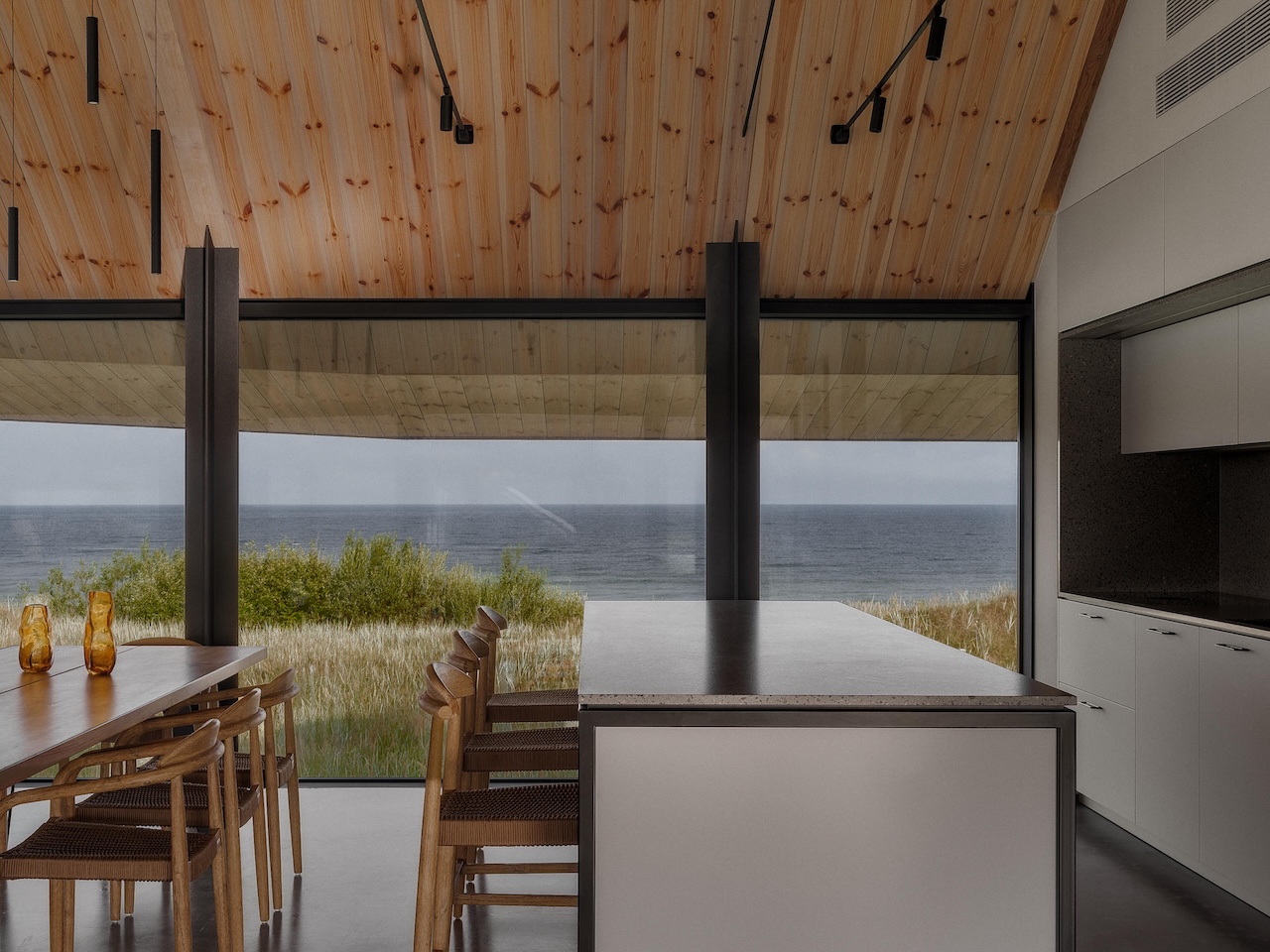
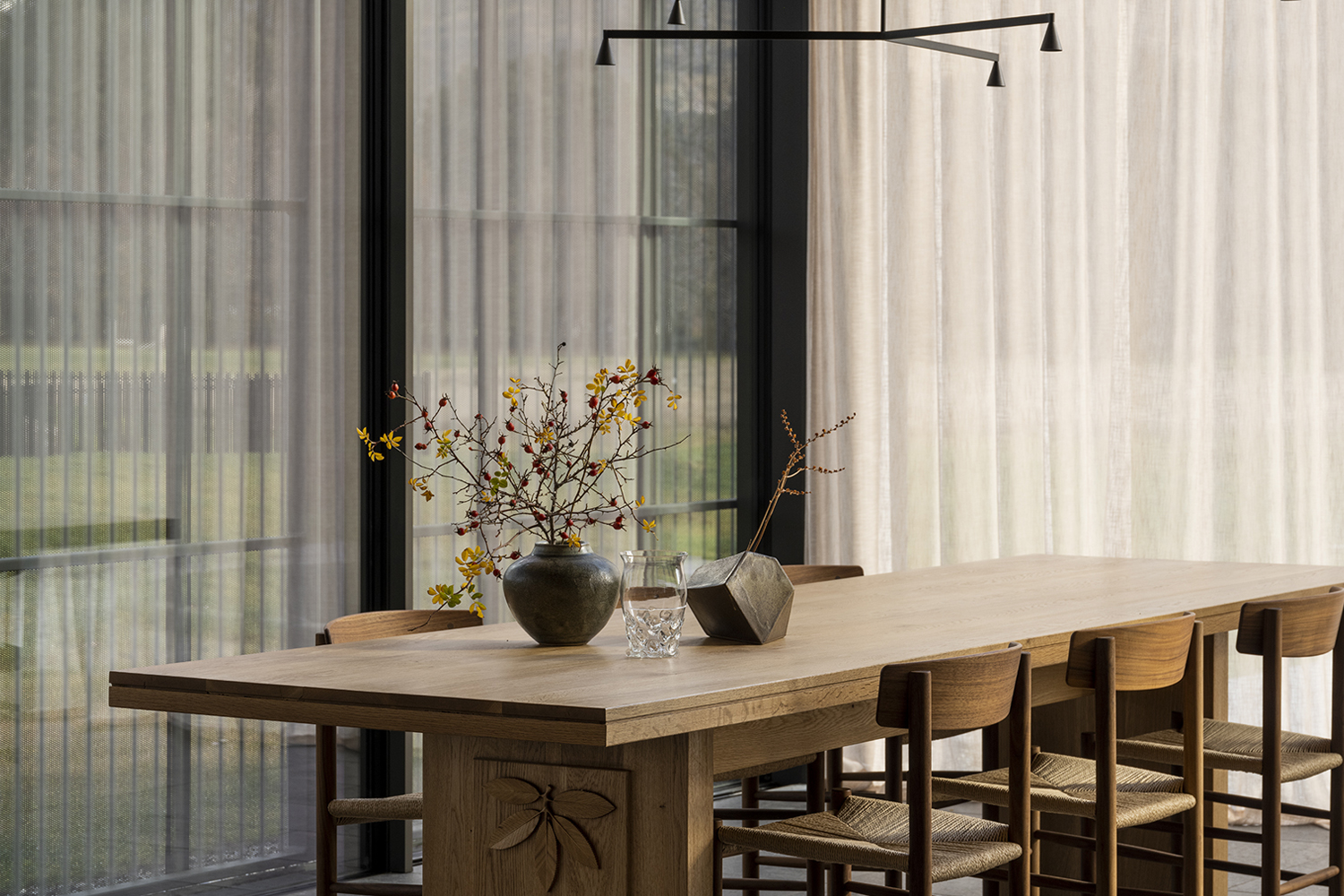
Wood is the "soul" of an organic modern room, but the type of wood matters. In 2026, we are seeing a decline in high-gloss cherry and oak in favor of woods with a raw, matte finish that highlights the grain. Red-gum eucalyptus and oiled teak are becoming the darlings of the design world for their warm, reddish-brown undertones and incredible durability.
Reclaimed wood, in particular, adds a sense of history. Whether it’s a coffee table made from salvaged barn timber or a set of custom stools, these pieces bring a "perfectly imperfect" quality that balances the sharp lines of modern architecture.
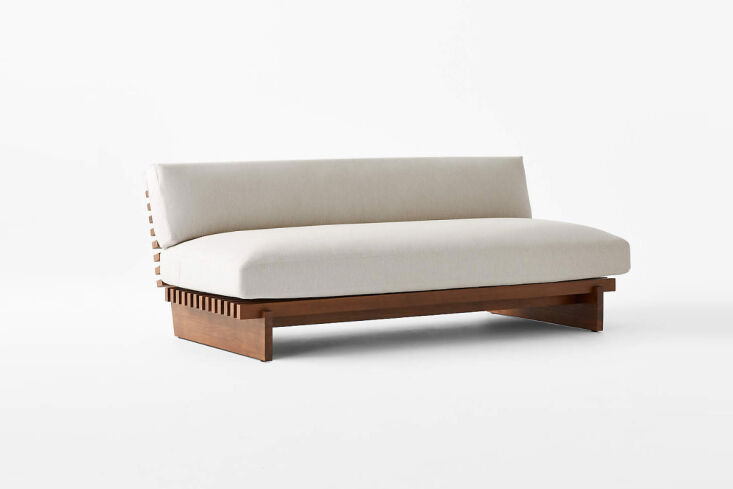
4. Ground the Space with Stone and Slate
To prevent an earthy living room from feeling too "soft" or "boho," you need the literal weight of stone. While white marble has dominated the last decade, 2026 is all about the matte, the moody, and the mineral. Travertine, slate, and soapstone are the materials of choice.
Instead of a polished ceramic side table, opt for a vintage slate-topped coffee table. The matte, charcoal-gray surface of slate provides a beautiful counterpoint to warm wood and light linens. It feels permanent and grounded, anchoring the room's energy.
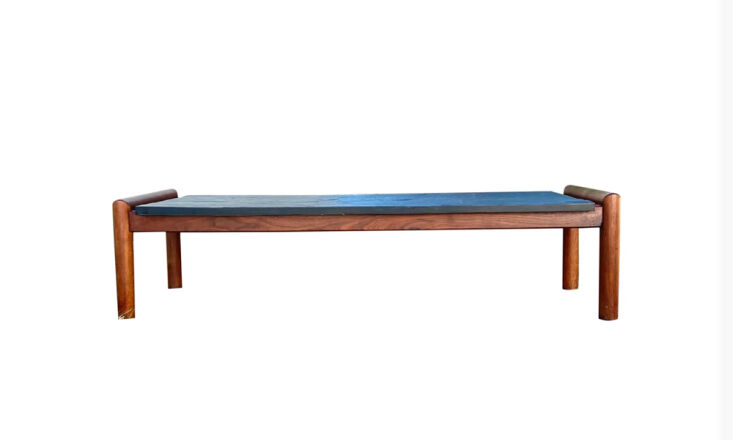
5. Master the Earthy Palette: Beyond Just Beige
Many people mistake "earthy" for "all beige." To achieve a high-end look, you must introduce depth. A successful 2026 earthy palette combines neutral foundations like Classic Gray with deep, moody natural accents.
I love using Farrow & Ball’s Studio Green on shutters, trim, or even a single accent cabinet. It’s a green so dark it almost reads as black, yet it retains a botanical warmth that feels alive. When you pair these deep greens with warm Ochre or Terracotta pillows, the room suddenly feels curated rather than just "matched."

2015 Coastal vs. 2026 Organic Modern
| Feature | 2015 Coastal Trend | 2026 Organic Modern |
|---|---|---|
| Primary Color | Bright White & Navy | Warm Bone & Studio Green |
| Wall Finish | Flat Latex Paint | Lime Wash / Plaster |
| Wood Tone | Driftwood / Gray Wash | Raw Eucalyptus / Dark Teak |
| Metals | Polished Chrome | Burnished Brass / Forged Iron |
| Textiles | Navy Stripes & Cotton | Boucle, Jute, & Heavy Linen |
6. Embrace the Biophilic Connection
Biophilic design is more than just putting a plant in a corner; it’s about integrating nature into the architecture of your life. However, the "Indoor Jungle" look of the early 2020s is evolving into something more curated.
Instead of dozens of small succulents, the 2026 trend favors a "single statement" approach. A large, sculptural olive branch in a weathered terra cotta planter creates a focal point that feels sophisticated and calm. It’s about quality over quantity. Use natural light to your advantage; the way shadows cast across a lime-washed wall from a leafy branch is a design element in itself.
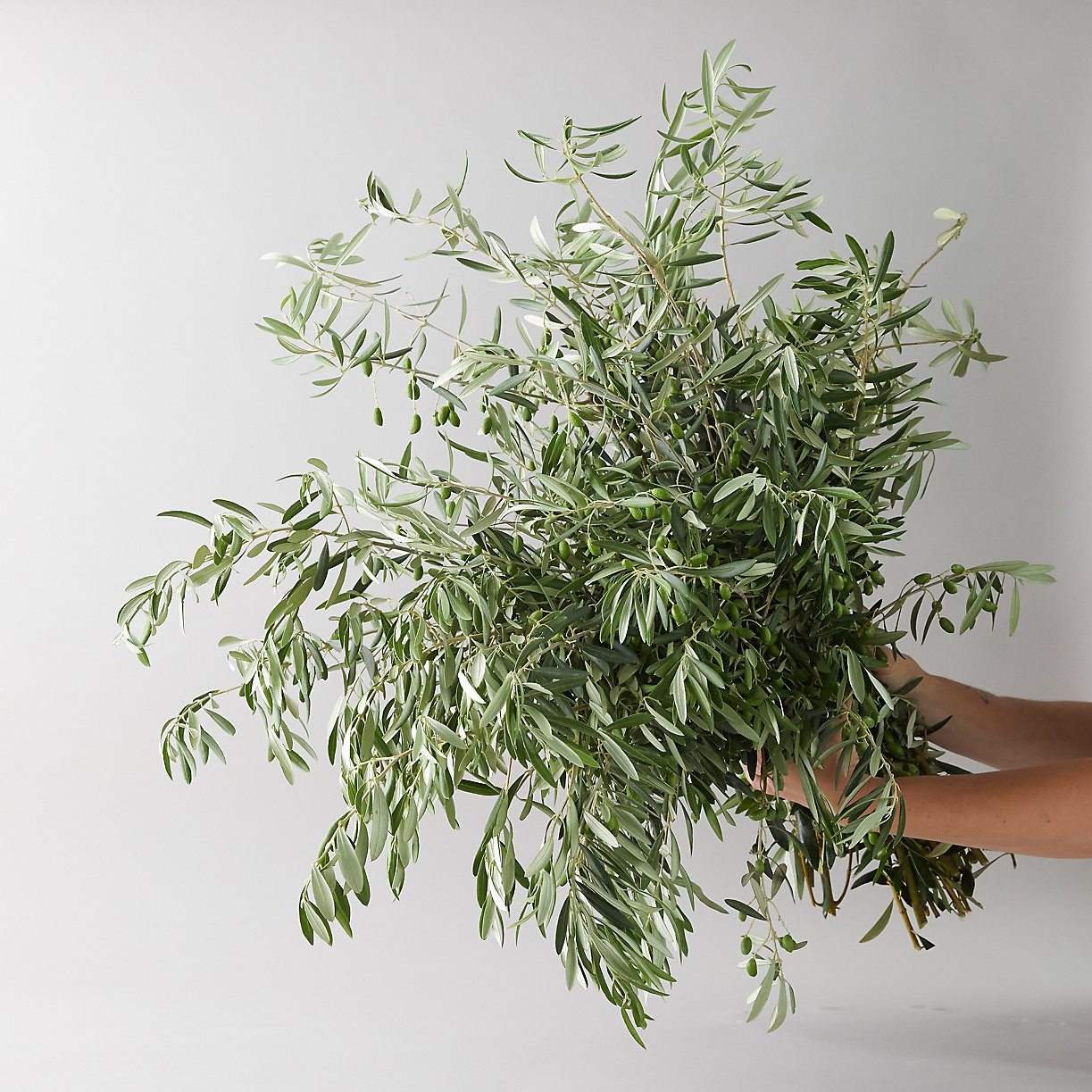
7. The Power of Woven Elements
Woven textures—rattan, cane, and seagrass—are essential for breaking up the "flatness" of modern homes. They introduce a rhythmic pattern that feels artisanal.
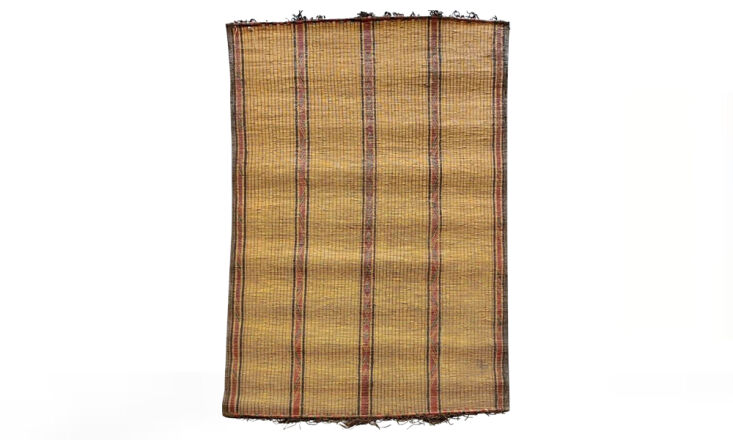
If your living area feels too "stiff," add a Tuareg rug or a pair of cane-backed chairs. These elements bridge the gap between contemporary minimalism and global heritage. Authentic Tuareg rugs, made from reed and leather, are particularly stunning in modern spaces because their geometric patterns feel incredibly "now," even though they are centuries-old designs.
8. Statement Lighting with Organic Shapes
Lighting is the "jewelry" of the room. To stay within the earthy texture trend, move away from industrial Edison bulbs and hard-edged geometric metal fixtures. Look for sculptural pieces made from bamboo, handmade paper, or organic glass.
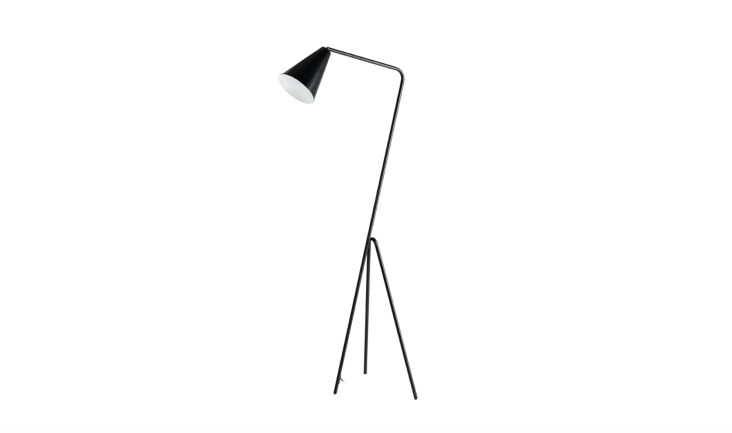
Floor lamps like the Article Gira lamp offer a minimalist silhouette that doesn't clutter the visual field but provides a warm, directional glow that highlights the textures of your walls and fabrics. The goal is "mood," not "utility."
9. Mix Coastal Heritage with Vintage Finds
A room entirely filled with new furniture often lacks "soul." To achieve a truly high-end, earthy feel, you must mix your modern silhouettes with vintage or found objects. Think of a sleek, low-slung Italian sofa paired with a piece of found driftwood or a collection of local artisanal pottery.
This blending of "Coastal Heritage"—which honors the raw materials of the coast like shell, sand, and stone—with modern minimalism creates a space that feels lived-in and loved. It’s the difference between a house and a home.
10. Warm Minimalism: Keeping it Simple
The final rule of 2026 styling is restraint. We are moving away from "cold" minimalism toward "Warm Minimalism." This means you don't need a lot of stuff; you just need the right stuff.
Select 2-3 high-impact textured pieces—perhaps a massive stone coffee table, a lime-washed wall, and a custom eucalyptus bench—and let them breathe. Uncluttered spaces allow the eye to rest and the mind to focus on the tactile beauty of the materials themselves.
Shopping Guide: Curating Your 2026 Living Area
The High-End Curator (Luxury Investment)
- McGee & Co: Excellent for statement stone tables and woven lighting.
- Amber Interiors: The gold standard for "California Cool" textiles and reclaimed wood.
- Maiden Home: Bespoke sofas with incredible linen and mohair options.
The High-Street Stylist (Budget-Friendly Chic)
- West Elm: Their "Terra" collection offers fantastic FSC-certified wood and jute options.
- Target (Studio McGee Collection): Incredible for affordable terra cotta vases and textured greenery.
- H&M Home: The secret weapon for heavy linen cushion covers and stone decorative objects.
FAQ
1. Is lime wash difficult to maintain in a high-traffic living room? Surprisingly, no. While lime wash is porous, most modern mineral paints come with a breathable sealer option. For small scuffs, you can often "touch up" by dabbing a bit more lime wash on the area—it blends much more seamlessly than traditional flat paint.
2. How can I make a rental feel "earthy" without painting the walls? Focus on the "Layered Textiles" and "Woven Elements" sections. A large jute rug and several oversized linen floor cushions can transform the "vibe" of a room without touching the walls. Also, swap out standard plastic light fixtures for organic-shaped plug-in pendants.
3. What is the best way to clean a jute rug? Jute is beautiful but doesn't like water. Avoid steam cleaning. The best method is frequent vacuuming (on a low-suction setting without a beater bar) and immediate spot-cleaning with a dry-cleaning powder if spills occur.
Ready to transform your space?
The move toward organic modernism is a move toward a more conscious, grounded way of living. By focusing on the "wellness value" of your materials, you aren't just decorating—you're practicing self-care through design.