Quick Facts
- The System: Zilenzio Focus Spaces is a modular 'room-in-room' furniture solution designed by Note Design Studio.
- Customization: Features 17 distinct seating modules, 2 table types, and a curated palette of 26 fabric options.
- The Trend: A shift from attendance-based layouts to activity-based workspace solutions that prioritize employee autonomy.
- Acoustic Power: High-ribbed backrests and sound-dampening textiles reduce the "video call noise" epidemic by up to 50% in open layouts.
- Sustainability & Cost: Modular units eliminate the need for permanent architectural walls, offering a flexible and cost-effective alternative for office renovations.
The year 2026 marks a definitive turning point in our relationship with the professional environment. The "great return" has settled into a sophisticated hybridity where the office is no longer a mandatory destination for every task, but a curated destination for connection. As an editor specializing in interior styling, I’ve observed that the most successful spaces today don't just house employees; they facilitate a "spatial harmony" that bridges the gap between the focused silence of a home office and the vibrant energy of a creative studio. We are moving away from the rigid rows of desks toward what I call a "Campfire for Ideas"—spaces that draw people in, keep them comfortable, and allow collaboration to spark naturally.
The Evolution of the Workspace: Why 2026 Demands a New Approach
In 2026, the hybrid office design trends have shifted focus from "where" people work to "how" they work. The era of attendance-based design—where success was measured by the number of occupied seats—is over. Today, we embrace activity-based workspace solutions. This design philosophy recognizes that a single employee might need a silent pod for a deep-focus morning, a collaborative huddle area for a mid-day brainstorm, and a social lounge for an afternoon debrief.
The modern employee prioritizes autonomy. If they are making the effort to commute, the office must offer something their home cannot: seamless technology, superior ergonomic support, and, most importantly, meaningful human connection. The traditional workstation is being cannibalized by the "Collaboration Hub," a flexible zone that adapts to the team's heartbeat rather than forcing the team to adapt to the furniture.
| Feature | 2020 Remote Work Era | 2026 Hybrid Work Reality |
|---|---|---|
| Primary Goal | Survival & Basic Connectivity | Meaningful Connection & Culture |
| Layout Focus | Emergency Home Offices | Purpose-Built Activity Zones |
| Technology | Basic Video Conferencing | Integrated A/V & Seamless Handoffs |
| Acoustics | Household Noise Distractions | Engineered Acoustic Comfort |
| Furniture | Residential Repurposing | Modular 'Room-in-Room' Systems |
What are Zilenzio Focus Spaces?
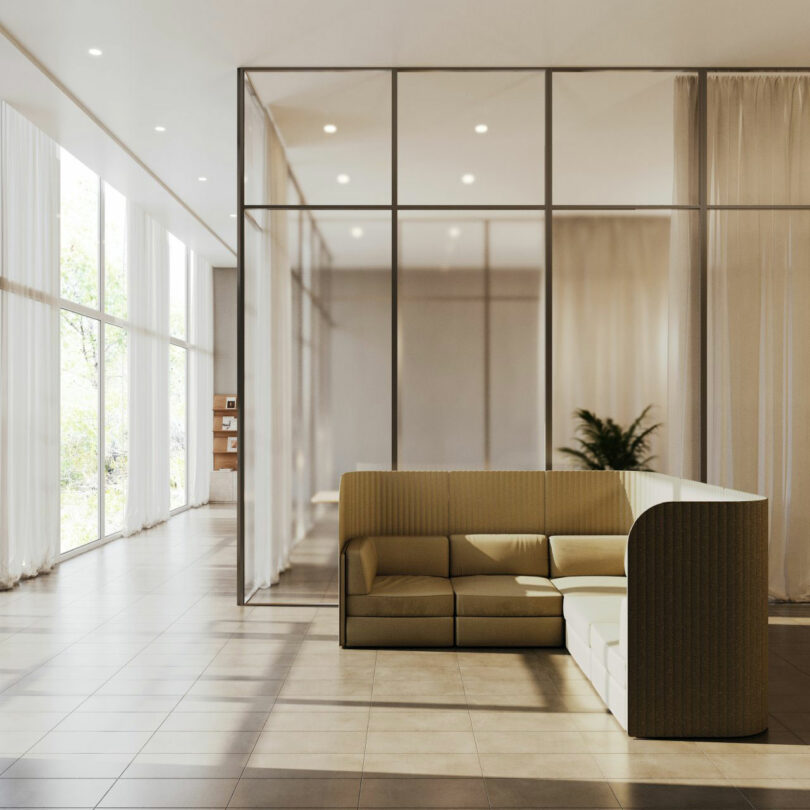
At the heart of this revolution is Zilenzio Focus Spaces, a modular 'room-in-room' furniture system designed by the visionary Note Design Studio. This isn't just a collection of sofas; it is a sophisticated toolkit for spatial architecture. By blending the warmth of home-like comfort with the rigor of office-grade functionality, Zilenzio has created a "typology of comfort" that addresses the fluid nature of modern work.
Zilenzio Focus Spaces is a modular 'room-in-room' furniture system designed by Note Design Studio for Zilenzio, consisting of 17 seating modules and multiple table types that facilitate both privacy and spontaneous collaboration without the need for fixed conference rooms.
The system is built on versatility. With 17 seating modules that range from curved sections to straight backrests, designers can craft everything from a solitary reading nook to an expansive amphitheater for team presentations. The aesthetic is unmistakably Scandinavian—clean lines, vertical ribbing that provides a rhythmic visual texture, and a sense of "soft architecture" that invites people to linger.
Editor’s Tip: When styling these spaces, think of the modules as Lego blocks for adults. The ability to mix and match heights and curves means you can create a "landscape" within your office that guides movement and defines zones without blocking natural light.
Driving Collaboration Through Modular Acoustic Design
One of the greatest challenges of the open-plan office has always been the friction between focus and collaboration. How do you encourage a spontaneous brainstorm without disrupting the person three feet away writing a technical report? This is where modular acoustic office furniture becomes a strategic asset rather than a mere purchase.
Modular furniture improves the hybrid office by allowing organizations to transition from attendance-based layouts to activity-based workspaces, offering the flexibility to reconfigure office zones for huddle rooms, quiet zones, or lounge-style connections as team needs change.
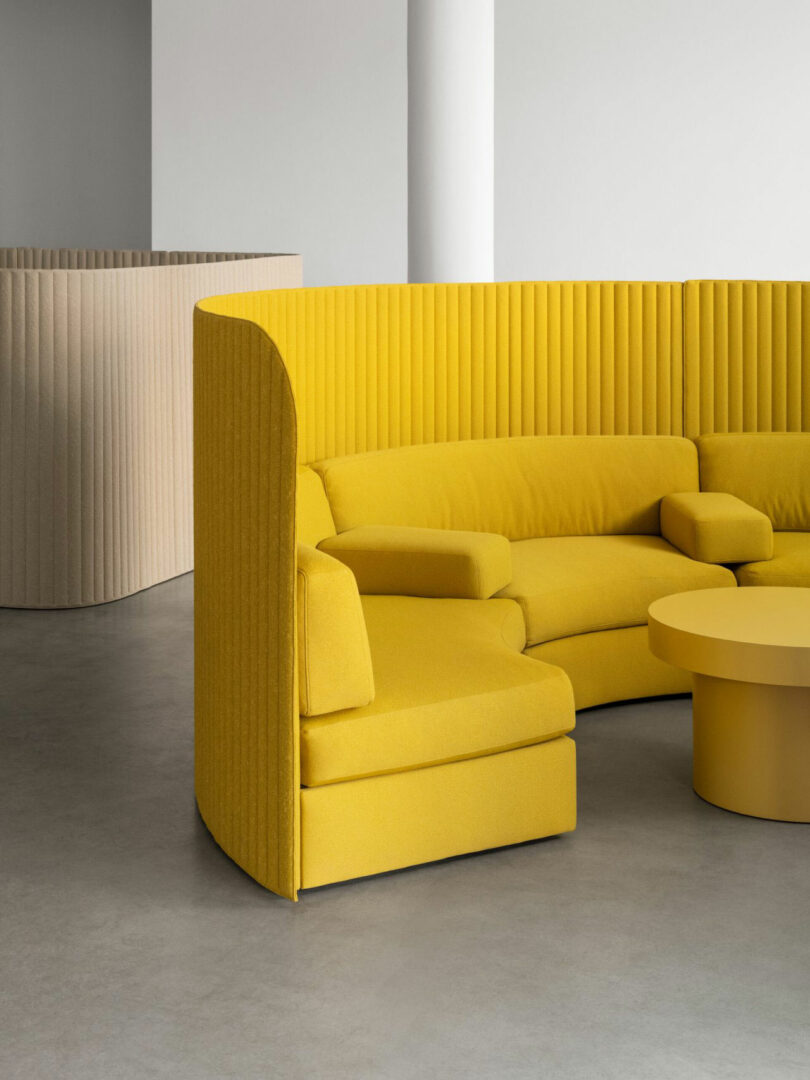
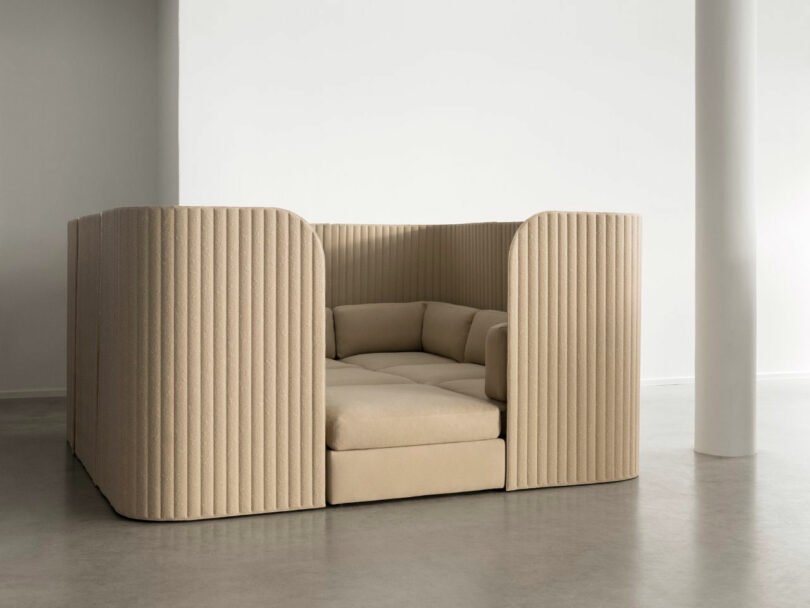
Zilenzio’s Focus Spaces drive collaboration by removing the "barrier to entry" for meetings. In traditional offices, a meeting requires booking a room, moving to a different floor, and sitting behind heavy glass doors. In a Focus Space-equipped office, collaboration happens in the "in-between" spaces. A team can gather in a semi-enclosed circular module for a ten-minute huddle, utilizing integrated tables for their laptops and high-ribbed walls to create a sense of psychological safety and enclosure.
Furthermore, these modules offer a cost-effective alternative to permanent architectural renovations. Transitioning to modular 'room-in-room' solutions can reduce the need for permanent architectural walls, saving on construction costs and allowing the layout to evolve as the company grows. If your team expands or your workflow changes, you simply move the modules. You aren't knocking down drywall; you’re rearranging a high-performance landscape.
The Silent Pillar: Why Acoustic Comfort is Vital for 2026 Trends
We have entered the era of the "video call noise" epidemic. In the hybrid model, half the team is in the office while the other half is on a screen. This leads to a constant hum of one-sided conversations that can shatter the concentration of everyone nearby. In 2026, acoustic comfort is no longer a luxury—it is a prerequisite for productivity.
Acoustic comfort, achieved through sound-dampening dividers like Zilenzio's Focus family, is critical for reducing distractions from video calls and open-plan noise, thereby fostering an environment where ideas can flow effortlessly.
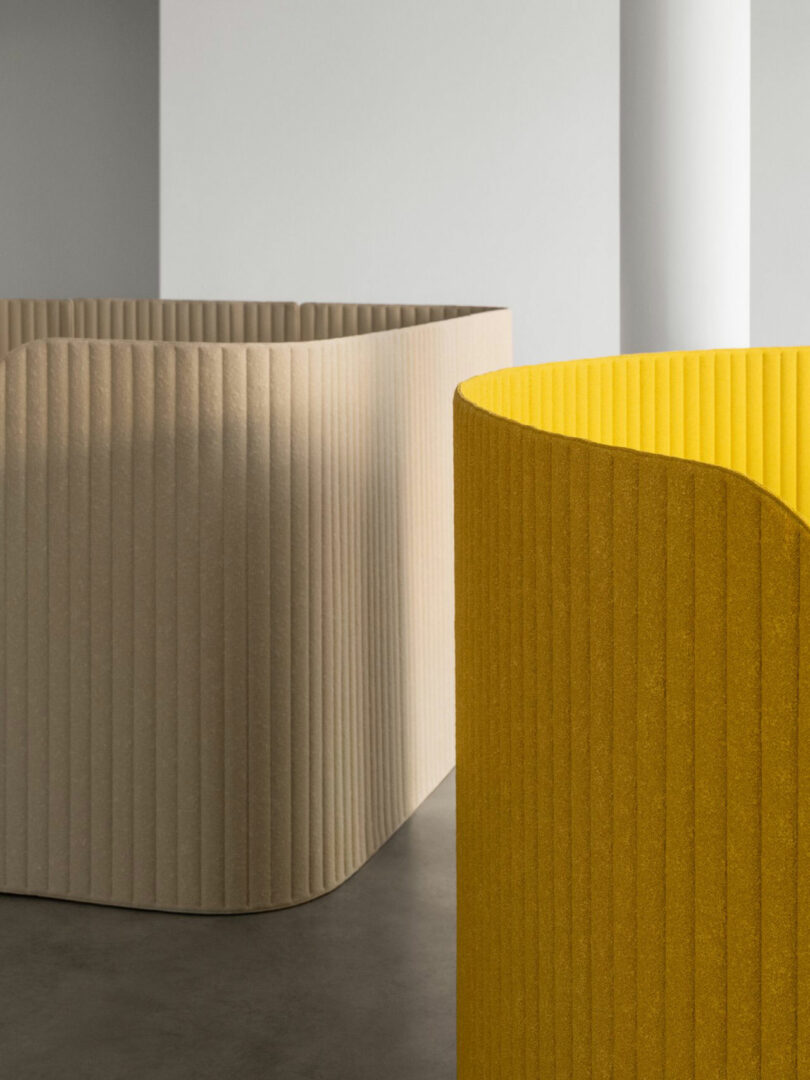
The Focus family achieves this through its signature high-ribbed backrests. These aren't just for show; the vertical lines help to break up sound waves, while the high-density acoustic filling absorbs mid-to-high frequency noise—the exact range of the human voice. By creating these "silent sanctuaries" within the open floor plan, Zilenzio ensures that the office remains a place of deep work, not just a place of loud meetings.
When you sit inside a Focus Space module, there is an immediate drop in decibel levels. It creates a "hush" that signals to the brain that it's time to focus. This auditory boundary is just as effective as a physical wall, but far more inviting. It allows for "spatial harmony," where different activities can coexist in the same room without conflict.
Implementing the 2026 Hybrid Strategy: Best Practices
Designing a collaborative office furniture design strategy requires more than just buying the right pieces; it requires a shift in management philosophy. Here is how leading firms are implementing the Zilenzio system to maximize their hybrid ROI:
- Embrace the 'Hot-Desking' Evolution: Instead of assigned desks, use Focus modules as anchor points. Employees choose their "landing zone" based on their daily tasks.
- Integrate Technology Early: Each Focus module can be equipped with integrated electrical outlets and A/V readiness. Ensure your team doesn't have to go hunting for a plug in the middle of a creative session.
- Create "Collision Zones": Place modular seating in high-traffic areas. These "collision zones" encourage the spontaneous interactions—the "water cooler moments"—that are often lost in a purely remote work environment.
- Policy Alignment: Shift from tracking "seat time" to outcome-based performance. When the office is a tool for high-quality output rather than a place of surveillance, employees use the space more effectively.
By treating the office as a flexible ecosystem, you empower your team to work in the way that suits them best, fostering a culture of trust and high-level engagement.
Technical Showcase: Customizing Your Collaborative Zone
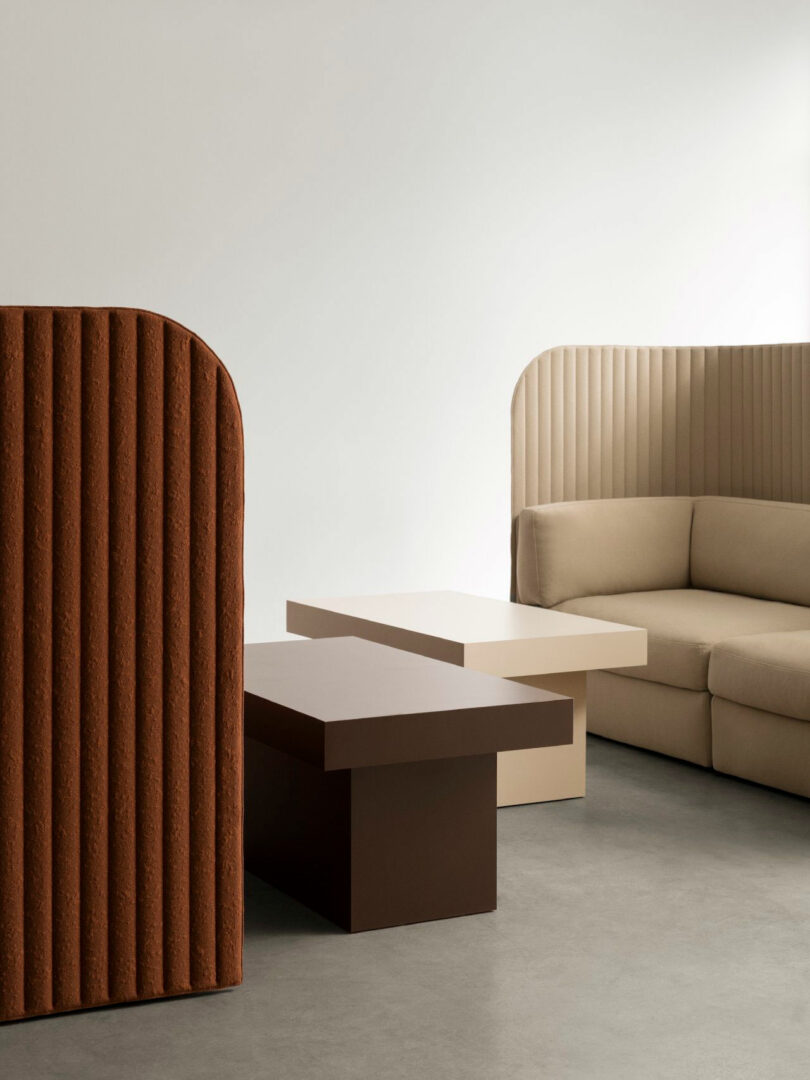
The true beauty of the Zilenzio Focus Spaces lies in the details. Note Design Studio didn't just design a chair; they designed a palette for corporate identity. With 26 fabric options and 17 distinct seating modules, the customization potential is nearly infinite.
Modular Flexibility
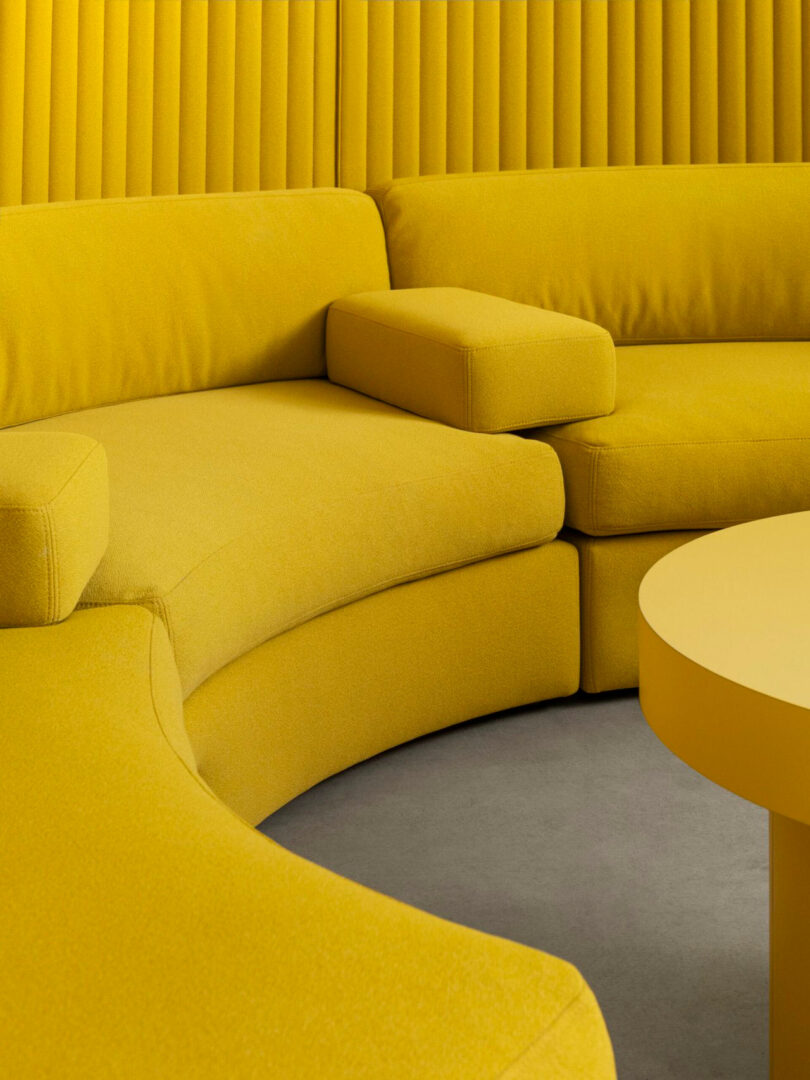
- The Round Setup (5 pieces): Ideal for intimate brainstorming sessions or as a central "campfire" in a large open area.
- The Square Setup (8 pieces): Creates a more formal "room-in-room" feel, perfect for longer collaborative tasks or as a temporary war room for projects.
- Private Pods: Single-module configurations with extra-high backrests for focused individual work or private phone calls.
Aesthetic Customization
The system allows for "mixing textiles" on the interior versus exterior panels. You might choose a muted, professional grey for the exterior to maintain architectural consistency, but a vibrant, energizing ochre or forest green for the interior to stimulate creativity for those sitting inside.
This level of detail ensures that the furniture doesn't just fit the space—it defines the space. Investing in the Focus family is an investment in long-term office culture, providing a foundation that is as beautiful as it is functional.
Conclusion
As we look toward the future of work, it's clear that the spaces we inhabit must be as dynamic as the people who use them. Mastering the hybrid office isn't about finding a middle ground between home and work; it's about creating a superior third space that facilitates the best of both. Zilenzio’s Focus Spaces represent the pinnacle of this evolution—modular, acoustic, and deeply human. By prioritizing flexibility and comfort, we don't just build offices; we build the foundations for the next great ideas to flourish.
Frequently Asked Questions (FAQ)
Q: Can Zilenzio Focus Spaces be integrated into an existing office layout without a full renovation? A: Absolutely. That is the primary benefit of modular acoustic office furniture. Because these units are freestanding and do not require attachment to the floor or ceiling, they can be deployed in an existing open-plan office over a weekend, instantly creating new "rooms" without construction permits or dust.
Q: Are the fabrics used in the Focus family durable enough for high-traffic corporate environments? A: Yes. Zilenzio uses high-performance, contract-grade textiles that are specifically tested for rub-count (Martindale) and fire safety. The 26 fabric options are curated not just for color, but for their acoustic absorption properties and long-term durability in busy collaborative zones.
Q: How do Focus Spaces handle the need for power and connectivity for laptops? A: The system is designed with the modern tech-heavy worker in mind. Modules can be specified with integrated power outlets and USB charging ports, and the table types are designed at the correct ergonomic height for prolonged laptop use, ensuring that "spontaneous collaboration" doesn't end just because a battery dies.