If you’ve spent any time on architectural Instagram or flipped through a contemporary design digest lately, you’ve likely noticed a certain "bulbous" phenomenon taking over the most enviable living rooms in the world. We are witnessing a full-scale renaissance of the 1970s sofa icon. From the puffy, biscuit-like tufting of the Camaleonda to the low-slung, crinkled folds of the Togo, the rigid, minimalist lines of the mid-century modern era are being softened by the curvaceous, rebellious spirit of the 1970s.
But why now? The revival of 1970s seating isn’t merely a nostalgic trip; it’s a response to our changing relationship with the home. We’ve moved away from the "parlor" mentality—where furniture was meant for formal hosting—and toward "social lounging" environments. Today’s high-end interiors prioritize modular flexibility, organic sculptural shapes, and a tactile, ground-hugging comfort that invites us to sink in rather than sit up. As we look toward 2026, internal design forecast data indicates a 60% preference increase for these "organic and flowing" furniture shapes over traditional linear structures. In an increasingly digital, rigid world, we are craving the soft, unpredictable embrace of the seventies.
The Return of 'Rebellious' Comfort: Why the 70s Vibe is Back
The 1970s was a decade of radical change, and its furniture reflected a desire to break free from the "rules" of domestic life. Designers like Mario Bellini and Gaetano Pesce didn’t just want to make chairs; they wanted to create landscapes of comfort. This "rebellious comfort" is exactly what modern homeowners are seeking today.
We are seeing a shift where the living room is no longer a static arrangement of a sofa and two armchairs. Instead, it has become a fluid space for work, rest, and intimate social interaction. The 1970s aesthetic facilitates this perfectly. By removing the traditional "legs" of a sofa and bringing the seating closer to the floor, the energy of a room changes. It becomes more grounded, more informal, and infinitely more inviting.
Key Takeaway: The 70s revival is driven by a move toward "social lounging." We are choosing furniture that acts as a landscape for life, favoring modularity and organic forms over formal, upright seating.
The Anatomy of a 70s Icon: Key Design Characteristics
What exactly makes a sofa feel "Seventies"? It’s a specific cocktail of geometry and materiality. To master this look, we have to look for pieces that defy the traditional silhouette of a couch.
- Low-Slung Profiles: These pieces hug the ground. By lowering the center of gravity, designers in the 70s created a sense of "interior architecture" where the furniture felt like an extension of the floor.
- Modular 'Chameleon' Systems: The genius of this era was the "unit." Whether it’s the Camaleonda or the de Sede DS-600 (the famous 'Snake' sofa), these systems allow you to reconfigure your entire room without a single tool. It’s about the freedom to change your mind.
- Tactile Materiality: In the 70s, texture was king. We’re seeing a massive return of corduroy, heavy-grain leather, and plush velvet. These materials aren't just visual; they are sensory. They provide a "hug" that a flat, modern linen simply cannot replicate.
The aesthetic is defined by deep seats, wide armrests, and a palette of earthy tones. Think mustard yellows, burnt oranges, and "reseda" greens—colors that feel rooted in the natural world but carry a sophisticated, retro punch.
Sustainability Meets 1970s Soul: The 2020 Camaleonda Reissue
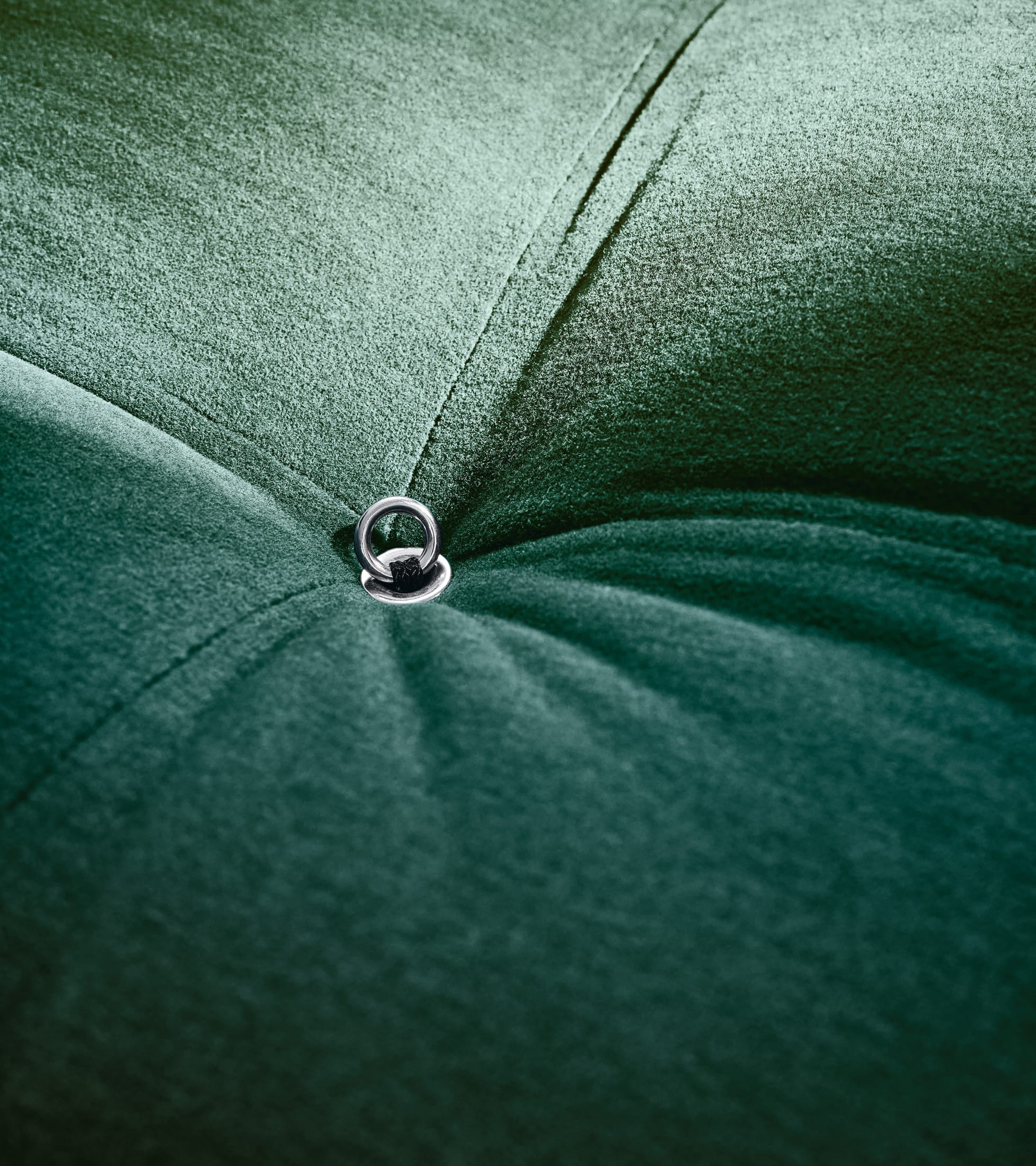
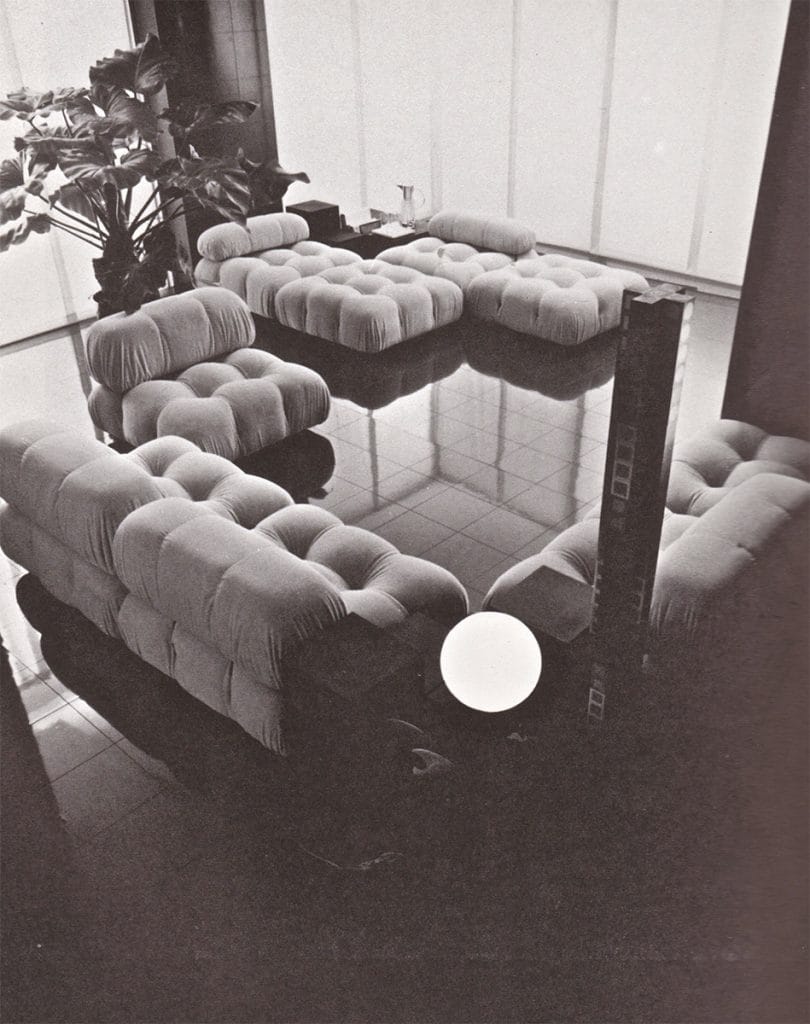
When B&B Italia decided to reissue Mario Bellini’s 1970 masterpiece, the Camaleonda, in 2020, they faced a challenge: how do you bring a "polyurethane era" icon into a circular economy? The original designs relied heavily on adhesives and foams that were difficult to recycle.
The 2020 version is a masterclass in sustainable engineering. Bellini’s "chameleon" has adapted for the future, achieving a 100% circular design rating. By replacing traditional glues and staples with a system of modular, recycled components, the entire sofa can be disassembled at the end of its life cycle.
| Feature | Original 1970 Specs | 2020/2026 Sustainable Specs |
|---|---|---|
| Internal Structure | Polyurethane foam & Plywood | 100% Recycled Timber / FSC Beech |
| Padding | Standard Synthetic Foam | Recycled PET Polyester |
| Assembly | Glued and Stapled | Mechanical (Glue-free construction) |
| Feet | Plastic/Metal | FSC-certified Beechwood |
Key Takeaway: Sustainable luxury is the new standard. The most sought-after 70s reissues are those that combine iconic vintage aesthetics with modern, glue-free, and fully recyclable construction.
Beyond Bellini: The Other Power Players in the Revival
While the Camaleonda often steals the spotlight, the 1970s revival is supported by a cast of other heavy-hitting designs that have reclaimed their cult status.
- Togo by Ligne Roset: Designed by Michel Ducaroy in 1973, this "toothpaste tube" sofa is the ultimate symbol of the era. Its all-foam construction and instantly recognizable folds have made it a favorite for modern apartments. It’s lightweight, incredibly durable, and embodies the "no-rules" philosophy.
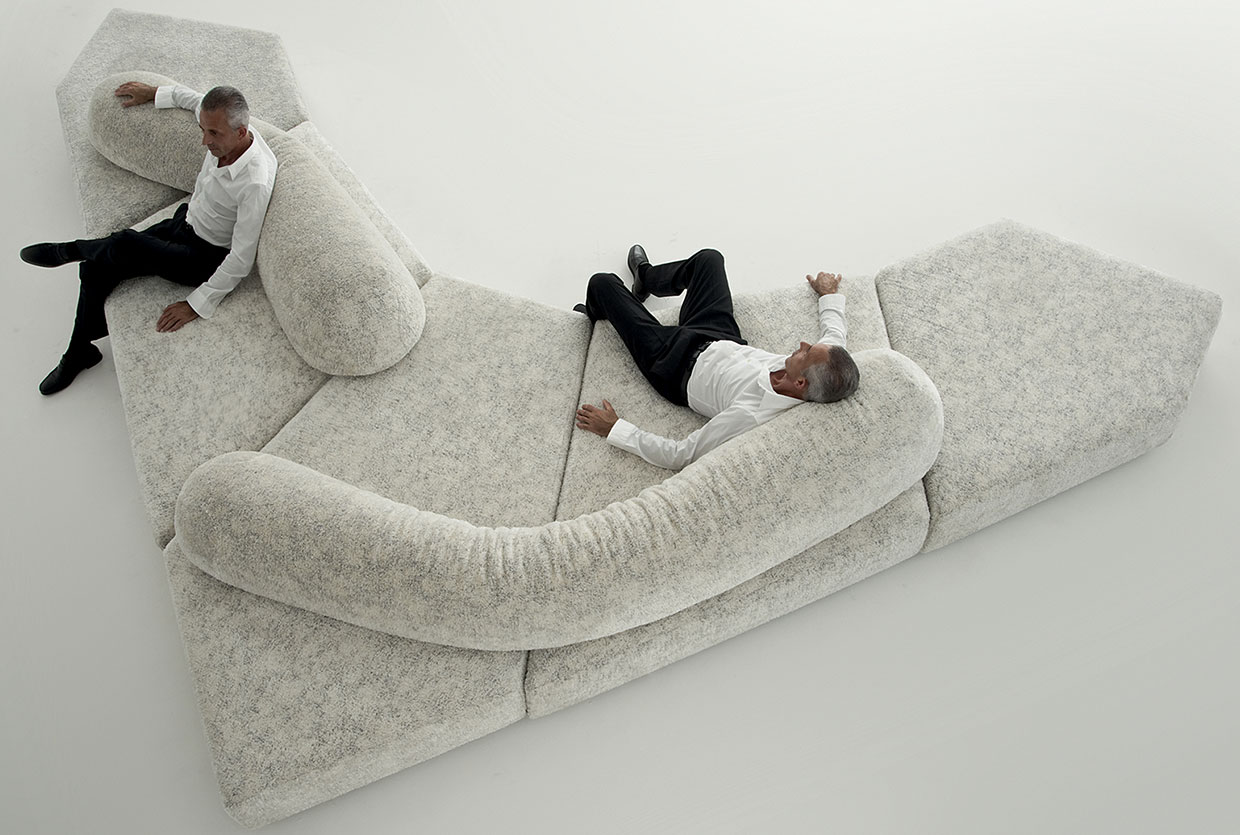
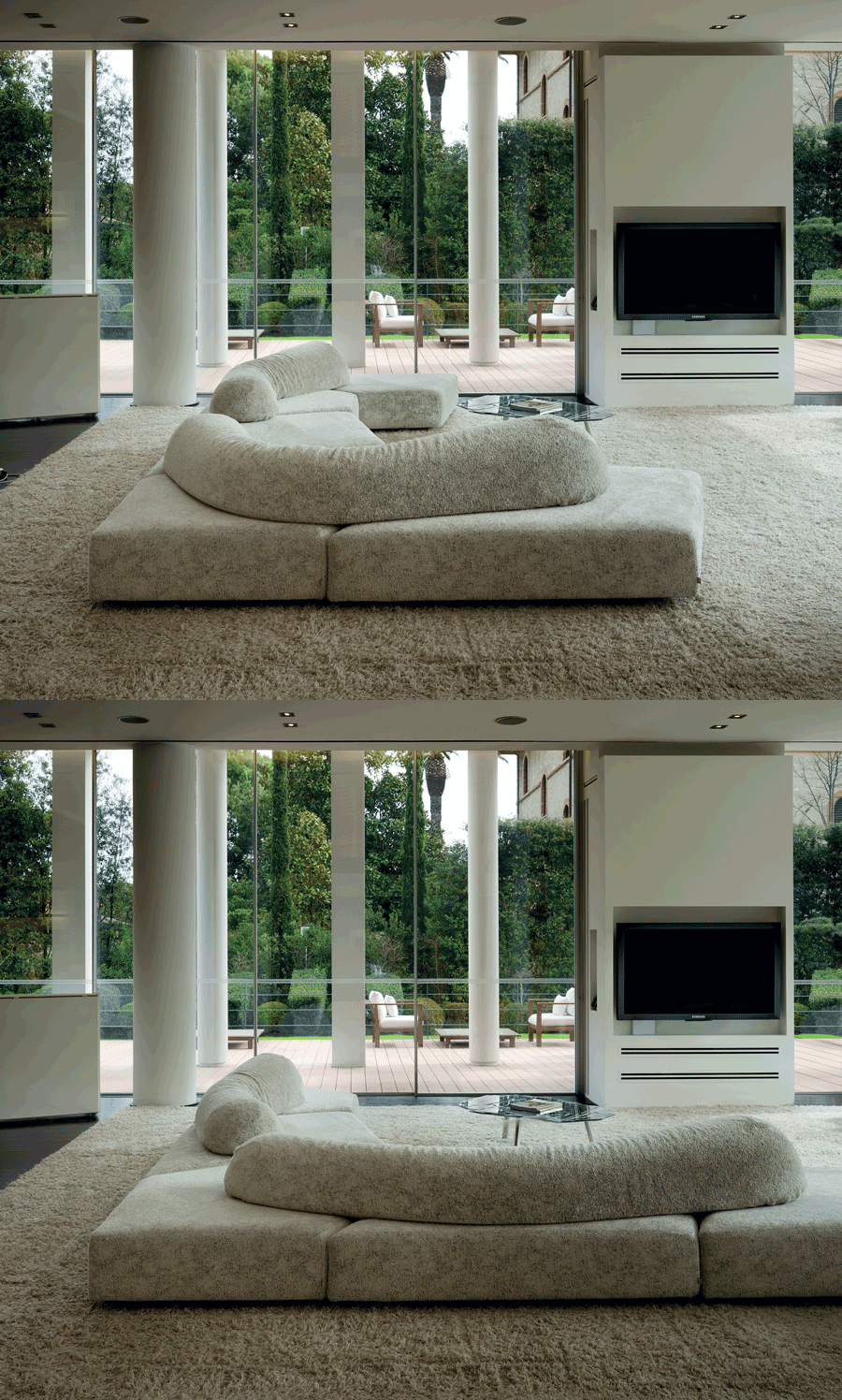
- On the Rocks by Edra: While more contemporary in its execution, its soul is pure 70s. Francesco Binfaré’s design features a "gravity-based" backrest that isn't attached to the base. Inspired by the cliffs of Puglia, it allows you to sit in any direction, turning the sofa into a literal island of comfort.
- Soriana by Cassina: Designed by Afra and Tobia Scarpa, this piece is famous for its "metal belt" that cinches the upholstery like a giant cushion. It’s a perfect example of how industrial materials (chrome and steel) were used to create something soft and inviting.
2026 Decor Palette: Earthy Hues and Retro Textures
As we look toward the 2026 design season, the color palette for these 70s icons is evolving. While the "Boho" look of the past decade was dominated by white and rattan, the new trend is deeper and more grounded.
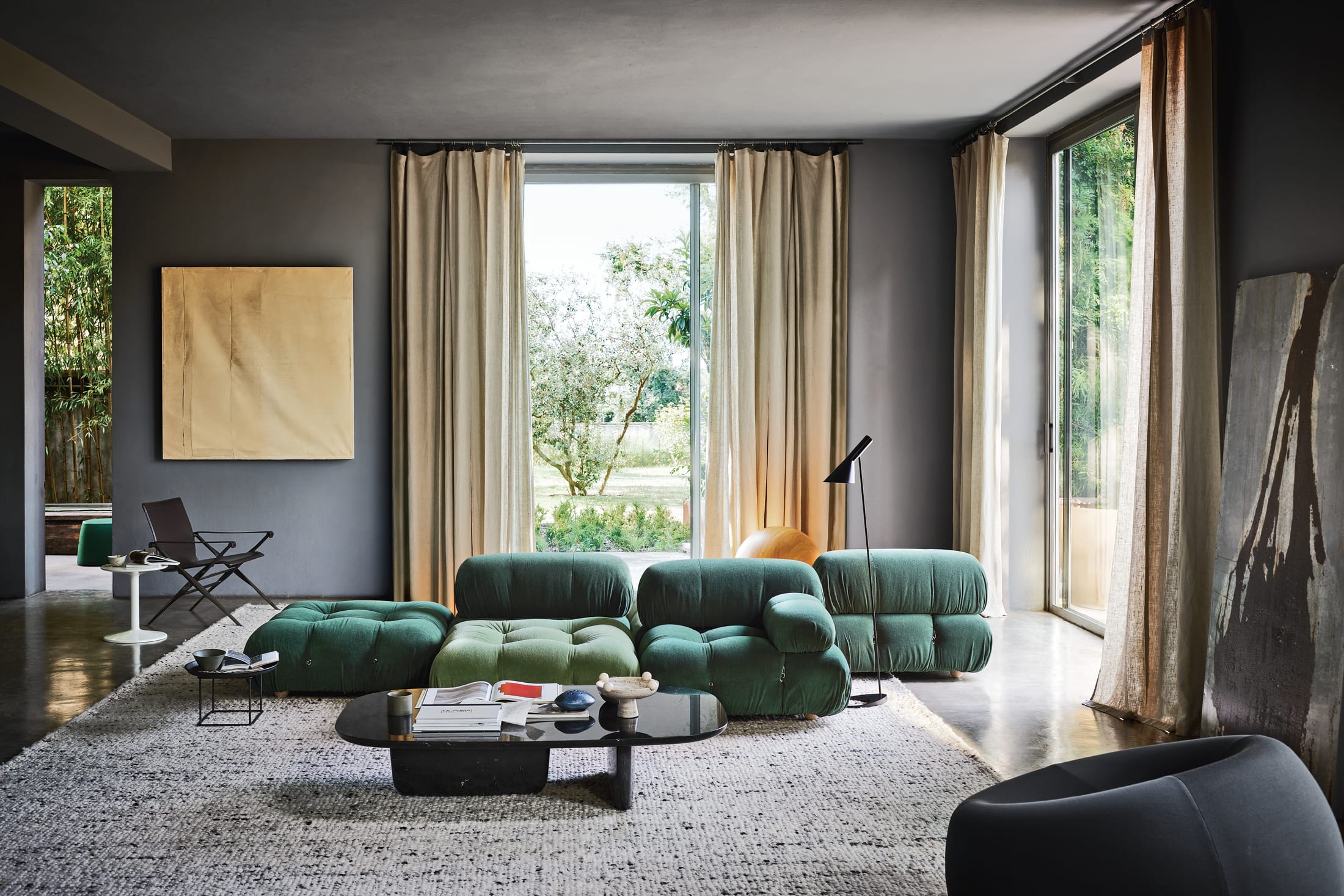
We are seeing a fusion of "New Mediterranean" and "Scandic Bohemia." This involves integrating Pfleiderer-inspired tones like Golden Orange, Inca, and Salisbury Elm. The goal is to create a room that feels warm, sun-drenched, and lived-in.
We recommend mixing these earthy fabrics with "hard" 70s accents: smoked glass coffee tables, chrome accents, and warm wood-based materials. The juxtaposition of a soft, burnt-orange velvet sofa against a sleek, chrome floor lamp is the quintessential "Modern Retro" look.
How to Style a 70s Icon in a Modern Pad
Owning a piece of 70s design history is one thing; making it look modern in a 21st-century home is another. The key is to avoid making your living room look like a movie set.
- Layer the Textures: If you have a leather modular sofa, pair it with a shaggy Moroccan rug or a high-pile Berber. The contrast between the sleek leather and the wild wool creates a sophisticated depth.
- Bring the Outside In: 70s design was obsessed with nature. Surround your sofa with oversized greenery—ferns, spider plants, and fiddle-leaf figs are non-negotiable. Use macramé hangers to add height and a touch of craft.
- The Mushroom Lamp Effect: Lighting is the secret sauce. To anchor a low-slung sofa, you need ambient, warm light. Look for "mushroom" shaped table lamps or arched floor lamps that cast a soft glow downward, emphasizing the sofa’s silhouette.
- Embrace the Curve: Don’t try to force a curvy sofa into a corner. These pieces are meant to breathe. Position them in the center of the room to allow for 360-degree interaction.
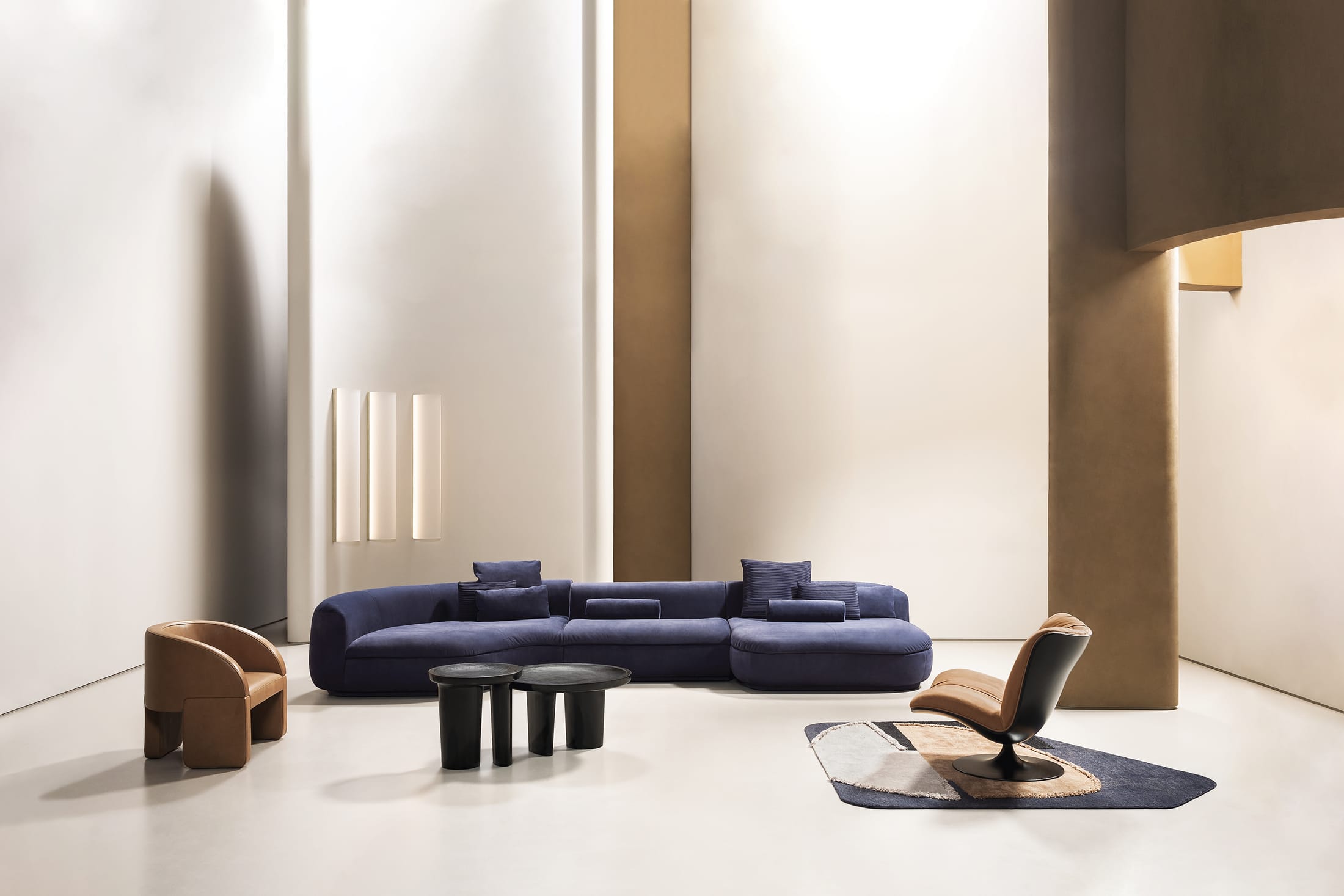
Key Takeaway: Styling a 70s icon is about balance. Contrast the "heaviness" of a modular sofa with light-reflecting surfaces like chrome and glass, and soften the edges with plenty of natural greenery.
FAQ
Are 70s modular sofas practical for small apartments? Surprisingly, yes! Because pieces like the Camaleonda or Togo are modular and often lack high backs or rigid arms, they can be configured to fit tight spaces without overwhelming them. They also sit lower to the ground, which can make ceilings feel higher and rooms feel more spacious.
How do I clean tactile fabrics like corduroy or velvet? For modern reissues, most fabrics are treated for durability. We recommend regular vacuuming with a soft brush attachment to prevent dust from settling into the "valleys" of the corduroy or the pile of the velvet. For spills, always blot—never rub—and use a water-free solvent cleaner if necessary.
Is it better to buy an original vintage piece or a modern reissue? If you value sustainability and comfort, a modern reissue (like the 2020 Camaleonda) is superior due to its eco-friendly materials and updated foam technology. However, if you are a purist looking for an investment piece with a specific patina, a well-preserved vintage original can offer unmatched character.