Quick Facts
- Owner: Niall Maher
- Location: Westchester, NY
- Architect: Roy S. Johnson (c. 1950)
- Style: Mid-Century Modern (MCM) Restoration
- Key Investment: Case Study Bentwood Furniture & Arne Jacobsen Lighting
- Primary Wood: Restored Cedar and Walnut
When Niall Maher bought a 1950 suburban ranch house in Westchester, New York, he didn’t just move in—he embarked on a mission to unearth its original soul. The house, designed by the acclaimed Roy S. Johnson, had suffered the indignity of many mid-century homes: its history had been buried under layers of sheetrock and thick, clinical white whitewash. For a design purist like Niall, the goal was clear. He wanted to peel back the decades to reveal the "Wood House" it was always meant to be.
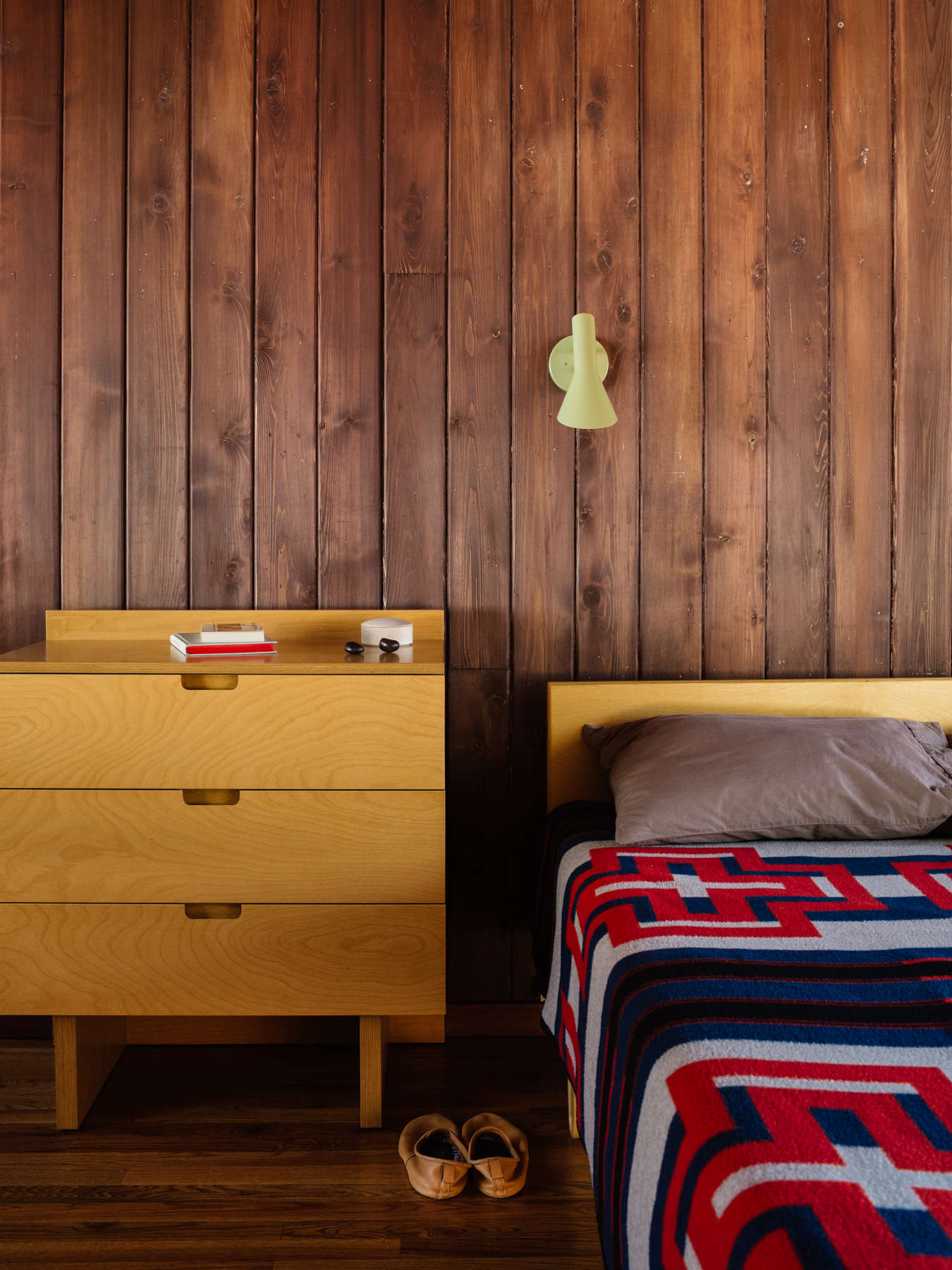
What defines the 1950s mid-century bedroom style? At its core, the aesthetic is characterized by a "low-profile" philosophy. Think wooden furniture with slender, tapered legs that allow light to flow underneath, natural cedar or walnut wall paneling that brings the outdoors in, and sculptural, minimalist lighting. In Maher’s bedroom, this is executed through a disciplined mix of authentic restoration and curated modern-day heirlooms like the Case Study Bentwood Bed and organic Pendleton wool textiles. It’s a space where form follows function, but that function is expressed with an undeniable, quiet beauty.
The Shell: Restoring Authentic Wood Paneling
In many 1950s ranch house interior designs, the walls were the most dramatic feature. Maher’s bedroom originally featured floor-to-ceiling cedar paneling, a hallmark of the era that provided both insulation and a rich, tactile warmth. However, a previous owner had painted the entire room white, a common "quick fix" to modernize a space that succeeded only in stripping it of its character.
Restoring 1950s wood paneling is not a task for the faint of heart. It requires stripping any existing paint or whitewash back to the raw grain. After a painstaking removal process, Niall opted for a finish that would celebrate the wood's maturity rather than hide it. He applied Minwax Red Oak Interior Stain—a specific choice that might sound counterintuitive for cedar, but the red oak pigments beautifully highlight the deep, honeyed undertones of aged cedar, creating a glow that looks original to 1950.

Ivy’s Professional Tip: When restoring old wood, always test your stain on a small, inconspicuous patch behind where a headboard or dresser will sit. Wood from the 1950s reacts differently to modern stains than new lumber does due to decades of oxidation.
The Anchor Pieces: High-End MCM Furniture
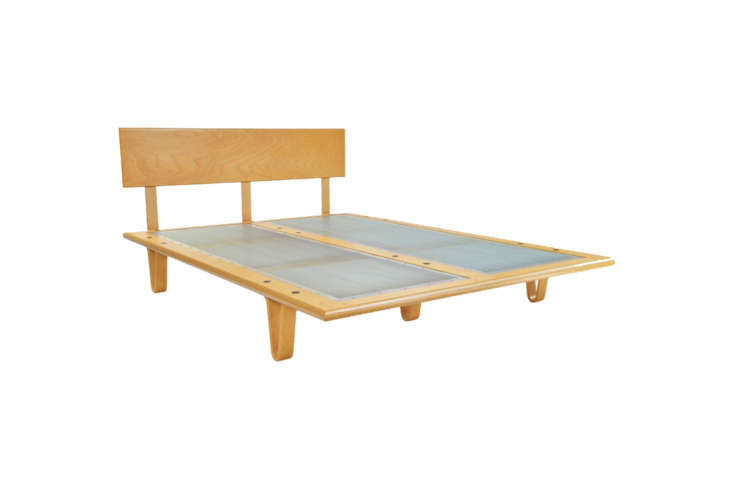
Once the "shell" of the room was restored, the furniture needed to match the architectural integrity of the walls. In mid-century design, the bed isn't just a place to sleep; it’s a structural statement. Niall chose the Case Study Bentwood Bed in a Classic Stain ($1,870). This piece is produced by Modernica using the original mid-century manufacturing techniques—specifically, high-pressure heat and steam to curve the wood.
The bentwood frame creates a sense of "lightness" in the room. Because the bed sits on thin, angled legs, more of the floor is visible, making the room feel larger and less cluttered. This is a crucial principle for anyone attempting an authentic MCM restoration: furniture should never feel heavy or grounded like a traditional Victorian or colonial piece.
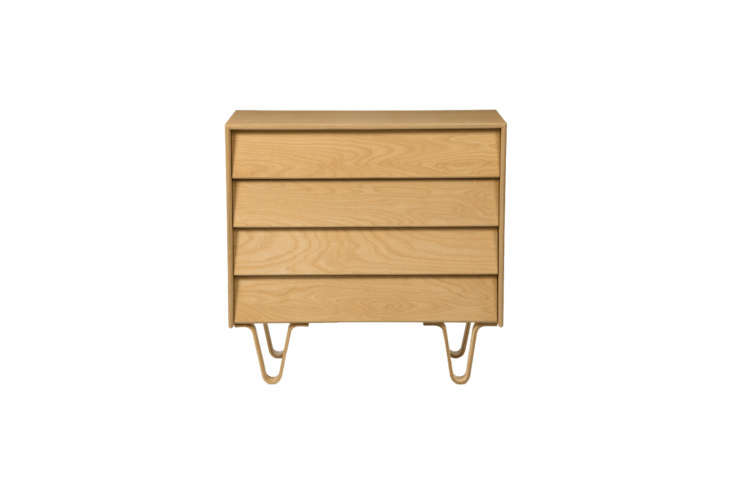
To complement the bed, Niall integrated the Case Study Bentwood Four-Drawer Dresser. By keeping the materials consistent—walnut and maple veneers with solid wood cores—the room avoids the "mismatched" look that can sometimes plague eclectic designs. Based on 2024 Modernica pricing, a premium mid-century modern bedroom furniture investment, including an authentic bentwood bed and dresser, averages approximately $4,520. While the price point is high, these are pieces designed to last another seventy years.
Cost Comparison: Authentic vs. Reproduction
For those looking to "steal the look" on different budgets, here is how the primary pieces stack up:
| Item | Authentic Investment (e.g., Modernica/Louis Poulsen) | High-Quality Market Alternative |
|---|---|---|
| Bed Frame | $1,870 (Bentwood) | $600 - $900 (Solid Acacia) |
| Nightstand/Stool | $325 (Aalto Stool 60) | $80 - $120 (Plywood Stool) |
| Sconce Lighting | $1,175 (AJ Wall Lamp) | $250 - $350 (Cone Sconce) |
| Wool Blanket | $339 (Pendleton) | $120 - $180 (Wool Blend) |
| Total Room Anchor | $3,709 | $1,050 - $1,550 |
Sculptural Lighting: The AJ Wall Lamp
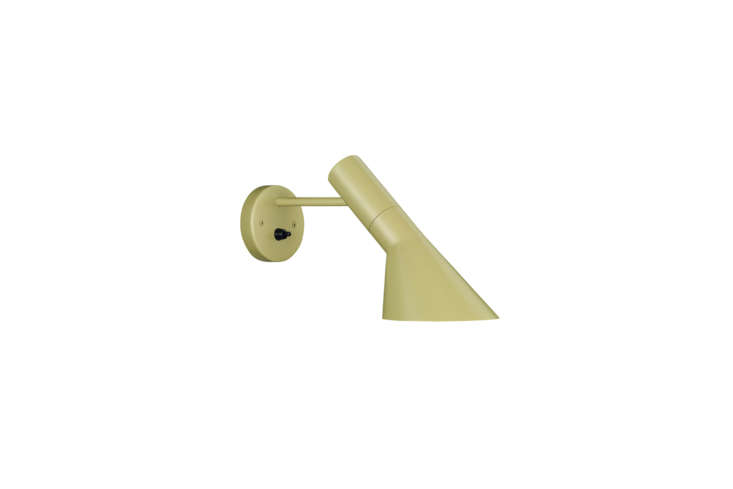
If the furniture provides the structure, the lighting provides the sculpture. Niall utilized the iconic Arne Jacobsen AJ Wall Lamp, originally designed in 1957 for the SAS Royal Hotel in Copenhagen. Its asymmetrical shape and tiltable head make it the ultimate bedside companion for readers.
Authentic designer lighting fixtures for MCM spaces, such as the AJ Wall Lamp produced by Louis Poulsen, carry a price premium of nearly 380% compared to high-quality market lookalikes. However, for a true restoration, the "finish" of the light—the way the paint is baked onto the zinc—is often where the difference lies. The AJ lamp doesn't just provide light; it casts a specific, directed glow that emphasizes the texture of the cedar walls behind it.
Textiles and Accents: Adding Organic Warmth
A room filled only with wood and metal can feel cold, even clinical. To balance the "hard" surfaces of the cedar walls and bentwood furniture, Niall introduced organic textiles. The standout is the Pendleton Earth Blanket in black multi ($339). Pendleton is synonymous with American heritage design, and their patterns often mirror the geometric yet organic motifs found in mid-century art.

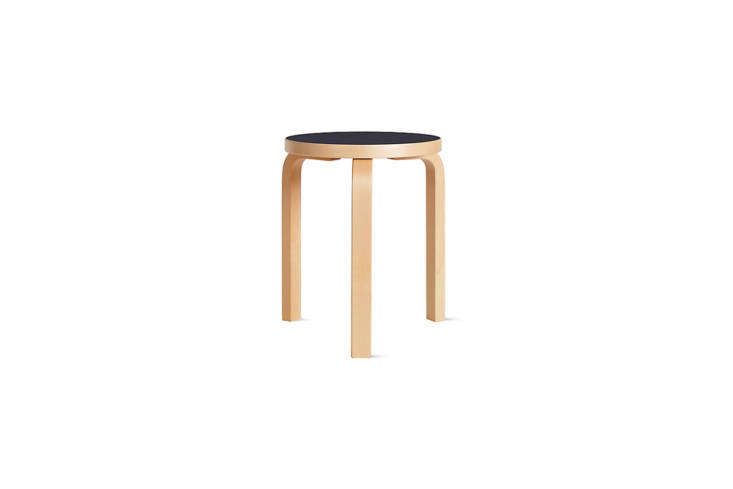
In a stroke of minimalist genius, Niall eschewed traditional bulky nightstands in favor of the Alvar Aalto Stool 60. Designed in 1933, this stool represents the height of functionalist design. In this bedroom, it serves as a flexible surface for a book or a cup of coffee, maintaining the "low profile" aesthetic and ensuring the wood paneling remains the star of the show.
The 57-Inch Rule for Art
One of the most common mistakes in home decor is hanging artwork too high. In a mid-century home, where the furniture is lower to the ground, this mistake is even more glaring. For a polished mid-century aesthetic, artwork should be placed at eye level, which is generally 57 inches from the ground to the center of the piece. This creates a visual connection between the seated furniture and the walls, grounding the room.
5 Core Principles to Master the MCM Aesthetic
To replicate the success of Niall Maher’s restoration in your own home, keep these principles in mind:
- Embrace Biomorphic Design: Look for furniture with organic curves rather than sharp, 90-degree angles. The "bentwood" technique is the perfect example of this.
- Prioritize "Honest" Materials: If you are buying wood, choose solid wood or high-quality veneers over particle board. The grain of the wood is a decorative element in itself.
- The "Leggy" Look: Choose furniture on tapered legs. This creates a sense of lightness and airiness, allowing you to see the floorboards and making small bedrooms feel expansive.
- Color Palette Control: Stick to a palette of "earth and metal." Use wood tones as your base, and add pops of color through textiles (like the Pendleton blanket) or sculptural lighting.
- Functional Minimalism: Every piece should have a purpose. If a piece of furniture doesn't serve a function, it's just clutter. The Aalto stool used as a nightstand is the epitome of this rule.
FAQ
How can I tell if my home has original wood paneling worth restoring? Look for "V-groove" patterns or tongue-and-groove joinery. If the wood feels "hollow" when tapped, it might be a cheap 1970s laminate. Authentic 1950s paneling is usually solid cedar, redwood, or high-grade plywood with a thick veneer. If it's painted, you can sand a small corner to see the grain underneath.
Is it worth investing in authentic Modernica or Herman Miller pieces? If your budget allows, yes. These pieces hold their resale value incredibly well—often selling for 70-80% of their retail price even decades later. However, if you are on a budget, focus on "authentic materials" (solid wood) rather than "authentic brands."
How do I clean restored 1950s wood walls? Avoid harsh chemical cleaners. Use a soft microfiber cloth and a dedicated wood cleaner like Murphy’s Oil Soap diluted in water. For a deeper shine, a light application of beeswax can nourish the wood without creating a plastic-like film.
Conclusion
Niall Maher’s bedroom restoration is a masterclass in architectural respect. By stripping away the "modern" updates of the 90s and 2000s, he allowed the original 1950s vision of Roy S. Johnson to breathe again. Whether you are living in a true Westchester ranch or a modern apartment, you can "steal this look" by focusing on the warmth of natural wood, the elegance of tapered silhouettes, and the philosophy that a room should be as functional as it is beautiful.
Designing a mid-century space isn't about creating a museum; it's about creating a home that feels timeless, organic, and intentionally lived-in.