When I first started my journey in home improvement and gardening, I spent a fortune on high-end gadgets and complex seasonal schedules. Then I met George, my neighbor and an 81-year-old gardening veteran whose landscape looks like a botanical garden year-round. George doesn't follow the latest "bio-hack" gardening trends; he follows the rhythm of the soil. His philosophy is simple: fall isn't about "cleaning up"—it's about "putting the garden to bed" so it can wake up stronger.
The secret to his 30-year garden isn't just hard work; it’s knowing exactly where to exert effort and, more importantly, where to stop. In this guide, we’ll dive into the specific winter garden preparation tips that have kept George’s garden thriving through decades of frost, snow, and changing climates.
The Two-Pronged Lawn Strategy: Roots Over Aesthetics
Most homeowners view the final mow of the season as a chore to be completed and forgotten. For an expert like George, the late autumn window is the most critical time for lawn health. He focuses on the invisible: the root system. While the grass blades might stop growing upward, the roots are still active, scavenging for nutrients to store for the spring.
The "Winterizer" secret that George swears by is the application of a high-potassium winterizer fertilizer. While spring fertilizers are often high in nitrogen to promote green, leafy growth, fall requires a different chemical balance. Potassium (the 'K' in the N-P-K ratio) acts like an antifreeze for plant cells, strengthening the cell walls and increasing the plant's ability to withstand extreme cold.
Expert Tip: "People get obsessed with green grass in October. Forget the green. You want the roots to be like iron. A good winterizer makes the difference between a lawn that survives and a lawn that thrives," George says.
The data backs him up. Expert gardening practices suggest that applying a high-potassium winterizer fertilizer in late autumn can increase root production and soil resilience by up to 30% for the following spring. This extra root mass acts as a reservoir, allowing the grass to "green up" much faster when the ground thaws, often weeks before the neighbors' lawns.
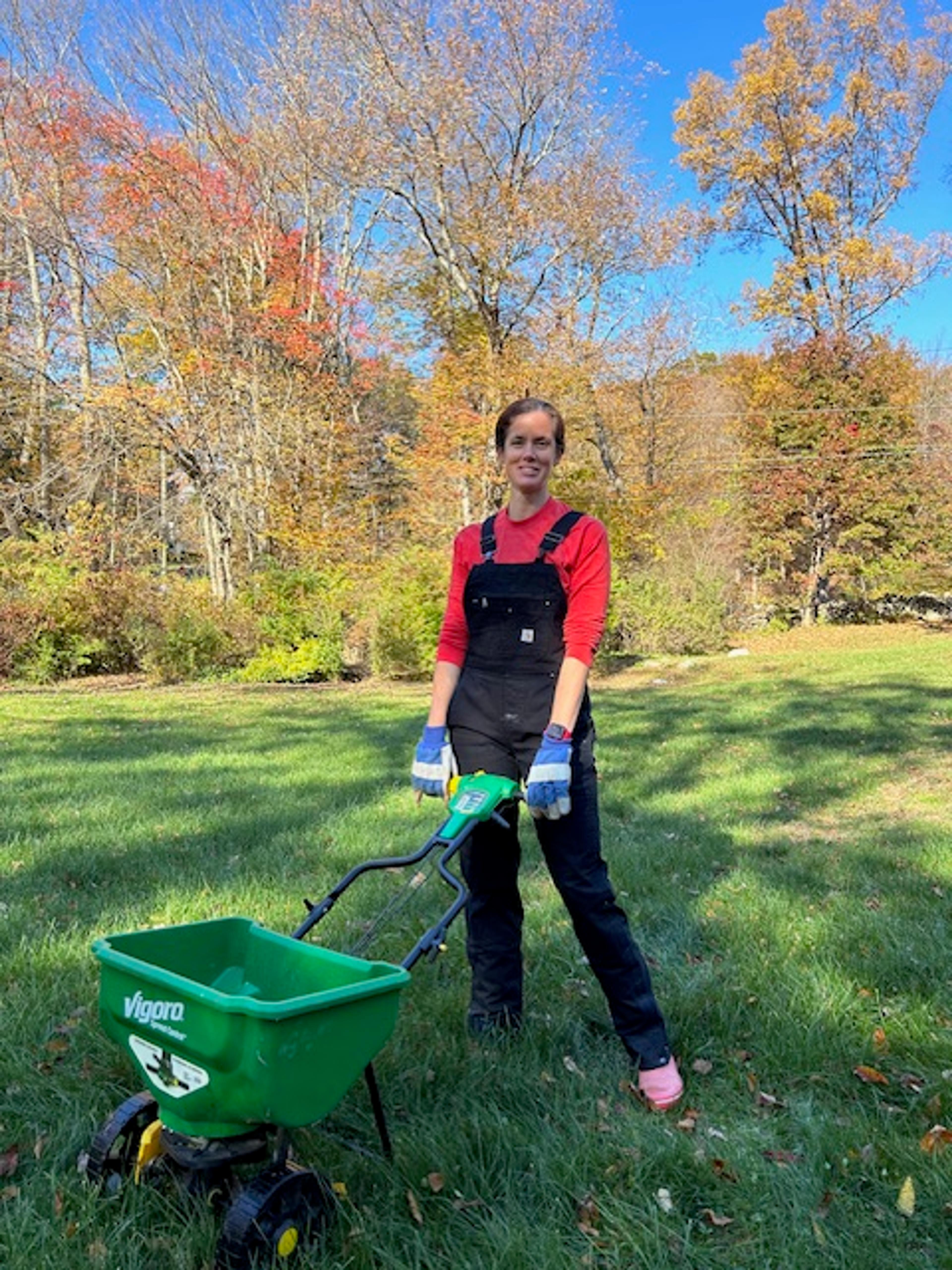
When it comes to the choice between seeding and aeration, George is a proponent of "breathing room." If your soil is compacted from a summer of foot traffic, aeration is non-negotiable. He recommends aerating in early fall to allow the winterizer fertilizer to penetrate deep into the root zone. If you have bare patches, overseeding should be done simultaneously, but only if you still have 4-6 weeks before the first hard frost.
Bush and Shrub Care: The Critical 'Don't'
If there is one mistake George sees every year, it’s the well-intentioned gardener who decides to give their rose bushes or hydrangeas a "little snack" of fertilizer before the snow hits. Should you fertilize bushes in the fall? No, do not fertilize bushes in the fall.
George is very firm on this: fertilizing woody plants in late autumn encourages a flush of tender, new growth. Because this new growth hasn't had time to "harden off" (a process where the plant increases its solute concentration to resist freezing), the impending frost will inevitably kill it. This not only wastes the plant's energy but also creates entry points for disease and pests.
Instead of fertilizing, focus on a maintenance checklist that prioritizes hydration and hygiene:
- Deep Watering: Give your shrubs a deep soak before the ground freezes. Desiccation (drying out) is a leading cause of winter kill, especially for evergreens like boxwoods or hollies.
- Weeding: Those late-season weeds are masters of survival. Pull them now so they don't go to seed and create a nightmare for you in April.
- Disease Removal: If you noticed powdery mildew or black spots during the summer, remove those leaves and branches now. Do not compost them; bag them and get them off your property to prevent spores from overwintering.
Fertilization: Do vs. Don't Table
| Feature | Lawn (Turf) | Woody Bushes & Shrubs |
|---|---|---|
| Action | Apply High-Potassium Winterizer | STOP all fertilization |
| Reason | Increases root resilience by 30% | Prevents frost-vulnerable new growth |
| Timing | Late October to Mid-November | Late August is the cutoff |
| Key Nutrient | Potassium (K) | None (Let them go dormant) |
Planting Spring Bulbs: Timing the Soil
George’s garden is famous for its mid-March explosion of tulips and daffodils. The secret isn't a special brand of bulb; it's the thermometer. Many beginners plant bulbs as soon as they hit the shelves in early September, but George waits.
When should you plant spring bulbs in the fall? You should plant spring bulbs once evening soil temperatures are consistently between 40°F and 50°F, but before the ground freezes.
In many regions, especially Zone 7a, this window usually opens in late October or early November. Studies of Zone 7a gardening show that maintaining this consistent 40-50°F soil temperature window for bulb planting results in a 15% higher bloom success rate compared to late-season planting in frozen ground or early planting in soil that is too warm. If the soil is too warm, the bulb may try to send up a shoot, which will then freeze and rot.
Expert Tip: "The soil needs to be cool enough to tell the bulb to sleep, but warm enough to let it grow some roots before the big freeze," George explains. "I use a simple kitchen meat thermometer to check the soil about six inches down."
When planting, aim for a depth that is roughly three times the height of the bulb itself. For a standard tulip, this is about 6 to 8 inches. Adding a handful of bone meal or a specialized bulb starter into the hole will provide the phosphorus needed for strong root development without triggering the dangerous top-growth that nitrogen would.
The Leaf Debate: Mulch or Mow?
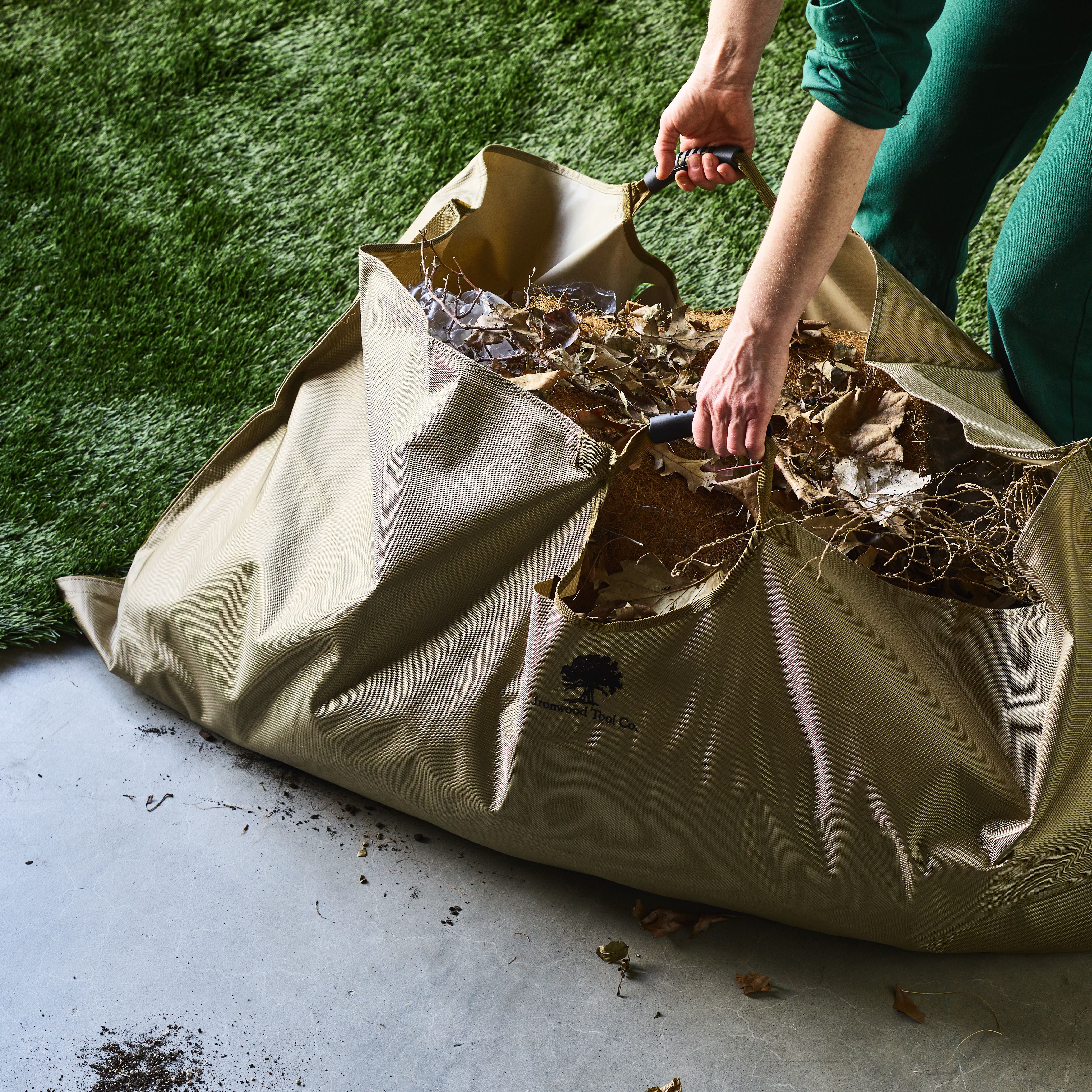
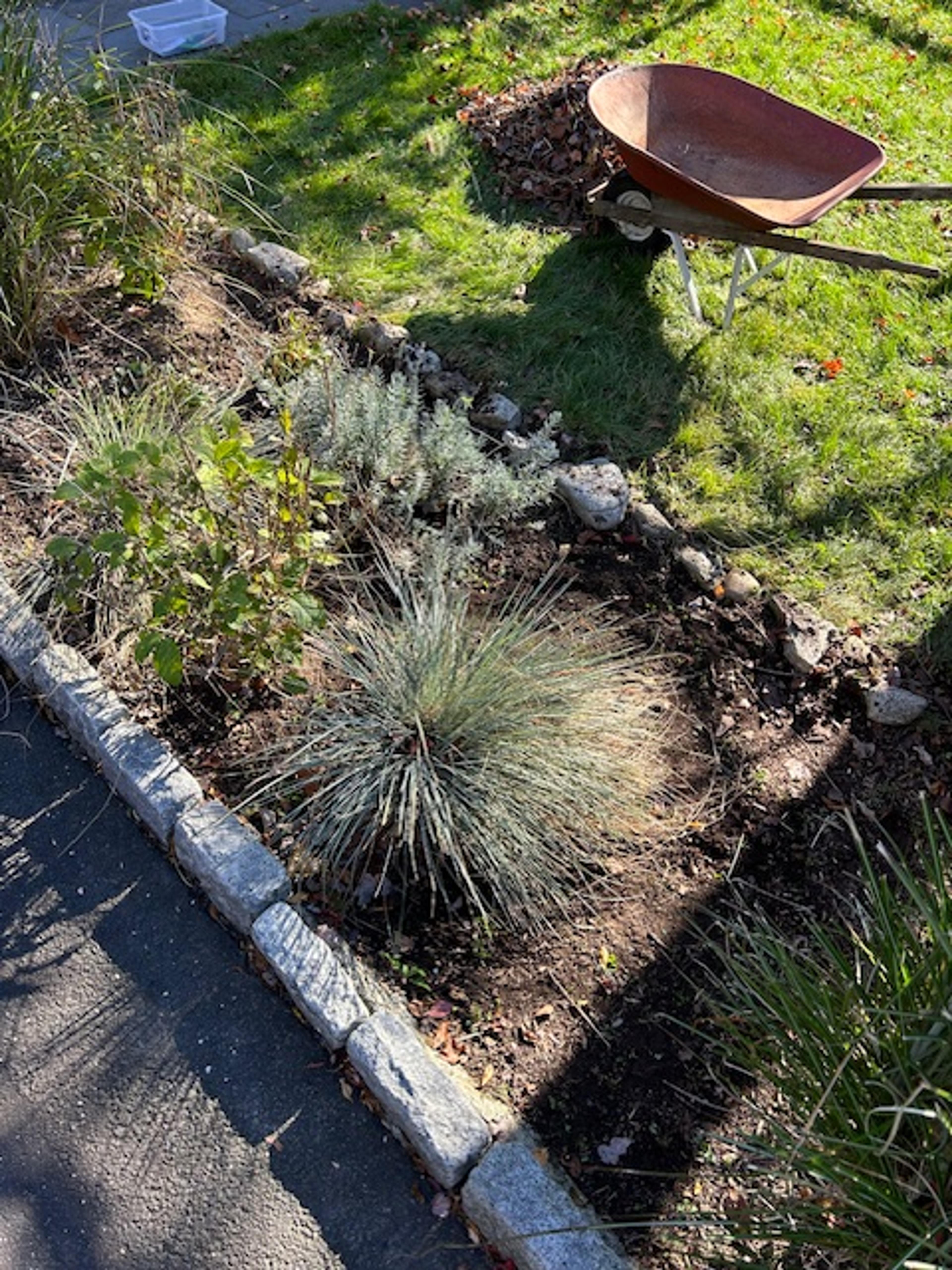
For years, the standard "winter prep" involved raking every single leaf into bags and hauling them to the curb. George calls this "throwing away gold."
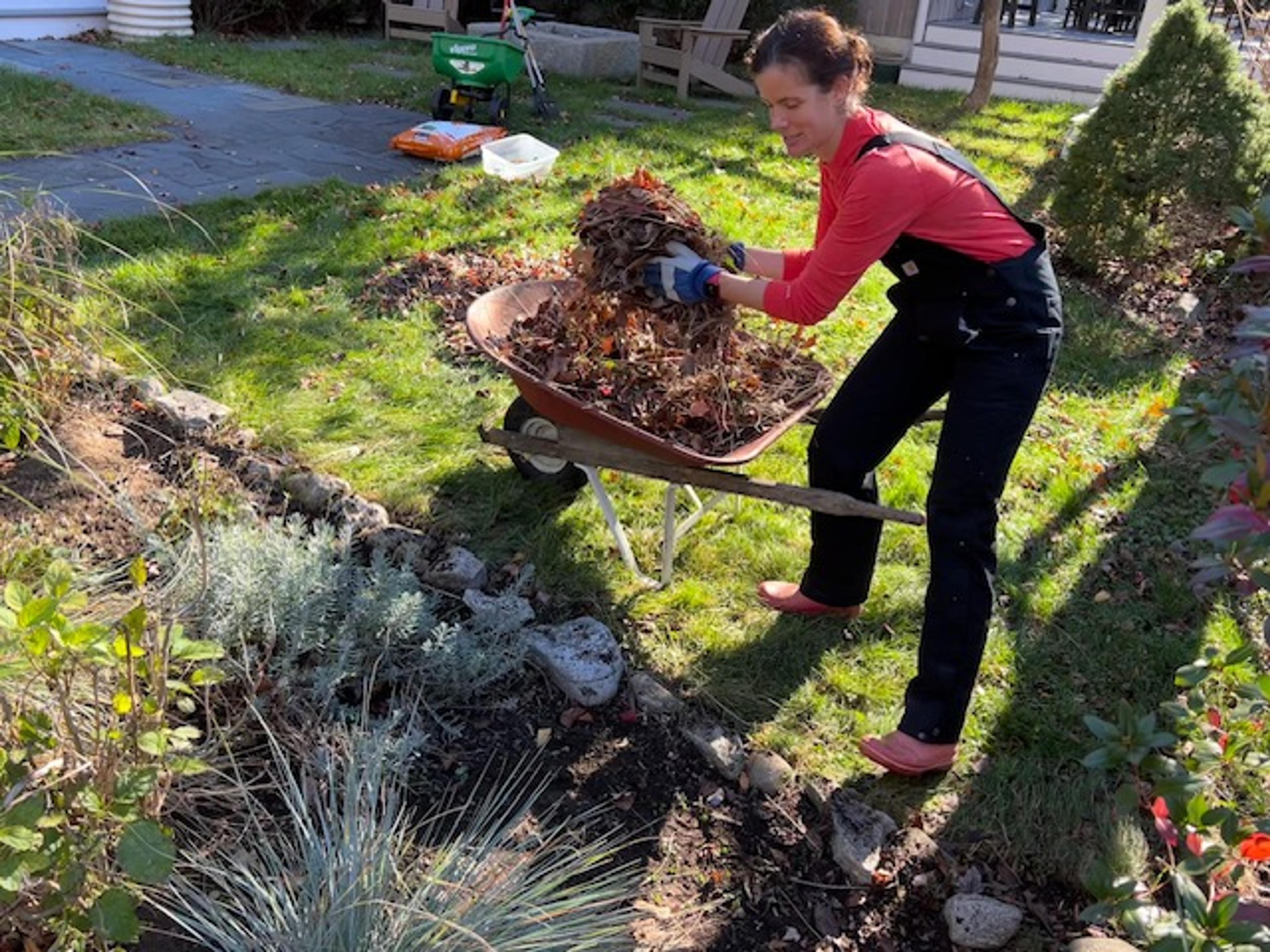
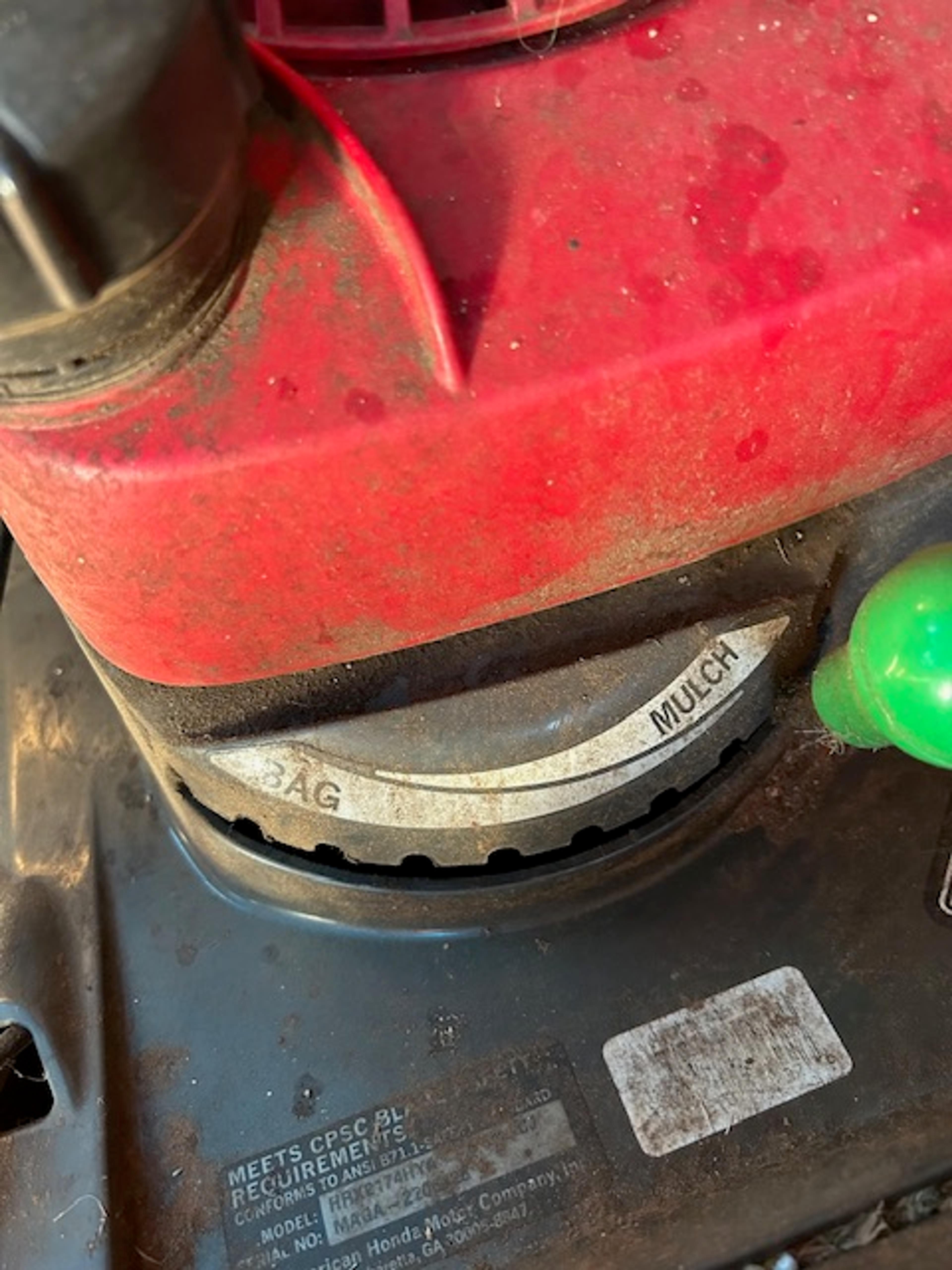
What is the best way to handle fallen leaves? The most sustainable and effective method is to either layer leaves in garden beds as mulch to insulate plants or use a mulching mower to chop them into fine pieces for the lawn.
Leaves are nature’s perfect insulation. They protect the soil from the "freeze-thaw cycle" that can heave perennials out of the ground. Furthermore, as they decompose, they provide a "banquet" for microorganisms and earthworms, improving the soil structure for the next year.
If you prefer a tidy-looking lawn, don't rake. Use a mulching mower. This shreds the leaves into tiny bits that fall between the blades of grass. As these bits decompose, they return carbon and nutrients directly to the soil. If the leaf layer is too thick (more than an inch), George suggests blowing them into the flower beds.
Expert Tip: "A leaf on the lawn is a mess. A shredded leaf in the flower bed is free fertilizer. Don't work harder than you have to," George says with a wink.
Final Winter Prep Checklist: Safety and Longevity
As an editor focused on DIY and renovation, I always emphasize tool maintenance. George is the master of this. He views his tools as an investment. If you take care of the tool, the tool takes care of the garden.
Before the first snow falls and you retreat indoors, follow this safety-conscious maintenance checklist:
1. Tool Maintenance
- Clean: Scrub all dirt and rust off your shovels, hoes, and shears using a wire brush.
- Sharpen: Use a mill file to put a fresh edge on your spades. A sharp tool requires less physical effort, which is vital for long-term gardening health.
- Oil: Rub wooden handles with linseed oil to prevent cracking. Wipe metal heads with a light coat of WD-40 or vegetable oil to prevent winter rust.
2. Protecting Irrigation
- Drain Hoses: Disconnect all hoses from outdoor faucets. If water stays in the hose and freezes, it will split the casing.
- Shut Off Valves: If you have an interior shut-off for your outdoor spigots, turn it off and then open the exterior faucet to let any remaining water drain out. This prevents "pipe burst" disasters.
- Rain Barrels: Empty your rain barrels and flip them upside down so they don't crack from ice expansion.
3. Protecting Raised Beds and Sensitive Plants
- Cover Crops or Mulch: Never leave the soil in a raised bed bare. If you aren't planting a cover crop like winter rye, cover the soil with a 4-inch layer of straw or shredded leaves.
- Row Covers: For sensitive perennials or late-season kale, have row covers or "cloches" ready for the first few hard frosts.
FAQ
Q: Can I use regular 10-10-10 fertilizer as a winterizer? A: While you can, it's not ideal. Standard 10-10-10 has too much nitrogen for late fall. You want a product specifically labeled as a "Winterizer" or one with a high third number (Potassium), such as a 10-0-20 or 5-0-15. This focuses the plant’s energy on root strength rather than leaf growth.
Q: Is it too late to plant bulbs if the first frost has already happened? A: Not necessarily. As long as you can still get a shovel into the ground, you can plant bulbs. The "frost" just affects the surface; it takes much longer for the ground to freeze solid. However, try to get them in as close to that 40-50°F soil window as possible for the best results.
Q: Should I cut back my perennials now or in the spring? A: George suggests a mix. Cut back anything diseased or messy (like Hostas after they turn mushy). However, leave plants with seed heads (like Coneflowers or Black-eyed Susans) for the birds to eat during the winter. This also provides visual interest in a snowy landscape.
Start Your Winter Prep Today
Following an 81-year-old expert’s advice isn't about doing more work; it’s about doing the right work. By focusing on root health, timing your bulb planting with soil temperatures, and using nature's own mulch, you are setting your garden up for a spectacular spring.
Don't wait for the first blizzard to think about your garden. Grab your thermometer, check your lawn's potassium levels, and give your space the "no-nonsense" care it deserves.