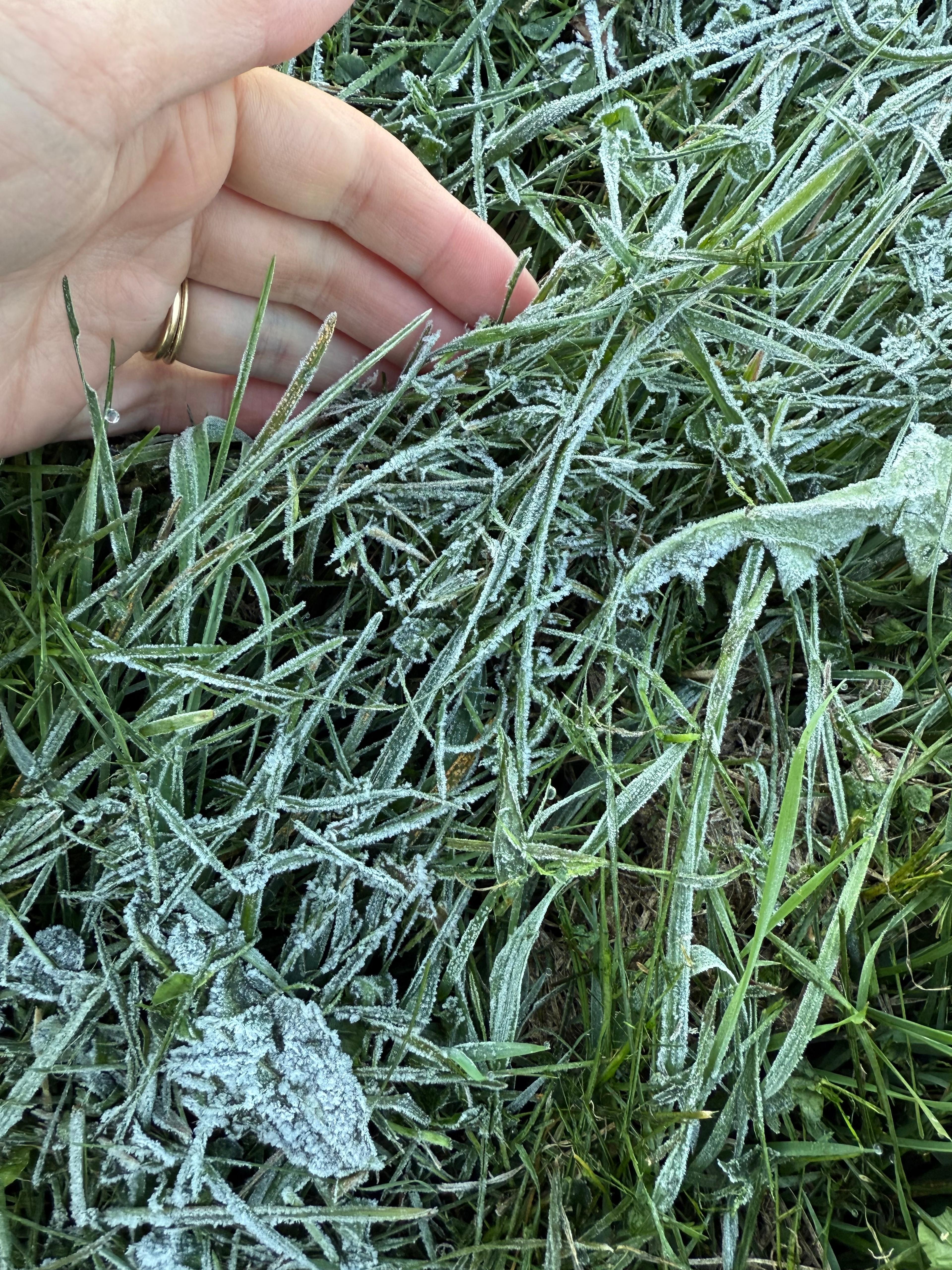
As you wake on that specific November morning, there is a distinct, heavy silence that blankets the landscape. When you pull back the curtains, the world has been transformed. The lush, verdant greens of yesterday are gone, replaced by a delicate, crystalline silver that coats every leaf, stem, and fence rail. For many gardeners, this first frost feels like a closing curtain—a cold finality to the vibrant performance of summer. But if you look closer, through the eyes of a "practical romanticist," you’ll realize that the frost isn’t an ending; it is a revelation. It strips away the distractions of flower and foliage to reveal the "bones" of your garden, marking the start of a season defined by structure, texture, and a quiet, craggy beauty.
This transition is unavoidable, yet it demands our participation. The shift from a productive autumn garden to a serene winter landscape requires both a gentle touch and a disciplined schedule. Understanding the nuances of the cold—and how to respond to it—is the difference between a garden that looks derelict in January and one that looks like a curated masterpiece under a dusting of snow.
Understanding the Frost: Light vs. Hard Frost
Not all freezes are created equal. As a gardener, your first task is to interpret the thermometer. The way your plants react to the cold depends entirely on the intensity of the temperature drop and the duration of the freeze.
Gardeners' Quick Guide: Temperature Thresholds
- Light Frost (32°F / 0°C): This occurs on clear, still nights. It creates that beautiful "crystal" effect but is often superficial. While it will kill off tender annuals like zinnias and basil, many hardy perennials and cool-season vegetables (like kale or carrots) will survive and may even become sweeter.
- Hard Frost (Below 25°F / -4°C): This is a true "killing frost." When temperatures drop this low for several hours, the water inside plant cells freezes and expands, rupturing the cell walls. This is when the majority of annuals shrivel and turn black, and even "tender" perennials enter full dormancy.
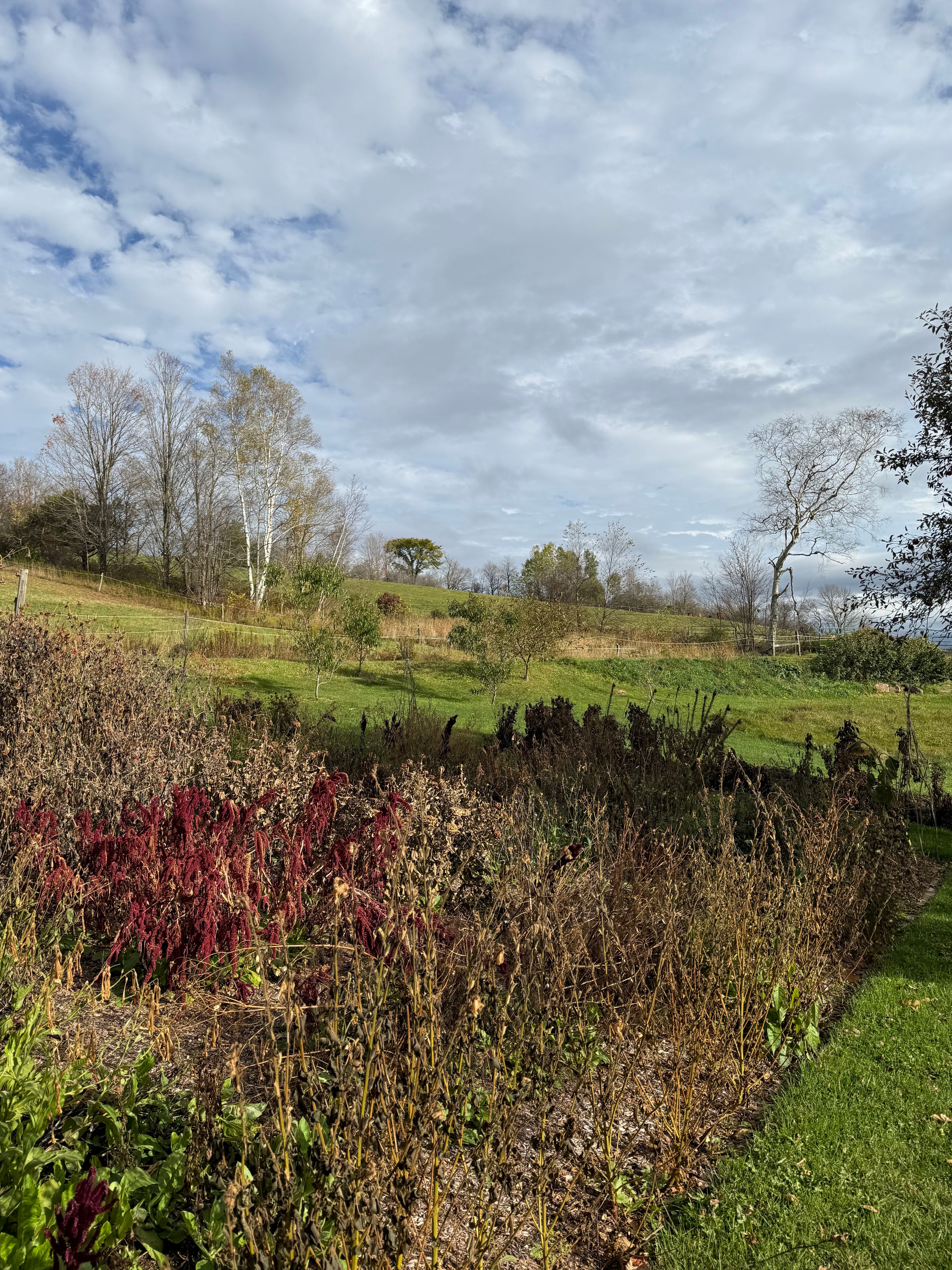
When the thermometer hits that 25°F mark, the garden undergoes a physical collapse. The vibrant, fluorescent dahlias turn to mush, and the hostas melt into translucent ribbons. It can be heartbreaking to witness, but this collapse is nature’s way of signaling that it is time to move the life of the garden underground.
Immediate Post-Frost Garden Cleanup & Prep
The window of time immediately following the first hard frost is one of the most labor-intensive periods for a dedicated gardener. It is a race against the hardening ground. Your goal is to secure the future of your favorite plants before the soil becomes an impenetrable block of ice.
The Ritual of Overwintering Dahlias For many, dahlias are the crown jewels of the late-summer garden. However, they are incredibly sensitive to the cold. Once the first frost has blackened the foliage, the clock starts ticking. If you live in a zone where the ground freezes solid, you must lift these tubers to save them for next year.
Managing a professional-scale cutting garden with over 100 dahlia plants is no small feat—it requires approximately 3 to 5 full days of dedicated labor to complete the lifting, cleaning, and storing process post-frost. The process is a meditation on patience:
- Cut & Wait: Cut the blackened stems down to about 4 inches. Wait about a week for the tubers to "cure" in the ground.
- Lift: Use a pitchfork to gently pry the tubers from the earth, being careful not to neck the delicate crowns.
- Clean: Hose off the soil thoroughly to prevent rot.
- Dry & Store: Let them dry in a frost-free area for two days. Once dry, pack them in crates filled with vermiculite or peat moss and store them in a cool, dark place (ideally 40-50°F).
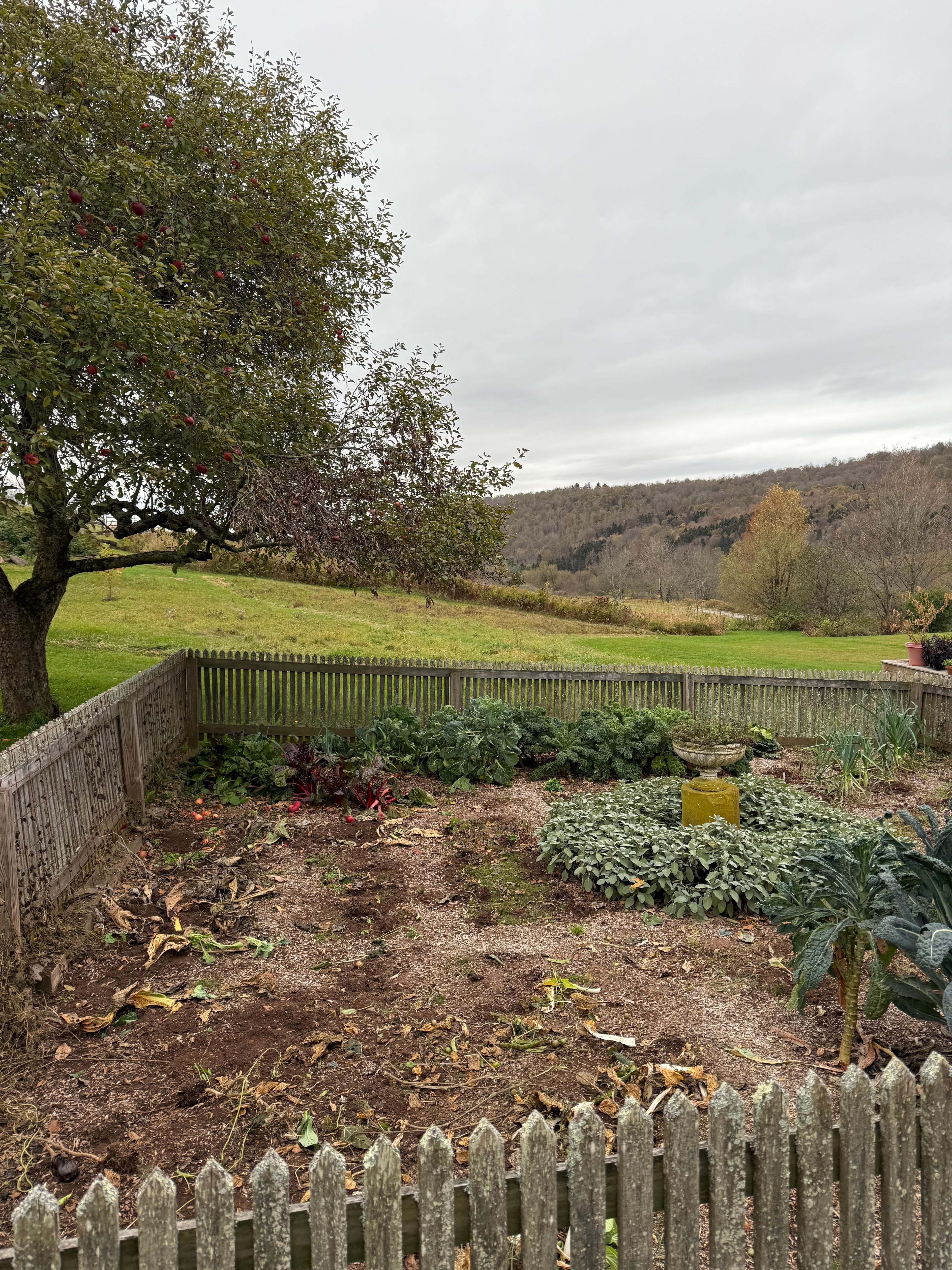
Rose Care and Winter Mulching While your dahlias are tucked away, your roses need a different kind of protection. Avoid heavy pruning now, as this can encourage new growth that will only be killed by the next freeze. Instead, focus on "collaring"—heaping extra mulch or compost around the base of the plant to protect the graft union from extreme temperature fluctuations.
Firewood: The Secondary Harvest As the garden goes to sleep, the hearth wakes up. This post-frost period is often when we realize our dependence on the woodpile. It’s important to remember that properly seasoning firewood for winter heating requires a 6 to 12-month curing period after splitting. If you didn't split your wood last spring, now is the time to organize your stacks for next winter, ensuring they stay off the ground and covered from the top to ensure efficient, safe burning.

Creating the 'Bones' of a Winter Garden
Once the "mess" of the summer garden is cleared away, you are left with the architectural truth of your landscape. In the industry, we call these the "garden bones." Without flowers to distract the eye, the layout of your hedges, paths, and permanent structures becomes the focal point.
Winter beauty is rarely accidental; it is the result of intentional cold-hardy landscape design. You want to look for plants that offer structure even when they are stripped of their leaves, or better yet, those that keep their form under a heavy layer of snow.
Evergreen Anchors Evergreens are the sentinels of the winter garden. They provide the deep, saturated color that prevents the landscape from looking bleak. To maintain structure and texture, prioritize these stalwarts:
- Boxwood (Buxus): These can be sheared into formal spheres or hedges, providing a "green architecture" that holds up beautifully against white snow.
- Japanese Yew (Taxus cuspidata): Highly versatile and shade-tolerant, yews offer a fine texture that catches the frost elegantly.
- Norway Spruce (Picea abies): With its drooping branchlets, the Norway Spruce creates a dramatic, weeping silhouette that looks like a Victorian etching when silhouetted against a grey sky.
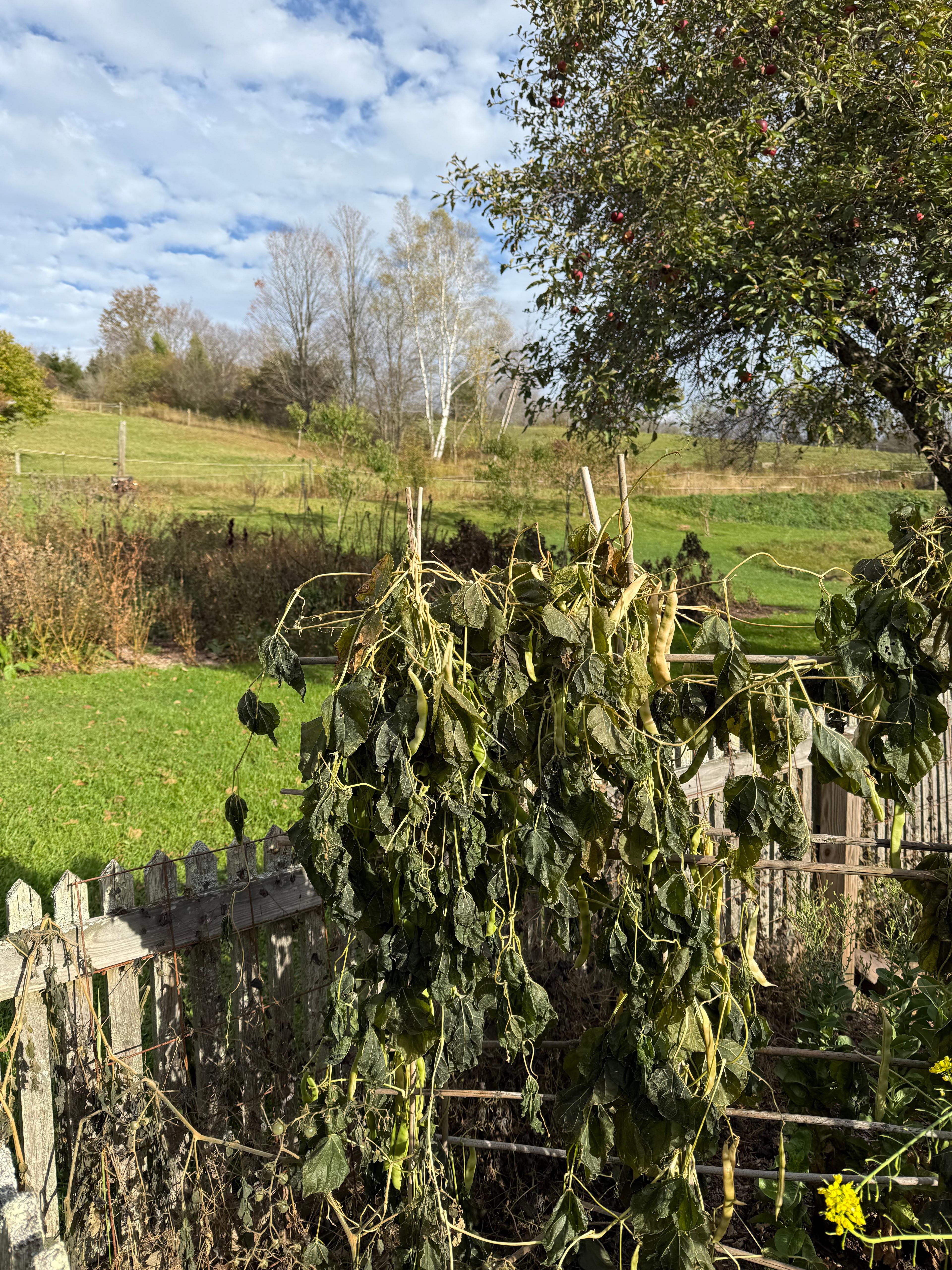
Architectural Plants for Winter Interest
Beyond the evergreens, there are plants that we purposefully leave standing after the frost. These "architectural" plants provide movement and height during the long months of January and February.
Ornamental Grasses One of the biggest mistakes a gardener can make is cutting back their ornamental grasses in the fall. Species like Miscanthus (Maiden Grass) or Calamagrostis (Feather Reed Grass) should be left standing. They provide a golden, tawny hue and a rustling sound in the wind that adds a sensory layer to the garden. More importantly, their seed heads catch the snow, turning them into natural sculptures.
Trees with Winter Bark In winter, the bark is the bloom. When the leaves are gone, the trunks of certain trees become the stars of the show.
- Paperbark Birch: Known for its peeling, cream-colored bark that glows in the low winter sun.
- Coral Bark Maple: This variety of Japanese Maple features branches that turn a vivid, almost neon pink-red as the temperatures drop, providing a shocking contrast to a white landscape.
The Early Bloomers For those who can't wait for spring, winter-flowering plants are a must. Hellebores (often called Christmas or Lenten Roses) will push their nodding, waxy blooms through the snow as early as January. Pair them with Witch Hazel, which produces spidery, fragrant yellow or orange flowers on bare branches in the depths of winter.
Enhancing the Scene with Lighting and Accents
When the sun sets at 4:30 PM, your garden shouldn't disappear. Winter is the best time to experiment with landscape lighting. Because there are no leaves to block the light, you can create dramatic shadows and highlights that aren't possible in the summer.
Uplighting and Spotlighting Try placing a small LED uplight at the base of a sculptural tree, like a River Birch or a gnarled Oak. The light will trace the intricate patterns of the bark and branches, casting them against the night sky. Spotlighting an evergreen hedge can create a "wall of green" that makes your outdoor space feel like an enclosed, cozy room even in the cold.
Movement and Life A winter garden can feel static, so add movement. Bird feeders are not just a kindness to local wildlife; they bring color and activity to the scene. Position a bird feeder where you can see it from a main window, surrounded by frost-tolerant container displays filled with winterberry holly and cut evergreen boughs.
FAQ
Q: Can I leave my dahlia tubers in the ground if I mulch them heavily? A: It depends on your hardiness zone. In Zone 8 and warmer, a thick layer of mulch (6-8 inches) is often enough to protect them. In Zone 7 or colder, the ground usually freezes deep enough to kill the tubers regardless of mulch, so lifting them is highly recommended.
Q: Should I prune my fruit trees immediately after the first frost? A: It is better to wait until the deepest part of winter (January or February) when the trees are fully dormant. Pruning right after the first frost can sometimes "wake up" the tree if there is a subsequent warm spell, leading to sap loss and damage.
Q: Why do some plants look better after a frost? A: Many "cold-hardy" plants, particularly brassicas like kale and Brussels sprouts, convert their starches into sugars as a natural antifreeze mechanism. This makes them significantly sweeter and more palatable after a light or hard frost.
The first frost is a reminder that the garden is a living, breathing cycle. By embracing the work of the "cleanup" and investing in the "bones" of your landscape, you ensure that your garden remains a place of beauty, even when the world turns to crystal. Don't fear the cold—use it to highlight the enduring strength of your garden's design.