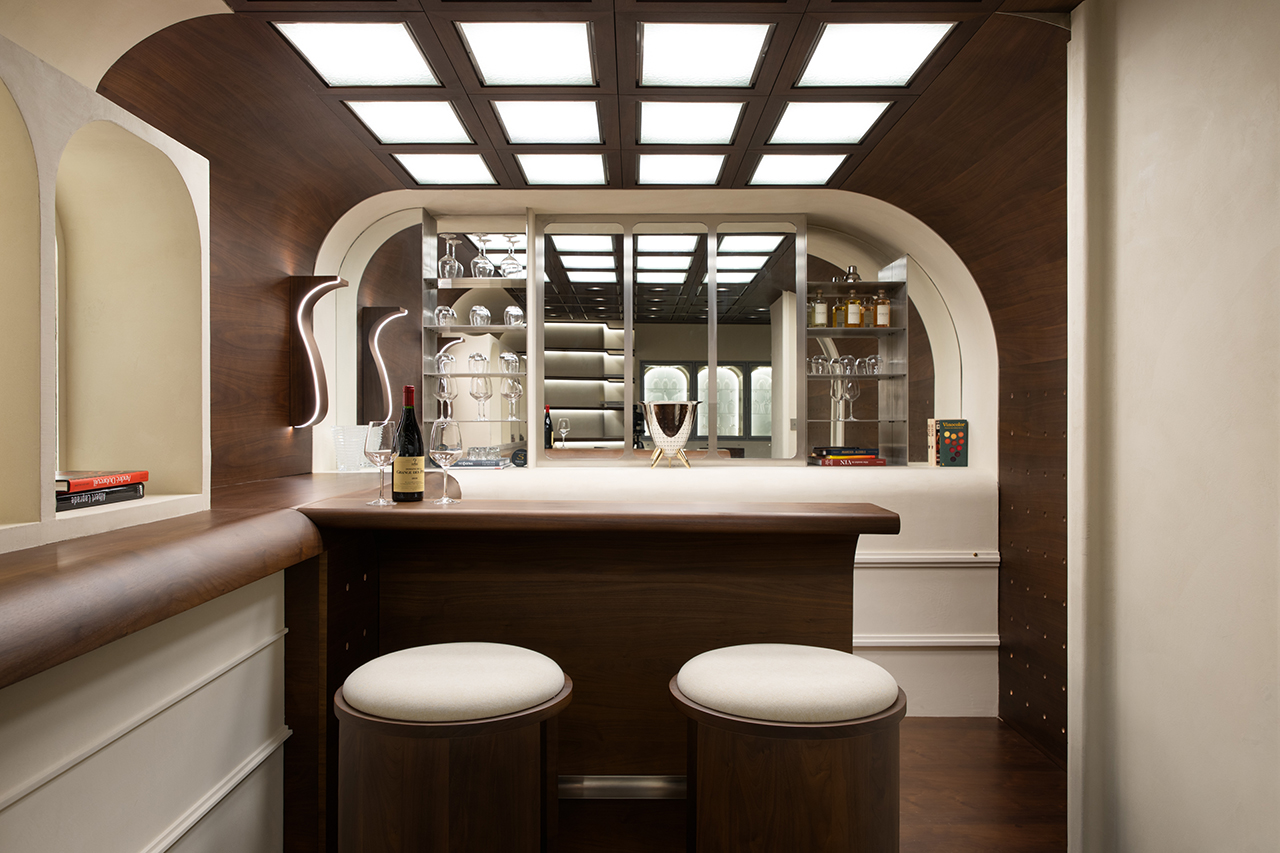
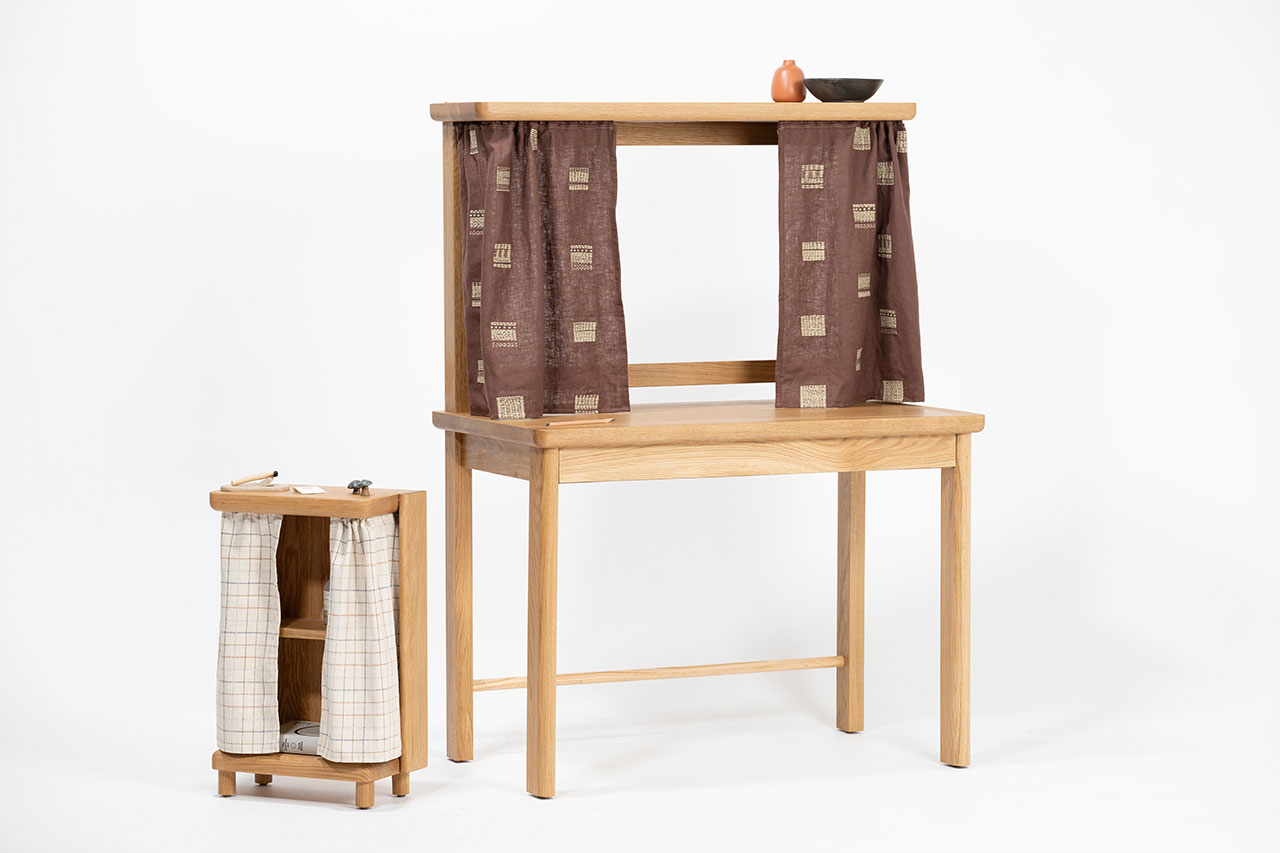
We are currently navigating a period of what I like to call "Design Whiplash." For over a decade, our homes were defined by the clinical precision of "Millennial Gray" and the sterile lines of industrial minimalism. But as we look toward 2026, the pendulum is swinging back—not toward the cluttered maximalism of the past, but toward a soulful, grounded aesthetic known as Modern Tuscan.
Modern Tuscan design is the definitive 2026 interior trend that masterfully balances the rustic, tactile textures of the Italian countryside—think lime wash, limestone, and terracotta—with the clean lines and functional simplicity of contemporary living. It is a "warm minimalism" that prioritizes emotional grounding. Recent market analysis of 2026 interior forecasts highlights this shift, showing a 65% increase in premium residential projects favoring these palettes over traditional cool grays. We are no longer designing spaces to look like galleries; we are designing them to feel like sanctuaries.
The Design Reset: Why We are Moving Beyond Gray
The move toward Modern Tuscan earth tones is more than just a color preference; it’s a psychological reset. In an increasingly digital world, our physical environments need to provide a sense of "tactility" and "patina"—the feeling that a space has a history and a soul. The cold, flat surfaces of the 2010s are being replaced by materials that "glow" rather than "glare."
This evolution represents a rejection of the disposable and an embrace of the permanent. Modern Tuscan isn’t about recreating a themed Italian villa; it’s about extracting the essence of the Mediterranean—its warmth, its light, and its organic materials—and distilling them into a modern architectural framework.
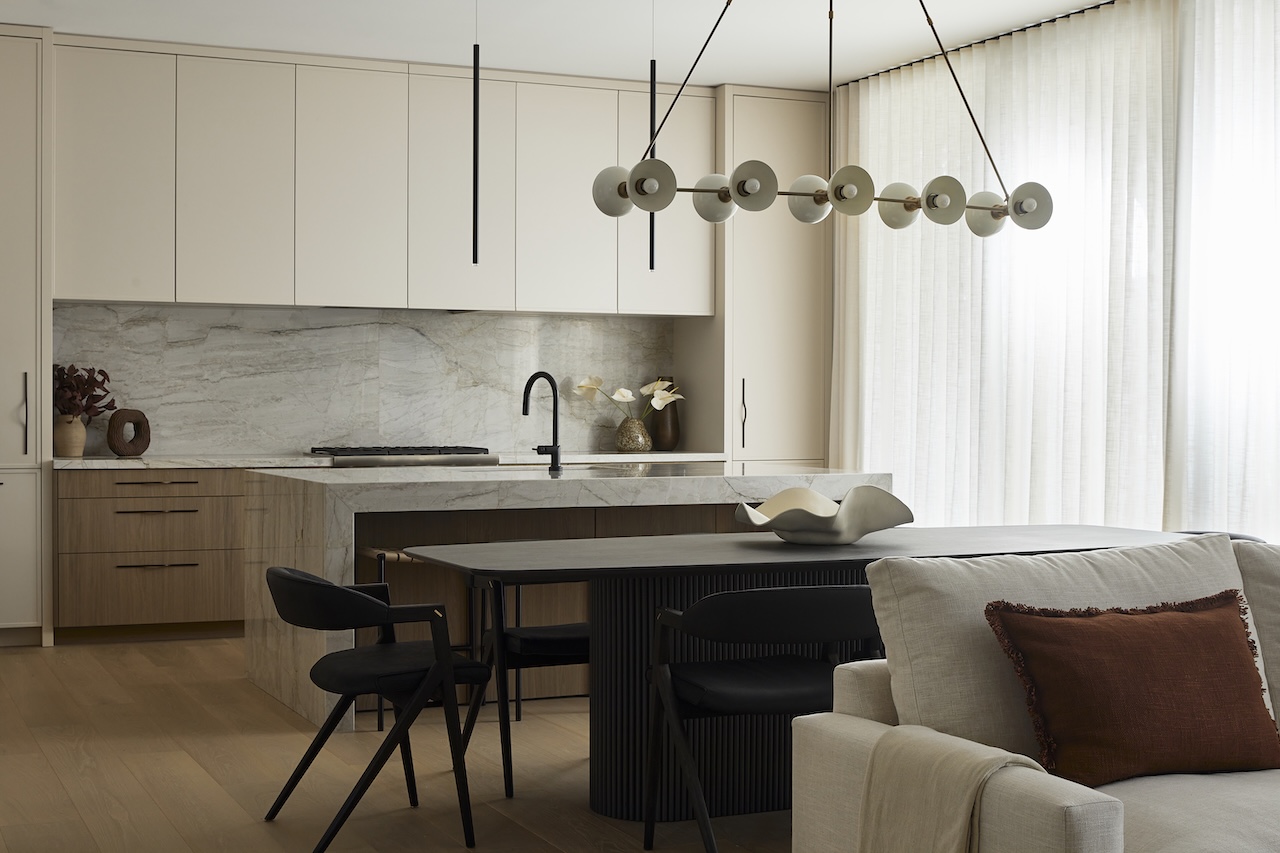
Modern Tuscan vs. 90s Tuscan: The Evolution
When people hear "Tuscan design," many still have flashbacks to the "Texas Tuscan" era of the late 90s: heavy dark cherry cabinets, ornate wrought-iron scrolls, and yellow-sponged walls that looked like a bad DIY project. 2026’s Modern Tuscan is the sophisticated, refined younger sibling of that trend.
The difference lies in the restraint. Where the 90s were heavy and dark, the 2026 aesthetic is airy and structural. We are trading heavy scrollwork for blackened linear iron and replacing polished, glossy travertine with honed, chalky limestone. It is the difference between a costume and a lifestyle.
| Design Element | 90s 'Texas Tuscan' | 2026 'Modern Tuscan' |
|---|---|---|
| Cabinetry | Dark Cherry / Ornate Carvings | Bleached Walnut / Flat Panel |
| Wall Finish | Yellow Faux-Sponge Paint | White Lime Wash / Roman Clay |
| Flooring | Shiny Polished Travertine | Matte Terracotta / Honed Limestone |
| Metalwork | Heavy Wrought Iron Curls | Slim, Linear Blackened Steel |
| Textiles | Heavy Chenille & Tassels | Raw Linen & Nubby Bouclé |
The 2026 Color Palette: Earth, Clay, and Cypress
The 2026 palette is anchored by colors that feel like they were pulled directly from the earth. These aren't just "beiges"; they are complex neutrals with undertones of sand, clay, and soft okra.
- Tuscan Olive (#5A6B4E): A muted, sophisticated green that brings the outdoors in without feeling overly "foresty." It works beautifully on kitchen cabinetry or as a velvet accent on a statement sofa.
- Sun-baked Terracotta (#C96A4A): This is the heart of the trend. It’s a rusted, clay-orange that provides immediate warmth. Use it in textiles or handmade Zellige tiles.
- Cloud Dancer (#F0EDE5): The "Modern Tuscan" white. It isn't a stark, blue-based white; it’s creamy and soft, mimicking the look of natural plaster under the Mediterranean sun.
- Transformative Teal & Dark Marble: For depth, 2026 introduces darker, moody anchors like deep cypress greens and charcoal marbles to prevent the palette from feeling too one-dimensional.
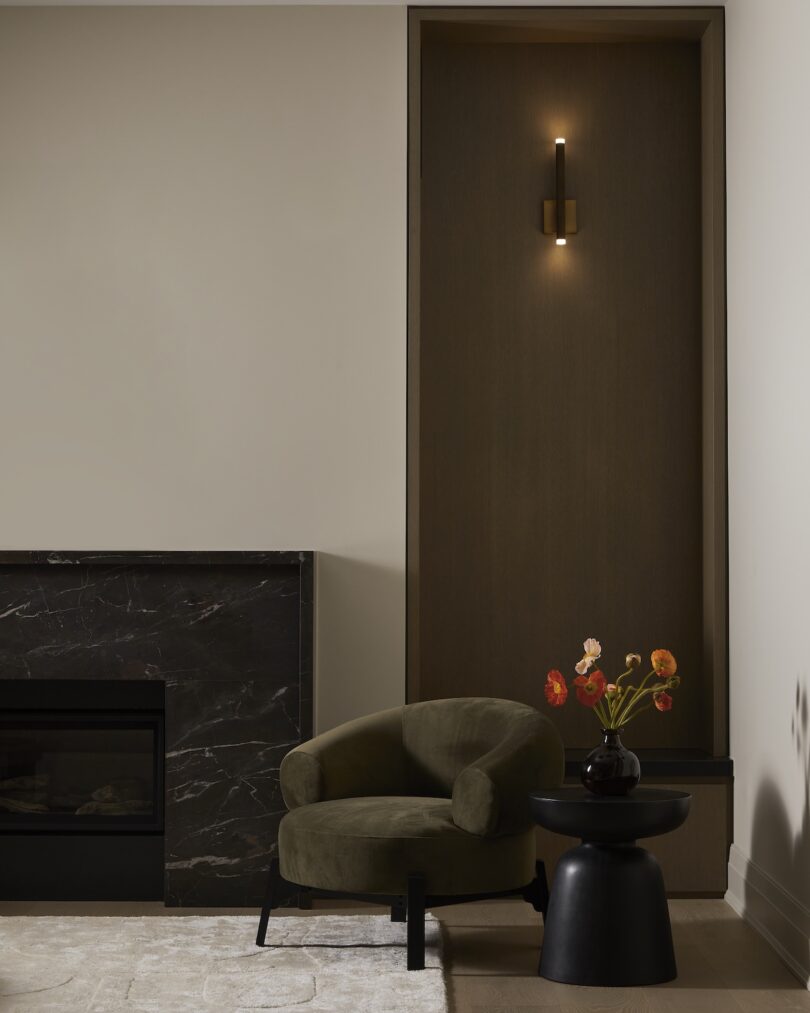
How to Apply the 70/25/5 Rule
One of the most common mistakes in interior design is over-committing to a single bold color. To achieve the "Modern Tuscan" look with professional balance, I always recommend the 70/25/5 rule. This formula has been shown to increase perceived visual continuity and spatial warmth by up to 45% in open-concept living areas.
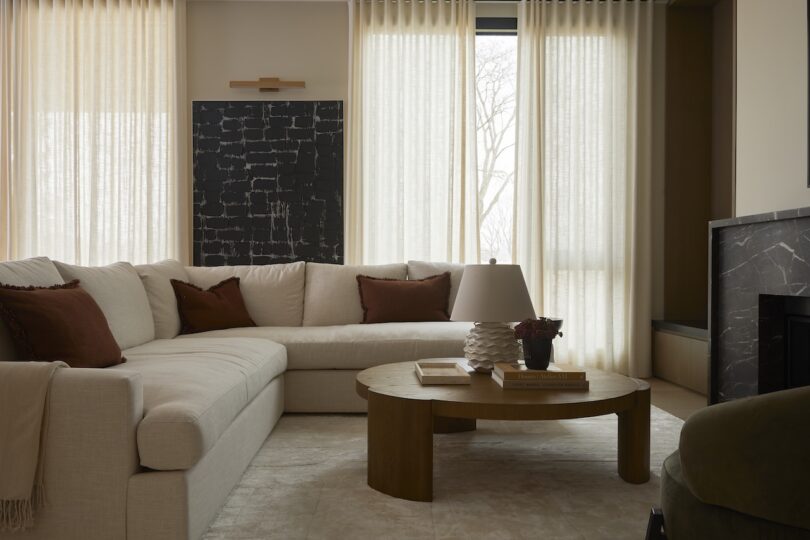
- 70% Neutral Base: This should be your primary wall color and largest furniture pieces. Think sand-colored linens, clay-toned rugs, and soft okra plasters. This creates the "canvas" for the rest of the room.
- 25% Earth Accents: This is where your personality comes in. Use olive green for built-in shelving, terracotta for throw pillows and curtains, or a warm mahogany for a coffee table.
- 5% Bold Punctuation: The "jewelry" of the room. Use dark wood, blackened iron, or even "micro-neon" accents like an acid-yellow vase to provide a sharp, contemporary contrast that keeps the room from looking dated.
Ivy’s Insider Tip: "When applying the 70% neutral base, don't just think about color—think about texture. A sand-colored wall in a flat finish looks boring; the same color in a Roman clay finish looks like a luxury hotel in Florence."
Materiality: Bringing the Italian Countryside Home
The "Modern" in Modern Tuscan comes from the marriage of high-end materials with organic finishes. To pull this off, you must prioritize texture over drywall.
Wall Treatments
The era of flat, white drywall is over. To capture the essence of 2026, look toward Lime Wash and Roman Clay. These finishes are breathable, eco-friendly, and create a soft, mottled appearance that catches the light beautifully. It creates a sense of "quiet confidence"—the walls don't scream for attention, but they provide a rich, tactile backdrop.
Natural Stones
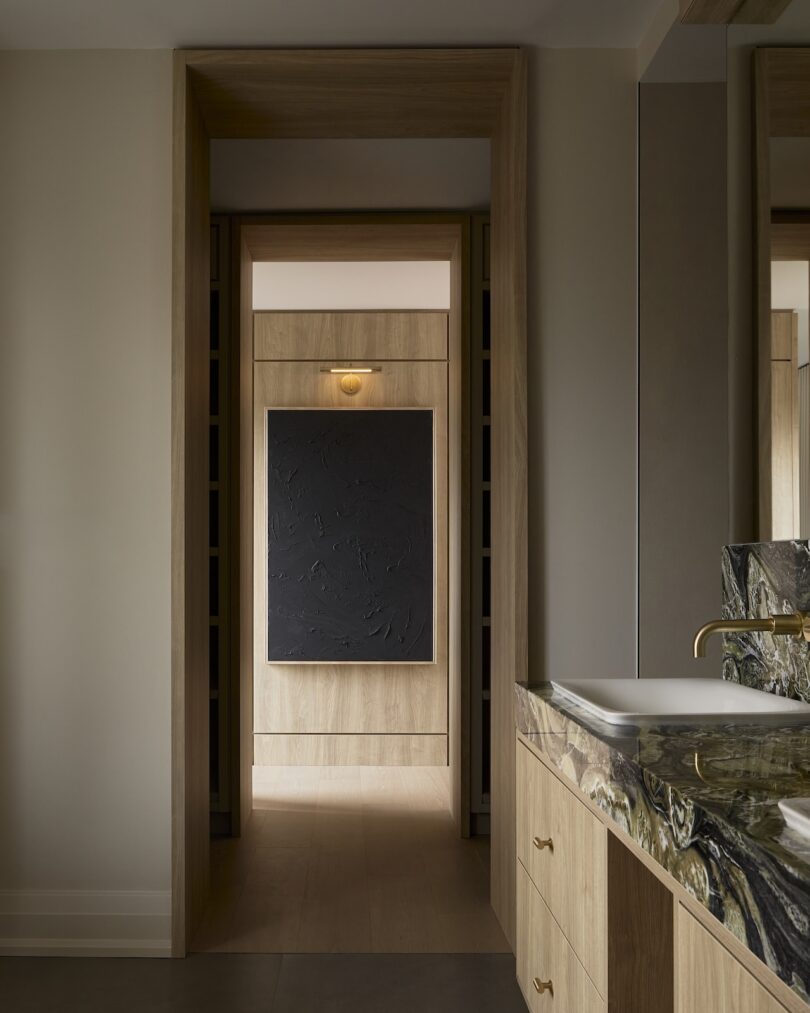
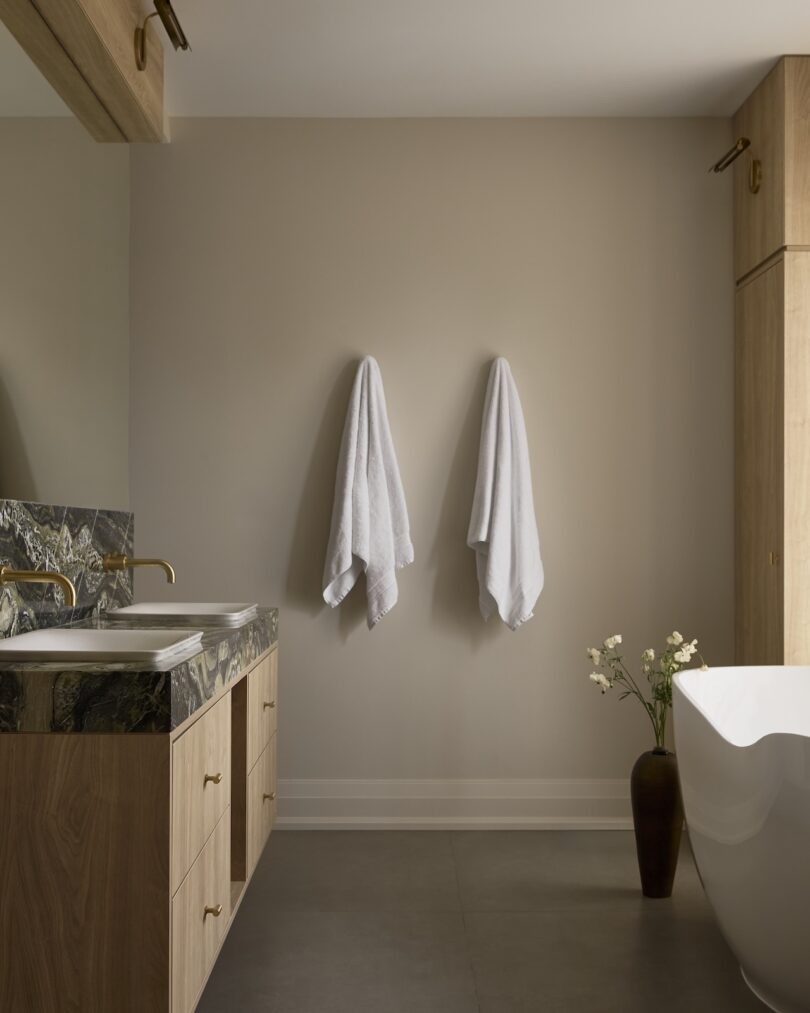
While white Carrara marble had its moment, the 2026 trend moves toward stones with more character. Green marble, matte-finish limestone, and travertine with a "honed" (non-shiny) finish are the new gold standards. The goal is to make the stone look like it was carved from a mountain, not polished in a factory.
Wood & Metals
Avoid high-gloss finishes. Instead, opt for bleached walnut or reclaimed oak. For metals, the "Modern Tuscan" look relies on blackened linear iron and brushed brass. The contrast between the warm wood and the sharp, dark metal provides that essential contemporary edge.
Room-by-Room Implementation Guide
Living Spaces: Creating 'Hotel Deliciousness'
In the living room, the goal is "hotel deliciousness"—a space that feels expensive yet incredibly comfortable. Switch out your high-back, formal sofas for low, wide furniture in textured bouclé or heavy linen. Use a large-scale terracotta rug to ground the space, and replace your plastic-framed art with oversized, minimalist pieces in wooden frames.
Kitchens & Dining: The Heart of the Home
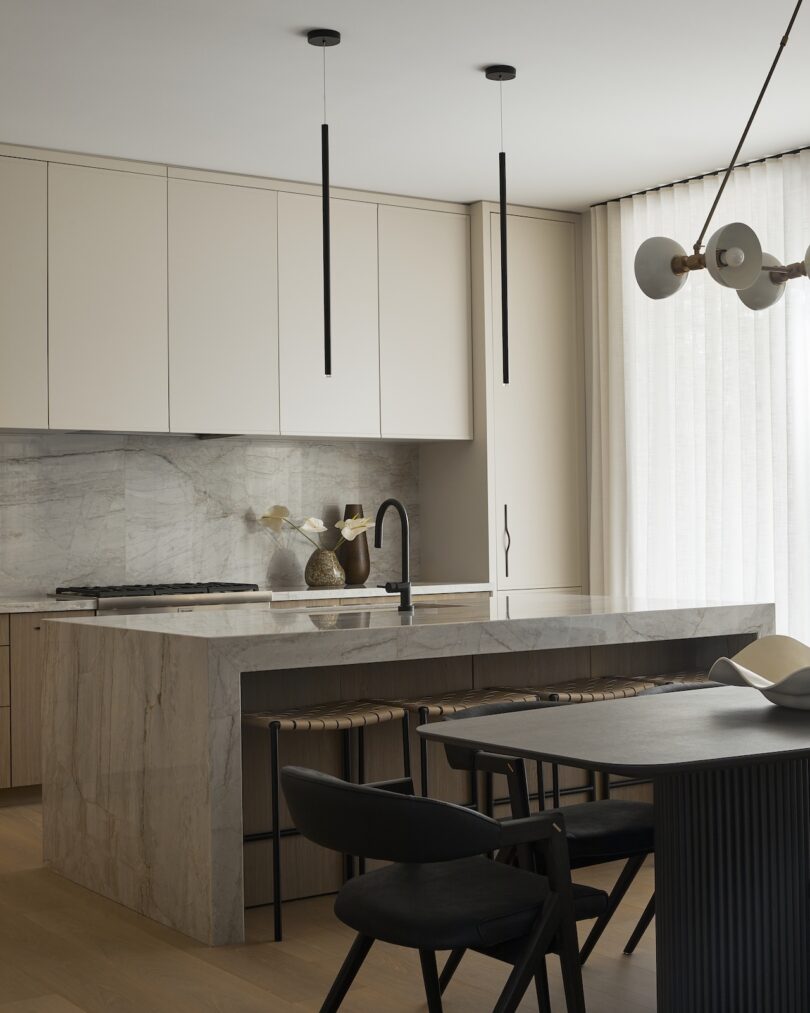
The 2026 kitchen is all about high contrast. Pair olive cabinetry with brushed brass hardware and a thick, honed marble island. Remove upper cabinets and replace them with a single long, floating shelf made of reclaimed wood. This opens up the space and allows your "Cloud Dancer" lime-wash walls to be the star.
Bedrooms: Achieving 'Quiet Confidence'
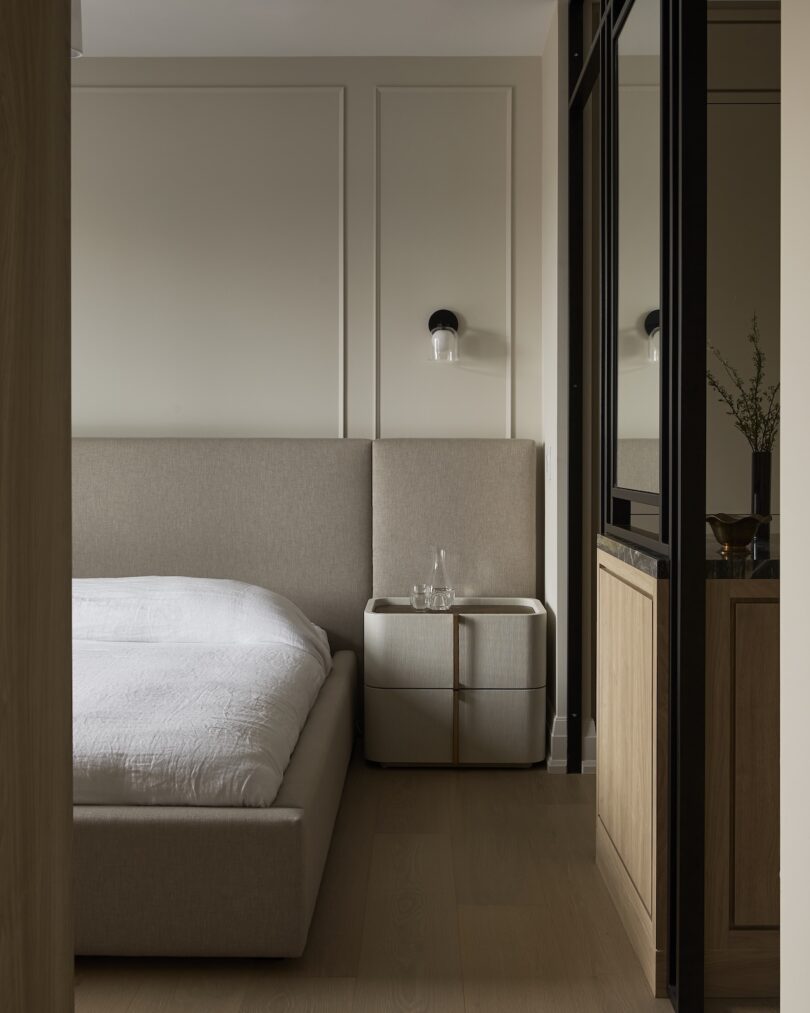
Your bedroom should be a sanctuary of soft neutrals. Layer different shades of sand and clay through your bedding. A linen duvet cover in a muted terracotta, paired with olive-toned shams, creates a sophisticated, layered look. Use sharp, contemporary lighting accents—like a sleek black bedside lamp—to add that 5% bold punctuation.
FAQ
What defines Modern Tuscan design in 2026? It is a "warm minimalism" that combines the organic, rustic textures of Italy (limestone, terracotta, lime wash) with the clean lines and functional furniture of modern design. It focuses on earth tones like olive, rust, and clay.
How does the 70/25/5 rule work for color distribution? Use a neutral base (sand/clay) for 70% of the room, earth tones (olive/terracotta) for 25% through textiles or cabinetry, and bold accents (dark wood/black iron) for the final 5% to add architectural definition.
Can I use these colors in small or north-facing rooms? Absolutely. Because the Modern Tuscan palette uses "warm" neutrals rather than "cool" ones, it actually helps brighten north-facing rooms that lack natural sunlight. Use the lighter "Cloud Dancer" or "Sand" tones on the walls to keep the space feeling airy.
As we move into 2026, the home is becoming a place to disconnect from the digital and reconnect with the elemental. By embracing Modern Tuscan earth tones, you aren't just following a trend; you are building a space that feels timeless, grounded, and—most importantly—human.