For decades, the standard for a "successful" home was a sprawling, emerald-green carpet of manicured grass. We poured our weekends, our paychecks, and millions of gallons of water into maintaining these pristine monocultures. But as we look toward 2026, the tide is turning. We are witnessing the rise of the anti-lawn movement, a shift driven by a collective realization that traditional turf is often a "biological desert." These spaces provide little for local wildlife, demand excessive chemical intervention, and offer even less in terms of actual livability for the people who own them.
Industry experts project a 45% increase in "living landscape" conversions by 2026 as homeowners prioritize biodiversity and functional utility over the dated aesthetic of the manicured grass monoculture. We are no longer just looking at our backyards; we are finally starting to live in them.
The Death of the Monoculture: Why 2026 is the Year of the Anti-Lawn Movement
The movement away from traditional lawns isn't just a design whim; it’s a necessary evolution in how we manage our personal environments. The anti-lawn movement is gaining such significant momentum because grass monocultures lack the biodiversity required to sustain healthy local ecosystems. By replacing turf with "living landscapes," we are creating habitats for pollinators, improving soil health, and drastically reducing our carbon footprint.
From an economic perspective, the shift is equally compelling. The cost of fuel for mowers, synthetic fertilizers, and the rising price of residential water makes the traditional lawn an expensive relic of the past. By transitioning to native plantings and structured outdoor zones, we aren't just saving the planet—we're reclaiming our time and our bank accounts.
Defining the Functional Outdoor Room
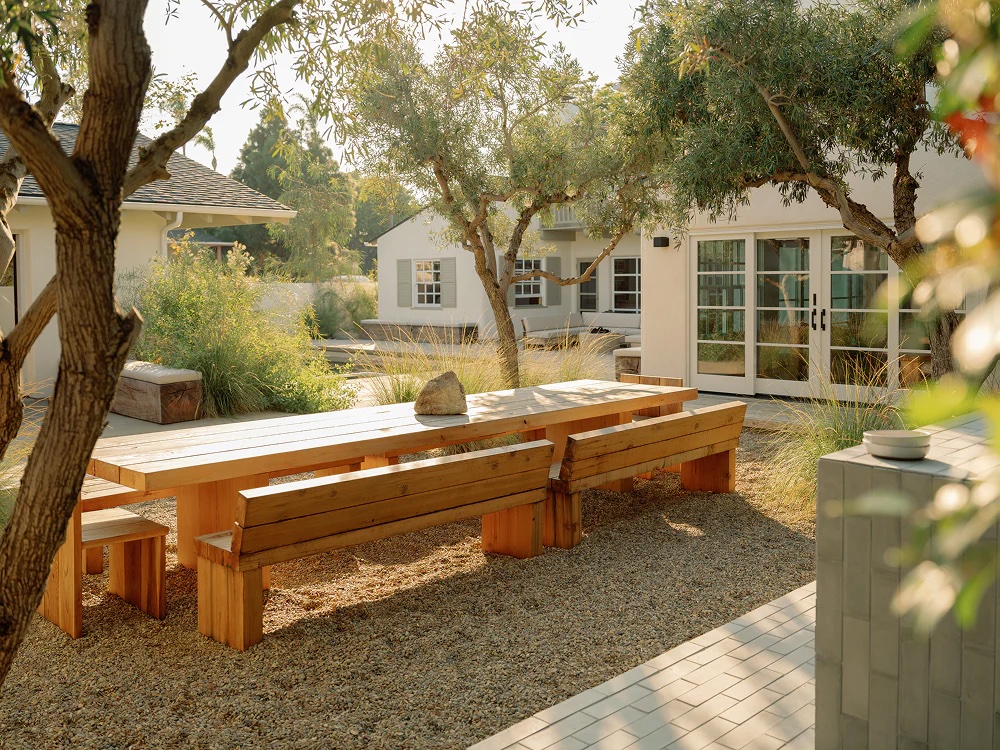
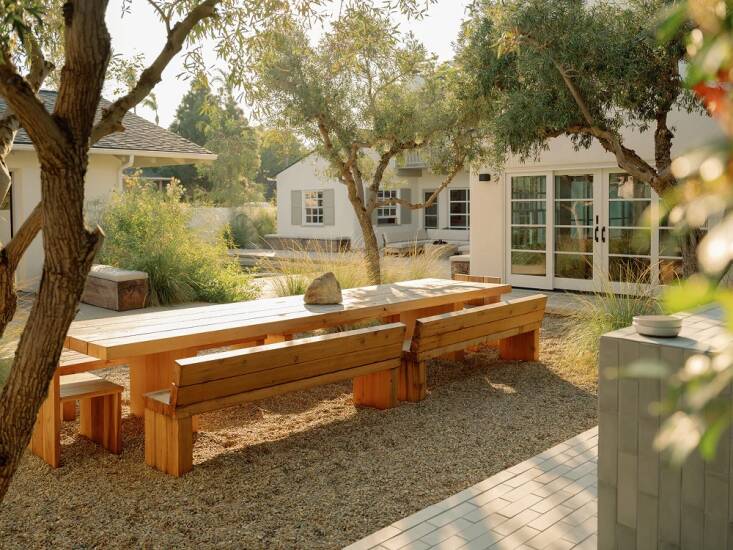
If the lawn is a blank, unused canvas, the functional outdoor room is a masterpiece of intentionality. Functional outdoor rooms are distinct, purposeful garden zones designed using interior principles. Instead of an uninterrupted swath of grass, we are segmenting our outdoor spaces into areas for dining, remote work, or relaxation. This approach effectively expands your home's living square footage, creating a seamless transition between the comfort of the indoors and the vitality of the outdoors.
When we apply interior design principles to the backyard, we look at "floors" (groundcovers or pavers), "walls" (hedges, trellises, or tall grasses), and "ceilings" (pergolas or tree canopies). This structural thinking allows us to create intimacy and purpose where there was once only empty space.
Creating Purposeful Zones
To get started, think about how you actually want to use your land. Most homeowners find success by dividing their space into three core "rooms":
- The Al Fresco Dining Room: A dedicated area for meals, often featuring permeable pavers or gravel to allow for drainage while providing a stable surface for furniture.
- The Remote-Work Nook: With the rise of flexible work, a quiet, shaded corner with a sturdy table and proximity to home Wi-Fi has become a 2026 essential.
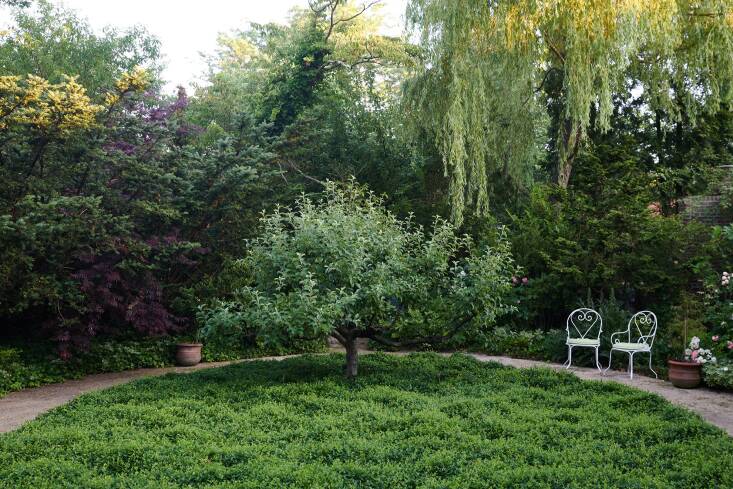
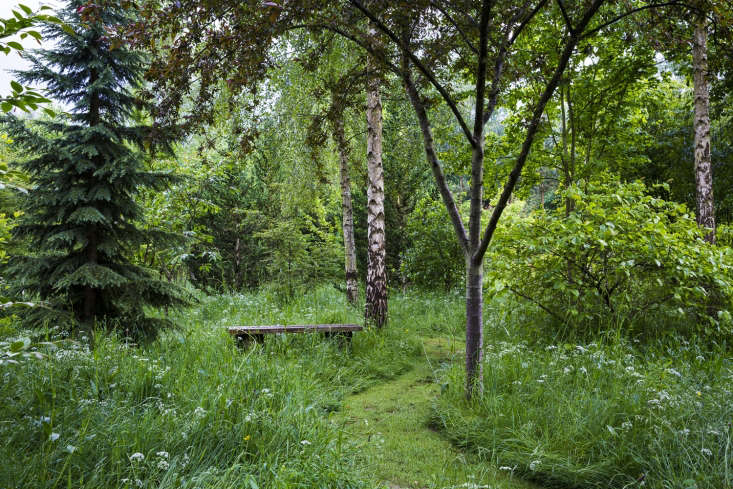
- The Meditation Garden: A secluded area surrounded by sensory plants like lavender or swaying grasses, designed specifically for decompressing.
Small, cozy nooks provide a sanctuary for reflection, proving that smaller, intentional spaces are more valuable than vast expanses of grass. By creating these dedicated zones, we move away from the "all or nothing" approach of a lawn and toward a landscape that serves our daily needs.
The Sustainability Payoff: Water Savings and Biodiversity
The environmental impact of this transition cannot be overstated. Replacing a traditional turf lawn with functional outdoor rooms and native plantings can reduce annual residential water usage by up to 60%. This is a game-changer for regions facing frequent drought or rising utility costs.
Pro Tip: Beyond water savings, a diversified landscape acts as a natural carbon sink and provides essential corridors for bees, butterflies, and birds. We are shifting from "curb appeal" to "vibrant ecosystems" that actually contribute to the health of our neighborhoods.
Top Sustainable Alternatives to Traditional Turf
If you're ready to ditch the grass but still want a "soft" look for your pathways or zone connectors, there are several incredible alternatives. The best sustainable alternatives to grass lawns include native wildflower meadows, clover lawns, and drought-tolerant groundcovers. These options require significantly less mowing and irrigation while providing a better habitat for pollinators than traditional turf.
| Groundcover Type | Sun Requirement | Foot Traffic Tolerance | Maintenance Level |
|---|---|---|---|
| Dutch White Clover | Full Sun to Shade | High | Very Low (No Mow) |
| Creeping Thyme | Full Sun | Medium | Low (Fragrant) |
| Sedum (Stonecrop) | Full Sun | Low | Very Low (Drought Proof) |
| Native Wildflowers | Full Sun | None (Visual Only) | Seasonal Mowing |
| Creeping Mazus | Sun to Part Shade | Medium | Moderate Water |
The "Self-Feeding" Wonder: Dutch White Clover
Clover is making a massive comeback for 2026. Unlike grass, clover is a nitrogen-fixer, meaning it takes nitrogen from the air and puts it into the soil, effectively fertilizing itself and the plants around it. It stays green even in the heat of summer and requires minimal mowing.
Edible Landscapes
Why mow your lawn when you can eat it? Integrating fruit bushes like blueberries, herb borders with rosemary and sage, or even raised vegetable beds into your functional zones adds a layer of food security and immense personal satisfaction to your sustainable lifestyle.
How to Ditch the Grass: 3 Proven Sod Removal Methods
Transitioning to a functional backyard requires getting rid of the existing turf. Depending on your timeline and physical ability, we recommend these three methods:
- The "Lawn Lasagna" (Sheet Mulching): This is my personal favorite for soil health. You layer cardboard over your grass, soak it with water, and top it with 4-6 inches of organic mulch or compost. Over a few months, the grass dies back and the cardboard decomposes, creating incredibly rich soil for your new "rooms."
- The Manual Muscle: For smaller plots, a sharp spade and some elbow grease can strip sod away. It’s hard work, but it’s immediate.
- The Sod Cutter: If you have a large area to convert, renting a motorized sod cutter is the most efficient route. It peels back the grass in strips, leaving you with a clean slate for your new sustainable design.
Essential Design Elements for a Functional Oasis
To make your outdoor rooms truly feel like "rooms," you need to consider the vertical plane. Living walls made of climbing jasmine or clematis provide privacy and scent without the need for a bulky wooden fence.
Lighting is the final touch that extends the usability of these spaces into the evening. Solar-powered LED path lights and string lights create a warm ambiance, while a smokeless fire pit can serve as the "hearth" of your outdoor living room, making it a year-round destination.
FAQ
What is the best time of year to start a lawn conversion? Fall is generally the best time to start. If you use the "Lawn Lasagna" method, the winter months allow the organic matter to break down, leaving you with perfect soil for spring planting.
How do I handle weeds or "thug" plants in my new landscape? The key is density. By planting a diverse range of native groundcovers and perennials, you leave very little "open" soil for weeds to take hold. Mulching heavily in the first two years is also essential.
Are non-grass lawns higher maintenance? Initially, there is a setup phase. However, once established, a sustainable landscape requires significantly less work than a lawn. You trade the weekly chore of mowing for occasional pruning and seasonal cleanup—a much more rewarding exchange.
Join the Movement
The era of the high-maintenance, water-guzzling lawn is coming to an end. By embracing functional outdoor rooms and sustainable plantings, we are creating homes that are more beautiful, more productive, and much kinder to the planet. Start small—pick one corner of your yard this season—and experience the freedom of living beyond the lawn.